
Starting a GLP-1 medication like semaglutide or tirzepatide can bring unexpected side effects, and headaches are among the most commonly reported. Whether the cause is dehydration, reduced calorie intake, blood sugar fluctuations, or the medication itself, understanding what is driving the pain makes it easier to manage without abandoning treatment.
Tracking patterns such as headache frequency, hydration, meal timing, and dosage changes gives both patients and their doctors clearer information to work with. The GLP-1 app from MeAgain helps users log daily habits and symptoms in one place, making it easier to spot triggers and stay consistent with their weight loss goals.
Table of Contents
- Can GLP-1 Cause Headaches and Is It a Common Side Effect of GLP-1?
- What Causes Headaches While Taking GLP-1 Medications?
- How to Prevent and Treat GLP-1 Headaches
- Run Your 2-Minute GLP-1 Headache Risk Check and Take Control Today
Summary
- Headaches are a documented but often misattributed side effect of GLP-1 medications. Clinical data show that headache was reported in approximately 9% of patients taking liraglutide, compared with 5% in the placebo group, a difference that is real but modest. The fact that headaches occur in placebo groups at all suggests the medication's direct pharmacological action on the brain is not the primary driver for most people.
- Dehydration is one of the most common and correctable causes of headaches during GLP-1 treatment. These medications can reduce caloric and fluid intake by 20 to 30%, and the nausea they produce further discourages drinking consistently. Drinking at least 64 ounces of water daily, with added electrolytes when nausea is persistent, addresses the fluid and sodium deficits that produce vascular, pressure-based head pain.
- Blood sugar shifts create a distinct headache pattern that is easy to confuse with dehydration-related symptoms. When glucose drops, the brain registers the shortage first, producing a neuroglycopenic response that includes shakiness, difficulty concentrating, and mild sweating alongside the headache. This pattern is most common in people combining GLP-1 medications with insulin or sulfonylureas, where the compounding effect on glucose can push levels lower than either medication would alone.
- The adjustment period in the first four to six weeks of treatment contributes to headaches through broader metabolic recalibration, rather than a single specific mechanism. According to a 2025 review published in Arquivos de Neuro-Psiquiatria, headache was reported in up to 14% of patients treated with GLP-1 receptor agonists in clinical trials, a figure consistent with an adjustment-phase experience. These headaches tend to be milder, less localized, and decrease in frequency as the body stabilizes on the medication.
- Dose escalation timing is a factor most people overlook when trying to understand their headache patterns. Side effects, including headache clusters, are most severe in the first weeks of treatment and during dose increases, not throughout the full treatment period. Headaches that follow a clear post-injection pattern and resolve between doses typically indicate the body is adjusting to the new dose rather than responding to a persistent physiological problem.
- Not all headaches during GLP-1 treatment are adjustment-related, and some require immediate medical attention. Sudden severe onset, accompanying neurological symptoms such as weakness or vision changes, and persistent vomiting that prevents hydration are not part of the expected GLP-1 side effect profile. These symptoms warrant prompt clinical evaluation rather than self-management.
- The MeAgain GLP-1 app addresses the core challenge of linking symptoms to their actual causes by allowing users to log headache severity alongside dose timing, hydration, and meal data on a single daily timeline.
Can GLP-1 Cause Headaches and Is It a Common Side Effect of GLP-1?
Most people think GLP-1 medications directly cause headaches, but in many cases, the headache results from downstream effects of changes in hydration, food intake, blood sugar, or metabolic shifts that follow treatment.
"In many cases, headaches on GLP-1 therapy are not a direct drug effect — they are a secondary consequence of reduced intake, dehydration, and blood sugar fluctuations triggered by the medication's mechanism." — Clinical Insight
Potential Headache Trigger | Why It Happens on GLP-1 |
|---|---|
Dehydration | Reduced food and fluid intake from appetite suppression |
Blood sugar shifts | Metabolic changes affecting glucose regulation |
Low caloric intake | Eating significantly less can trigger tension headaches |
Metabolic adjustment | Body adapting to new hormonal and digestive patterns |

Why do people assume GLP-1 directly causes headaches?
This misconception persists for understandable reasons. Temporal bias makes the injection an easy culprit when headaches start within days. Package inserts list headache as a side effect without explaining why. Social media threads amplify the impression that GLP-1 directly triggers head pain, when the actual drivers are often dehydration, missed meals, or blood sugar dips. Early treatment also heightens symptom awareness, reinforcing the drug-as-cause narrative.
What does clinical evidence say about GLP-1 and headache rates?
Clinical evidence tells a more nuanced story. According to a GLP-1 receptor agonist clinical review published in PMC, headache was reported in approximately 9% of patients treated with liraglutide, compared with 5% in the placebo group. This modest difference reveals that headaches occur slightly more often in treated patients than in those taking a placebo, suggesting that the medication's direct action on the brain is not the sole factor.
Nausea, the most common GLP-1 side effect, occurs in up to 44% of patients, while headaches occur in 5 to 14% depending on the specific agent. FDA prescribing information for semaglutide shows side effects concentrate in the first weeks of treatment and during dose increases, suggesting adjustment and indirect physiological stress rather than direct nervous system effects.
How can tracking patterns help you understand your headaches on GLP-1?
When you track headache onset against dose day, meal timing, and water intake, patterns emerge. Memory alone is unreliable for this. Our MeAgain GLP-1 app addresses this gap by letting you log headache severity alongside your dose, meals, and hydration, making invisible patterns visible. That organized data makes conversations with your doctor far more useful than vague recollections.
Who is most vulnerable to headaches while taking GLP-1?
People with a history of migraine, sensitivity to fasting, or a tendency toward dehydration carry additional vulnerability. GLP-1 medications reduce appetite significantly, making skipped or delayed meals more common, especially in the first month. Blood sugar changes from reduced food intake, combined with nausea that discourages adequate water intake, create established triggers for head pain in susceptible individuals. The medication altered the body's internal environment, and the headache followed. So if the medication isn't directly triggering every headache, what is?
Related Reading
- GLP-1 Plateau
- How Does GLP-1 Help You Lose Weight
- How Much Protein On GLP-1
- How Much Water To Drink on GLP-1
- Why Am I Not Losing Weight On GLP-1
- Can GLP-1 Cause Gastroparesis
- Can GLP-1 Cause Kidney Stones
- Which GLP-1 Has The Least Side Effects
- Does GLP-1 Cause Acid Reflux
- Why Am I Not Losing Weight on Zepbound
What Causes Headaches While Taking GLP-1 Medications?
Headaches on GLP-1 medications occur due to real, specific physiological changes. The problem is that multiple things can cause the same symptom, making it easy to blame the medication when the real trigger might be something you can actually fix.
"When the same symptom has multiple potential causes, identifying the true trigger is the critical first step toward effective relief." — Clinical Practice Insight
Potential Headache Trigger | Why It Happens on GLP-1s |
|---|---|
Dehydration | Reduced appetite leads to less fluid intake |
Low caloric intake | Calorie restriction can drop blood sugar and trigger pain |
Electrolyte imbalance | Nausea and vomiting deplete key minerals |
The medication itself | Direct physiological changes from GLP-1 receptor activity |
Gastrointestinal disruption and the dehydration chain
GLP-1 medications slow gastric emptying, causing nausea and appetite suppression. According to Fella Health's guide on GLP-1 medications and headaches, these medications reduce calorie intake by 20 to 30%, leading to dehydration and electrolyte imbalances that trigger headaches. Reduced body fluid lowers blood pressure and constricts cerebral blood vessels, producing a dull, pressure-based headache typically behind the eyes or across the forehead. The headache resolves within 30 to 60 minutes after consuming water and sodium-containing food.
Blood sugar shifts that the brain notices first
Changes in blood sugar can create a distinct headache pattern worth noting. When glucose drops, the brain feels the shortage first, triggering a neuroglycopenic response: a headache accompanied by shakiness, mild sweating, difficulty concentrating, and sometimes anxiety. This pattern appears most often in people taking GLP-1 medications with insulin or sulfonylureas, where combining both medications lowers glucose more than either alone. If the headache accompanies these other symptoms, blood sugar is more likely to be the cause than dehydration.
How does tracking dose timing and meals reveal hidden patterns?
Most people track these symptoms separately, missing connections between a headache on Tuesday and a lighter meal on Monday, or the timing of the dose on the day. A GLP-1 app like MeAgain puts dose timing, hydration logs, meals, and symptom severity ratings on the same daily timeline, making invisible patterns visible at a glance. Organized data doesn't replace a conversation with your doctor; it makes that conversation more productive.
The adjustment period your body didn't ask for
In the first four to six weeks on a GLP-1 medication, your body recalibrates appetite hormones, shifts its relationship to food volume, and adapts to slower gastric transit. This recalibration creates low-level metabolic stress, which lowers the threshold for headaches in people already prone to them. According to a 2025 review published in Arquivos de Neuro-Psiquiatria, headache was reported in up to 14% of patients treated with GLP-1 receptor agonists in clinical trials. These adjustment-phase headaches tend to be milder, less localized, and decrease in frequency as the body stabilizes on the medication.
How do adjustment headaches differ from dehydration and blood sugar types?
The key difference between adjustment-phase headaches and dehydration- or blood sugar-related headaches is how they change over time. Adjustment headaches resolve without intervention, while dehydration and blood sugar headaches recur in patterns connected to your habits—patterns worth tracking carefully rather than enduring. Once you identify the cause of the headache, the next question becomes more complicated than most people expect.
Related Reading
- Why Do Some People Not Lose Weight on Ozempic
- Slow Weight Loss On Wegovy
- Why Am I Not Losing Weight On Zepbound
- Can You Stop Glp-1 After Losing Weight
- How Many Weeks Is Considered A Weight Loss Plateau
- Can Glp-1 Cause Low Blood Sugar
- Can Glp-1 Cause Low Blood Pressure
How to Prevent and Treat GLP-1 Headaches
Treating unexplained headaches requires understanding their cause — because blindly reaching for pain relief without knowing the root trigger is one of the most common mistakes GLP-1 users make. The framework below pairs each cause with how it works, how to fix it, and exactly when that fix stops being effective.
"Treating a symptom without identifying its cause is like patching a leak without turning off the water — the real problem keeps building beneath the surface." — Medical Best Practice Principle
Cause | How It Works | How to Fix It | When the Fix Stops Working |
|---|---|---|---|
Dehydration | GLP-1s reduce appetite, including thirst cues | Drink 8–10 glasses of water daily | If the headache returns within 2–3 hours |
Low Blood Sugar | Reduced food intake drops glucose levels | Consume a small, balanced snack | If symptoms worsen or don't resolve in 30 min |
Medication Timing | Peak drug levels cause temporary vascular changes | Adjust the injection day routine with your doctor | If headaches occur every dose cycle |
Electrolyte Imbalance | Reduced eating lowers sodium, potassium, and magnesium | Add an electrolyte supplement | If the imbalance is chronic and diet-related |

When the problem is dehydration
Problem: Insufficient fluid intake from drinking less water or fluid loss due to illness.
Mechanism: When you have less blood in your body, less blood flows to your brain, which can trigger a headache in your blood vessels. Learn more about cerebral perfusion pressure.
Fix: Drink water steadily throughout the day in smaller amounts. According to Eden Health's GLP-1 Headache Side Effect Guide, drinking at least 64 ounces of water daily can help prevent dehydration-related headaches when taking GLP-1 medications. Add electrolytes if you've been feeling sick frequently, since water alone replaces fluid loss but not the sodium and potassium balance your body needs.
Expected outcome: Headache improves within one to two hours of drinking water consistently.
When it works: Mild, dull headaches following low fluid intake or nausea.
When it doesn't: Headache persists despite adequate hydration over 24 hours.
What it replaces: Reaching for ibuprofen or acetaminophen when the actual problem is dehydration, not pain.
When the problem is inadequate calorie intake
Problem: Eating too little because GLP-1 medications suppress appetite significantly.
Mechanism: Insufficient glucose reduces brain energy supply, causing a hunger headache that resembles a tension headache.
Fix: Eat smaller, more frequent meals instead of waiting for hunger signals that may not arrive. Focus on protein and complex carbohydrates at each meal to maintain steady glucose levels.
Expected outcome: Headache frequency drops within days of establishing a consistent eating schedule.
When it works: Headaches occurring in the late morning or mid-afternoon, when you haven't eaten for the longest time.
When it doesn't: Headaches persist despite regular eating, suggesting an underlying cause.
What it replaces: Skipping meals and assuming the medication addresses all your nutritional needs.
When the problem is nausea limiting nutrition
Problem: Nausea makes eating feel impossible, worsening the calorie and fluid deficit simultaneously.
Mechanism: GLP-1 activation disrupts GI function, reducing both food intake and nutrient absorption—a double deficit that intensifies headaches.
Fix: Switch to plain, low-fat, low-fiber foods in small amounts. Cold foods are often easier to tolerate than hot ones. Sipping broth or electrolyte drinks helps maintain nutritional intake when solid food isn't available.
Expected outcome: Nutritional headaches decrease as nausea improves, typically within the first few weeks of dose stabilization.
When it works: Nausea is the primary problem preventing someone from eating and drinking.
When it doesn't: Nausea is severe, ongoing, or accompanied by vomiting that prevents oral intake of food or drink.
What it replaces: Doing nothing and waiting for nausea to pass without a nutrition plan.
When the problem is a rapid dose increase
Most people track their injection day. Few track what happens in the 48 to 72 hours after it. That window is where dose-adjustment headaches live.
Problem: Dose escalation increases GLP-1 receptor activity faster than your body can adapt to.
Mechanism: Rapid increases in GLP-1 signaling worsen nausea, reduce appetite, and alter blood sugar patterns more abruptly than gradual dose escalation.
Fix: Follow the prescribed dose schedule without accelerating it on your own. If headaches persist after your injection, discuss slowing the dose-increase schedule with your prescriber.
Expected outcome: Headaches should improve as your body adjusts to the new dose, typically within two to four weeks. Eden Health notes that GLP-1 headaches most commonly occur within the first four weeks of starting or increasing a dose.
When it works: Headaches follow a clear pattern after injection and resolve between doses.
When it doesn't: Headaches persist regardless of when you receive your injection.
What it replaces: Thinking every headache after an injection is something you must endure without informing your provider.
Notes scattered around don't show a pattern. When headaches, dose days, water intake, and meal times are written in different places, the pattern becomes difficult to see. A GLP-1 tracking app like MeAgain consolidates all information into a single daily timeline, so you can show your provider exactly what happened and when, rather than relying on month-old memories.
When the problem is medication interactions or hypoglycemia risk
Problem: Other medications, particularly insulin or sulfonylureas, combined with GLP-1 therapy, can lower glucose more than either drug alone, triggering hypoglycemia and headaches.
Fix: Review your full medication list with your prescriber when starting or increasing a GLP-1. If you use a continuous glucose monitor, track readings when the headache starts to confirm low glucose as the cause.
Expected outcome: Adjusting the medication dose under medical supervision eliminates the headache pattern caused by low blood sugar.
When it works: Headaches occur with low blood sugar readings and resolve after eating.
When it doesn't: Blood sugar is normal during headache episodes, indicating a different cause.
When symptoms require medical attention
Problem: A sudden, severe headache or one that differs markedly from previous experiences.
Mechanism: Sudden, severe neurological symptoms such as weakness, vision changes, confusion, or persistent vomiting that prevents hydration signal that something unrelated to GLP-1 adjustment may be occurring.
Fix: Contact a healthcare provider right away. These symptoms fall outside the expected GLP-1 side effect profile and warrant clinical evaluation rather than self-attribution to the medication.
Expected outcome: Prompt evaluation rules out serious causes, including hypertensive crisis, stroke, and other neurological events.
When it works: Always. Severe, sudden, or neurologically accompanied headaches require professional assessment, not self-management.
Run Your 2-Minute GLP-1 Headache Risk Check and Take Control Today
The GLP-1 app MeAgain lets you log headache severity alongside your dose day, water intake, and meal data in one place, revealing patterns in what feels random and exposing their true source. This context transforms a frustrating symptom into useful information to share with your healthcare provider.
"Patterns that feel random start to show their actual source — turning a frustrating symptom into useful information you can act on." — MeAgain

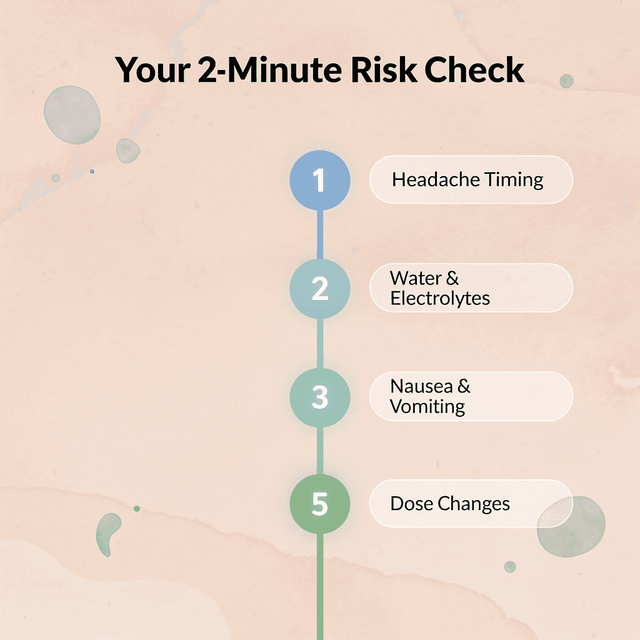
Download MeAgain and complete your GLP-1 Headache Risk Check in about two minutes. You'll answer questions about when your headaches started, your recent water and electrolyte intake, how much you've been eating, nausea or vomiting, recent dose changes, and any other symptoms you're experiencing.
Check Category | What It Covers |
|---|---|
Timing | When headaches started relative to the dose on the day |
Hydration | Recent water and electrolyte intake |
Nutrition | How much have you been eating |
Side Effects | Nausea or vomiting present |
Dosage | Recent dose changes |
Other Symptoms | Any additional concerns |
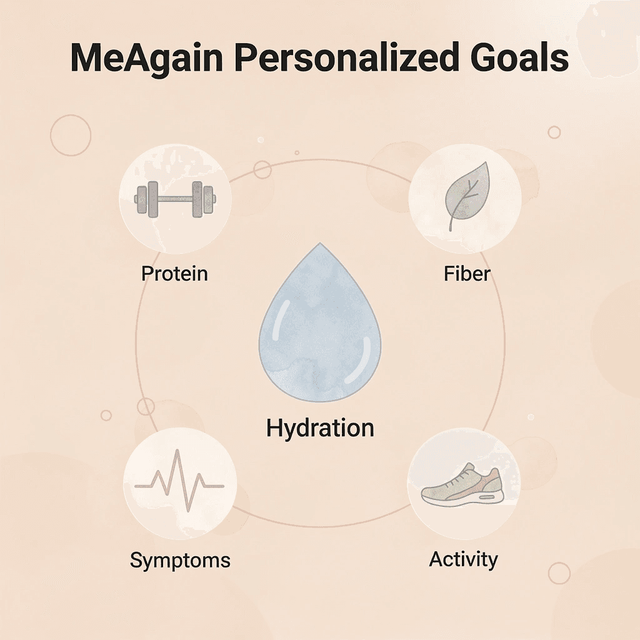
MeAgain immediately gives you a personalized breakdown of the factors most likely contributing to your headaches, along with daily hydration, protein, fiber, and activity goals. You'll know exactly when your symptoms are temporary adjustments and when to contact your healthcare provider.
Your capybara coach turns these healthy habits into a game, making it easier to stay hydrated, eat enough protein and fiber, and build routines that support long-term success. Your Journey Card captures every milestone so you can see how your health changes over time.