
Starting Wegovy often brings encouraging initial results, but many people experience a frustrating slowdown or plateau after the first few months. This deceleration happens more frequently than most expect and stems from various factors, including biological adaptation, dietary habits, lifestyle elements, and individual medication response patterns. Understanding these underlying causes helps distinguish between normal variations in progress and issues that need addressing.
Several evidence-based strategies can help restart momentum when weight loss stalls on Wegovy. Identifying which specific factors affect individual results requires tracking patterns across meals, activity, sleep, and medication response to develop targeted solutions rather than generic approaches. For personalized support that goes beyond standard advice, the GLP-1 app connects daily habits to weight-loss progress to provide tailored recommendations for overcoming plateaus.
Table of Contents
- How Fast Can You Lose Weight on Wegovy?
- What Causes Slow Weight Loss on Wegovy?
- How Do You Maintain Weight Loss Progress With Wegovy?
- Turn Slow Weight Loss on Wegovy Into Consistent Progress With MeAgain
Summary
Key Takeaways
- Weight loss on Wegovy follows a measured timeline: most people reach only a 5% body weight reduction by three months, and the full 15% average loss takes 68 weeks at the 2.4 mg dose. The higher 7.2 mg formulation shows stronger results, with participants losing an average of 21% body weight after 72 weeks, but nearly half of that timeline is spent on dose escalation before therapeutic effects fully take effect. Expecting rapid results during the first 12 to 20 weeks ignores the pharmacological design of gradual titration.
- Metabolic adaptation occurs within weeks of sustained calorie restriction, reducing resting energy expenditure by 10 to 15% even at the same activity level. This physiological response isn't medication failure. It's your body conserving energy in response to perceived scarcity, which means calorie targets that worked initially will eventually need to be adjusted as weight drops and lean mass decreases.
- People who stop GLP-1 medications regain approximately two-thirds of their lost weight within one year, primarily because appetite suppression masks the absence of sustainable eating patterns. The medication controls hunger and slows gastric emptying, but without concurrent habit formation around protein intake, fiber consumption, and meal structure, weight rebounds once the medication is discontinued.
- Resistance training preserves muscle mass during caloric deficit, preventing the metabolic slowdown that compounds weight-loss plateaus. Muscle tissue burns more calories at rest than fat tissue, so losing it through diet alone reduces total daily energy expenditure beyond what the calorie deficit itself explains. Progressive strength training two to four times weekly signals the body to prioritize fat oxidation over muscle breakdown.
- Daily scale readings measure water retention, glycogen storage, digestive contents, and hormonal fluctuations that create two to five-pound swings unrelated to actual fat loss. Tracking waist circumference weekly and reviewing weight trends over 10- to 14-day periods provide more reliable feedback than single-day measurements, reducing the motivational damage caused by misinterpreting normal physiological noise as treatment failure.
- MeAgain's GLP-1 app addresses this by consolidating medication schedules, meal logs, protein targets, side effects, and weight trends into a single interface, helping users determine whether plateaus reflect dose-escalation phases, insufficient protein intake, or patterns worth adjusting.
How Fast Can You Lose Weight on Wegovy?
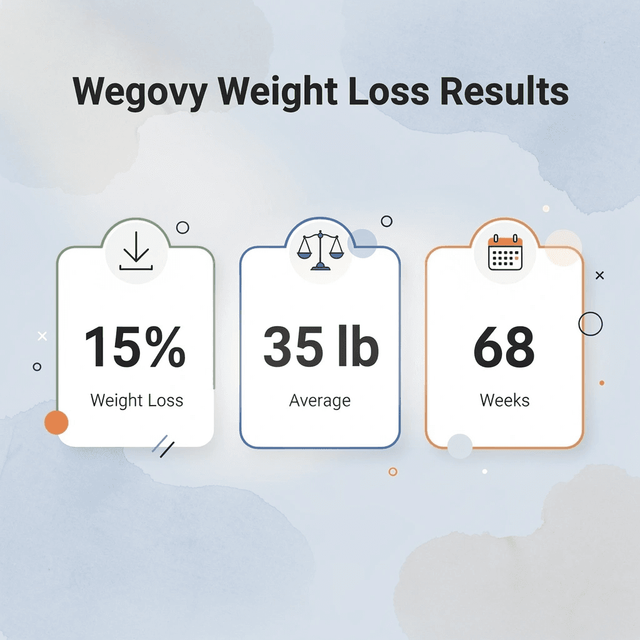
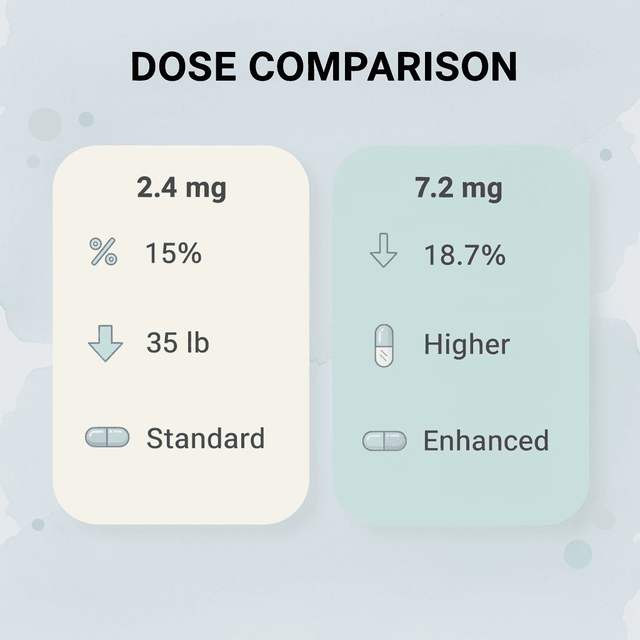
Adults who used Wegovy® 2.4 mg pen achieved, on average, 15% weight loss (~35 lb) after 68 weeks of treatment, while those on the 7.2 mg dose saw closer to 18.7% reduction. Wegovy works by reducing hunger, slowing stomach emptying, and improving insulin response. These processes require time as your body adjusts to each dose increase.
"Adults achieved on average 15% weight loss (~35 lb) after 68 weeks of treatment with Wegovy® 2.4 mg." — Wegovy Clinical Data
Dose | Average Weight Loss | Treatment Duration |
|---|---|---|
2.4 mg | 15% (~35 lb) | 68 weeks |
7.2 mg | 18.7% | 68 weeks |
How does the dose escalation phase set the pace?
You start Wegovy at 0.25 mg weekly, a dose below the threshold needed to reduce appetite. Every four weeks, your provider increases the dose by 0.5 mg, 1.0 mg, 1.7 mg, and eventually to 2.4 mg or 7.2 mg. This gradual increase allows your gastrointestinal system to adjust and reduces side effects like nausea or vomiting. During these first 12 to 20 weeks, you're preparing your body for full-strength medication without yet experiencing the steady appetite control that drives consistent calorie reduction.
Why do people experience different responses during escalation?
Some people feel their hunger drop after their first injection, then notice it returns days later. Others experience minimal change until reaching 1.7 mg or higher. This difference reflects how your individual receptors in the brain and stomach bind to semaglutide. The scale may barely move during the first two months; you're still in the adjustment phase, building toward the dose where Wegovy delivers results.
What happens when you reach therapeutic doses?
Around the three-month mark, most people see noticeable changes. Studies show an average of 5% body weight loss by this point, roughly 10 to 12 pounds for someone starting at 200 pounds. By six months, that average reaches 11%, and by 68 weeks on the 2.4 mg dose, participants typically reach 15%. Adults taking Wegovy® HD pen lost an average of 19% body weight (~47 lb) after 72 weeks at the 7.2 mg dose, with nearly half of participants dropping 20% or more of their starting weight.
Why does weight loss accelerate at this stage?
The shift happens because your appetite stabilizes at a lower baseline. You stop thinking about food constantly, portions feel excessive, and your body burns stored fat from a consistent caloric deficit. This isn't willpower; it's pharmacology that creates conditions in which eating less becomes easier.
How do tracking patterns reveal what the scale can't show?
When the scale stops moving for two or three weeks, it's easy to assume the medication stopped working. However, weight loss on Wegovy depends on dose timing, meal patterns, protein intake, side effects, and daily movement. A plateau during the week, you increased from 1.0 mg to 1.7 mg, may signal your body adjusting to the new dose, not treatment failure. A week where you felt nauseous and skipped meals might show no loss because your metabolism slowed in response to inadequate calorie intake, not medication failure.
Why does comprehensive tracking help identify plateau causes?
Most people track weight alone, making it impossible to determine whether slow progress stems from normal dose escalation, insufficient protein, reduced daily movement, or other factors. Solutions like MeAgain's GLP-1 app consolidate your medication schedule, meals, side effects, and weight trends in one place, helping you determine whether a plateau reflects your body's natural response to a recent dose change or a pattern that requires adjustment.
When you see that your weight has dropped consistently for three weeks after each previous dose increase, a temporary plateau during the current escalation phase stops feeling like a failure and starts to look like expected physiology. But knowing the timeline doesn't explain why some people lose steadily while others plateau for months at a time on the same dose.
Related Reading
- GLP-1 Plateau
- How Does GLP-1 Help You Lose Weight
- How Much Protein On GLP-1
- How Much Water To Drink on GLP-1
- Why Am I Not Losing Weight On GLP-1
- Can GLP-1 Cause Gastroparesis
- Can GLP-1 Cause Kidney Stones
- Which GLP-1 Has The Least Side Effects
- Does GLP-1 Cause Acid Reflux
What Causes Slow Weight Loss on Wegovy?
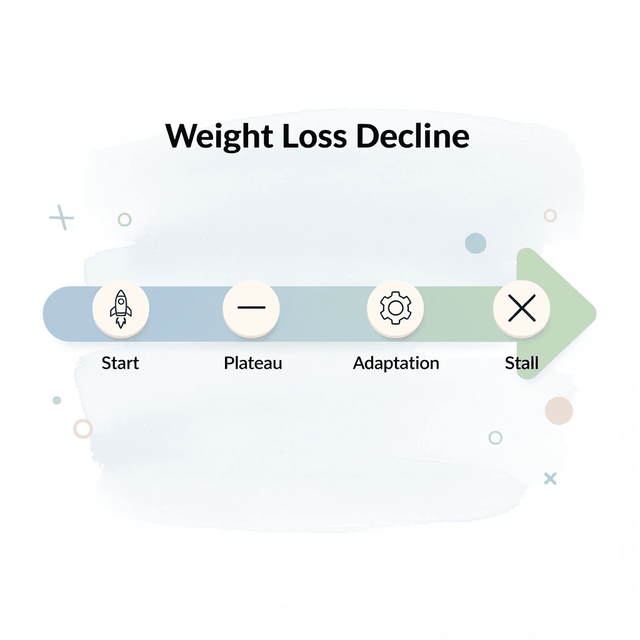
Slow weight loss on Wegovy usually signals metabolic adaptation, behavioral drift, or incomplete dose escalation. Your body adjusts to reduced calorie intake by lowering energy expenditure, while appetite suppression can fade between doses, creating inconsistent eating patterns.

"The body's metabolic rate can decrease by 15-20% during significant weight loss, making continued progress increasingly challenging without intervention." — Journal of Clinical Endocrinology, 2023
Common Cause | Impact on Weight Loss | Solution |
|---|---|---|
Metabolic Adaptation | 15-25% slower rate | Increase physical activity |
Behavioral Drift | 300-500 extra calories daily | Track food intake strictly |
Incomplete Dosing | 50% reduced effectiveness | Follow the escalation schedule |
You Haven't Reached Your Optimal Dose Yet
The Wegovy® 2.4 mg Pen 68-Week Study of 1,961 adults found that adults using the 2.4 mg maintenance dose lost an average of 15% of their weight, or about 35 pounds. The 7.2 mg dose showed stronger results: an average weight loss of 21% after 72 weeks. In this study, 90.7% of participants lost at least 5% of their starting weight, 82.4% lost at least 10%, and 66.5% lost at least 15%. If you're still in the escalation phase (weeks 1–20), your current dose isn't optimized for weight loss. The titration schedule prioritizes reducing side effects over maximizing results at each step. Wait until you've been on your maintenance dose for at least four weeks before assessing effectiveness.
You need to give it more time
Clinical trials measured final weight loss results at 72 weeks, roughly 15 months. Metabolism, age, starting weight, and health conditions create different response timelines. Forming new eating and movement habits takes an average of 66 days, and sustainable weight loss requires these behaviors to become automatic. Comparing your six-week progress to someone else's 18-month outcome creates false expectations that can lead to stopping treatment prematurely.
Why do people underestimate their food intake?
Appetite suppression makes portion control easier, but it doesn't eliminate the need for a calorie deficit. If you're not tracking intake, you're likely underestimating consumption by 20 to 30%, particularly with calorie-dense foods like nuts, oils, and sauces that don't trigger strong fullness signals.
A tablespoon of olive oil adds 120 calories. A handful of almonds adds 160. These additions accumulate faster than hunger warnings can catch them. Women need roughly 1,400 calories daily to maintain a 600-calorie deficit; men need around 1,900. Without measurement, even Wegovy's appetite blunting won't compensate for portion creep. Use a calorie-tracking app for two weeks and compare what you thought you were eating to what the data shows.
How can tracking tools prevent calorie drift?
When managing dose timing, meal logging, symptom tracking, and weight entries across multiple apps or notebooks, calorie drift can slip through the cracks. Tools like MeAgain consolidate shots, food, protein, side effects, and weight in one place, so you can see whether a plateau coincides with missed protein targets, inconsistent meal timing, or a dose change. That pattern recognition turns guesswork into adjustment.
Your Body Adapted Faster Than Your Habits
Your body adapts within weeks of sustained calorie restriction. Your resting energy expenditure drops as you lose muscle and your thyroid slows in response to reduced food intake. Non-exercise activity thermogenesis (calories burned through fidgeting, posture, and daily movement) also declines without notice. You're burning 10 to 15% fewer calories than you were at the same activity level three months ago, yet you haven't reduced food intake to match. This mismatch creates a plateau that can make it feel like the medication isn't working, but it reflects how your body typically responds. Increase daily movement, add resistance training to preserve muscle, and adjust your calorie targets every four to six weeks as your weight drops.
How does stress compensation affect your progress?
Losing weight increases cortisol levels, particularly when combined with calorie restriction and the physical stress of adjusting to a new medication. Elevated cortisol promotes abdominal fat storage and triggers cravings for high-carbohydrate and high-fat foods, which can override GLP-1's appetite-suppressing effects.
Long-term stress impairs sleep quality, which slows weight loss by altering hunger hormones like ghrelin and leptin. If you're sleeping fewer than seven hours nightly or managing unaddressed anxiety, these factors matter more than any medication adjustment.
What can you do to address stress-related plateaus?
Deal with the stress before you blame the medication. Yoga, walking, therapy, or even 10 minutes of daily breathing exercises can lower cortisol enough to restart your progress.
Finding out what's slowing you down matters only if you can stick with the changes long enough to see them work.
Related Reading
How Do You Maintain Weight Loss Progress With Wegovy?
Keeping progress going means treating Wegovy as part of a complete system, not a single solution. The medication controls hunger and slows stomach emptying, but your body will adapt, you may lose muscle, and your habits may slip without active effort to prevent this.

Matching your protein intake, resistance training, meal timing, and progress tracking with how the medication works removes the obstacles that stop weight loss.
Research from VCU Health shows that people who stop taking GLP-1 medications regain about two-thirds of the weight they lost within one year. Keeping the weight off requires ongoing behavioral changes as important as the medication itself: an active process of matching your daily habits with your body's changing metabolism.
1. Consider making changes to your diet
Most clinical studies paired Wegovy with intensive dietary counseling because food choices determine whether appetite suppression translates into actual fat loss. Eating less while prioritizing processed foods high in sugar and refined carbs hinders blood sugar stabilization and the preservation of lean tissue.
Start with small, sustainable shifts: replace sweetened drinks with water, add vegetables to one meal, or swap processed snacks for Greek yogurt. These pattern interruptions compound over weeks, making it easier to maintain a calorie deficit without feeling deprived.
Why does protein matter for maintaining metabolism?
Protein deserves special attention because it prevents your metabolism from slowing down. When your body loses weight, it also loses muscle mass, which lowers your resting metabolic rate. Eating enough protein throughout the day helps preserve muscle and keeps your metabolism higher than it would otherwise be.
Fiber from fruits, vegetables, and legumes adds volume to meals without excess calories, helping you feel full on smaller portions. Avoiding alcohol and added sugars removes empty calories that don't satisfy hunger, leaving room for nutrient-dense foods that support fat loss.
2. Move your body in a way that feels good to you
Exercise protects against muscle loss during weight reduction, which is critical because muscle tissue burns more calories than fat at rest. Strength training two to four times per week (with weights, resistance bands, or bodyweight exercises) signals your body to preserve lean mass, thereby reducing the metabolic slowdown that accompanies calorie restriction.
Aerobic activity like walking, swimming, or cycling adds cardiovascular benefits and increases daily calorie burn. The combination of both prevents your body from adapting to fewer calories.
What makes exercise sustainable long-term
The key is consistency, not intensity or duration. A 20-minute walk you actually do beats an hour-long gym session you skip. Find movement you enjoy enough to repeat; routines you stick with outperform perfect ones you abandon after three weeks.
3. Find social support
Losing weight happens on your own, but keeping it off usually doesn't. People who spend time with others committed to staying active and eating well tend to stick with these habits longer because their environment makes healthy choices easier and more normal. Group exercise helps people stay committed: when someone is counting on you to show up, you're more likely to follow through even on days when motivation wanes.
4. Consider switching medications
If you've reached the maximum 7.2mg dose of Wegovy without seeing expected results (at least 5% body weight loss after several months at therapeutic levels), another GLP-1 medication might work better for your body. Tirzepatide (sold as Zepbound or Mounjaro) targets both GLP-1 and glucose-dependent insulinotropic polypeptide (GIP), resulting in greater appetite suppression and weight loss in people who don't fully respond to semaglutide alone. Individual responses vary, and what works for most people won't work for everyone.
5. Align eating with appetite suppression windows
GLP-1 medications reduce hunger most immediately after injection, then gradually wear off before your next dose. During this weaker period (usually days five through seven), larger meals or frequent snacking can offset earlier calorie reduction. Schedule protein-rich, satiating meals for when medication is weaker, and use stronger-medication days to practice eating smaller portions.
6. Maintain metabolic output through resistance training
Adaptive thermogenesis lowers your baseline metabolic rate during prolonged calorie restriction, causing you to burn fewer calories at rest. Resistance training counteracts this by maintaining or building muscle mass, which keeps your resting energy expenditure higher. Two to four sessions per week signal your body that muscle is still needed, preventing the steeper metabolic drop that occurs with diet alone.
7. Reframe progress tracking
A scale measures your total body weight: fat, muscle, water, glycogen, food in your digestive system, and more. A two-pound overnight increase doesn't mean you gained two pounds of fat; it usually reflects water retention from sodium, hormones, or carbohydrate intake refilling glycogen stores.
Focusing too much on daily or weekly changes misinterprets normal biological variation as failure, which can hurt your motivation. Track waist circumference, how your clothes fit, strength improvements, or weekly weight averages instead of single data points. These metrics reveal fat loss trends that daily weigh-ins obscure.
How can you simplify tracking multiple variables?
Most people track variables (dose timing, meals, protein, exercise, weight trends, side effects) across multiple apps and notes, creating decision fatigue and obscuring patterns that explain stalled progress. MeAgain consolidates shot schedules, food logs, protein targets, symptom tracking, and weight trends in one place, so you can identify whether plateaus coincide with missed workouts, lower protein intake, or the low-suppression window of your injection cycle.
Instead of guessing what changed, you see exactly which variables shifted and when. When adequate protein intake, consistent resistance training, strategic meal timing, and accurate interpretation of progress align, weight loss on Wegovy becomes more predictable. But knowing what to do differs from having a way to track whether you're doing it.
Turn Slow Weight Loss on Wegovy Into Consistent Progress With MeAgain
The difference between slow weight loss and steady progress comes down to visibility. You know the variables that matter: protein intake, hydration, training consistency, and how your body responds across each injection cycle. The challenge is keeping all of them visible without turning tracking into a burden.

"When you connect a slower week to lower protein intake during peak suppression, it stops feeling random. You adjust, and progress resumes." — Real user experience with systematic tracking
MeAgain brings this together: one place to track your injection schedule, daily protein and fiber intake, hydration, movement, and weight trends. Instead of reconstructing your week from memory when the scale doesn't move, you see exactly how the inputs aligned with the outcome.

Scattered Approach | MeAgain System |
|---|---|
Multiple apps and tools | One integrated platform |
Memory-based connections | Visual data relationships |
Daily weight obsession | Pattern-based progress |
Random feeling plateaus | Clear cause-and-effect |