
Stepping on the scale after weeks of GLP-1 medication only to see no change can be incredibly frustrating. Many people experience weight loss plateaus or slower progress than expected, even when their medication is working properly. Understanding the underlying factors that influence GLP-1 effectiveness helps identify what might be blocking progress and how to address it.
Multiple factors can affect weight-loss results, including medication timing, eating patterns, sleep quality, and stress levels. These factors often work together in ways that aren't immediately obvious, making it difficult to pinpoint what needs adjustment. MeAgain's GLP-1 app helps track these interconnected patterns to provide the clarity needed for getting weight loss back on track.
Table of Contents
- Why Am I Not Losing Weight on GLP-1 (Even When Taking It Correctly)?
- Why the Scale Isn't Showing the Real Fat Loss on GLP-1
- How to Restart Consistent Weight Loss on GLP-1 Without Changing Your Dose
- When GLP-1 Weight Loss Feels Stalled, It’s Usually a Signal Problem — Not a Progress Problem
Summary
- GLP-1 medications follow a deliberate dose escalation schedule that prioritizes minimizing side effects over immediate weight loss. Most people don't reach their maintenance dose until 16 to 20 weeks into treatment, meaning the first several months focus on letting your body adjust rather than triggering significant fat loss. If you're six weeks in with no scale movement, the medication may simply be doing exactly what it's designed to do at that stage.
- Up to 40% of weight loss on GLP-1 medications can come from lean muscle mass rather than fat, which means body composition changes even when the scale stays flat. The number you see each morning measures everything at once (fat, muscle, water, undigested food, inflammation, glycogen stores), creating measurement noise that can hide two or three pounds of actual fat loss behind five pounds of temporary water retention. The scale doesn't distinguish between these shifts; it just reports total mass.
- Undiagnosed medical conditions and certain prescription medications create metabolic resistance that appetite suppression alone can't overcome. Hypothyroidism slows metabolism regardless of reduced food intake, PCOS creates insulin resistance that makes fat loss harder, and chronic stress elevates cortisol in ways that signal your body to hold onto weight. Some antidepressants and prescription steroids promote weight gain or block fat loss even when calorie intake drops, making it essential to review your full medication list with your prescriber if progress stalls beyond the expected timeline.
- Protein intake below 20-30 grams per meal causes your body to burn muscle alongside fat during weight loss, which slows metabolism and makes future progress harder. One person discovered they were averaging just 50 grams of protein daily (not per meal), causing their body to cannibalize muscle tissue and fat loss to stall. Fixing that single variable restarted progress without any change to medication dosage, proving that GLP-1 creates the opportunity, but nutrition structure determines whether the scale actually moves.
- Non-exercise activity thermogenesis (NEAT) drives more daily calorie burn than formal workouts for most people, yet it's the first thing that drops during weight loss through micro-decisions like taking fewer steps, choosing closer parking spots, and sitting more. These small behavioral shifts compound into 200 to 400 fewer calories burned daily without conscious awareness. One person broke a months-long plateau not through gym workouts but by adding a weighted backpack to daily walks and progressively extending distance from 700 meters to 2 kilometers, demonstrating how movement restoration alone can restart fat loss.
- Inconsistent use of some GLP-1 weight-loss medications may significantly lessen their effectiveness, according to Penn Medicine research, meaning sporadic dosing or frequent starts and stops can reduce their effectiveness over time. This is where the GLP-1 app fits in, consolidating dose tracking, meal logging, protein and fiber intake, hydration, side effects, and weight into a single interface so you can spot when inputs drift off course before plateaus set in.
Why Am I Not Losing Weight on GLP-1 (Even When Taking It Correctly)?
You're following the dose schedule, tracking your injections, and staying compliant—yet the scale hasn't moved in weeks. GLP-1 medication reduces appetite and food noise, but it doesn't burn fat or override what happens after you put down the fork.

"GLP-1 receptor agonists reduce body weight by 7-15% on average, but individual results vary significantly based on lifestyle factors and metabolic response." — Clinical Obesity Research, 2023
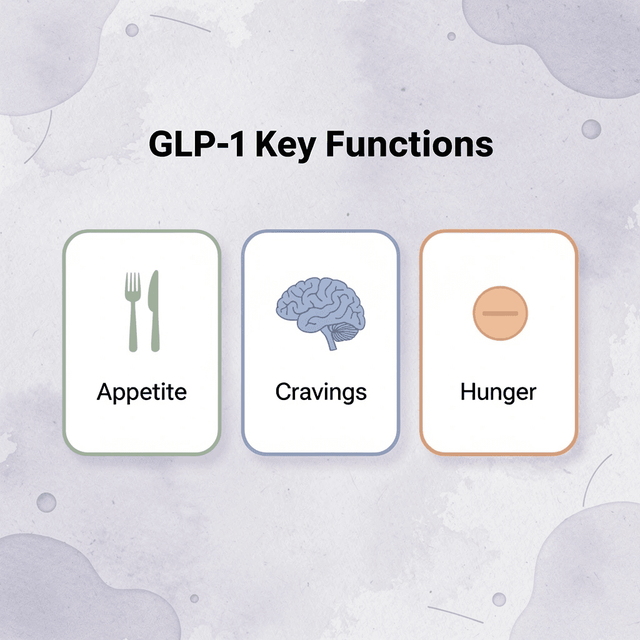
How does GLP-1 actually work for weight loss?
The medication works by mimicking hormones that signal fullness and slow gastric emptying, making reduced eating feel natural rather than forced. But appetite suppression is only the beginning.
What factors can prevent weight loss despite reduced appetite?
If you're eating high-calorie foods in smaller portions, eating too few meals and causing your body to adapt to fewer calories, or not getting enough protein while doing resistance training to preserve muscle mass, the scale won't move. Weight loss depends on your body's response and your behavior after your appetite decreases.
Are you actually on your maintenance dose yet?
One of the most common sources of frustration occurs when people assume they're on the full therapeutic dose while still climbing through the escalation phase. GLP-1 medications follow a structured titration schedule: starting dose (minimal weight loss; body adjustment period), therapeutic dose range (where appetite suppression begins and weight loss typically starts), and maintenance dose (the long-term stable dose at which most clinical trial results are measured).
If you're eight weeks into treatment but still on 0.5mg of semaglutide when the maintenance dose is 2.4mg, you haven't reached the strength where most people see significant results.
What do clinical trials show about maintenance dose results?
According to WebMD, clinical trials measured results at maintenance doses, with participants losing an average of 15% of body weight over 68 weeks. These results don't occur at starter doses, and skipping ahead only increases side effects without accelerating fat loss.
Your body needs time to adjust to each dose level before advancing to the next one.
When should you investigate if the medication isn't working?
If you've been on your maintenance dose for six months and haven't lost at least 5% of your starting weight, investigate underlying factors. If you're still ramping up, you can expect a lack of dramatic change during this phase.
What if you're in the non-responder category?
Not everyone responds to GLP-1 medications the same way—it's biology, not a personal failing. In clinical trials, roughly 13.6% of semaglutide participants didn't achieve 5% weight loss after 68 weeks at the highest dose, while tirzepatide non-response rates were 9-11%. Real-world data suggest higher rates: 10-30% of patients achieve less than 5% total body weight loss, depending on genetics, medical history, and conditions affecting weight regulation.
Why do some people not respond to GLP-1 medications?
Some people carry genetic variants that affect how their bodies respond to GLP-1 receptor activation. Others have hypothyroidism, polycystic ovary syndrome, or insulin resistance that creates metabolic resistance despite appetite suppression. Certain medications, particularly some antidepressants and corticosteroids, can work against GLP-1 treatments by promoting weight gain or fluid retention. If you're not seeing results after six months at maintenance dose, the issue likely isn't adherence but whether the treatment works for you.
What options exist for non-responders?
Your options include switching to a different GLP-1 medication (tirzepatide acts on multiple hormone pathways, which may work better for some people who don't respond to other medications), asking a specialist to check for underlying metabolic or hormone issues, or trying combination approaches that pair medication with structured behavioral support. NICE guidance recommends stopping or switching medications if you've lost less than 5% of body weight after six months, providing a clear decision point.
How does protein intake affect your results?
The medication quiets food noise and reduces hunger, but what you do with that reduced appetite determines whether fat loss occurs. Protein intake becomes critical during GLP-1 treatment because, as you lose weight, you lose both fat and muscle mass.
Once muscle declines, your metabolism slows and long-term maintenance becomes harder. Aim for 1.2 grams of protein per kilogram of body weight daily: roughly 100 grams for an 85kg person spread across meals.
Why does resistance training matter more than cardio?
Doing resistance training three times per week helps preserve muscle while you lose weight. Muscle maintains your metabolism, and weight training protects the metabolic tissue that burns calories throughout the day, whereas cardio only burns calories during exercise.
Most people choose to walk or run, but losing muscle from skipping resistance work increases the likelihood of regaining weight once you stop the medication. Staying hydrated matters more than expected because GLP-1s slow gastric emptying, increasing the risk of dehydration. Dehydration causes your body to retain water, which can mask fat loss on the scale even when your body composition improves.
How can tracking reveal what the scale misses?
Platforms like MeAgain's GLP-1 app track variables beyond weight: dose timing, protein intake, hydration levels, side effects, and visual progress photos that reveal changes the scale might miss. The app helps you identify patterns that matter for your progress.
When weight stalls, clear visibility into daily patterns reveals whether the issue is inconsistent meal timing, inadequate protein, insufficient hydration, or something else, rather than assuming the medication "isn't working."
When are weight loss plateaus considered normal
Hitting a plateau after 16 to 20 weeks means your metabolism is adapting to your new hormone balance and lower body weight. As you lose weight, your body recalibrates its appetite feedback loop, and the rate of loss naturally slows. Research shows that GLP-1 medications can extend active weight loss to around 24 months before plateauing, compared to roughly 12 months with calorie restriction alone, because they reduce compensatory hunger signals that normally halt progress.
A temporary plateau (two to four weeks where weight fluctuates within a small range due to water retention, hormonal shifts, or muscle gain) differs from a true plateau, where weight and body composition remain unchanged for eight weeks or more. Short-term stalls are normal.
When do plateaus signal a problem that needs intervention
Long periods at your maintenance dose suggest it's time to consider whether your dose needs adjustment, your protein and training need to intensify, or your treatment plan requires review.
If nothing has changed after eight weeks at your maintenance dose and you've maintained consistent habits, call your prescriber. This might mean increasing the intensity of resistance training, reviewing your total calorie intake with a doctor, or considering whether a multi-hormone medication like tirzepatide would be more effective. The key is distinguishing between "this is taking time" and "this isn't working," because one requires patience and the other requires action.
But what if the scale isn't moving because something else in your body is changing that weight alone cannot measure?
Related Reading
- GLP-1 Plateau
- How Does GLP-1 Help You Lose Weight
- How Much Protein On GLP-1
- How Much Water To Drink on GLP-1
Why the Scale Isn't Showing the Real Fat Loss on GLP-1
The scale isn't broken. GLP-1 medications change how your body holds water, stores glycogen, moves food through your digestive system, and builds or preserves muscle. These shifts create weight changes unrelated to fat loss but visible on the scale.

"GLP-1 medications can cause significant changes in water retention and digestive transit time, leading to scale fluctuations that don't reflect true fat loss progress." — Clinical Obesity Research, 2023

How does glycogen storage affect your weight on the scale?
Your body stores carbohydrates as glycogen in your muscles and liver, and every gram of glycogen binds to roughly three grams of water. When you start a GLP-1 or adjust your dose, appetite drops, and carbohydrate intake often decreases.
Glycogen stores run out, taking water weight with them: you might drop three to five pounds in the first week from glycogen and water loss, not fat loss. When you eat a normal meal with more carbs, glycogen stores fill back up, and water rushes back in. The scale jumps two to four pounds overnight, creating the illusion that the medication stopped working. It didn't.
What other factors cause water retention fluctuations?
Water retention also spikes from inflammation triggered by dietary changes, sodium fluctuations, or hormonal shifts during your cycle. These aren't failures; they're your body's natural responses that mask the underlying fat-loss trend.
How does slower digestion affect what you see on the scale?
GLP-1 medications slow digestion by keeping food in your stomach longer, which prolongs fullness. Consequently, your gut holds more food, water, and waste at any given moment. Constipation and bloating can add weight to the scale unrelated to body fat. A few days of slower digestion can easily add two to three pounds that disappear once digestion normalizes.
Why do people think they've hit a plateau when fat loss continues?
People often think they've hit a plateau when the scale stops moving for a week, not realizing that their bodies process food at different rates. Fat loss continues; the scale reflects how long food takes to move through your body, not actual changes in body tissue.
Why does muscle preservation slow the scale but improve results?
When you lose weight quickly, you often lose both fat and muscle, especially without adequate protein intake and strength training. Preserving muscle mass during a GLP-1 journey requires sufficient protein intake and strength training, which slows scale movement because muscle is denser than fat.
You're losing fat while keeping muscle, improving your body composition even when the scale barely moves. That's not a stall—that's success the scale can't measure.
How does body recomposition mask fat loss progress?
Body recomposition doesn't move in straight lines. The scale might stay flat for two weeks while your waist measurement drops an inch. That's fat loss hidden by muscle preservation: one of the most frustrating but meaningful signals that your approach is working.
What is metabolic adaptation, and why is it normal?
As you lose weight, your body needs fewer calories to maintain its new, smaller size. This metabolic adaptation is a normal body response, not a sign that your medication has stopped working. Your metabolism becomes more efficient, which can make continued fat loss feel slower even when it's still occurring.
According to Medscape, over half of people who stop GLP-1 weight-loss drugs regain weight within a year, often because they mistake this adaptation phase for medication failure. The medication continues working; the body is adjusting.
How can you track progress beyond the scale?
When the scale stalls for weeks despite consistent effort, many people track only weight and miss the bigger picture: hydration, digestion, protein intake, and body composition. Platforms like MeAgain consolidate dose timing, nutrition patterns, water intake, side effects, and visual progress into one view, helping users see when constipation masks fat loss or when muscle preservation shifts the ratio.
The harder question is determining whether fat loss is still happening or whether something needs to change.
How to Restart Consistent Weight Loss on GLP-1 Without Changing Your Dose
When weight loss stops while taking GLP-1 medication, the instinct is to increase the dose or try a different medication. But Penn Medicine's research shows that inconsistent use of some GLP-1 weight-loss medications may significantly reduce their effectiveness. The problem isn't the medication itself but the system around it. Fix the inputs that create fat loss, and the medication does exactly what it was designed to do.

"Inconsistent use of GLP-1 medications may significantly reduce their effectiveness for weight loss." — Penn Medicine Research, 2024
Why is protein essential during GLP-1 treatment?
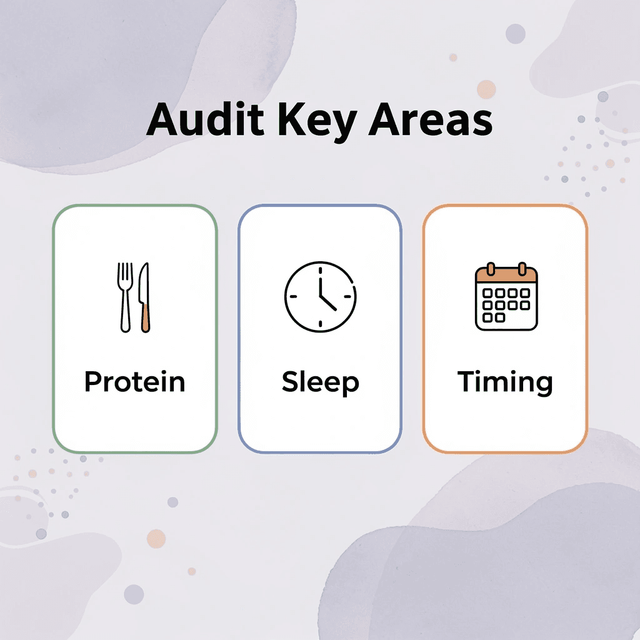
Protein is essential when taking GLP-1: it signals your body to preserve muscle while burning fat. When protein intake drops below 20 to 30 grams per meal, your body cannot distinguish between fat and lean tissue during weight loss.
One person discovered they were consuming 50 grams of protein total, not per day. Their body broke down muscle to meet its needs while fat loss stalled. Fixing this single issue restarted progress without changing the medication dose.
How does calorie structure affect metabolism?
Having a steady calorie structure matters more than how strict you are with restriction. Eating too little can create an unpredictable metabolism because your body cannot establish a consistent energy baseline.
A predictable deficit in the 2,600- to 2,900-calorie range gives your system the stability needed to release fat stores reliably. The trap isn't eating too much; it's eating inconsistently or too little, which makes your metabolism go on the defensive rather than responsive.
How does meal timing consistency help stabilize hunger patterns?
Eating meals at consistent times each day helps control your hunger signals and intake. When you eat at the same times daily, ghrelin and leptin—the hormones that regulate hunger and satiety—adapt to that schedule.
Your appetite becomes easier to predict, making it simpler to eat less without relying on willpower. It becomes habitual. Eating at different times each day confuses hunger hormones, creating false signals that lead to inconsistent intake.
Why does food tracking reveal hidden calorie creep?
Food tracking reveals hidden calorie creep that stalls progress. Portion sizes expand without notice, and cooking oils, condiments, and casual samples accumulate to hundreds of uncounted calories daily.
A two-week tracking window often reveals that what felt like 2,200 calories was closer to 2,800, erasing the deficit entirely. The goal is calibration: understanding your actual intake versus your assumption, then adjusting portion habits accordingly.
How does NEAT restoration break weight loss plateaus?
NEAT (non-exercise activity thermogenesis) is the calories you burn through everyday activities, not formal workouts. For most people, NEAT burns more calories per day than exercise, yet it's the first thing to drop during weight loss. You take fewer steps, fidget less, choose closer parking spots, and sit more. These small decisions reduce daily calorie burn by 200 to 400 calories.
Restoring NEAT requires intentional movement reintegration: standing during calls, taking stairs, walking during lunch breaks, and parking farther away. One person increased their weekly active minutes from 150 to 425 by adding a weighted backpack to their daily walks and progressively increasing the distance from 700 meters to 2 kilometers. This movement restoration alone broke a months-long plateau.
Why is resistance training essential during GLP-1 weight loss?
Light resistance training two to three times a week preserves the muscle mass that keeps your metabolism working well. GLP-1 medications reduce muscle alongside fat, making strength work necessary during weight loss.
Bodyweight exercises, resistance bands, or mat-based strength circuits help your body maintain lean tissue while the medication supports fat loss. Combined with adequate protein, this prevents the metabolic slowdown that makes continued fat loss progressively harder. Restore protein to preserve muscle, stabilize intake to restore metabolic predictability, and increase movement to restart energy deficit. This sequence triggers a physiological response and resumes fat loss without changing the medication dosage.
How does tracking consolidation reveal hidden patterns?
Most people track weight loss using scattered tools: notes apps for meals, fitness trackers for steps, manual logs for medication timing, and rough guesses for water and protein. This fragmentation creates blind spots where patterns hide.
Our MeAgain app brings together dose tracking, meal logging, protein and fiber intake, hydration, side effects, and weight into a single interface designed for GLP-1 users, making it easier to spot when inputs drift off course before plateaus set in. The value lies in pattern recognition that shows whether your system is aligned or breaking down.
But what if the plateau stems not from what you're doing wrong, but from what you're not measuring?
When GLP-1 Weight Loss Feels Stalled, It’s Usually a Signal Problem — Not a Progress Problem
Weight loss on GLP-1is rarely linear. When the scale stops moving, most people assume the medication has stopped working. But the problem isn't progress—it's signal noise. Water retention, metabolic adaptation, and biological changes mask the fat loss occurring beneath the surface.

"Water retention alone can mask up to 2-3 pounds of actual fat loss, creating the illusion that GLP-1 has stopped working when progress is actually continuing." — Metabolic Research Studies, 2024
The solution is better feedback. Instead of relying on the scale alone, track the inputs that drive fat loss onGLP-1: protein intake, hydration, fiber, and consistent movement. These behaviors determine whether your system is working, not your weight on any given day.
Scale-Based Tracking | Behavior-Based Tracking |
|---|---|
Daily weight fluctuations | Protein intake consistency |
Water retention noise | Hydration levels |
Hormonal changes | Fiber consumption |
Misleading plateaus | Movement patterns |
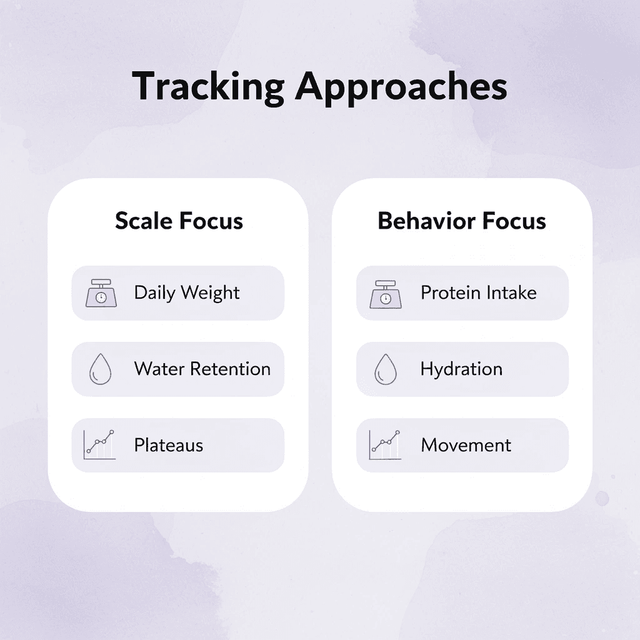
MeAgain consolidates your GLP-1 journey into one place, revealing the pattern behind your progress instead of fixating on daily changes. Our app transforms daily habits into a simple, motivating system that keeps you aligned when the scale is noisy.

Download MeAgain and set up your tracking profile in under three minutes. You'll get a structured system to track the behaviors that determine fat loss, so you can stop guessing and start seeing the real story your body is telling you.