Foundayo side effects: overview, prevalence, and onset
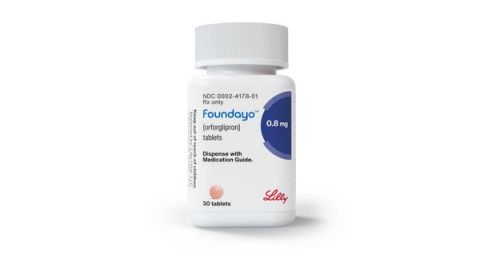
Foundayo (orforglipron, manufactured by Eli Lilly) is the first non-peptide small-molecule oral GLP-1 medication to receive FDA approval, cleared on April 1, 2026 for chronic weight management. Because orforglipron is a small molecule (around 528 Da)—far smaller than peptide GLP-1s like semaglutide or tirzepatide (which are ~4,000+ Da proteins)—it survives stomach acid without special coatings or absorption-boosting additives. That chemistry is what eliminates the fasting requirement every other oral GLP-1 carries.
Side effects follow the same broad GLP-1 pattern: nausea, diarrhea, constipation, and vomiting dominate, driven by the drug slowing stomach emptying to keep you full longer. In the ATTAIN-1 obesity trial (Wharton et al., NEJM 2025, n=3,127, 72 weeks, using trial doses of 6/12/36 mg rather than the approved 0.8–17.2 mg schedule), any adverse event was reported in 83–87% of active-arm participants versus 80.5% on placebo—a relatively narrow gap suggesting most events were mild. Discontinuation for any adverse event was 5.3% at the trial 6 mg arm, rising to 10.3% at 36 mg, compared with 2.7% on placebo. The approved dose schedule tops out at 17.2 mg, meaningfully below the trial’s maximum, so real-world tolerability is expected to be better than what the highest trial arm showed.
GI adverse events in ACHIEVE-1 (the type 2 diabetes trial, Rosenstock et al., NEJM 2025, n=559, 40 weeks) offer the most detailed symptom-level breakdown: nausea 13–18%, diarrhea 19–26%, dyspepsia 11–20%, constipation 8–17%, vomiting 5–14%—all rising with dose. Symptoms cluster around dose step-ups. After each monthly increase, there is a brief re-adjustment window, usually lasting 7–10 days, before GI effects settle back down.
How long do Foundayo side effects last?
For most people, the worst GI side effects from Foundayo last about 2–4 weeks from the start of each new dose step and then fade as drug levels stabilize. The first weeks at 0.8 mg are typically the initial adjustment—not because the dose is high, but because your body is meeting the drug for the first time. Most people notice meaningful improvement by week 3 even without dose changes.
Because orforglipron has a half-life of approximately 24 hours (FDA label §12.3), steady-state levels are reached within about 5 days of once-daily dosing. That steady persistence produces smoother blood-level curves than weekly injections—no pronounced peak-and-trough of once-weekly dosing. Many people on Foundayo describe a lower-level early nausea that fades gradually rather than a sharp weekly spike.
Each step-up reintroduces a short adjustment window. Moving from 0.8 mg to 2.5 mg at month 2 often brings nausea back for a few days before the body adjusts. By the time you reach 9 mg and 14.5 mg, most people have learned which meals sit well and which do not—and the adjustment windows tend to get shorter because the gut has already adapted to the drug.
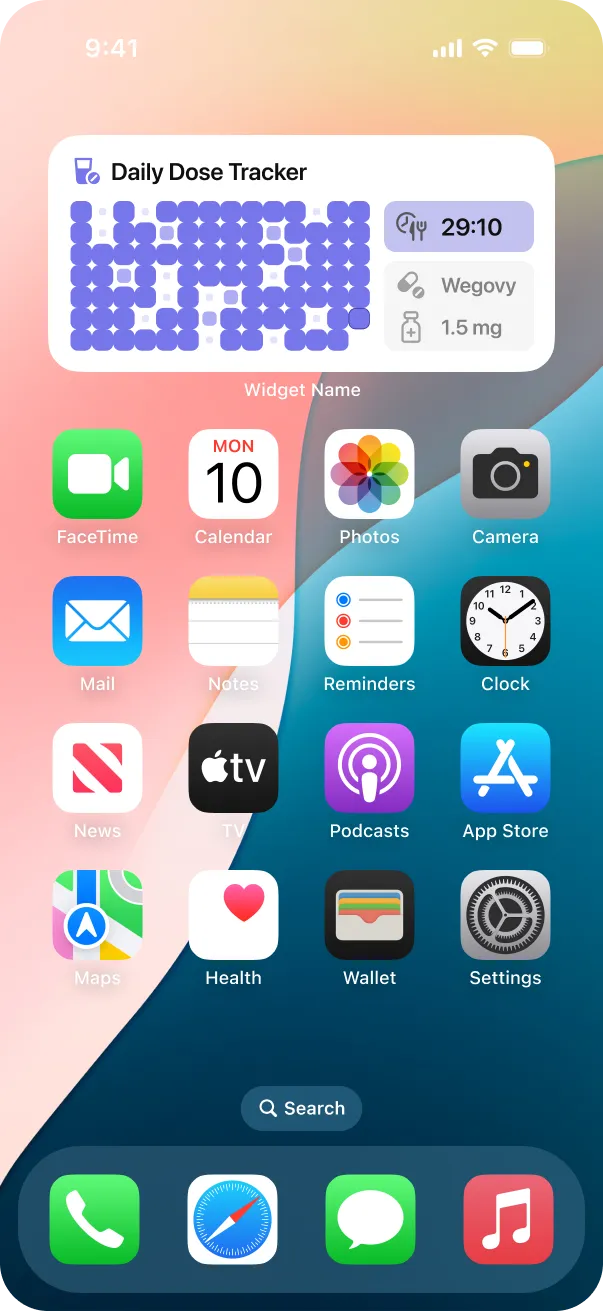
“This app has been so helpful in helping me understand how my medication builds in my system from week to week. I would've been so lost without the graph”
One consistent finding from people who track symptoms alongside meals: knowing the pattern makes it feel less random. When you can see that nausea is worst in the 2–3 hours after a high-fat meal rather than all day, you have a variable you can actually change.
Which Foundayo side effects are serious red flags?
Most Foundayo side effects are uncomfortable but not dangerous. A smaller group are genuine red flags: pancreatitis, gallbladder disease, severe allergic reactions (including anaphylaxis), kidney injury from dehydration, and low blood sugar in people who also take insulin or a sulfonylurea—a type of diabetes pill that lowers blood sugar regardless of your current glucose level, such as glipizide, glimepiride, or glyburide. The FDA FOUNDAYO label also carries the most prominent FDA warning about thyroid C-cell tumors—see the thyroid section below for important context unique to this drug. The drug is contraindicated when there is a personal or family history of medullary thyroid cancer, or MEN 2 (Multiple Endocrine Neoplasia syndrome type 2).
The most important red flag is severe, persistent stomach pain—especially if it radiates to your back, comes with vomiting that does not stop, or if you also notice yellowing of the skin or eyes. These can signal pancreatitis or gallstones, and both need a doctor the same day. Call first; go to urgent care or the ER if you cannot reach your doctor quickly.
Allergic reactions are in the FDA label. Anaphylaxis and angioedema (severe facial or throat swelling) have been reported with GLP-1 medications. If you notice a rash spreading to the face, lips, or tongue alongside trouble breathing after taking Foundayo, call 911—this is a medical emergency.
!Call your doctor right away if you notice any of these
- Severe stomach pain that won’t go away
- pain that spreads to your back
- vomiting that lasts more than 24 hours
- yellow skin or eyes
- fast heartbeat with sweating or confusion
- a new or growing lump in your neck
- sudden changes in your vision
- trouble breathing or a rash with swelling of the face, lips, or tongue.
Does Foundayo cause nausea, and how do you manage it?
Nausea is the most commonly discussed GLP-1 side effect, and Foundayo is no exception—ACHIEVE-1 reported nausea in 13–18% of participants at the doses studied. The mechanism is the same as with injectable GLP-1 medications: Foundayo slows stomach emptying (intentionally—it keeps you full longer), but that slower transit means food and acid sit in the stomach longer than usual. What makes Foundayo different from other oral GLP-1s: you do not need to fast before taking it, which removes one common trigger of nausea on oral semaglutide products.
Three tactics work for most people: eat small protein-first meals rather than large ones, stay well hydrated throughout the day, and ask your doctor about holding a dose level for an extra month if a step-up is rough. Nausea is strongest when your stomach is empty for a long stretch or when you eat large, high-fat meals—so the move is to eat before you feel very hungry, keep portions moderate, and lead with protein.
Protein-first strategy for managing nausea
- Take Foundayo at whatever time of day works best for your routine—morning, midday, or evening. Consistency matters more than timing.
- If nausea is a problem, pair the tablet with a small protein-first meal: Greek yogurt, eggs, a protein shake, or chicken and rice.
- Avoid very greasy, fried, or large meals in the hours after taking the tablet during dose step-up weeks.
- Try ginger tea, ginger candies, or peppermint for mild queasiness between meals.
- If nausea is still significant at week 3, ask your doctor whether staying at the current dose for another month makes sense before stepping up.
“If you are in your GLP-1 journey, this app will be your best friend. It tracks all your food intake and macros, your activity level, medication level, side effects. 100% recommended.”
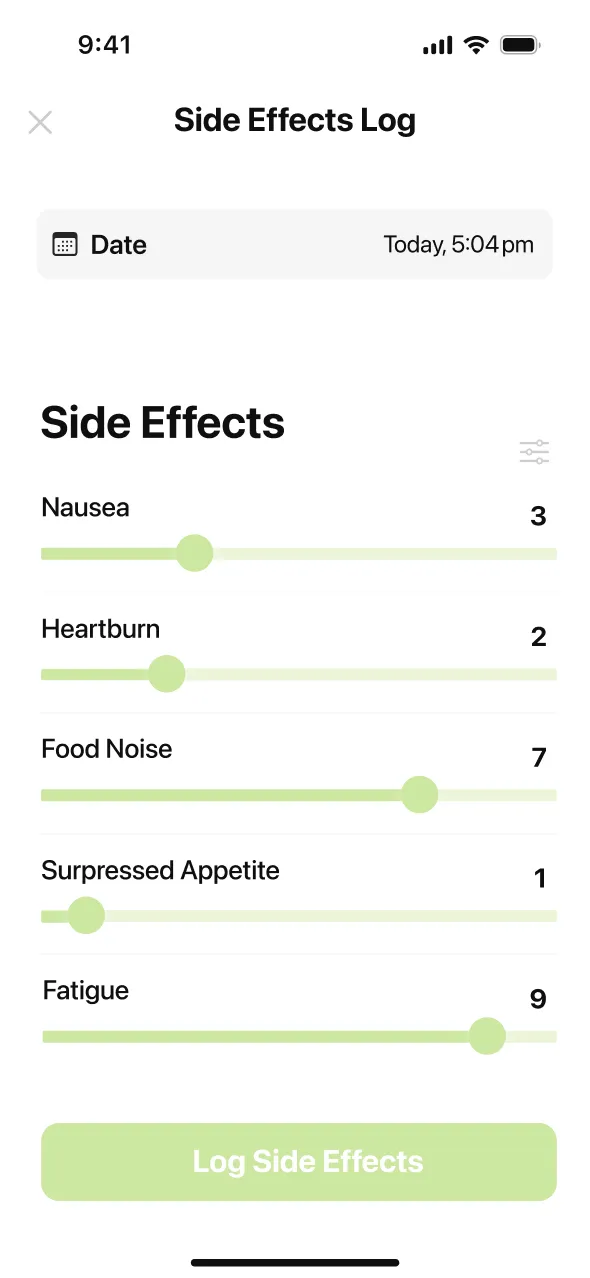
Logging side effects alongside food and hydration gives you something concrete to bring to your next appointment. A daily one-line note—nausea on a 1-to-10 scale, what you ate, how much water you got in—turns the first month from a fog of sensations into a pattern you can discuss with your doctor. As MeAgain reviewer Stefanig31 put it: “It tracks all your food intake and macros, your activity level, medication level, side effects.” The patterns usually surface within two weeks: certain meals trigger more nausea, the energy dip lands at a predictable hour, rougher days follow lower-water days.
Does Foundayo cause diarrhea?
Diarrhea is one of the most frequently reported GI effects—ACHIEVE-1 showed rates of 19–26% across doses studied, making it comparable to other GLP-1 medications. It usually starts in the first one to two weeks after starting or stepping up and is almost always mild. Common triggers are very high-fat meals and sugar alcohols (sorbitol, xylitol, erythritol—found in protein bars and sugar-free snacks). Stay hydrated, cut back on greasy food for a few days, and eat bland foods—rice, bananas, toast, boiled potatoes—until it settles. If diarrhea is bloody, lasts more than 3 days, or comes with signs of dehydration such as dark urine or dizziness when standing, call your doctor.
Does Foundayo cause vomiting?
Vomiting is reported in 5–14% of participants in ACHIEVE-1 at the doses studied, rising with dose. The mechanism is the same as other GLP-1 medications: slowed stomach emptying pushes food back up when you eat too much, too fast, or too greasy. The practical rule: eat half of what feels like a normal portion, chew slowly, and stop the moment fullness kicks in. Vomiting that lasts more than 24 hours or keeps you from holding down any fluids is a red flag—call your doctor that day, because dehydration from sustained vomiting can stress the kidneys.
Does Foundayo cause constipation?
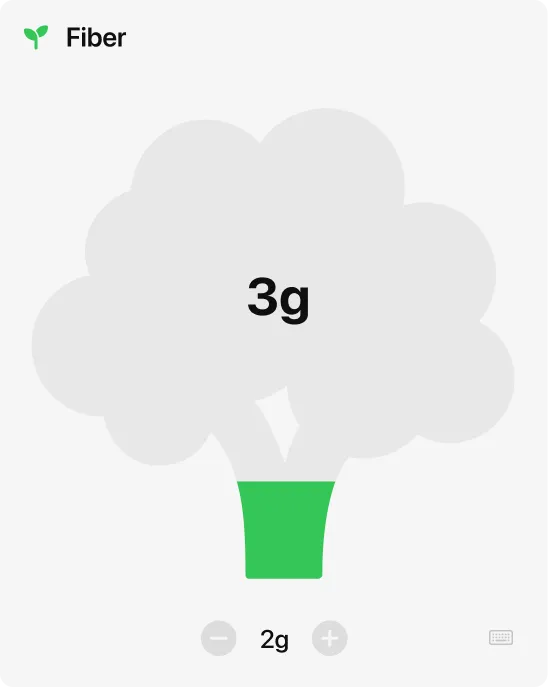
Constipation appears in 8–17% of people in ACHIEVE-1 at the doses studied. Foundayo slows digestion as part of how it keeps you full, but slower transit also dries out stool. The fix is straightforward: more water, more fiber (25–35 grams a day from vegetables, legumes, chia seeds, or ground flax), and daily walking. If fiber and water are not enough, ask your pharmacist about an over-the-counter stool softener such as docusate or an osmotic laxative such as magnesium citrate. If you go more than 3 days without a bowel movement or the pain is severe, call your doctor.
Does Foundayo cause stomach or abdominal pain?
Abdominal pain is listed as a common adverse reaction in the FDA FOUNDAYO prescribing information, with an incidence of at least 5%. It is usually mild cramping tied to slower gut movement and is often paired with constipation or gas. Eating smaller meals, avoiding carbonated drinks, and staying hydrated helps most people. The distinction to watch for: mild, generalized cramping that comes and goes is normal; severe, steady pain that does not ease with position changes—especially if it spreads to the back—is a red flag for pancreatitis and needs same-day evaluation.
Indigestion, belching, bloating, gas, and acid reflux on Foundayo
The FDA FOUNDAYO label lists indigestion, belching, bloating, gas, and acid reflux as adverse reactions occurring in at least 5% of people. These are the GLP-1 class effects of slowed stomach emptying—food and acid spend more time in the stomach and esophagus than usual. ACHIEVE-1 reported indigestion rates of 11–20% across doses studied, making it among the more prominent GI effects.
Practical steps that reduce reflux and belching: eat smaller portions, stay upright for at least 30 minutes after any meal, avoid eating within 2 hours of bedtime, and skip acidic or spicy foods during dose step-up weeks. Over-the-counter antacids can help short-term. If heartburn is persistent or comes with trouble swallowing, mention it at your next appointment.
Does Foundayo cause headaches?
Headache appears in the FDA FOUNDAYO label as a common adverse reaction in at least 5% of people. The most common cause is dehydration or mild blood-sugar dips from eating much less than usual—Foundayo suppresses appetite effectively enough that some people skip meals without realizing it. On days when nausea is prominent and you eat less, headache can stack with appetite suppression. The fix: eat a protein-containing meal consistently, sip water throughout the day, and avoid going more than 4–5 hours without eating during the early weeks. If headaches are severe or persistent past a full dose step, mention it at your next appointment.
Does Foundayo make you tired?
Fatigue is listed as a common adverse reaction in the FDA FOUNDAYO label. It tends to show up in the first few weeks and after each dose step-up, likely from a combination of eating substantially less, mild dehydration, and the body adjusting to a new metabolic pattern. For most people, fatigue fades by week 6 to 8 as eating habits stabilize at the new dose. Avoid scheduling very heavy workouts on the first few days after a step-up, eat protein even when appetite is suppressed, and keep water intake consistent. If fatigue persists past a full month at the same dose, mention it to your doctor.
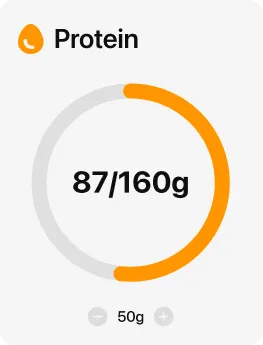
“I am only three weeks into my journey, but I'm very busy. I work from home and the app will remind me to track things and I really appreciate that and it's made it really easy to make sure I'm getting enough. Protein and fiber and water and I'm down 12 pounds.”
Does Foundayo cause hair loss?
Hair shedding is a class effect of rapid weight loss, not a specific property of Foundayo. Any sustained, fast weight loss—from bariatric surgery, a crash diet, or a strong GLP-1 medication—pushes a larger share of hair follicles into the resting phase at the same time, and those hairs fall out together about three months later. In clinical practice, around 3–5% of people on GLP-1 medications for weight management notice noticeable shedding. It is almost always reversible once weight stabilizes.
The mechanism behind this is stress-triggered hair shedding. The triggering stress is the rapid calorie deficit, not the drug itself. Resolution typically happens within 6 to 12 months after weight stabilizes. Two things help: enough protein (aim for 0.7–1.0 g per pound of goal body weight per day) and avoiding very-low-calorie days. When the body runs a sustained deficit and also lacks protein, it prioritizes vital organs over hair follicles.
Can Foundayo cause pancreatitis?
Pancreatitis is listed as a warning in the FDA FOUNDAYO prescribing information. The incidence in orforglipron clinical trials was very low—well under 1% of participants—but the risk is real enough that the FDA requires the warning for all GLP-1 medications. The label says to discontinue Foundayo if pancreatitis is suspected. Signs to watch for: sudden, severe pain in the upper stomach that does not ease and radiates through to your back, especially if it comes with unstoppable nausea or vomiting. This is not a ‘wait and see’ situation—it needs evaluation the same day. Call your doctor, or go to urgent care or the ER if you cannot reach them quickly.
Does Foundayo cause gallbladder problems or gallstones?
Gallbladder disease, including gallstones, is a known risk with GLP-1 medications, and the FDA FOUNDAYO label includes a specific warning. The mechanism is not unique to Foundayo—rapid weight loss from any cause raises the risk because the liver releases more cholesterol into bile when fat is being mobilized quickly. Signs to watch for: sharp pain in the upper right abdomen, particularly after eating a fatty meal. If the pain is severe or comes with fever and chills, that is a same-day call. Mild, intermittent right-sided discomfort after meals warrants a mention at your next appointment.
Foundayo and thyroid: what the FDA’s most prominent warning means
The FDA FOUNDAYO label carries the agency’s most prominent warning about the risk of thyroid C-cell tumors. Foundayo should not be used when a close relative (parent, sibling, or child) has had medullary thyroid carcinoma (MTC), or when you carry MEN 2 (Multiple Endocrine Neoplasia syndrome type 2, a rare inherited hormone condition).
Here is what makes Foundayo different from all other GLP-1 medications on this point: orforglipron itself did NOT cause thyroid C-cell tumors in rodent studies. The reason is that orforglipron is pharmacologically inactive at rodent GLP-1 receptors—it works in humans but not in rats or mice. The most prominent FDA warning on the FOUNDAYO label is a class-level precaution that FDA applies consistently across all drugs in this category, even though orforglipron’s own rodent data did not show the tumor signal. The human relevance of the class rodent finding has not been established for any GLP-1 medication, including semaglutide and tirzepatide.
Practical guidance: do not take Foundayo if you or a close family member have had MTC or MEN 2. A new or rapidly growing lump in your neck, hoarseness, or trouble swallowing warrants a call to your doctor regardless of whether you are on this medication.
Can Foundayo cause low blood sugar?
Foundayo alone does not typically cause low blood sugar in people without diabetes. The risk rises if you take it alongside insulin or a sulfonylurea—a type of diabetes pill that lowers blood sugar regardless of your current glucose level, such as glipizide, glimepiride, or glyburide. When these medications work together, blood sugar can drop lower than intended. The FDA label recommends that your doctor consider reducing the dose of your insulin or sulfonylurea when you start Foundayo. In ACHIEVE-1, which included people with type 2 diabetes, there were zero episodes of severe low blood sugar across the entire trial. Symptoms of low blood sugar: shakiness, sweating, confusion, rapid heartbeat, or feeling faint. If you take any diabetes medications alongside Foundayo, ask your doctor about monitoring and dose adjustments before you start.
Can Foundayo affect your kidneys?
The FDA FOUNDAYO label warns about acute kidney injury secondary to volume depletion. The mechanism is indirect: severe vomiting or diarrhea from GI side effects causes dehydration, and if that dehydration goes uncorrected, kidneys can be stressed. This risk is higher in people already on medications that affect kidney function (such as NSAIDs or certain blood pressure drugs) or who have pre-existing kidney disease. The practical prevention: stay well hydrated, especially during the first 4–8 weeks when GI side effects are most active. Signs of concerning dehydration: very dark urine, dizziness when standing, confusion, or reduced urine output. If you have these alongside sustained vomiting or diarrhea, call your doctor the same day.
Can Foundayo cause allergic or hypersensitivity reactions?
The FDA FOUNDAYO label lists hypersensitivity reactions, including anaphylaxis and angioedema, as known risks reported across the GLP-1 drug class. Anaphylaxis is a severe, rapid allergic reaction that can affect breathing and circulation. Angioedema is severe swelling of the face, lips, tongue, or throat. These reactions are rare but require immediate medical attention. If you notice any rash, hives, or swelling—especially around the face, throat, or tongue—after taking Foundayo, stop the tablet and seek emergency care immediately. Do not restart without consulting your doctor.
Can you take Foundayo if you have gastroparesis or slow digestion?
The FDA FOUNDAYO label explicitly states that Foundayo is not recommended in people with severe gastroparesis or other severe gastrointestinal disease. Foundayo slows stomach emptying as part of its mechanism—if the stomach is already emptying too slowly, adding Foundayo can worsen that problem significantly, potentially causing prolonged nausea, vomiting, and malnutrition. If you have a history of gastroparesis, talk with your doctor before starting Foundayo. This is one situation where a different treatment approach is likely safer.
Does Foundayo affect vision or eyes?
Two vision-related concerns appear in or around the FOUNDAYO label. First, diabetic retinopathy worsening: in people with pre-existing diabetic eye disease, rapid improvement in blood sugar can paradoxically stress retinal blood vessels. The FDA FOUNDAYO label notes this precaution for adults with type 2 diabetes and pre-existing retinopathy. If you have a history of diabetic eye disease, your doctor should monitor your eye health while you are on Foundayo.
Second, a rare condition called nonarteritic anterior ischemic optic neuropathy (NAION), which can cause sudden vision loss in one eye. The European Medicines Agency’s safety review committee concluded in June 2025 that NAION is a very rare side effect of semaglutide medicines (Ozempic, Wegovy, Rybelsus) specifically. No NAION regulatory signal has been identified for Foundayo/orforglipron by the FDA, EMA, MHRA, or WHO — orforglipron is a structurally different non-peptide molecule. Even so, sudden vision change on any GLP-1 is a medical emergency: if you notice sudden vision changes, blurry vision, or vision loss, contact your doctor the same day or go to the ER.
What are the long-term side effects of Foundayo?
Long-term safety data specific to Foundayo is limited—the drug received FDA approval on April 1, 2026, and post-marketing surveillance is just beginning. The ATTAIN-1 obesity trial ran 72 weeks (using trial doses), which provides the longest safety window currently available. No hepatic (liver) safety signal was observed across any of the five phase 3 trials in the orforglipron program—an important positive finding, as an early phase 2 signal had raised concern that did not replicate in the larger trials.
For longer-term context on GLP-1 class safety, injectable semaglutide (Wegovy) has been used since 2021, and the SELECT cardiovascular outcomes trial followed 17,604 people on semaglutide for an average of 34 months (Lincoff et al., NEJM 2023), showing a 20% reduction in major cardiovascular events. Foundayo does not yet have a dedicated cardiovascular outcomes trial (CVOT). That data gap is relevant if your doctor is specifically trying to reduce heart-event risk, not just achieve weight loss.
The two long-term concerns most people ask about are hair shedding and muscle loss. Hair shedding is almost always resolved once weight stabilizes, typically within 6 to 12 months. Muscle loss is a real consideration with rapid weight loss from any cause—adequate protein intake (0.7–1.0 g per pound of goal body weight per day) combined with resistance exercise helps preserve lean mass during the weight-loss phase.
Are Foundayo side effects different for women, and is it safe in pregnancy?
Published sex-subgroup analyses of GLP-1 medications consistently show women reporting GI side effects at slightly higher rates than men, though the gap is smaller than most headlines suggest and the serious risks are the same across sexes. The FDA FOUNDAYO label does not flag sex as a dose-modifying factor. Hair shedding appears more noticeable in women than men, likely because women tend to have longer hair and notice shedding more visibly—the underlying mechanism (rapid weight loss triggering stress-related shedding) is the same in both sexes.
One important interaction for women taking a birth control pill: Foundayo slows stomach emptying, which can change how quickly an oral hormone pill is absorbed into the bloodstream. The FDA FOUNDAYO label specifically addresses this—women using an oral birth control pill should discuss backup contraception or switching to a non-oral method (such as an IUD, implant, or patch) with their doctor, especially during dose step-up periods when GI motility is most affected.
Foundayo is not recommended during pregnancy or breastfeeding. The FDA FOUNDAYO label advises stopping the medication before a planned pregnancy. If you discover you are pregnant while on Foundayo, that is not an emergency, but you should contact your doctor promptly to discuss stopping the medication. The timing of when to restart after pregnancy or breastfeeding should be decided individually with your doctor.
“I have been on my GLP-1 journey for just over 4 months and this app has helped me stay accountable to myself. I'm down almost 30lbs and I haven't missed a day logging my water intake, food, and my weekly shot! I even showed my dietitian the app and she was impressed with it! I highly recommend this app if you are looking for an all-in-one app for your GLP-1 journey.”
Women who live in a body that is actively changing every week from weight loss often ask a different question than the symptom lists cover: how do I stay steady through the emotional side of this? Shared answers from the MeAgain community land in a narrow range—log the day consistently even on rough weeks, eat the protein even when the scale does not move, and treat the dose step-ups as a planned event rather than a setback. Rapid weight loss compresses a lot of life change into a short window, and having the week-by-week record in one place makes it easier to see the progress during the days that feel stuck.
Foundayo, surgery, and anesthesia: what to tell your surgical team
The American Society of Anesthesiologists (ASA) multi-society guidance on GLP-1 medications applies to Foundayo. Because these drugs slow stomach emptying, food and liquids may remain in the stomach longer than expected before surgery, raising the risk of aspiration (stomach contents entering the lungs) during procedures that require sedation or general anesthesia. Tell your surgical or procedural team that you take Foundayo well before any scheduled procedure.
The current ASA guidance recommends holding GLP-1 medications for at least one week before elective procedures that require anesthesia. Your surgeon and anesthesiologist will provide specific instructions based on your procedure and dose schedule—follow their guidance precisely. For emergency procedures, inform the anesthesia team about Foundayo immediately so they can take precautions.
Foundayo dose schedule: 0.8 mg to 17.2 mg in six steps
Foundayo uses a six-step dose schedule, with each step lasting at least 30 days. You start at 0.8 mg—a starter dose designed to let your body meet the drug before moving higher. From there the schedule steps up monthly through 2.5 mg, 5.5 mg, 9 mg, and 14.5 mg, reaching a maximum of 17.2 mg once daily, which is the highest approved dose.
| Dose step | Duration | What to expect |
|---|---|---|
| 0.8 mg | 30 days (starting dose) | Initial adjustment. First nausea. Appetite starts to drop. Most GI symptoms appear here. |
| 2.5 mg | 30+ days | GI effects often return briefly. Appetite suppression strengthens. Early weight loss begins. |
| 5.5 mg | 30+ days | Adjustment usually easier. Hair shedding may begin. Energy starts to stabilize. |
| 9 mg | 30+ days | Most people find tolerability improving. Weight loss continues at a steady pace. |
| 14.5 mg | 30+ days | Near maximum dose. GI tolerance usually well established by this step. |
| 17.2 mg | Maintenance (maximum) | Highest approved dose. GI side effects typically manageable by this stage. |
Source: FDA FOUNDAYO (orforglipron) prescribing information (April 2026), Dosage and Administration section. Each step requires at least 30 days at the current dose before increasing.
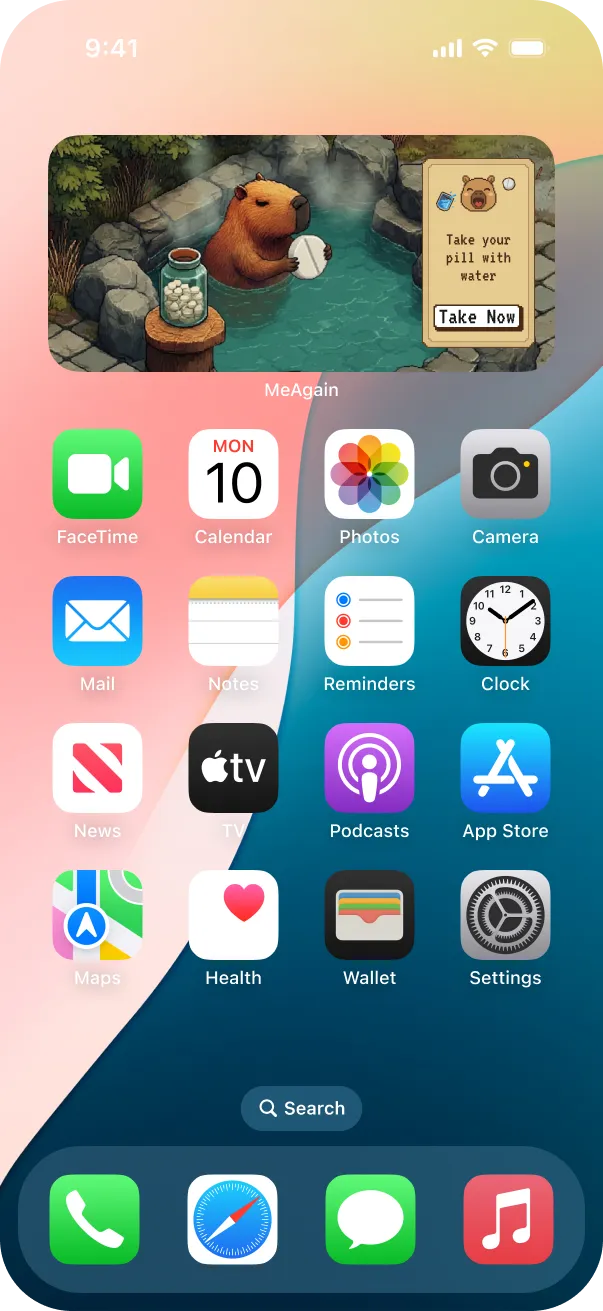
“I was a little hesitant getting an app at first I've talked to a few other people who have done GLP and didn't use an app but I personally found it super helpful, especially with my shot tracking as sometimes I can forget where I had the shot the week before so it's nice to keep a track record and rotate correctly! I also love the little widget buddy that shows your tracking of water, exercise, food, fiber it's and easy way to see it and be like oh you're right I should have a healthy snack especially when you're in the first few days of your shot and aren't hungry and can easily forget to eat. I've been on it for 120 days and it's been great!”
Your doctor can hold you at any step for an additional month if tolerability is a concern. There is no clinical evidence that stepping up faster produces better long-term outcomes—and moving more slowly usually means fewer people stop the drug because of side effects.
No fasting required: Foundayo and food timing
This is Foundayo’s most practically important differentiator from every other oral GLP-1. You can take Foundayo any time of day, with or without food, with any amount of liquid. No 30-minute wait. No four-ounce water limit. No empty-stomach requirement. Take it with your morning coffee. Take it with breakfast. Take it at night. The FDA label says simply: ‘Take FOUNDAYO orally once daily, with or without food.’
Why does this matter? Rybelsus (oral semaglutide 3/7/14 mg for type 2 diabetes) and oral Wegovy (oral semaglutide 1.5/4/9/25 mg for obesity) both require an empty stomach with no more than 4 ounces of water, followed by a 30-minute wait before eating, drinking anything else, or taking other medications. The reason those drugs have that restriction is that semaglutide is a protein that the gut cannot absorb on its own—it needs a special coating ingredient called SNAC that opens a brief absorption window, and food closes that window. Orforglipron is a small molecule, not a protein, so it survives stomach digestion without SNAC and without any fasting requirement.
This makes Foundayo substantially easier to fit into any morning routine, especially for people who travel, work irregular hours, take multiple morning medications, or simply cannot manage a consistent pre-breakfast window. If fasting rules made Rybelsus or oral Wegovy difficult to take consistently, Foundayo’s unrestricted timing is a meaningful clinical advantage.
What to do after a missed dose of Foundayo
The rule for a missed Foundayo tablet is straightforward: take the missed dose as soon as you remember. Do not take two tablets on the same day. Because Foundayo has a half-life of approximately 24 hours, a single missed day has less impact on your drug levels than missing a weekly injection would. Foundayo reaches steady state within about 5 days of once-daily dosing, so one missed tablet will not reset your body’s adjustment to the drug.
If you miss 7 or more consecutive days, contact your doctor or pharmacist before resuming. The FDA FOUNDAYO label specifies that after 7 or more missed days in a row, dosage escalation should be restarted at a lower dose to reduce the risk of GI side effects. The principle is the same as with any GLP-1: the gut benefits from gradual re-introduction after a prolonged break.
What happens when you stop Foundayo?
When you stop Foundayo, the GI side effects from the drug resolve as it clears your system. The drug has a half-life of approximately 24 hours—so at typical dosing, it is substantially cleared within about 5 to 7 days of the last tablet. GI symptoms typically resolve within 1 to 2 weeks of stopping.
The harder reality: appetite returns. Real-world data from injectable semaglutide studies—such as STEP-4—shows that stopping a GLP-1 medication typically leads to meaningful weight regain over the following year as hunger hormones rebound. Foundayo-specific discontinuation data is not yet available from long-term studies, but the class pattern is consistent. If you are considering stopping, talk to your doctor about a tapering plan or transition strategy rather than stopping abruptly.
How do Foundayo side effects compare to Rybelsus and oral Wegovy?
Rybelsus (oral semaglutide 3/7/14 mg) and oral Wegovy (oral semaglutide 1.5/4/9/25 mg) are the only other FDA-approved oral GLP-1 medications. All three target the same receptor and cause the same class of GI effects—nausea, diarrhea, constipation, vomiting. The key practical differences: Rybelsus is approved for type 2 diabetes blood sugar control, not weight management; oral Wegovy is approved for weight management in people with obesity; Foundayo is approved for weight management as of April 2026.
The single biggest tolerability difference is the fasting requirement. Rybelsus and oral Wegovy require an empty stomach, water only (no more than 4 oz), and a 30-minute wait before eating or taking other medications. Foundayo requires none of that. For people who found the Rybelsus or oral Wegovy fasting window hard to follow consistently—leading to inconsistent absorption and unpredictable side effects—Foundayo’s unrestricted timing may produce a more predictable experience.
On weight-loss magnitude in trials: oral Wegovy’s pivotal OASIS-4 trial showed approximately 13.6% mean weight loss at week 64. Orforglipron’s ATTAIN-1 showed approximately 11.2% at week 72 at the 36 mg trial top dose. Direct comparison is imperfect across trials, but both are in a similar efficacy range for the oral class.
Foundayo vs Wegovy and Ozempic: pill vs injection
Foundayo is a once-daily pill. Wegovy and Ozempic are once-weekly injections. Both target the same GLP-1 receptor, but the route of administration creates real practical differences. Weekly injections have no daily timing requirement and produce a predictable peak on injection day followed by a trough by day 5–7—many people know their nausea is worst in the 24 hours after a shot. A daily tablet produces smoother, steadier drug levels.
On weight-loss magnitude in head-to-head context: injectable Wegovy (semaglutide 2.4 mg) showed approximately 14.9% mean weight loss in STEP-1 (Wilding et al., NEJM 2021, n=1,961, 68 weeks). Orforglipron’s ATTAIN-1 top-dose arm showed approximately 11.2%. The injectable produces somewhat greater average weight loss, though individual results vary significantly. Injectable semaglutide also has the SELECT cardiovascular outcomes trial (17,604 people, average 34-month follow-up) showing a 20% reduction in major cardiovascular events—Foundayo does not yet have that data.
The right choice depends on needle tolerance, morning-routine flexibility, and individual health priorities. Many people who cannot self-inject will find Foundayo a more sustainable long-term option regardless of the magnitude difference.
Foundayo vs tirzepatide (Mounjaro, Zepbound): how do they compare?
Tirzepatide (Mounjaro for type 2 diabetes, Zepbound for obesity) targets two hunger-signaling pathways simultaneously—GLP-1 and GIP—while Foundayo targets only GLP-1. That dual-pathway mechanism gives tirzepatide a meaningful weight-loss advantage on average: SURMOUNT-1 (Jastreboff et al., NEJM 2022, n=2,539, 72 weeks) showed approximately 20.9% mean weight loss at the 15 mg maintenance dose, compared to orforglipron’s approximately 11.2% at the 36 mg trial top dose in ATTAIN-1.
The tradeoff: tirzepatide is a weekly self-administered injection, Foundayo is a daily pill with no fasting requirement. For people who need maximum weight-loss magnitude and are comfortable self-injecting, tirzepatide is currently the more potent tool. For people who strongly prefer an oral pill—or cannot manage injections—Foundayo provides meaningful weight loss without the needle.
How Foundayo (orforglipron) differs from peptide GLP-1s: brand name vs generic name explained
Foundayo is the brand name. Orforglipron is the generic name (international nonproprietary name). Eli Lilly and Company manufactures and markets the drug. Foundayo was FDA-approved on April 1, 2026—the first approval under the FDA’s National Priority Voucher (CNPV) pilot program, which is a new regulatory pathway for novel molecular entities. There is currently no generic version of orforglipron on the market—the drug is sold exclusively as Foundayo through LillyDirect and commercial pharmacies.
Searches for ‘Foundayo side effects’ and ‘orforglipron side effects’ refer to exactly the same drug and the same safety profile. The FDA NDA number is 220934. Orforglipron is an oral non-peptide small-molecule GLP-1 medication—the first of its kind to receive FDA approval.