

Key takeaways
- Hiccups are not one of Mounjaro's listed side effects, and clinical trials never tracked them, so any link is based on patient reports rather than confirmed data.
- There's a plausible reason they happen: Mounjaro slows stomach emptying, and a fuller-for-longer stomach can stretch and irritate the diaphragm, the muscle whose spasm causes a hiccup.
- Burping, reflux, and swallowing air from eating fast or drinking carbonated drinks are documented stomach effects of tirzepatide and are all common hiccup triggers.
- Eating slowly, stopping at the first sign of fullness, skipping fizzy drinks near meals, and getting your shot routine right are the main ways to settle hiccup-adjacent stomach upset.
- Hiccups lasting longer than 48 hours, or coming with chest pain or trouble swallowing, are a reason to call your care team rather than wait them out.
Table of contents
- Does Mounjaro Actually Cause Hiccups?
- Why Would a Mounjaro Shot Trigger Hiccups?
- Is Burping, Bloating, and Reflux Common on Mounjaro?
- How Do You Ease Hiccups and Stomach Upset on Mounjaro?
- When Should Hiccups on Mounjaro Worry You?
Does Mounjaro Actually Cause Hiccups?
If you're wondering does Mounjaro cause hiccups, the straight answer is that they aren't a listed side effect, and the clinical trials that studied tirzepatide never tracked hiccups as a separate event. That doesn't make them impossible. It just means any link between your shot and a hiccup spell rests on what people report, not on measured data.
Is it on the official side-effect list?
When the FDA label lists what to expect, it names the reactions that showed up in at least 5% of patients: nausea, diarrhea, decreased appetite, vomiting, constipation, dyspepsia, and abdominal pain. Hiccups aren't on that list. Everything there was systematically counted in trials, so the list reflects what was measured, not the full range of what any one person might feel.
The honest read is simple: the direct evidence tying Mounjaro to hiccups is thin, and no trial set out to measure it.
What a hiccup actually is
A hiccup is an involuntary spasm of the diaphragm, the dome-shaped muscle under your lungs, followed by a quick snap of your vocal cords. That snap is the sound you hear. Doctors call it singultus. Most start for no clear reason and are gone within a few minutes.
- Eating too fast or eating too much at once
- Fizzy, carbonated drinks
- Hot or spicy foods and drinks
- Swallowing extra air while you eat or drink
- A sudden rush of excitement or stress
Why 'not listed' doesn't mean it can't happen
A label captures what trials counted, not everything a body does. Symptoms like hiccups tend to get noticed and reported by individuals rather than tracked as a formal trial event, so they can be real for you and still never appear in the official data. Absence from the list is a gap in measurement, not proof it never happens.
It also helps to keep the scale in mind. The serious complications researchers watched for — severe low blood sugar, pancreatitis, and gallbladder problems — stayed at or below 1% across every dose. A short bout of hiccups is nowhere near that category. It's a nuisance, not a warning sign.
What people actually describe fits the nuisance picture: short spells, often after eating, rather than constant hiccuping all day. They tend to come and go the way ordinary hiccups do, then settle on their own within a few minutes.
So if the label doesn't list hiccups, why do so many women on a shot still notice them? The answer starts in the stomach.
Why Would a Mounjaro Shot Trigger Hiccups?
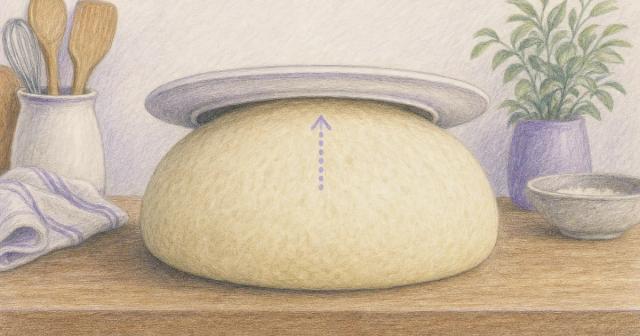
The most plausible reason a Mounjaro shot would trigger hiccups is a slower, fuller stomach that presses up against the diaphragm. Mounjaro slows how fast your stomach empties, and a stretched, full stomach sits right below the muscle whose spasm makes a hiccup. Irritate the nerves around it and a hiccup can follow.
Start with a slower stomach
Mounjaro slows how quickly your stomach empties. That gentler pace is part of how it curbs appetite: you feel full sooner and the constant pull toward food eases. It also means your stomach is working through a meal more slowly than it used to, so there's more sitting in it at any given moment.
From a full stomach to the diaphragm
Here's the link people feel. The nerves that run the diaphragm can be set off by irritation in the upper belly — a classic hiccup trigger. A fuller stomach that stretches and presses upward is exactly the kind of pressure that can nudge those nerves, including the phrenic nerve that drives the diaphragm. It's a believable path from a slow stomach to a hiccup.
- A fuller, stretched stomach pressing upward on the diaphragm
- Reflux, when a little acid backs up
- Belching and trapped gas
- Swallowing extra air when you eat fast or drink something fizzy
Your habits stack on top of the drug's effect. Eating fast or eating a big meal fills an already-slower stomach even more, stretching it further in one sitting. A rushed lunch or a large dinner is more likely to leave you feeling overfull, and that overfull, stretched feeling is the setup hiccups seem to like.
It's worth being clear about what this is. This is a mechanism that makes sense, not a proven cause. The trials never tracked hiccups as an event, so no one has measured how often they happen on Mounjaro or confirmed the chain. The pieces fit, but 'fits' isn't the same as 'demonstrated.'
The timing many people describe lines up with the story. Hiccups tend to show up right after a meal, especially a big or rushed one, then fade. If yours cluster around eating rather than around anything else, the overfull-stomach explanation is the simplest one.
Because burping and reflux sit right next to hiccups, it helps to see which stomach effects Mounjaro is actually documented to cause, covered next.
Is Burping, Bloating, and Reflux Common on Mounjaro?
Yes — burping, bloating, and reflux-type discomfort are common on Mounjaro, because stomach and gut symptoms are the single biggest side-effect category for this medication. Hiccups themselves were never tracked, but the gassy, over-full, reflux-y feelings that sit right next to a hiccup are well documented. So if your hiccups tend to arrive with belching or a too-full stomach, you're in familiar company.
How common is stomach upset on Mounjaro?
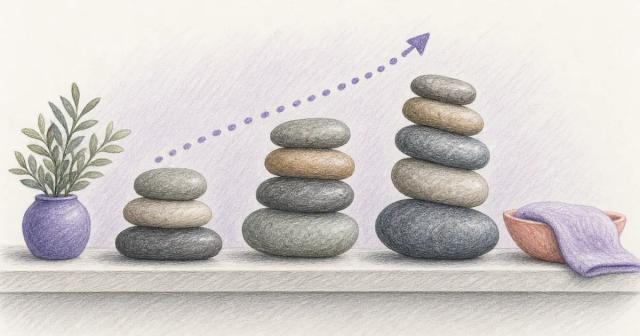
The numbers rise step by step with your dose. A meta-analysis in the Journal of the Endocrine Society pooled ten trials and 6,836 people and found gut side effects climbed with each dose level: 39% at 5 mg, 46% at 10 mg, and 49% at 15 mg. That steady climb is the clearest signal in the data — a higher dose means a higher chance some stomach symptom shows up, though most stay mild.
Symptom | On tirzepatide | On comparators |
|---|---|---|
Nausea | 20.43% | 10.47% |
Dyspepsia (indigestion) | 7.13% | 3.31% |
- Nausea — the most common, and usually the first to fade
- Diarrhea — frequent early, especially around dose increases
- Constipation — the opposite problem, and just as real
- Decreased appetite — expected, and part of how it works
- Vomiting — less common, and usually mild when it happens
- Dyspepsia — indigestion: the gassy, burpy, over-full feeling
Why indigestion feels linked to hiccups
Of that list, dyspepsia is the one that bridges straight to hiccups. It's the medical word for indigestion — the gassy, sour, over-full feeling that tends to come with burping and mild reflux. Those are the exact mechanics that can set off a hiccup: a stretched, gassy stomach nudging the diaphragm just above it. If you want the reflux side in depth, acid reflux on a GLP-1 covers it, and the slower digestion from the section above only adds to the pressure.
Most of this clusters around dose increases, not random days. Across the SURMOUNT-1 to -4 trials, the stomach side effects were mostly non-serious and showed up primarily during the dose-escalation period — the weeks right after you step up. A rough stretch of bloating or reflux the week after a dose bump isn't a red flag; it's simply the most likely time for it to happen.
The stomach noise tends to spike when your dose steps up and quiet down as your body settles in.
Do the side effects go away?
They ease as your body adapts. A separate meta-analysis in the journal Medicine found that gut side effects decrease gradually over time, so steady, long-term dosing tends to settle them rather than worsen them. That matches what most women describe: the roughest stretch is early and around each step-up, and the months after are calmer. Riding out the first few weeks is doing real work.
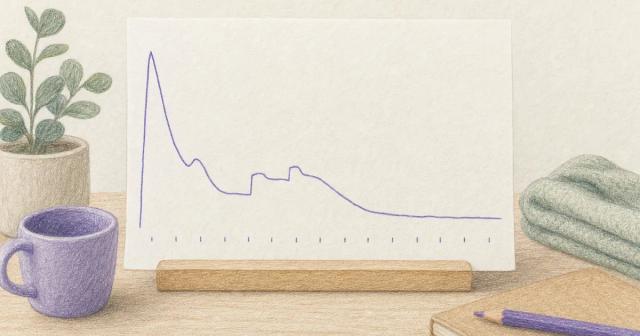
For most people it stays mild to moderate. In SURPASS-1, tirzepatide was described as well tolerated, with the most common side effects being gut-related and mild to moderate. The honest counterweight: in the Endocrine Society's pooled data, up to 10% of people on the 15 mg dose stopped the medication because of side effects. Common and manageable for the majority, genuinely too much for a minority — both are true, and neither cancels the other.
The reassuring part is that the overfull, gassy feeling is one of the most workable pieces of this. A few changes to how and what you eat, plus getting your weekly routine right, take a real bite out of it. Here's what actually helps.
Related reading
- Acid reflux on a GLP-1
- Why tirzepatide causes nausea
- Why tirzepatide can cause diarrhea
- Dry mouth on tirzepatide
- How long tirzepatide takes to work
- How long Mounjaro takes to curb appetite
How Do You Ease Hiccups and Stomach Upset on Mounjaro?
The goal is simple: stop overfilling a stomach that's emptying slowly. Most of what eases hiccups and the gassy, over-full feeling on Mounjaro comes down to how and what you eat, plus getting your weekly routine right. None of this is medical advice, and doses aren't something to adjust on your own — run any of it past your care team or pharmacist first.
What should you eat to ease stomach upset?
- Eat smaller meals, or split three meals into four or more
- Stop at the first sign of full, not when the plate's clear
- Favor bland, easy-to-digest foods over heavy, fatty ones
- Slow down — eating fast swallows air and packs the stomach
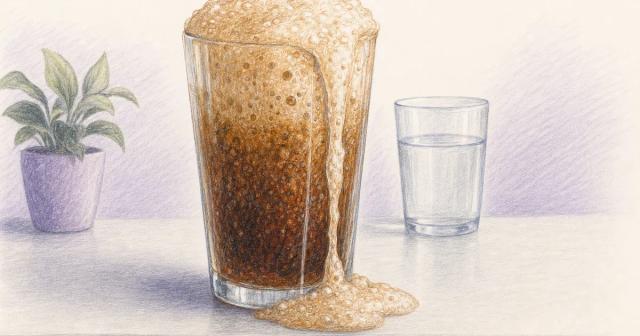
- Skip fizzy drinks near meals; the carbonation just adds gas
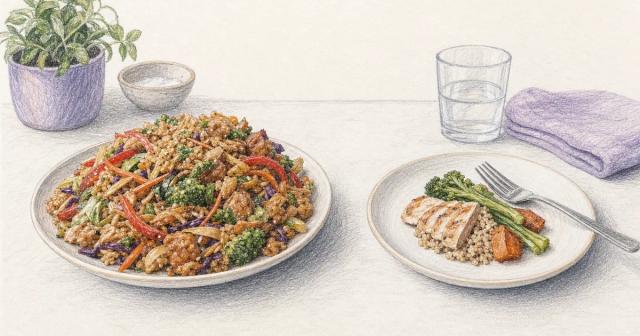
Slowing down works because it targets the actual driver. The Cleveland Clinic notes that a random hiccup can happen simply from eating too fast or drinking something fizzy — both swallow extra air and fill the stomach in a hurry. On a stomach that's already slow to empty, that rush of air and volume has nowhere to go, so it presses upward toward the diaphragm. Easing your pace and dropping the carbonation takes that pressure off directly.
Trigger | What to try instead |
|---|---|
Eating fast | Slow down; set the fork down between bites |
Fizzy drinks | Swap for still water, away from meals |
Large meals | Smaller plates; split into more, smaller meals |
Lying down after eating | Stay upright for a stretch after you eat |
Getting your shot routine right
Your weekly rhythm matters too, and the FDA label spells it out. Mounjaro is a once-weekly shot you can take any time of day, with or without food. The label's missed-dose rule: if you're within 4 days (96 hours) of the missed day, take it as soon as you can; past that, skip it and go back to your usual day. It also says to keep any two doses at least 3 days (72 hours) apart. Your care team sets the specifics for you.
Where you inject is written into the label, too. Per the Mounjaro prescribing information, the approved spots are the abdomen, thigh, or the back of the upper arm, and it calls for a fresh needle for each injection. Clean technique won't stop a hiccup, but keeping the routine part uneventful lets you focus on the eating levers that actually move the gassy, full feeling.
A few more label basics: rotate your injection site with every weekly dose instead of reusing the same spot, get shown proper technique before your first shot, and never share a pen with anyone, even with a new needle. The Mounjaro label is firm on all three. None of these fix hiccups, but they're worth getting right from day one so the routine never becomes the problem.
Track it to find your trigger
This is where your own log earns its keep. If hiccups keep cropping up, note each episode in MeAgain right beside what you ate, how fast you ate it, whether anything was carbonated, and how many days out from your shot you were. After a couple of weeks the pattern usually surfaces on its own — maybe they cluster after rushed lunches, maybe after sparkling water, maybe in the day or two following shot day. Once you can see the trigger, you know which lever to pull.
- Timing — how long after a meal the hiccups started
- Drinks — anything carbonated or fizzy you had that day
- Shot day — how many days out from your last dose you are

When the eating levers and routine tweaks aren't cutting it, that's your signal to look closer. Most hiccups on Mounjaro are a passing nuisance you can settle at home. But a few patterns cross the line from annoying into worth-a-call — and knowing exactly where that line sits is the last piece.
When Should Hiccups on Mounjaro Worry You?
Everyday post-meal hiccups almost always pass on their own, usually within a few minutes. The line to watch is time: if a bout stretches past 48 hours, or shows up with chest pain or trouble swallowing, it moves from a nuisance to a reason to call your care team.
The 48-Hour Rule, Spelled Out
Mayo Clinic's guidance is specific. Make an appointment if your hiccups last more than 48 hours, or if they get bad enough to interfere with eating, sleeping, or breathing. That's the threshold that separates the ordinary kind from the kind worth a professional look.
- Hiccups that run past 48 hours
- Chest pain along with the hiccups
- Trouble swallowing
- Hiccups blocking your eating, sleep, or breathing
- A tight feeling in your chest, stomach, or throat that won't ease
- Severe stomach or bowel symptoms, which get checked right away
✅ Usually settles on its own | ⚠️ Call your care team | |
|---|---|---|
Duration | Minutes to a few hours | Two days or more |
Other symptoms | Just the hiccups | Chest pain or trouble swallowing |
Eating and sleep | Unaffected | Getting in the way of eating, sleeping, breathing |
Why Persistent Hiccups Get Looked At
Long-lasting hiccups get checked because they can point to something treatable. Mayo Clinic notes that ongoing tests are meant to look for issues in the esophagus or windpipe, and that they may reveal trouble with the vagus nerve, one of the main nerves involved in the hiccup reflex.
That's the same neighborhood as acid reflux on a GLP-1, so a hiccup pattern that won't quit is worth mentioning alongside any heartburn or regurgitation you've noticed.
A hiccup bout that fades with your meal is a nuisance; one that outlasts two days is a question for your care team.
How Long the Everyday Kind Runs
For most people, hiccups usually last only a few minutes, then vanish as quietly as they arrived. If yours track with meals and clear on their own, that's the reassuring, ordinary version. For how the broader stomach effects rise and settle over your first weeks, the tirzepatide timeline lays out the arc.
A visit for stubborn hiccups is usually low-drama. If your provider suspects an underlying cause, they may recommend tests, which can include a chest X-ray, a CT, or an MRI. For hiccups that drag on past two days, medicines or certain procedures may be needed, and a provider may refer you to a specialist for long-term or severe cases.
Related reading
- Joint pain on Mounjaro
- Whether Mounjaro makes you sleepy
- How a GLP-1 helps with weight loss
- How tirzepatide burns fat
- Constipation on these medications
- Sleep changes on tirzepatide
- Whether Mounjaro shows up in blood work
- How tirzepatide affects your period
- Tirzepatide and anxiety
- The tirzepatide timeline
Frequently Asked Questions
Are hiccups a sign that Mounjaro is working?
Hiccups aren't a reliable progress signal. There's no evidence tying when you hiccup to how well your medication is working, so does Mounjaro cause hiccups is really a separate question from whether it's helping you. For that answer, watch your appetite and weight trend over weeks, not the occasional hiccup after a meal.
How long do hiccups from Mounjaro usually last?
For most people, hiccups usually last only a few minutes, whether or not you're on a shot. A short bout after a meal is the common, harmless version. The number to remember is two days: make an appointment if your hiccups last more than 48 hours, or if they start interfering with eating, sleeping, or breathing.
Do home tricks like drinking water or holding your breath stop them?
Most cases of hiccups go away on their own without any treatment, so simple, gentle moves are low-risk to try while you wait them out. If a spell won't quit, that's the more useful signal than any single trick. Once hiccups cross the two-day mark or come with chest pain or trouble swallowing, skip the home remedies and call your care team instead.
Should I stop taking Mounjaro if I keep getting hiccups?
Don't stop or change your dose on your own. Hiccups are a manageable nuisance for most people, and any decision about your medication belongs with your care team, who can weigh the pattern against everything else you're experiencing. Bring it up at your next check-in, or sooner if the hiccups are lasting past two days or pairing with other warning signs.
Do hiccups get better as your body adjusts to the medication?
Hiccups weren't tracked as their own event in the trials, so there's no adjustment curve specific to them. What we do know is that the stomach effects they tend to ride along with generally ease over time, as covered in the side-effect sections above. If yours are getting more frequent rather than less, that's worth flagging to your care team.
This article is for informational purposes only and is not medical advice. Always talk to your doctor or care team about your medication, symptoms, or treatment plan.