Oral Wegovy side effects: overview, prevalence, and onset
Oral Wegovy (semaglutide 25 mg daily tablet) was FDA-approved on December 22, 2025 for chronic weight management. Its side-effect profile mirrors the injectable version — nausea, diarrhea, vomiting, and constipation dominate — but the tablet adds a layer the injection does not: gut-absorption biology. Semaglutide is a large molecule that the gut was never designed to absorb, so Novo Nordisk uses a special coating ingredient called SNAC that briefly raises stomach pH and opens an absorption window. This works, but it also means food and other medications physically block that window, which is why the 30-minute fasting rule is mandatory, not a suggestion.
In OASIS-4, the pivotal weight-management trial for the 25 mg dose (Wharton et al.; 71-week trial with the primary result measured at week 64), overall GI adverse events were reported in 74.0% of participants in the oral semaglutide arm versus 42.2% on placebo. Nausea was the most common individual symptom at approximately 40–45%, followed by diarrhea (~25–30%), vomiting (~20–25%), and constipation (~20–25%). The good news embedded in those numbers: most events were mild to moderate, and the discontinuation rate for adverse events was roughly 7% in the active arm — meaning more than 9 in 10 people stayed on the drug despite early GI discomfort.
Symptoms cluster around dose step-ups. After each monthly increase, there is a brief replay of the early nausea that most people experienced in week 1. By the time semaglutide blood levels stabilize at the new dose — usually within 7–10 days — the GI effects settle back. This pattern repeats through the 1.5 mg, 4 mg, 9 mg, and 25 mg steps.
How long do oral Wegovy side effects last?
For most people, the worst GI side effects last about 4–6 weeks from the start of a new dose and then fade as semaglutide levels stabilize. The first weeks at 1.5 mg are typically the roughest — not because the dose is high, but because your body is meeting the drug for the first time. Most people notice a meaningful improvement by week 3 even without dose changes.
The pattern is slightly different from the weekly injection because daily tablets produce steadier semaglutide blood levels instead of a weekly peak-and-trough curve. That means nausea is less likely to spike on a specific day of the week the way it can with the weekly shot. Instead, some people on the tablet describe a lower-level, more constant queasiness in the first few weeks that fades gradually rather than in a wave.
Each step-up re-introduces a short adjustment window. Switching from 1.5 mg to 4 mg at month 2 often brings nausea back for a few days before the body adjusts. By the time you reach 9 mg and 25 mg, most people have learned which meals sit well and which do not — and the adjustment windows get shorter because the gut has already adapted to semaglutide.
“I've enjoyed the features that help me REMEMBER where I am in the journey. Scanning foods makes tracking a breeze! And the symptom tracker keeps me body aware!”
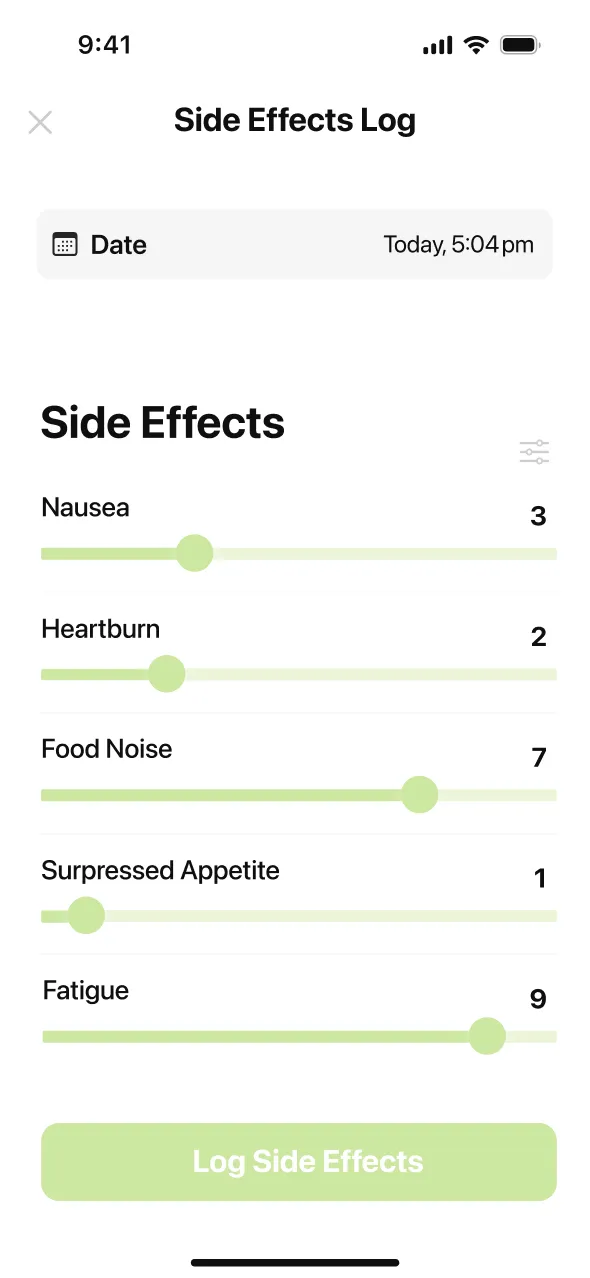
One consistent finding from people who track their symptoms alongside meals: knowing the pattern makes it feel less random. When you can see that nausea is worst in the 2–3 hours after a greasy meal rather than all day, you have a variable you can actually change.
Which oral Wegovy side effects are serious red flags?
Most oral Wegovy side effects are uncomfortable but not dangerous. A small group are genuine red flags: pancreatitis, gallbladder disease, severe allergic reactions, kidney injury from dehydration, and hypoglycemia in people who also take insulin or a sulfonylurea (a type of diabetes pill that lowers blood sugar). The FDA oral Wegovy label also carries the agency’s strongest warning about thyroid C-cell tumors, based on rodent studies. Do not take oral Wegovy if you or a first-degree family member have a history of medullary thyroid cancer or MEN2, a rare inherited hormone condition.
The most important red flag is severe, persistent stomach pain — especially if it radiates to the back, comes with vomiting that won’t stop, or if you also notice yellowing of the skin or eyes. These can signal pancreatitis or gallstones, and both need a doctor the same day. Call first; go to urgent care or the ER if you cannot reach your doctor quickly.
Pancreatitis gets the most attention. The FDA Adverse Event Reporting System shows a small number of reports with GLP-1 medications, though the incidence in OASIS trials was very low (well under 1%). Signs: sudden, severe upper stomach pain that bores through to your back, especially with unstoppable nausea or vomiting. This is not a ‘wait and see’ situation — it needs evaluation the same day.
Gallstones are the other category worth knowing. Rapid weight loss from any cause — surgery, crash dieting, or a strong GLP-1 — raises the risk because the liver dumps more cholesterol into bile when fat is mobilized quickly. The oral Wegovy label warns specifically about gallbladder disease. Sharp upper-right abdominal pain, especially after eating, is worth a call to your doctor.
!Call your doctor right away if you notice any of these
- Severe stomach pain that won’t go away
- pain that spreads to your back
- vomiting that lasts more than 24 hours
- yellow skin or eyes
- fast heartbeat with sweating or confusion
- a new lump in your neck
- sudden changes in your vision
- trouble breathing or a rash with swelling of the face, lips, or tongue.
Does oral Wegovy cause nausea, and how do you manage it?
Nausea is the most common side effect, reported in approximately 40–45% of OASIS-4 participants. The mechanism is the same as with the weekly injection: semaglutide slows stomach emptying (a feature, not a bug — it keeps you full longer), but that slower transit also means food and acid sit in the stomach longer than usual. What makes nausea worse on the tablet specifically: breaking the 30-minute fasting rule. Even a small sip of coffee before the window closes can blunt absorption and increase GI discomfort.
Three tactics work for most people: eat small protein-first meals on tablet day, stay well hydrated throughout the afternoon and evening, and ask your doctor about holding a dose level for an extra month if the step-up is rough. Nausea is strongest when your stomach is empty or when you eat large, high-fat meals — so the move is to eat before you feel hungry, keep portions small, and start with protein.
Protein-first strategy for tablet day
- Take the tablet on a completely empty stomach, using only water (up to 4 ounces). Set a 30-minute countdown timer the moment you swallow it.
- After the timer, eat a small protein-led meal: Greek yogurt, eggs, a protein shake, or chicken and rice.
- Avoid fried food, very greasy meals, and large portions for the first few hours after the tablet.
- Try ginger tea, ginger candies, or peppermint for mild queasiness between meals.
- If nausea is still rough at week 3, ask your doctor whether holding the current dose for another month makes sense.
“I enjoy this app a lot! It is so helpful to log all of my daily activities. I started the shot last Wednesday and being able to visually see my protein and fiber goals, as well as water intake has been great. I also love the way I am able to see the medication levels is so helpful. I HIGHLY recommend this to ANYONE who is using a GLP-1.”
Logging side effects alongside food and hydration gives you something concrete to bring to your next appointment. A daily one-line note — nausea on a 1-to-10 scale, what you ate that morning, how much water you got in — turns the first month from a fog of sensations into a pattern you can talk about with your doctor. As MeAgain reviewer DumboFan11 put it: “I love how I’m able to track my meals and my daily medication.” The patterns usually surface within two weeks: certain meals trigger nausea, the energy dip lands at a predictable hour, the rougher days follow the lower-water days.
Does oral Wegovy cause diarrhea?
Diarrhea affects roughly 25–30% of people on oral semaglutide 25 mg per OASIS program data, and it usually starts in the first one to two weeks after starting or stepping up. It is almost always mild and resolves within a week. Common triggers are very high-fat meals and sugar alcohols — sorbitol, xylitol, and erythritol appear in protein bars and sugar-free snacks, so check labels. Stay hydrated, cut back on greasy food for a few days, and eat bland foods — rice, bananas, toast, boiled potatoes — until it settles. If diarrhea is bloody, lasts more than 3 days, or comes with signs of dehydration such as dark urine or dizziness, call your doctor.
Does oral Wegovy cause vomiting?
Vomiting affects approximately 20–25% of oral semaglutide users in OASIS-4, making it more common on oral Wegovy than on the injectable in some analyses. The mechanism is the same — slowed stomach emptying pushes food back up when you eat too much, too fast, or too greasy. The practical rule: eat half of what feels like a normal portion, chew slowly, and stop the moment fullness kicks in. Vomiting that lasts more than 24 hours or keeps you from holding down any fluids is a red flag — call your doctor that day, because dehydration from sustained vomiting can lead to kidney problems.
Does oral Wegovy cause constipation?
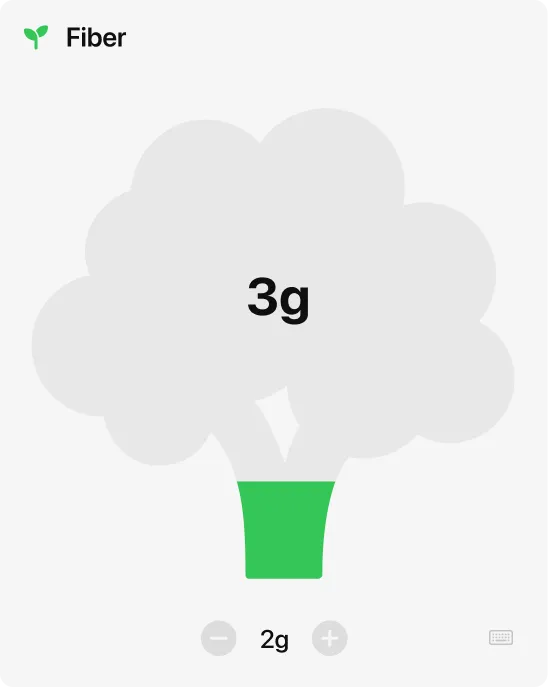
Constipation affects roughly 20–25% of people on oral semaglutide per OASIS data. Semaglutide slows digestion as part of how it works to keep you full, but slower transit also dries out stool. The fix is straightforward: more water, more fiber (25–35 grams a day from vegetables, legumes, chia seeds, or ground flax), and daily walking. If fiber and water are not enough, ask your pharmacist about an over-the-counter stool softener such as docusate or an osmotic laxative such as magnesium citrate at night. If you go more than 3 days without a bowel movement or the pain is severe, call your doctor.
Dyspepsia, indigestion, belching, and reflux on oral Wegovy
The FDA oral Wegovy label lists dyspepsia (indigestion), belching, flatulence, abdominal distension, and gastroesophageal reflux disease (GERD) among adverse reactions occurring in at least 5% of people on the 25 mg tablet. These are more prominent with the oral formulation than with the injectable because the SNAC coating briefly alters the stomach environment, and semaglutide’s slowing of stomach emptying keeps stomach acid in contact with the esophagus longer than usual when you lie down after eating.
Practical steps that reduce reflux and belching: eat smaller portions, stay upright for at least 30 minutes after any meal, avoid eating within 2 hours of bedtime, and skip acidic or spicy foods during dose step-ups. Over-the-counter antacids can help short-term — ask your pharmacist if you find yourself reaching for them more than a few times a week. If heartburn is persistent or comes with trouble swallowing or chest pain, mention it to your doctor.
Does oral Wegovy cause stomach or abdominal pain?
Abdominal pain is listed as a common adverse reaction in the FDA oral Wegovy label, with an incidence of at least 5%. It is usually mild cramping tied to slower gut motility and is often paired with constipation or gas. Eating smaller meals, avoiding carbonated drinks, and staying hydrated helps most people. The distinction to watch for: mild, generalized cramping that comes and goes is normal; severe, steady pain that does not ease with position changes — especially if it radiates to the back — is a red flag for pancreatitis and needs same-day evaluation.
Does oral Wegovy cause headaches?
Headache appears on the FDA oral Wegovy label as a common adverse reaction occurring in at least 5% of people. The most common cause is dehydration or low blood sugar from eating much less than usual — semaglutide suppresses appetite so effectively that some people skip meals without realizing it. On tablet day specifically, the 30-minute fasting window means some people are further into the morning than usual before eating, and caffeine withdrawal on top of that can stack with appetite suppression to produce a headache. The fix: set a timer, eat a protein-containing meal within 30 minutes of the window closing, and sip water throughout the day.
Does oral Wegovy make you tired?
Fatigue is listed as a common adverse reaction in the FDA oral Wegovy label. It tends to show up in the first few weeks and after each dose step-up, likely from a combination of eating substantially less, mild dehydration, and the body adjusting to a new metabolic pattern. For most people, fatigue fades by week 6 to 8 as eating habits stabilize at the new dose. Avoid scheduling heavy workouts on the first few days after a step-up, eat protein even when appetite is suppressed, and keep your water intake up. If fatigue persists past a full month at the same dose, mention it at your next appointment.
“Love this app for tracking all food and drinks consumed. Lets you see visually what you are consuming and can see where you need to make adjustments. Also love the estimated visual of meds in system.”
Does oral Wegovy cause hair loss?
Hair shedding is a class effect of rapid weight loss, not a specific property of semaglutide. Any sustained, fast weight loss — from bariatric surgery, a crash diet, or a strong GLP-1 medication — pushes a larger share of hair follicles into the resting phase at the same time, and those hairs fall out together about three months later. In clinical practice, around 3–5% of people on GLP-1 medications for weight management notice noticeable shedding. It is almost always reversible once weight stabilizes.
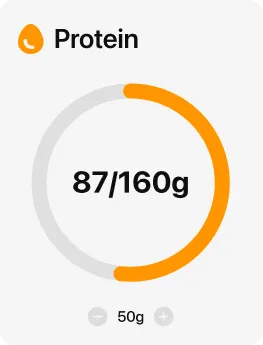
The medical term for this is stress-triggered hair shedding, called telogen effluvium in dermatology. The triggering stress is the rapid calorie deficit, not the drug itself. Dermatology literature places typical resolution in the 6 to 12 month window after weight stabilizes. Two things seem to help: getting enough protein (aim for 0.7–1.0 g per pound of goal body weight per day) and avoiding very-low-calorie days. When the body runs a sustained calorie deficit and also lacks protein, it prioritizes vital organs over hair follicles.
Why does oral Wegovy require an empty stomach and 30-minute fast?
This is the single most important practical difference between oral Wegovy and the injectable. Semaglutide is a large molecule that the gut does not naturally absorb well, so the tablet contains a special coating ingredient called SNAC that briefly raises local stomach pH and opens an absorption window. Food, other beverages, and other medications close that window. The FDA label is explicit: take oral Wegovy with up to 4 ounces of water — that is about half a cup — on an empty stomach, and wait at least 30 minutes before eating, drinking anything other than water, or taking other oral medications.
Breaking the rule does not make the tablet dangerous, but it does reduce how much semaglutide gets absorbed. Clinical studies of how semaglutide moves through the body show that breaking the 30-minute fasting window — by eating, sipping coffee, or taking other medications inside that window — can meaningfully reduce how much drug reaches the bloodstream. People who take their tablet with a coffee or immediately before breakfast often wonder why their results are weaker than expected or why GI side effects seem more unpredictable — inconsistent absorption is usually the reason.
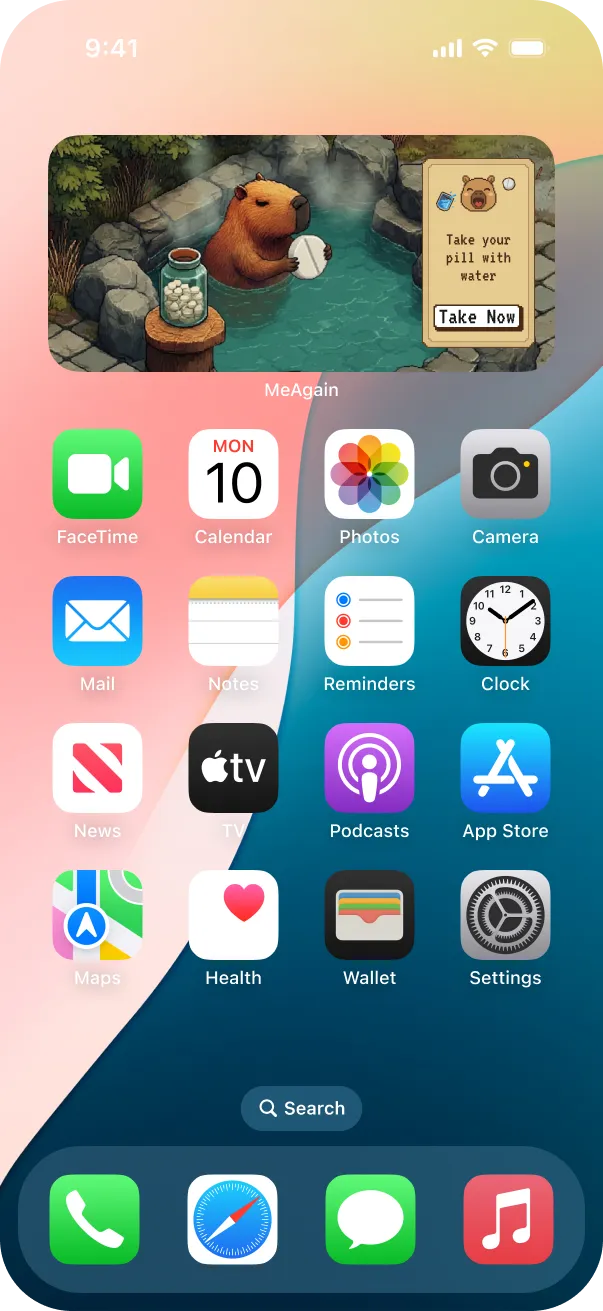
The MeAgain oral medication widget shows a countdown timer starting the moment you log your tablet. When you open your phone to make coffee or check messages, the widget reminds you exactly how many minutes remain before you can eat or drink anything else. Small habit, large impact on how well the drug works.
“I've been using the app for about 7 months now and I love how I'm able to track my meals and my daily medication. The little capybara widget is a great visual to help me know what my body needs. I also have contacted support about the new Wegovy pill and they were excellent about keeping me informed on the update to their app and even reached out and followed up with me to make sure the new update was working for me. Overall it's a great app to help you with your GLP-1 journey.”
What to do if you miss or skip a dose of oral Wegovy
The rule for a missed oral Wegovy tablet is simple: skip it and resume the next day with your usual dose. Do not take two tablets on the same day to make up for a missed one. Because oral Wegovy is a daily tablet rather than a weekly injection, a single missed day has less impact on your semaglutide levels than missing a weekly shot would. Semaglutide has a relatively long half-life, so one missed tablet will not reset your body’s adjustment to the drug.
If you miss two or more consecutive days, call your doctor or pharmacist before resuming. Depending on how long you were off the medication, they may recommend restarting at a lower dose to ease back in without a GI flare. The principle is the same as with the injectable: the gut needs a gradual re-introduction to the drug after a gap.
Food and medication interactions with oral Wegovy
The most clinically significant interaction with oral Wegovy is the one with other morning medications. A drug-absorption study (Hauge et al., 2021) showed that taking multiple tablets at once — including common supplements like vitamins or thyroid medication — reduces semaglutide absorption by approximately 34% compared to taking it alone. The FDA label specifically calls out levothyroxine (a thyroid hormone replacement): coadministration can increase total T4 exposure, and monitoring of thyroid function is recommended. The practical guidance from the label is to take oral Wegovy first, wait the full 30 minutes, and then take your other medications separately.
If you take a birth control pill, iron, calcium, or any other oral medication in the morning, space it out by at least 30 minutes after the absorption window closes. High-fat foods after the window are also a trigger for nausea and indigestion, particularly in the first few weeks — keep the first meal of the day lighter and protein-forward. Alcohol slows gastric emptying further and tends to hit harder and cause more nausea when semaglutide levels are active, so most people naturally drink less over the first 1–2 months.
Oral Wegovy dose schedule: 1.5 mg, 4 mg, 9 mg, 25 mg
Oral Wegovy uses a four-step dose schedule, with each step lasting at least 30 days. You start at 1.5 mg for the first month — a starter dose designed to let your body meet semaglutide before you move higher. From there you step up to 4 mg, then 9 mg, then 25 mg, which is the maintenance dose for weight management. Unlike the injectable Wegovy (which goes up to 2.4 mg weekly over 16–20 weeks), the oral tablet reaches a higher absolute semaglutide dose at the 25 mg level.
| Dose step | Duration | What to expect |
|---|---|---|
| 1.5 mg | 30 days (starter dose) | First nausea. Appetite drops noticeably. Most GI symptoms cluster here. |
| 4 mg | 30+ days | GI effects often return briefly. Appetite suppression strengthens. Real weight loss begins. |
| 9 mg | 30+ days | Most people find adjustment easier. Hair shedding may begin. Energy stabilizes. |
| 25 mg | Maintenance | Highest approved dose for weight management. GI tolerance usually well established by this step. |
Source: FDA oral Wegovy (semaglutide 25 mg) prescribing information (2025), Dosage and Administration section.
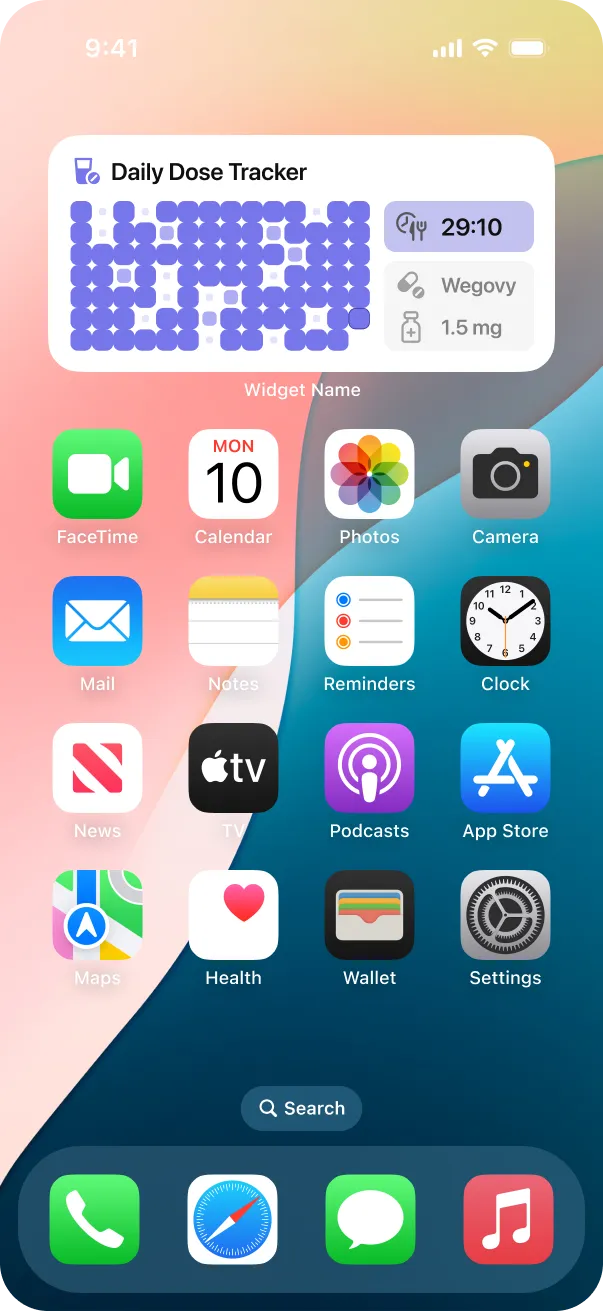
“I was a little hesitant getting an app at first I've talked to a few other people who have done GLP and didn't use an app but I personally found it super helpful, especially with my shot tracking as sometimes I can forget where I had the shot the week before so it's nice to keep a track record and rotate correctly! I also love the little widget buddy that shows your tracking of water, exercise, food, fiber it's and easy way to see it and be like oh you're right I should have a healthy snack especially when you're in the first few days of your shot and aren't hungry and can easily forget to eat. I've been on it for 120 days and it's been great!”
Your doctor can keep you at any step for an additional month if tolerability is a concern. Staying at 4 mg or 9 mg for an extra month before stepping up is common and built into the prescribing guidance. There is no clinical evidence that stepping up faster produces better long-term outcomes — and moving slower usually means fewer people stop the drug because of side effects.
Can oral Wegovy cause pancreatitis?
Pancreatitis is listed as a warning in the FDA oral Wegovy label, though the incidence in OASIS trials was very low — well under 1% of participants. GLP-1 medications as a class carry this warning, and the prescribing information says to discontinue oral Wegovy if pancreatitis is suspected. The signs to watch for: sudden, severe pain in the upper stomach that radiates through to your back, especially if it comes with unstoppable nausea or vomiting. This is not something to wait on — it needs evaluation the same day. Call your doctor, or go directly to urgent care or the ER if you cannot reach them quickly.
Does oral Wegovy cause gallbladder problems or gallstones?
Gallbladder disease, including gallstones, is a known risk with GLP-1 medications, and the FDA oral Wegovy label includes a specific warning. The mechanism is not unique to semaglutide — rapid weight loss from any cause (surgery, crash diets, or powerful GLP-1 drugs) increases the risk of gallstones because the liver releases more cholesterol into bile when fat is being mobilized quickly. Signs to watch for: sharp pain in the upper right abdomen, particularly after eating a fatty meal. If the pain is severe or comes with fever, that is a same-day call. Mild, intermittent right-sided discomfort after meals warrants a call at your next appointment.
Oral Wegovy thyroid cancer warning: what you need to know
The FDA oral Wegovy label carries the agency’s most prominent warning about the risk of thyroid C-cell tumors. In rodent studies, semaglutide caused C-cell tumors of the thyroid at clinically relevant exposures. Human relevance is not established, but the FDA requires the warning because the risk cannot be ruled out. You should not take oral Wegovy — or any GLP-1 weight-loss medication — if you or a first-degree family member have a personal history of medullary thyroid carcinoma or MEN2 (Multiple Endocrine Neoplasia type 2). A new or rapidly growing lump in your neck, hoarseness, or trouble swallowing warrants a call to your doctor regardless of whether you are on this medication.
Can oral Wegovy cause low blood sugar?
Oral Wegovy alone does not typically cause hypoglycemia in people without diabetes. The risk rises if you take it alongside insulin or a sulfonylurea — a type of diabetes pill that lowers blood sugar, such as glipizide, glimepiride, or glyburide. When these medications work together, blood sugar can drop lower than intended. The FDA label recommends that your doctor consider reducing the dose of your insulin or sulfonylurea when you start oral Wegovy. Symptoms of low blood sugar: shakiness, sweating, confusion, rapid heartbeat, or feeling faint. If you take any diabetes medications alongside oral Wegovy, ask your doctor about monitoring and dose adjustments before you start.
Can oral Wegovy affect your kidneys?
The FDA oral Wegovy label warns about acute kidney injury secondary to volume depletion. The mechanism is indirect: severe vomiting or diarrhea from GI side effects causes dehydration, and if that dehydration goes uncorrected, kidneys can be stressed. This is more likely in people who are already on medications that affect kidney function (such as NSAIDs or certain blood pressure drugs) or who have pre-existing kidney disease. The practical prevention: stay well hydrated, especially during the first 4–8 weeks when GI side effects are most active. Signs that dehydration is reaching a concerning level: very dark urine, dizziness when standing, confusion, or significantly reduced urine output. If you have these alongside sustained vomiting or diarrhea, call your doctor the same day.
Does oral Wegovy affect vision or eyes?
Two vision-related concerns appear in or around the oral Wegovy label. First, diabetic retinopathy worsening: in people with pre-existing diabetic eye disease, rapid improvement in blood sugar can paradoxically worsen retinopathy. If you have a history of diabetic retinopathy, your doctor should monitor your eye health while you are on semaglutide. Second, a rare condition called nonarteritic anterior ischemic optic neuropathy (NAION), which can cause sudden vision loss in one eye. The European Medicines Agency’s safety review committee concluded in June 2025 that NAION is a very rare side effect of semaglutide medicines specifically (Ozempic, Wegovy, Rybelsus, and oral Wegovy share the same active ingredient), and the WHO issued a coordinated product alert on June 27, 2025. The NAION signal has not been linked to tirzepatide or orforglipron. Absolute risk is very low, but if you notice sudden vision changes, blurry vision, or loss of part of your visual field, contact your doctor the same day or go to the ER.
What are the long-term side effects of oral Wegovy?
Long-term safety data for the oral 25 mg formulation specifically is limited because the drug was FDA-approved in December 2025. In the OASIS-4 pivotal trial, the trial-average weight change at the week-64 primary endpoint was about −13.6% on the 25 mg tablet versus about −2.2% on placebo (trial population, not individual outcomes). For longer follow-up on the molecule, injectable semaglutide (Wegovy 2.4 mg) has been in use since 2021, and the SELECT cardiovascular outcomes trial followed 17,604 people on semaglutide for an average of 34 months (Lincoff et al., NEJM 2023). That data showed a 20% reduction in major cardiovascular events, strong evidence that long-term semaglutide use is safe for the heart — and beneficial in people with established cardiovascular disease.
The two long-term concerns most people ask about are hair loss and muscle mass. Hair loss is almost always resolved once weight stabilizes, usually within 6 to 12 months. Muscle loss is a real consideration with rapid weight loss from any cause. Adequate protein intake (0.7–1.0 g per pound of goal body weight per day) combined with resistance exercise helps preserve lean mass during the weight-loss phase. GLP-1 medications do not appear to cause disproportionate muscle loss when protein intake and exercise are maintained.
Are oral Wegovy side effects different for women, and is it safe in pregnancy?
Published sex-subgroup analyses of GLP-1 medications consistently show women reporting GI side effects at slightly higher rates than men, though the gap is smaller than most headlines suggest and the serious risks are the same for everyone. The FDA oral Wegovy label does not flag sex as a dose-modifying factor. Hair shedding appears more noticeable in women than men, likely because women tend to have longer hair and notice shedding more visibly — the underlying mechanism (rapid weight loss triggering stress-related shedding) is the same in both sexes.
Oral Wegovy can affect how reliably other oral medications are absorbed — including birth control pills. Semaglutide slows stomach emptying, which may change how quickly an oral contraceptive is absorbed. The label recommends using a backup contraception method or switching to a non-oral method (such as an IUD, implant, or patch) during dose step-up periods. Check with your doctor about your specific contraceptive situation.
Oral Wegovy is not recommended during pregnancy or breastfeeding. The FDA advises stopping semaglutide at least 2 months before a planned pregnancy because of its long half-life. If you discover you are pregnant while on oral Wegovy, that is not an emergency, but you should contact your doctor promptly to discuss stopping the medication. The question of when to restart after pregnancy or breastfeeding should be decided individually with your doctor.
How do oral Wegovy side effects compare to the injectable Wegovy shot?
Both formulations contain semaglutide and cause the same class of GI side effects — nausea, diarrhea, vomiting, constipation — but there are real practical differences. The injectable Wegovy produces a weekly peak-and-trough in semaglutide levels, so side effects for many people are worst on shot day and ease by day 3 or 4. The daily tablet produces steadier levels, so some people experience a lower-level, more constant early nausea rather than a sharp weekly spike. OASIS-4 reported overall GI adverse events in 74% of oral semaglutide users; STEP pooled analyses of injectable semaglutide 2.4 mg show nausea in about 43.9% and diarrhea in about 29.7%. Comparing these numbers across trials is imperfect, but the general picture is that both formulations produce prominent GI side effects during the step-up months.
The tablet adds one practical challenge the injection does not have: the daily fasting ritual. Taking a weekly shot takes 30 seconds once a week. The tablet requires a morning routine that is consistently timed, consistently fasted, and consistently separates from other medications. People who travel, work irregular hours, or take multiple morning medications may find adherence harder. On the other hand, many people strongly prefer swallowing a pill to self-injecting once a week. The best formulation is the one you will actually take consistently.
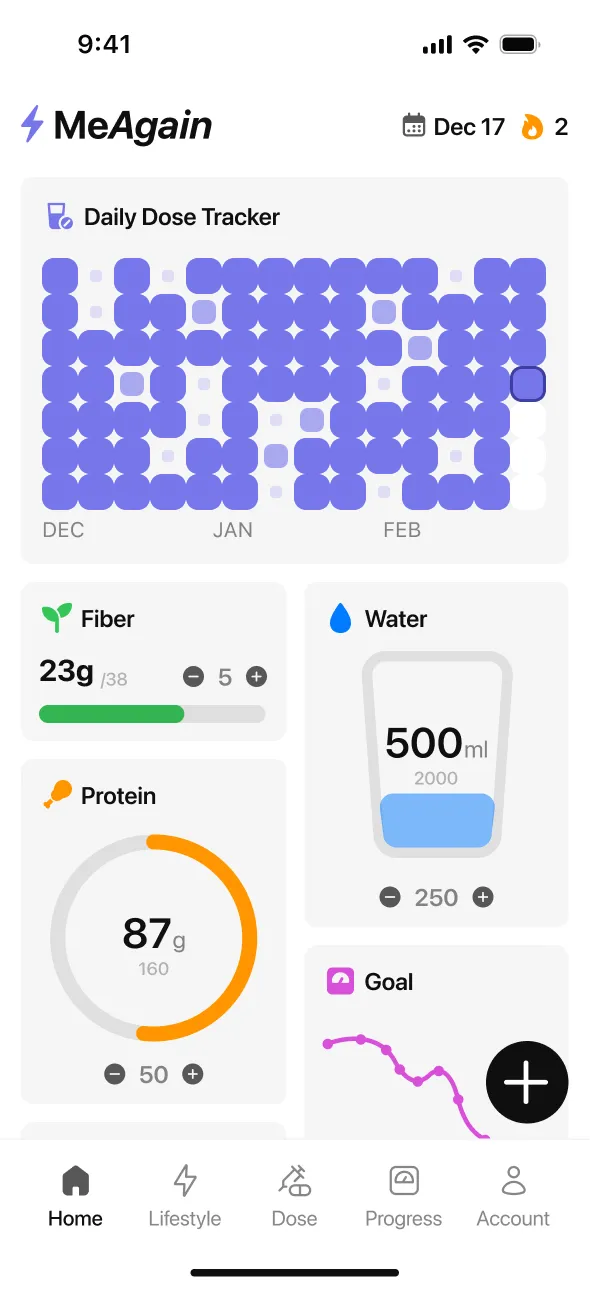
“I've been enjoying the app so far. I love that it focuses on protein, fiber, water, and activity not calories but I can still view my calories easily. The widget is fun and useful to see things at a glance. I love the Capybara encourages you on your low items. It has made starting my journey easier to manage so far.”
How is oral Wegovy different from Rybelsus?
Rybelsus and oral Wegovy are both oral semaglutide tablets, but they are approved for different conditions and use different doses. Rybelsus comes in 3 mg, 7 mg, and 14 mg doses and is FDA-approved specifically for type 2 diabetes blood sugar control, not for weight management. Oral Wegovy uses 1.5 mg, 4 mg, and 9 mg as step-up doses leading to the 25 mg maintenance dose, which is the formulation approved for chronic weight management in adults with obesity or overweight plus a weight-related health condition.
The side-effect profiles are broadly similar at the lower doses, but the 25 mg oral Wegovy tablet is a meaningfully higher dose than any Rybelsus strength. If you have seen Rybelsus discussed in GI-tolerance forums and are wondering whether oral Wegovy will be similar, the answer is: similar in type, likely more intense at the 25 mg maintenance level. People with type 2 diabetes who tolerated Rybelsus at 7 or 14 mg may still need to pace the oral Wegovy step-up carefully.
What happens to side effects when you stop oral Wegovy?
When you stop oral Wegovy, the GI side effects from the drug resolve as semaglutide clears your system. Because the daily tablet produces steadier semaglutide levels than the weekly injection, clearance after stopping is gradual rather than timed to a weekly injection schedule. GI symptoms typically resolve within 1 to 2 weeks of the last tablet as drug levels fall. Hair shedding, if present, continues for a few months (because of the natural hair-cycle lag) before slowing and eventually reversing as weight stabilizes.
The harder reality: appetite returns. Most people notice a significant return of hunger within 1 to 2 weeks of stopping, and real-world data from injectable semaglutide studies — such as STEP-4 — shows that stopping the drug typically leads to substantial weight regain over the following year. If you are considering stopping, talk to your doctor about a tapering plan or transition strategy rather than stopping abruptly. In some cases, staying on a lower maintenance dose is more sustainable than a full stop.