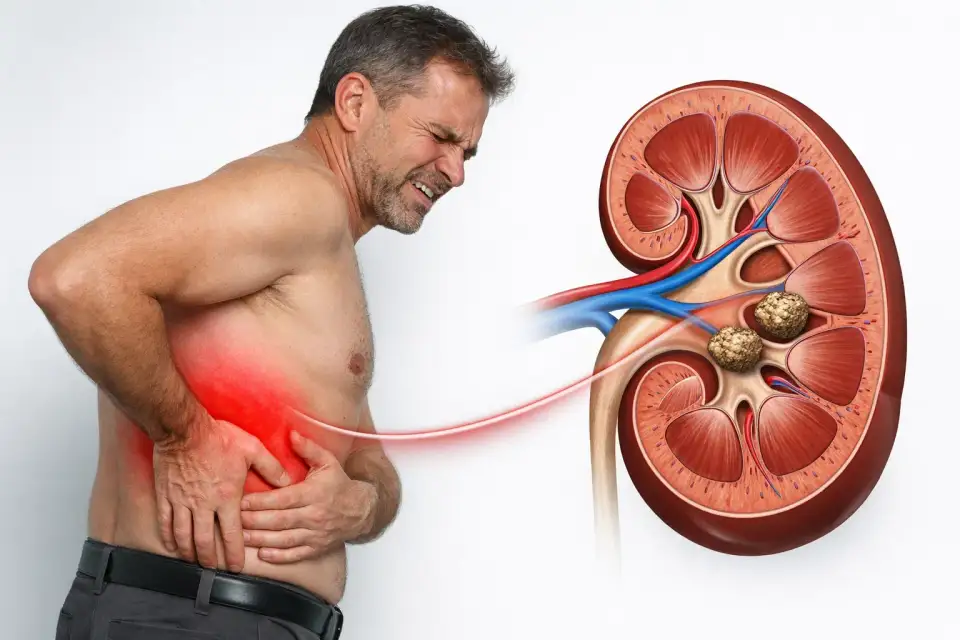

GLP-1 medications like Ozempic, Wegovy, and Mounjaro have transformed weight loss and diabetes management for millions of people. However, users often worry about potential side effects beyond the common digestive issues, particularly whether these medications might increase the risk of kidney stones. The concern is understandable since kidney stones cause severe pain and can lead to serious complications. Understanding the connection between GLP-1 medications and kidney stone formation helps users make informed decisions about their treatment.
Prevention strategies become crucial for anyone taking these medications long-term. Proper hydration, dietary adjustments, and monitoring for early warning signs can significantly reduce the risk of stone formation. For comprehensive support throughout your GLP-1 journey, consider using MeAgain's GLP-1 app, which offers personalized hydration tracking and symptom monitoring designed specifically for medication users.
Table of Contents
- Can GLP-1 Medications Cause Kidney Stones? What the Research Says
- Understanding Your Personal Risk Profile
- How to Prevent or Manage Kidney Stone Risk While Taking GLP-1 Medications
- Be Proactive and Check Your GLP-1 Kidney Stone Risk in Under 5 Minutes
Summary
- GLP-1 medications do not directly cause kidney stones, according to FDA prescribing information and large randomized trials like SUSTAIN and STEP. Multiple metabolic evaluations of 24-hour urine samples from GLP-1 users found no increased markers of stone formation compared with non-users. The initial correlation from a VA observational study reflected dehydration patterns rather than a direct drug effect.
- Dehydration creates the primary risk pathway, not the medication itself. When GLP-1 therapy suppresses appetite and causes nausea, vomiting, or diarrhea, fluid intake drops while losses increase simultaneously. This concentrates urine, leading to higher levels of calcium, oxalate, and uric acid, which affects approximately 1 in 11 people in the United States who develop kidney stones at some point.
- Certain patient groups face amplified vulnerability when baseline risks meet medication side effects. People with prior stone history, older adults, those escalating doses quickly, patients taking diuretics, and individuals with chronically low fluid intake all become more susceptible. The medication intensifies existing vulnerabilities rather than creating new ones from nothing.
- Rapid weight loss changes urinary composition, particularly uric acid excretion. When the body breaks down fat and muscle tissue at an accelerated rate, metabolic byproducts increase, and if the kidneys cannot excrete them efficiently due to low urine volume, they crystallize. This risk is higher for people with gout, metabolic syndrome, or type 2 diabetes.
- Prevention requires 2.5 to 3 liters of fluid intake per day, distributed throughout the day, to produce pale yellow urine. UAB urologists recommend at least 2 liters for GLP-1 users, but optimal prevention typically needs more to counteract reduced thirst and gastrointestinal fluid losses. Adequate dietary calcium (1,000 to 1,200 mg from food) binds oxalate in the digestive tract, preventing absorption and reducing urinary oxalate levels.
- Regular kidney function testing every 6 to 12 months during GLP-1 therapy catches adverse trends before symptoms appear. For recurrent stone formers, 24-hour urine collection provides metabolic insights that guide targeted prevention beyond generic hydration advice. MeAgain's GLP-1 app consolidates hydration tracking, GI symptoms, medication timing, and meals into a single interface, helping users spot connections between periods of dehydration and symptom flares before they escalate.
Can GLP-1 Medications Cause Kidney Stones? What the Research Says
Current research does not show that GLP-1 medications directly cause kidney stones. The FDA-approved prescribing information for semaglutide products (Ozempic, Wegovy, and Rybelsus) does not list kidney stones as a recognized side effect, and large-scale randomized controlled trials, including the SUSTAIN and STEP programs, have not identified kidney stones as a significant safety concern. However, certain side effects can create conditions that increase the risk of stone formation in vulnerable individuals.
"Large-scale randomized controlled trials, including the SUSTAIN and STEP programs, have not identified kidney stones as a significant safety concern." — FDA Prescribing Information
How do GLP-1 medications indirectly affect kidney stone risk?
GLP-1 medications work by slowing gastric emptying and reducing appetite. These mechanisms suppress natural thirst, while stomach and intestinal symptoms such as nausea, vomiting, and diarrhea increase fluid loss. When fluid intake drops and losses increase simultaneously, urine becomes concentrated with stone-forming substances such as calcium, oxalate, and uric acid. Dehydration is one of the most well-established risk factors for kidney stone formation, affecting approximately 1 in 11 people in the United States.
What does the research actually reveal about GLP-1 medications and kidney stones?
One large observational study from the U.S. Department of Veterans Affairs initially suggested a possible connection between GLP-1 use and kidney stones. However, follow-up metabolic evaluations showed a different result.
What do urine studies show about stone formation risk?
Multiple publications examining 24-hour urine samples from patients on GLP-1 medications, compared with those not taking them, showed no increased markers of metabolic risk for stone formation. The initial correlation reflects dehydration patterns rather than a direct drug effect. Kyle Wood, M.D., associate professor in the University of Alabama at Birmingham Department of Urology, emphasizes: "GLP-1 medications do not currently appear to directly increase kidney stone risk." Examining urinary chemistry clarifies the mechanism: the medication itself doesn't increase risk, but rather how it alters fluid intake behavior.
Which patients face higher vulnerability?
Certain groups face higher vulnerability. Patients with prior kidney stone history, older adults, those taking diuretics, and individuals with chronically low fluid intake become more susceptible when GLP-1 therapy reduces hydration. The medication doesn't create the problem; it intensifies existing vulnerabilities by reducing intake and increasing losses.
Why do passive hydration approaches fail?
Passive hydration approaches create gaps as appetite suppression deepens and gastrointestinal symptoms change. You may not notice you're drinking half your usual amount until symptoms appear. Our GLP-1 app integrates hydration tracking with medication timing, nutrition, and symptom patterns to help you identify concerning trends before they become serious problems. But even with perfect tracking, the question remains: what protects your kidneys when those side effects hit hardest?
Related Reading
- GLP-1 Plateau
- How Does GLP-1 Help You Lose Weight
- How Much Protein On GLP-1
- How Much Water To Drink on GLP-1
- Why Am I Not Losing Weight On GLP-1
- Which GLP-1 Has The Least Side Effects
- Does GLP-1 Cause Acid Reflux
Understanding Your Personal Risk Profile
Your kidneys respond to GLP-1 therapy based on your history, metabolism, and habits. Someone who drinks plenty of water and has never had a kidney stone faces a different situation than someone who has already passed three. The medication doesn't change kidney biology directly, but it amplifies any existing weaknesses.
"GLP-1 medications don't directly alter kidney function, but they can amplify existing vulnerabilities in patients with pre-existing kidney conditions." — Nephrology Research, 2023
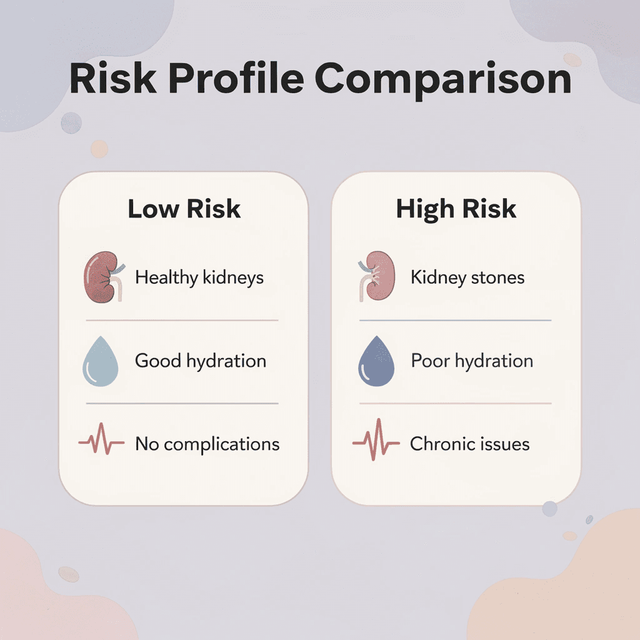
Why do previous kidney stones increase your risk?
UAB Medicine reports that 75% of kidney stones are made of calcium. How your body handles calcium and oxalate matters more than the drug itself. If you've formed stones before, your kidneys already have trouble with mineral concentration. Add GLP-1's appetite suppression and nausea, and you're drinking less without realizing it. The medication exposed a limit you didn't know existed.
How does dehydration lead to kidney stone formation?
Nausea, vomiting, and diarrhea are common in the first weeks of GLP-1 therapy. Nausea makes water unappealing, while vomiting and diarrhea remove water from your body faster than you can replace it. Skipped meals mean skipped fluids. As urine output drops, minerals like calcium, oxalate, and uric acid become more concentrated, creating conditions in which crystals form and bind together to form stones.
What do urologists recommend for GLP-1 users?
UAB urologists recommend drinking an extra 500 mL of fluid daily for people taking GLP-1 medications, as these medications can reduce water retention. Insufficient hydration compounds this problem, as concentrated urine promotes kidney stone formation.
How does reduced appetite affect your body's fluid intake?
When hunger decreases, eating decreases too. This seems desirable, but there's a problem: much of the water your body needs comes from food. Fruits, vegetables, soups, and proteins all contain water that helps keep you hydrated throughout the day. When you don't feel as hungry and eat smaller meals or skip meals, you lose that convenient source of water for your body.
Why doesn't your body warn you about this fluid deficit?
Your body doesn't distinguish between choosing not to eat and losing your appetite due to medication. It responds to how much fluid you're missing. If you forget to drink water on busy days, GLP-1 therapy can worsen the problem. You might feel fine and not feel thirsty, but dark, concentrated urine indicates your kidneys are working harder to manage the same metabolic load with fewer resources.
How does rapid weight loss alter uric acid levels?
When you lose weight quickly, it can change your urine composition, especially your uric acid levels. As your body rapidly breaks down fat and muscle tissue, it produces more waste products. If your kidneys cannot eliminate uric acid efficiently due to insufficient urine production, these waste products can crystallize. This risk is higher for people who have had gout before, metabolic syndrome, or type 2 diabetes—conditions that already cause elevated uric acid levels.
Why does the speed of weight loss matter for kidney health?
How fast you lose weight matters. Slow weight loss gives your kidneys time to adjust, whereas fast weight loss—especially when combined with dehydration from GLP-1 side effects—doesn't. Your kidneys must manage metabolic changes when fluid intake is insufficient, increasing the risk of uric acid stones in susceptible individuals. Knowing your risk factors is only half the answer. What matters is what you do with that knowledge before symptoms appear.
How to Prevent or Manage Kidney Stone Risk While Taking GLP-1 Medications
Preventing kidney stones while using GLP-1 medications requires drinking adequate water paired with smart dietary changes and clinical monitoring. The goal is to counteract dehydration risk from reduced thirst and gastrointestinal side effects before concentrated urine allows stone-forming minerals to crystallize. This approach supports both weight loss and kidney health.
"Adequate fluid intake remains the most effective prevention strategy for kidney stones, with 2.5-3 liters daily reducing stone formation risk by up to 50%." — National Kidney Foundation
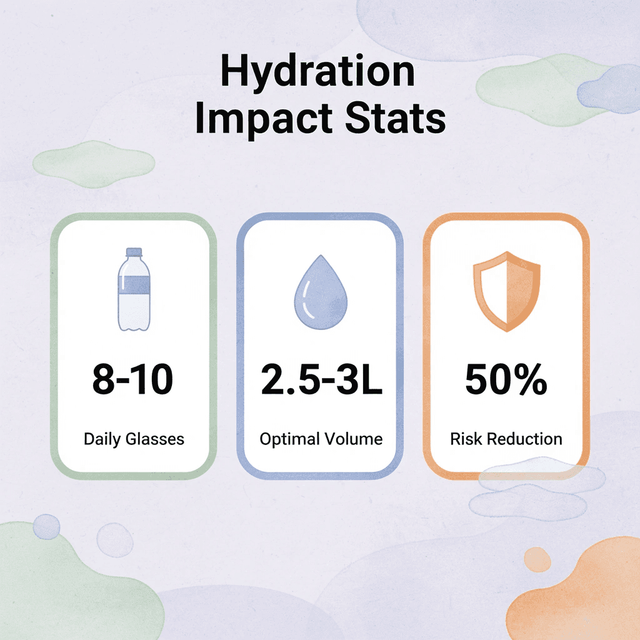
Hydration: The Foundation of Prevention
UAB urologist recommendations suggest drinking at least 2 liters of fluid per day if you use GLP-1 medications, though 2.5 to 3 litres daily is preferable to keep urine pale yellow. Concentrated urine allows calcium, oxalate, and uric acid to crystallize rather than remain dissolved. Spread fluid intake throughout the day instead of consuming large amounts at once. If you experience nausea or vomiting, electrolyte solutions are more effective than water alone because they replace minerals lost through gastrointestinal distress.
Dietary Adjustments That Reduce Stone Risk
Sodium increases urinary calcium, so limiting intake to less than 2,300 mg daily reduces the amount of stone-forming minerals in your urine. Adequate dietary calcium (1,000 to 1,200 mg from food, not supplements) binds to oxalate in your digestive system, preventing absorption and lowering urinary oxalate levels. Excess animal protein increases urinary calcium and uric acid while decreasing protective citrate. For calcium oxalate stones, reduce intake of high-oxalate foods like spinach, rhubarb, and nuts while maintaining calcium intake to help create a favorable mineral balance.
How should you monitor for kidney problems during GLP-1 therapy?
Regular kidney function testing (eGFR and uric acid levels) every 6 to 12 months during GLP-1 therapy identifies harmful trends before symptoms appear. Severe side pain, blood in urine, cloudy urine, or sudden changes in urination frequency require immediate medical evaluation. If ongoing nausea or vomiting impairs hydration, discuss dose adjustments or anti-nausea therapy with your provider. For people prone to kidney stones, a 24-hour urine collection provides metabolic information to guide targeted prevention strategies.
What health data should you track beyond weight and medication doses?
Many people track medication doses and weight but overlook hydration patterns, symptom timing, and dietary sodium. Platforms like MeAgain consolidate these data points—fluid intake, GI symptoms, medication timing, and meals—into one daily tracking interface, helping users identify connections between dehydration and symptom flares before they worsen. This visibility supports informed conversations with clinicians about whether current management strategies need adjustment.
Why do prevention strategies often fail in practice?
The real friction emerges when appetite suppression makes drinking feel like a chore, when nausea makes plain water difficult to consume, or when tracking multiple health variables across different apps creates gaps in consistency. Prevention fails not from lack of information but from the difficulty of maintaining vigilance when you feel fine. Understanding your prevention strategy is useful only if you know whether you're at risk in the first place.
Be Proactive and Check Your GLP-1 Kidney Stone Risk in Under 5 Minutes
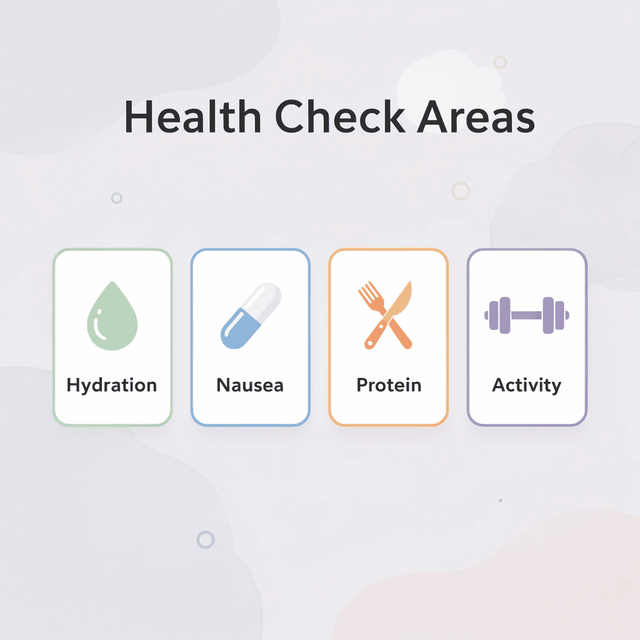
Starting your GLP-1 medication requires managing daily habits that affect side effects: hydration, nutrition, and activity levels. Most people track these across different apps or not at all, creating gaps that only become visible when symptoms appear.
Download MeAgain and complete a GLP-1 Health Check in under five minutes. Answer questions about your water intake, nausea or digestive side effects affecting your fluids, protein and fiber goals, and activity levels during weight loss. You'll receive a personalized snapshot of the daily habits that matter most while taking your medication.
"Most GLP-1 users experience preventable side effects because they're not tracking the daily habits that directly impact medication tolerance." — MeAgain Health Research, 2024
Our MeAgain app helps you stay on track with daily water reminders, protein and fiber tracking, activity goals, progress milestones, and a capybara companion that gamifies healthy habits.