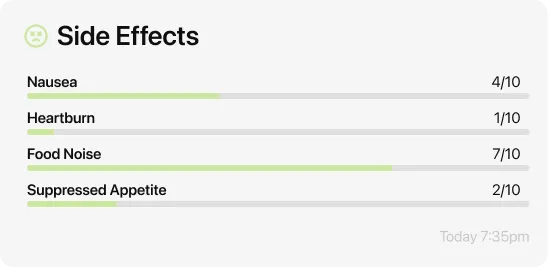
How long do Zepbound side effects last?
For most people, the GI side effects of Zepbound are worst in the first month and fade by week 8. Nausea usually peaks a few days after each dose step-up and then settles as your body adjusts. The reason: tirzepatide stays in your system for about 5 days, according to the FDA Mounjaro clinical pharmacology section, so your body needs about four weeks at each new dose before blood levels stabilize. That’s why the FDA label uses a slow escalation schedule — 2.5 mg for 4 weeks, then 5 mg, then monthly steps up from there.
If you’re reading this because you’re in week 1 or 2 and wondering whether to push through — what you’re feeling is normal, it’s temporary, and it gets measurably better. Most people who stop because of side effects do so before the curve turns. Knowing that changes the math.
If your side effects are not improving after about 4 weeks at a given dose, the usual first move is to stay at that dose instead of stepping up. Your doctor may keep you at 2.5 mg or 5 mg for an extra month before trying the next step. In the 72-week trial that led to Zepbound’s approval, most GI side effect reports clustered in the dose step-up months and tapered for people who stayed on the drug past the first few months.
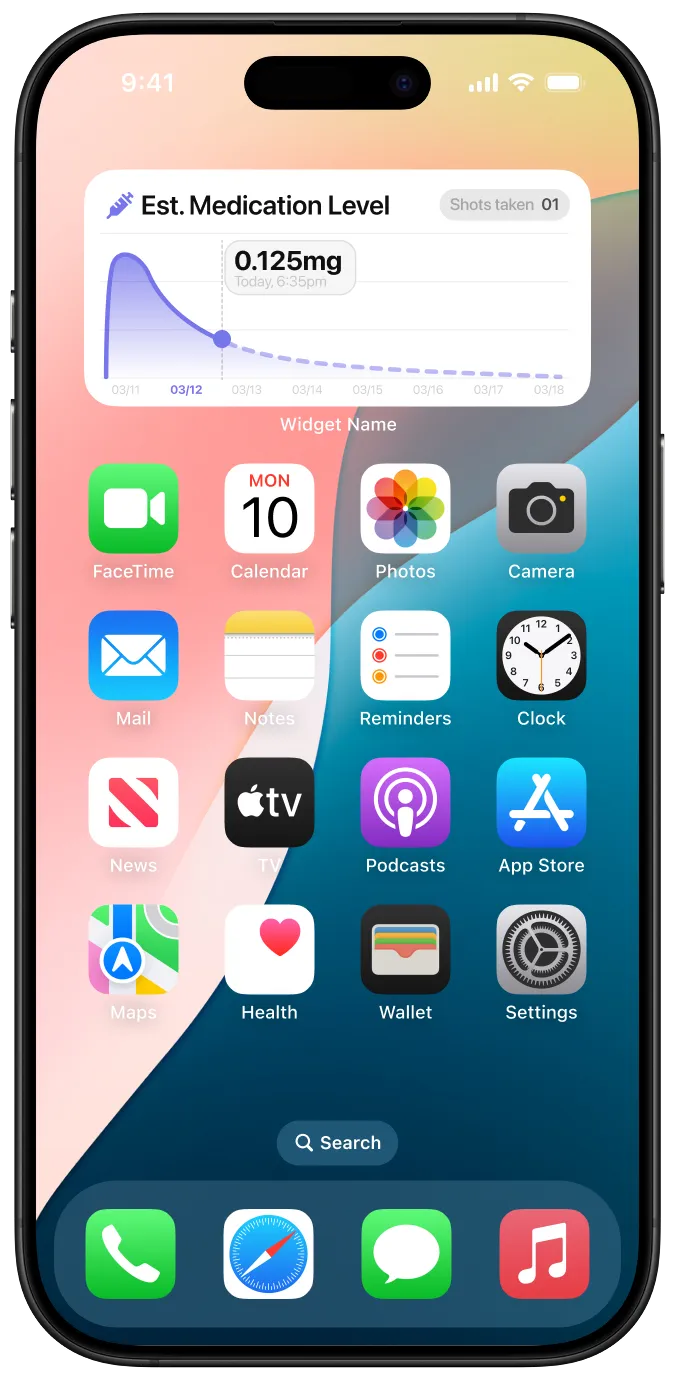
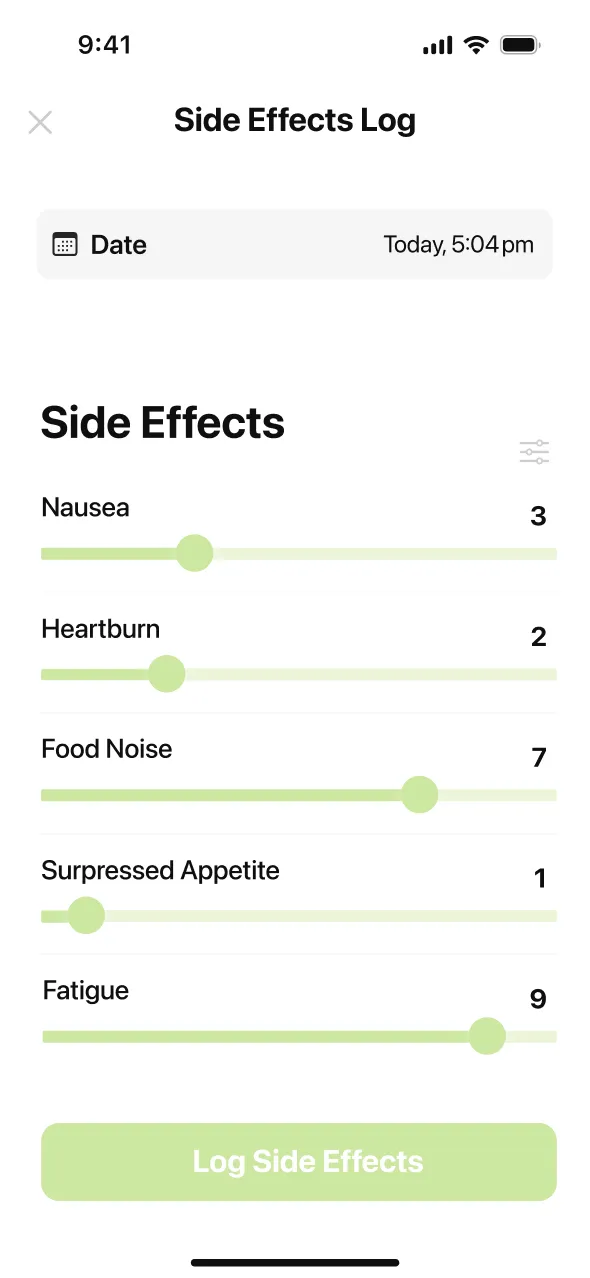
One pattern that shows up repeatedly in MeAgain reviews: users who start logging side effects alongside their food and shot timing find the adjustment period more manageable because they can spot what makes nausea better or worse.
“Love this APP!! Keeps track of ur journey. Very easy to use. I love that if u forget where u did ur shot this keeps track so u know. Tracking my food intake is great too because if I get any medication side effects I can just check here to see what I ate & if that exasperated the symptoms. Everyone on GLP1 should use that APP!!”
The common GI patterns above cover most Zepbound users’ day-to-day experience. The next section shifts to rarer but more serious concerns — pancreatitis, gallbladder disease, acute kidney injury, severe allergic reactions, and the FDA’s thyroid C-cell warning — that warrant a same-day call rather than at-home management.
Which Zepbound side effects are serious?
Most Zepbound side effects are uncomfortable but not dangerous. A small group are red flags: pancreatitis, gallbladder disease, severe allergic reactions, kidney injury from dehydration, and hypoglycemia in people who also take insulin or a sulfonylurea (a type of diabetes pill that lowers blood sugar). The FDA Zepbound prescribing information also carries the agency’s strongest warning about thyroid C-cell tumors, based on rodent studies. Do not take Zepbound if you or a family member have a history of medullary thyroid cancer or MEN 2 (a rare inherited hormone condition).
The single most important red flag is severe, persistent stomach pain — especially if it radiates to the back, comes with vomiting that won’t stop, or if you also notice yellowing of the skin or eyes. These can be signs of pancreatitis or gallstones, and both need a doctor that day, not next week. Call first, then go to urgent care or the ER if you can’t reach your doctor.
Pancreatitis is the one that gets the most attention. The FDA Adverse Event Reporting System (FAERS) dashboard shows a small number of reports of acute pancreatitis in people on tirzepatide, though the overall incidence in the SURMOUNT-1 trial was very low. Signs to watch for: sudden, severe pain in the upper stomach that bores through to your back, especially if it comes with nausea or vomiting that won’t let up. This is not something to sit on until your next appointment — it needs same-day evaluation.
Gallbladder issues are the other serious category. Rapid weight loss — from any cause, not just GLP-1 drugs — increases the risk of gallstones because the liver dumps more cholesterol into bile when fat is mobilized quickly. The Zepbound label specifically warns about gallstones. If you develop sharp pain in the upper right abdomen, especially after eating, that’s worth a call.
!Call your doctor right away if you notice any of these
- Severe stomach pain that won’t go away
- pain that spreads to your back
- vomiting that lasts more than 24 hours
- yellow skin or eyes
- fast heartbeat with sweating or confusion
- a lump in your neck
- trouble breathing or swallowing
- a rash with swelling of the face, lips, or tongue.
What’s the best way to manage Zepbound nausea?
The three tactics that work for most people: eat small protein-first meals on shot day, hydrate aggressively, and slow your dose step-up if your doctor agrees. Nausea on Zepbound is strongest when your stomach is empty or when you eat large, high-fat meals — so the move is to eat before you feel hungry, keep portions small, and make the first few bites protein.
The protein-first strategy
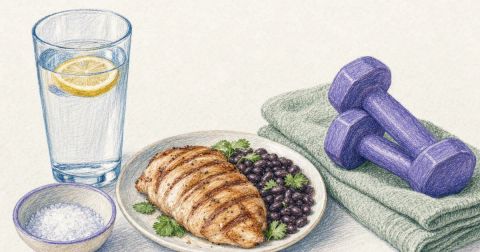
- Eat a small protein-led meal 1–2 hours before your shot. Greek yogurt, eggs, a protein shake, or chicken and rice all work.
- Sip water throughout the day. Aim for at least 64 oz; more if you’re sweating or have diarrhea.
- Avoid fried food, very greasy meals, and large portions for 48 hours after each shot.
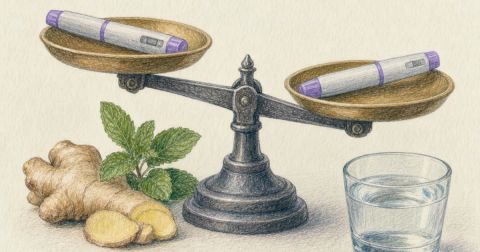
- Try ginger (tea, candies, or capsules) or peppermint for mild queasiness. Both have evidence for reducing nausea.
- If you’re still struggling at week 3, ask your doctor whether slowing your dose schedule makes sense for you.
Hydration targets for Zepbound
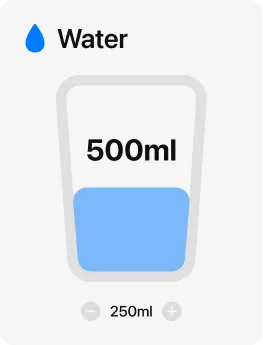
On the hydration target: 64 ounces is a starting floor, not a ceiling. On shot days and for 48 hours after, many people find they need closer to 80–90 ounces to keep nausea and headaches in check. The reason is that tirzepatide can cause mild dehydration through reduced fluid intake (you drink less when you eat less) and occasional diarrhea. A simple rule that works: fill a 32-ounce water bottle in the morning, refill at lunch, and refill again in the afternoon. If your urine is dark yellow, you’re behind. Electrolyte packets or tablets can help if plain water feels hard to stomach.
“I had been on a GLP -1 for over 4 months before I discovered Me Again. I wish I had it from the beginning! I learned things about how to make my injection more effective. I had struggled with nausea quite a bit, but learning how to take the shot "sandwiched" with protein helped my nausea considerably! 6 months in and I’m down 62 pounds!! Me again made the past 6 weeks go more smoothly.”
Her September 2025 review opens with a line that will sound familiar to a lot of people: “I had been on a GLP -1 for over 4 months before I discovered Me Again.” Many people spend the first several weeks pushing through nausea on their own before finding the small changes that make the biggest difference — eating protein first, not skipping meals, and treating hydration as part of the routine.
Does Zepbound cause diarrhea?
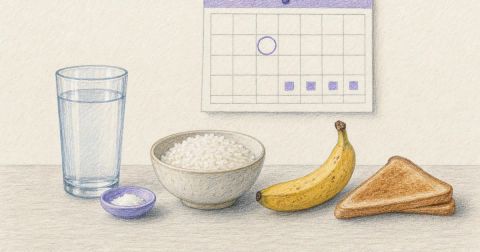
Diarrhea affects about 19–23% of Zepbound users, per the FDA’s prescribing information, and usually shows up in the first one to two weeks after starting or stepping up. It is almost always mild and settles within a week. The most common triggers are very high-fat meals and sugar alcohols — sorbitol, xylitol, and erythritol are common in protein bars and sugar-free snacks, so check labels. Stay hydrated, cut back on fatty food for a few days, and stick with a bland diet — rice, bananas, toast, boiled potatoes — until it passes. If diarrhea is bloody, lasts more than 3 days, or comes with dehydration symptoms, call your doctor.
Does Zepbound cause heartburn?
Some Zepbound users report heartburn or acid reflux, especially in the first few weeks and after dose step-ups. The mechanism is the same one behind nausea: tirzepatide slows stomach emptying, so food and stomach acid sit higher and longer than they normally would. Eating large meals, lying down within two hours of eating, or consuming acidic or spicy foods can make it worse. The practical fix: eat smaller meals, stay upright for at least 30 minutes after eating, and avoid eating close to bedtime. Over-the-counter antacids can help in the short term — ask your pharmacist if you’re using them more than a few times a week. If heartburn is persistent or worsening, let your doctor know, especially if it comes with trouble swallowing or chest pain.
Does Zepbound cause constipation?
Constipation affects 11–17% of users per the Zepbound label. Tirzepatide slows digestion, which is part of how it works to keep you full — but that slower transit also dries out stool. The fix is boring and effective: more water, more fiber (25–35 grams a day from vegetables, legumes, chia, or ground flax), and daily walking. If fiber and water alone are not enough, ask your pharmacist about an over-the-counter stool softener (such as docusate) or osmotic laxative (such as magnesium citrate at night) — they can recommend what’s right for you. If you go more than 3 days without a bowel movement or the pain is severe, call your doctor.
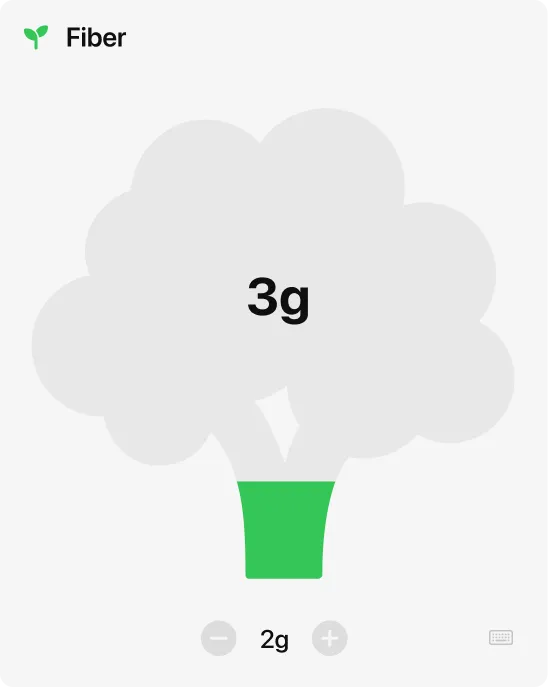
A practical fiber ladder for the first month: start with what you already eat (most Americans get about 15 g/day), then add one high-fiber food per meal every few days. Chia seeds (10 g per tablespoon), ground flaxseed (3 g per tablespoon), lentils (15 g per cup), raspberries (8 g per cup), and avocado (10 g per half) are the most fiber-dense foods per bite. Going from 15 g to 30 g gradually over 2 weeks usually avoids the bloating that comes from jumping there overnight.
Does Zepbound cause headaches or fatigue?
Yes, but both are usually mild and short-lived. About 5–7% of people in the SURMOUNT-1 trial (Jastreboff et al., NEJM 2022) reported fatigue, usually in the 48–72 hours after each shot, when tirzepatide levels peak. Headaches show up in roughly the same window and affect a similar share of users. The underlying cause is often dehydration or low blood sugar from eating much less than usual — the drug suppresses appetite so effectively that some people skip meals without realizing it.
Caffeine can help headaches, but be careful: coffee on an empty stomach when your appetite is already suppressed often makes nausea worse. A better sequence is a small protein snack, then coffee, then water. If headaches persist past week 3 at the same dose, mention it at your next check-in — it’s worth ruling out other causes like caffeine withdrawal (some people naturally drink less coffee when food aversion kicks in) or dehydration from diarrhea.
The playbook: set a water target you actually hit — the drug blunts thirst signals, so waiting until you feel thirsty is too late. Eat protein even when you’re not hungry, and don’t schedule heavy workouts for the day after your shot in the first month. Most people find fatigue fades by week 6 to 8 as their body adjusts to eating less.
Does Zepbound cause hair loss?
Yes, a small number of people on Zepbound notice hair shedding — usually between weeks 4 and 12 after starting. The FDA Zepbound prescribing information lists hair loss (alopecia) as a common adverse reaction, affecting about 4–5% of people on tirzepatide versus 1% on placebo across the SURMOUNT trial program. It is almost always reversible and tied to how fast you lose weight, not to the drug directly.
The mechanism is called telogen effluvium. Any rapid, sustained weight loss — surgery, pregnancy, a crash diet, or a strong GLP-1 — pushes a larger share of hair follicles into the resting phase at the same time, and about three months later those hairs fall out together. The reassuring part: once your weight stabilizes, follicles cycle back to normal. Dermatology literature on telogen effluvium puts typical resolution in the 6 to 12 month window after the triggering stressor settles.
Two things seem to help reduce the severity, based on general dermatology guidance for stress-triggered hair shedding: getting enough protein (aim for 0.7–1.0 g per pound of goal body weight per day) and avoiding very low calorie days. When the body is in a sustained calorie deficit AND low on protein, it prioritizes vital organs over hair follicles — that’s why the protein target is so important. A multivitamin with iron and zinc is reasonable if your bloodwork shows low levels, since both minerals support the hair growth cycle.
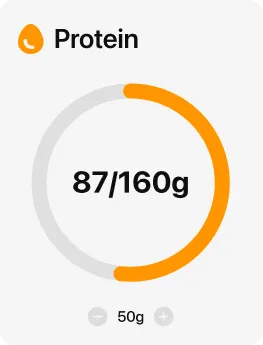
Tracking protein and fiber daily is the single most actionable thing you can do for both hair health and constipation. A lot of people find that making the target visible — not just a number in their head — changes whether they actually hit it.
“I’ve been on MeAgain for about 3 weeks to help me stay on track with my protein, fiber and water needs while taking my Zepbound. I really like the ease of tracking foods and the fact that I can see my progress.”
Are Zepbound side effects worse for women?
The short answer is slightly. Published sex-subgroup analyses of GLP-1 medications consistently show women reporting GI side effects — nausea, vomiting, constipation — at slightly higher rates than men, but the gap is smaller than most headlines suggest and the serious risks are the same for everyone. The FDA Zepbound label does not flag sex as a dose-modifying factor.
There are a few things that are specific to women. Zepbound can make hormonal birth control pills less reliable for 4 weeks after you start or step up — the label recommends using a backup method like a condom or switching to a non-oral method during those windows. The mechanism: tirzepatide slows stomach emptying, which can change how quickly an oral contraceptive is absorbed. An IUD, implant, or other non-oral method is unaffected.
Hair shedding seems to show up more often in women than men in both the trial data and real-world reports, again tied to the rate of weight loss rather than to the drug itself. Women also tend to have longer hair and notice shedding more visibly, which may amplify the perceived severity compared to what clinical trials measure.
If you are pregnant, planning to become pregnant, or breastfeeding, Zepbound is not recommended. The FDA advises stopping tirzepatide at least 2 months before a planned pregnancy because of its long half-life. If you discover you are pregnant while on Zepbound, contact your doctor — this is not an emergency, but the drug should be discontinued. The question of when to restart after pregnancy or breastfeeding is one to discuss individually with your doctor.
What do the first two weeks on Zepbound actually feel like?
The first two weeks are the adjustment period. Most people feel nausea and reduced appetite within 24–48 hours of the first 2.5 mg shot, with the roughest window between days 2 and 5. By the end of week 2, symptoms have usually softened as your body adjusts, even though tirzepatide levels are still building toward their plateau.
The first shot is 2.5 mg — the lowest dose, meant to introduce the drug to your body rather than produce weight loss. Most people feel something within 24–48 hours: a noticeable drop in appetite, mild queasiness after meals, and sometimes a persistent fullness that doesn’t match how much you ate. A smaller group feels almost nothing at 2.5 mg and wonders whether the shot worked at all. Both reactions are normal.
Days 2 through 5 are typically the hardest. Nausea tends to spike in the 48–72 hour window when tirzepatide blood levels are highest. Eating feels like a chore, water tastes boring, and the idea of cooking a full dinner sounds exhausting. This is the window where the protein-first strategy matters most: Greek yogurt, a protein shake, eggs, or even just cheese and crackers — something small, every 3–4 hours, so your stomach is never completely empty.
By the end of week 1, most people notice that the nausea has backed off to a low hum rather than a wave. Appetite stays suppressed, but you start to figure out which meals sit well and which don’t. High-fat, large-volume meals are almost always the trigger — the drug slows stomach emptying, so a burger and fries that used to be fine now sits like a brick.
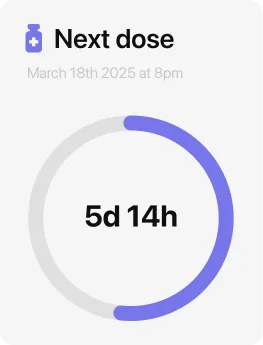
Week 2 is usually noticeably easier than week 1. Your body has had two half-lives (∼10 days) to find a rhythm with the drug. Most people start to see a small weight change — 2–4 pounds, mostly water and reduced food volume, not fat loss yet. The real weight loss begins at 5 mg, which is why the FDA label keeps you at 2.5 mg for a full 4 weeks: it’s building tolerance so the step-up is manageable.
What happens when you step up from 2.5 mg to 5 mg?
The step from 2.5 mg to 5 mg at week 4 is the one people ask about most. After a month of adjusting to the starter dose, the second shot at the new level often brings a mini-replay of week 1: nausea comes back for a few days, appetite drops further, and energy dips. The good news is that it’s usually shorter and milder than the first round because your body has already met the drug.
This is also the step where real weight loss tends to begin. In the pivotal 72-week tirzepatide trial, the 5 mg arm showed meaningful weight reduction compared to placebo by week 12. For many people, the pattern repeats at each subsequent step-up (7.5 mg, 10 mg) but with diminishing side-effect intensity — the body gets progressively better at adjusting.
A practical tip for step-up week: schedule the dose increase on a day where the next 48–72 hours are low-pressure. Avoid stepping up the night before a big meeting, a travel day, or a family event. Stock easy-to-digest high-protein foods in advance (yogurt, eggs, a rotisserie chicken, protein shakes) so you don’t have to think about cooking when your appetite tanks. And set a water alarm on your phone — one of the simplest things you can do, and the most commonly forgotten.
How to talk to your doctor about Zepbound side effects
Three things your doctor actually wants to know: which symptoms you’re experiencing and how severe they are on a 1–10 scale, whether they’re improving or worsening compared to last week, and whether any of them are affecting your daily life enough that you’re considering stopping.
A lot of people find it hard to bring up side effects at their appointment, especially if they feel like they’re complaining about something they chose. You’re not complaining. Side effects are clinical information your doctor needs to make dosing decisions, and they hear about them every day. If you log symptoms regularly — even just a quick daily rating — walking in with a week-by-week summary makes the conversation faster and more useful for both of you.
Useful phrases that cut through small talk: Nausea is running about a 5 out of 10 this week, which is better than last week’s 7. Or: I’m having trouble eating enough protein because of the nausea — should I slow my dose? Or: My hair is shedding and I want to know if you think I should adjust anything. Direct, specific, and tied to a decision your doctor can help you make.
Having that data ready makes a difference. When your symptoms, meals, and shot timing are already logged, you walk in with the summary instead of trying to reconstruct the past two weeks from memory.
“The app has everything! Versatile and easy to use food searching, a dashboard with protien, water and fiber progress, activity tracker and shot reminders that also let you know where your last shot was so you rotate areas. Also lets you easily track side effects. I feel so supported.”
What about Zepbound injection site reactions?
Injection site reactions — redness, swelling, itching, or a small bruise at the spot where you gave the shot — are listed as common on the Zepbound label. They are almost always mild and resolve within a few days. Rotating your injection site (alternating between your stomach, thigh, and upper arm) helps prevent localized irritation. If you notice a hard lump that doesn’t go away, spreading redness that gets larger over 24 hours, or signs of infection (warmth, pus, fever), call your doctor.
What happens to side effects if you stop Zepbound?
If you stop taking Zepbound, side effects from the drug itself resolve as tirzepatide clears your system — typically over about 25 days, or roughly three and a half weeks, since tirzepatide’s half-life is about 5 days per the FDA label and its concentration drops by roughly half every 5 days. Nausea, vomiting, and fatigue end first. Constipation may linger slightly longer as your digestive transit returns to its normal speed.
The harder reality: appetite comes back. Most people notice a significant return of hunger within 1–2 weeks of their last shot, and the clinical data confirms this — the SURMOUNT-4 trial (Aronne et al., JAMA 2024) showed that people who stopped tirzepatide after 36 weeks regained about two-thirds of the weight they had lost by week 88. If you are considering stopping, talk to your doctor about a tapering plan or a maintenance strategy rather than stopping abruptly.
How side effects change with each Zepbound dose step
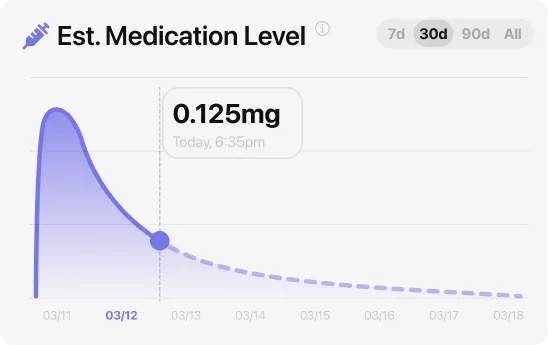
Side effects are strongest right after each dose step-up and get progressively milder as your body adjusts. Many people find their best balance at 10 mg without needing to reach 15 mg — the efficacy gap between the two doses was only about 1.4 percentage points in the pivotal trial, but the tolerability difference is meaningful for many people.
The Zepbound label uses six dose steps: 2.5, 5, 7.5, 10, 12.5, and 15 mg. You stay at 2.5 mg for the first 4 weeks, then step up one level at a time — usually monthly — until you reach either the dose your doctor picks or your tolerance ceiling. In practice, the first 2.5 mg month is meant as a run-in dose to let your body meet the drug, and most weight loss kicks in from 5 mg on.
An important thing the label doesn’t spell out: you don’t have to reach 15 mg. Many people find their sweet spot at 10 mg and stay there. In SURMOUNT-1 (Jastreboff et al., NEJM 2022), the two highest dose groups achieved roughly similar weight reduction over 72 weeks, with the gap between them small enough that many doctors prefer the lower dose for the better side-effect profile. Staying at a lower dose often means fewer GI issues and less fatigue with most of the weight-loss benefit. Your doctor can help you find the dose where results and tolerability balance.
| Dose step | Duration | What to expect |
|---|---|---|
| 2.5 mg | 4 weeks (starter dose) | First nausea. Appetite already drops noticeably. Minimal weight change. |
| 5 mg | 4+ weeks | Real weight loss starts. Nausea often peaks in the first 2 weeks after stepping up. |
| 7.5 mg | 4+ weeks | Stronger appetite suppression. Some people add hair shedding around this step. |
| 10 mg | 4+ weeks (common maintenance) | Many people settle here. GI side effects start to fade after the first 2 weeks. |
| 12.5 mg | 4+ weeks | Step up only if 10 mg isn’t producing enough weight loss. Tolerability usually holds. |
| 15 mg | Maintenance | Highest approved dose for weight management. Used when lower doses plateau. |
Source: FDA Zepbound prescribing information (2025), Dosage and Administration section.
Understanding your dose curve — when levels peak, when they taper — makes the whole adjustment period feel less random. That’s also the part MeAgain’s AI companion Capy is best at: correlating your side-effect log with your medication timing to surface patterns you’d miss on your own.
“This has been exactly what I needed. I am able to ask the AI for summaries to provide my doctor. I can have it evaluate estimated amounts of medication in my system with self-reported side effects to map trends so I can better predict how it will affect me (still new to the med). The capybara widget on my Home Screen helps me meet my daily nutritional and movement goals. It’s been great!”