

GLP-1 medications have transformed weight loss and diabetes management for millions, but a growing number of users are reporting troubling digestive side effects that go beyond typical nausea. Stories of severe stomach paralysis, delayed gastric emptying, and persistent vomiting have sparked urgent questions about the relationship between these popular drugs and gastroparesis. Understanding whether these medications can trigger lasting digestive damage matters for your health and peace of mind. The medical evidence, patient experiences, and expert perspectives reveal important warning signs that users should recognize before complications develop.
Tracking symptoms and medication responses is essential when using GLP-1 treatments, especially to identify digestive changes that might signal gastroparesis or other concerns. Monitoring side effects and documenting patterns gives you valuable data to share with your healthcare provider. Rather than navigating these powerful medications alone, consider using the GLP-1 app to monitor how your body responds over time.
Table of Contents
- Can GLP-1 Medications Cause Gastroparesis?
- Who Is Most at Risk of Developing Gastroparesis on a GLP-1?
- How to Manage Semaglutide-Induced Gastroparesis
- Want to Stay Ahead of GLP-1 Digestive Side Effects Before They Escalate?
Summary
- GLP-1 medications intentionally slow gastric emptying as part of their therapeutic mechanism, but delayed gastric emptying and clinical gastroparesis are not the same. Studies show less than 2% of patients develop gastroparesis as a side effect, though the confusion between intended drug action and true diagnosis leads many to assume normal digestive changes signal a serious condition.
- Patients using GLP-1 receptor agonists face a 45% increased risk of developing GERD, according to research published in JAMA, and nerve or muscle damage can stop food from moving through the gastrointestinal system entirely. The same fullness that prevents overeating can progress to chronic nausea, vomiting, abdominal pain, intestinal blockages, and, in severe cases, malnutrition requiring hospitalization.
- Risk concentrates among patients with pre-existing diabetes, who face a 2 to 3-times higher gastroparesis risk due to vagus nerve damage from years of elevated blood sugar. Adding a medication that slows gastric emptying on top of existing nerve dysfunction compounds risk factors rather than simply adding them, particularly when patients escalate doses rapidly or remain on maximum doses for extended periods.
- Gastroparesis linked to GLP-1 medications usually reverses when the drug is stopped or the dose is reduced, unlike gastroparesis caused by diabetes or other chronic conditions. Symptoms are side effects of the medication rather than permanent damage, though they can still disrupt daily function enough to require treatment changes or discontinuation.
- The speed of dose escalation directly impacts symptom severity. Patients who escalated from 0.25 mg to 1 mg of semaglutide within two weeks experienced more severe gastrointestinal effects than those who titrated slowly, according to research published in Cureus. Staying at a current dose for additional weeks allows central tolerance to develop without sacrificing therapeutic benefit.
- MeAgain's GLP-1 app addresses this by consolidating dose tracking, nutrition goals, and symptom patterns into daily check-ins that reveal whether digestive changes represent normal adjustment or warning signs requiring clinical attention.
Can GLP-1 Medications Cause Gastroparesis?
Yes, GLP-1 medications can slow stomach emptying. However, slowed gastric emptying and gastroparesis are not the same thing. True gastroparesis appears uncommon but has been reported.

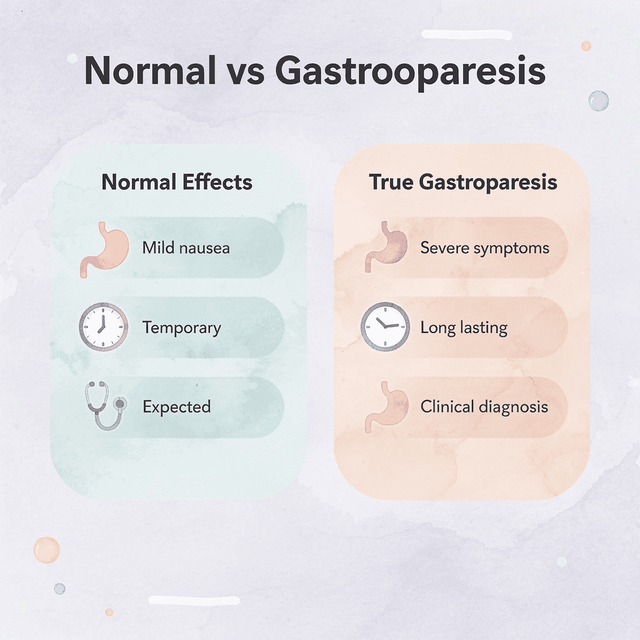
"The confusion happens because people mix up the drug's intended effect with a clinical diagnosis that requires specific criteria and symptoms that last a long time."
How do GLP-1 medications slow stomach emptying?
GLP-1 drugs like Ozempic, Wegovy, Trulicity, Mounjaro, and Reybelsus work by slowing stomach emptying so you feel fuller longer, the intended mechanism for weight loss and blood sugar control. Gastroenterologist Pranav Periyalwar, MD, explains: "Gastroparesis is a delay in how fast the stomach empties. Sometimes it's caused by diabetes and years of nerve damage in the gut, which decreases stomach motility. Sometimes it's idiopathic, meaning there's no clear cause. And sometimes, it's caused by a GLP-1."
What digestive problems can GLP-1 medications cause?
Research published in the Journal of the American Medical Association (JAMA) found that patients using GLP-1 receptor agonists had a 45% increased risk of developing GERD compared to those not using these medications. Additional studies link these drugs to serious intestinal problems when nerve and muscle damage impairs the movement of food through the gastrointestinal tract.
The same early fullness that stops overeating can slow the gut enough to cause both diarrhea and constipation.
What are the key symptoms to monitor?
Gastroparesis symptoms include chronic nausea and vomiting, abdominal bloating and pain, intestinal blockages, malnutrition, and, in severe cases, organ failure. According to Dr. Periyalwar, broader "motility issues" (changes in how food moves through the digestive system) are more common than true gastroparesis.
"Motility issues can occur in the esophagus, stomach, small intestine, or large intestine, and all can potentially result in symptoms," he said. Constipation is the most frequent problem, but it can often be managed with fiber or laxatives.
How can tracking help identify concerning patterns?
Most people taking GLP-1 medications don't track their symptoms consistently enough to notice patterns or distinguish temporary discomfort from something more serious. Our MeAgain app helps you monitor digestive changes, document side effects such as nausea or bloating, and identify patterns that might indicate gastroparesis or other concerns.
You get data to share with your healthcare provider and a clearer picture of how your body responds to the medication.
Is GLP-1 gastroparesis reversible when you stop the medication?
Gastroparesis caused by diabetes or other health issues can be chronic, lasting months or years. When linked to GLP-1s, gastroparesis is usually not permanent. "The gastroparesis symptoms are side effects of GLP-1s," said Dr. Periyalwar. "Stopping the GLP-1 or reducing the dose will usually improve it."
The overall risk is low: studies show rates of less than 2% with gastroparesis side effects. GLP-1-based therapies are associated with predictable GI adverse effects, most of which are mild to moderate and manageable, according to research published in Diabetes, Metabolic Syndrome and Obesity.
Although gastroparesis is rarely dangerous, its symptoms—nausea, constipation, or diarrhea—can affect daily life. "They're not life-threatening, but I always tell patients that these side effects are a possibility. You can lose weight, but it also may affect your digestion," said Dr. Periyalwar.
Do the benefits of GLP-1 medications outweigh the risks of gastroparesis?
Doctors often see the benefits of GLP-1s outweighing the risks. The drugs help with diabetes and weight loss and may treat other conditions. "It can help prevent metabolic syndrome," said Dr. Periyalwar.
"And it has been effective with fatty liver. We haven't had a good treatment for metabolic-associated liver disease, so this can help reduce visceral fat buildup." However, because GLP-1 drugs are still relatively new in widespread use, some questions remain.
"We still don't know the long-term effects of GLP-1 use," said Dr. Periyalwar. "Understanding that, along with current side effects, is your best tool for deciding about the medication."
Not everyone faces the same level of risk when taking these medications.
Related Reading
- GLP-1 Plateau
- How Does GLP-1 Help You Lose Weight
- How Much Protein On GLP-1
- How Much Water To Drink on GLP-1
- Why Am I Not Losing Weight On GLP-1
- Does GLP-1 Cause Cancer
- Can GLP-1 Cause Kidney Stones
- Which GLP-1 Has The Least Side Effects
- Does GLP-1 Cause Acid Reflux
Who Is Most at Risk of Developing Gastroparesis on a GLP-1?
GLP-1 medications slow gastric motility by working on gut-brain signaling pathways that control stomach emptying. Mild slowing helps control appetite, but higher doses, high baseline gut sensitivity, or diabetes-related nerve damage can over-suppress motility, causing food to stay in the stomach, pressure buildup, and delayed emptying that feels like persistent nausea or fullness. Managing this means finding a workable balance between the helpful slowing effect and normal digestion.

"Higher doses and diabetes-related nerve damage can over-suppress motility, causing food to stay in the stomach and creating pressure buildup that leads to delayed emptying."

Why are diabetes patients at higher risk?
Risk isn't evenly distributed among GLP-1 users. Patients with diabetes, especially those with poor blood sugar control, face significantly higher vulnerability. According to Fella Health, they have a 2-3 times higher risk of developing gastroparesis because years of elevated glucose damage the vagus nerve that controls stomach muscle contractions. Adding a GLP-1 medication that intentionally slows gastric emptying on top of existing nerve damage multiplies risk factors rather than adding them linearly.
How do existing digestive issues affect risk?
Anyone with a history of digestive disorders starts from a different place. If you've dealt with chronic nausea, GERD, or unexplained stomach issues before starting a GLP-1, the medication's effect on gastric motility can push an already fragile system into dysfunction. Your baseline matters more than the medication's average effect.
How do higher doses affect gastroparesis risk?
Higher doses and longer treatment periods transform this from a theoretical concern into something measurable. Rapidly escalating from 0.25 mg to 1 mg of semaglutide or maintaining the highest doses for extended periods intensifies the effects on gastric emptying.
Digestive changes in the first few months are normal, but symptoms that persist or worsen after six months indicate something beyond adjustment to the medication. The medication places ongoing stress on a system that may already be compromised.
Why is tracking patterns essential for safety?
Tracking patterns becomes important when dealing with these risk factors. Tools like MeAgain help you connect dose changes, meal timing, and digestive symptoms in one place, making it easier to spot when delayed emptying requires medical attention.
You're building the record that helps your provider make faster, better-informed decisions about whether your current dose or medication remains appropriate.
What warning signs indicate gastroparesis has developed?
Ongoing nausea beyond the first few weeks, feeling too full hours after eating small meals, or vomiting food from meals eaten six or more hours earlier indicates slower-than-normal stomach emptying. According to Diabetes, Metabolic Syndrome and Obesity, GLP-1-based therapies are linked to predictable stomach and digestive side effects, most of which are mild to moderate and manageable.
Knowing when symptoms worsen requires tracking their frequency and severity, noticing when what felt manageable two weeks ago now impairs eating, work, or sleep.
Why do people respond so differently to the same medication?
Individual variability means your experience won't be the same as someone else's, even with the same diagnosis and dose. Some people tolerate the highest doses of Mounjaro without major digestive problems, while others develop serious symptoms at starter doses of Ozempic.
Your body's response depends on factors that blood tests can't predict: vagus nerve integrity, existing gut motility patterns, the rate of dose escalation, and diet. This is biological variability, not willpower, making personalized monitoring more valuable than population averages.
Knowing your risk factors is only half the equation; the other half is knowing what to do when symptoms appear.
How to Manage Semaglutide-Induced Gastroparesis
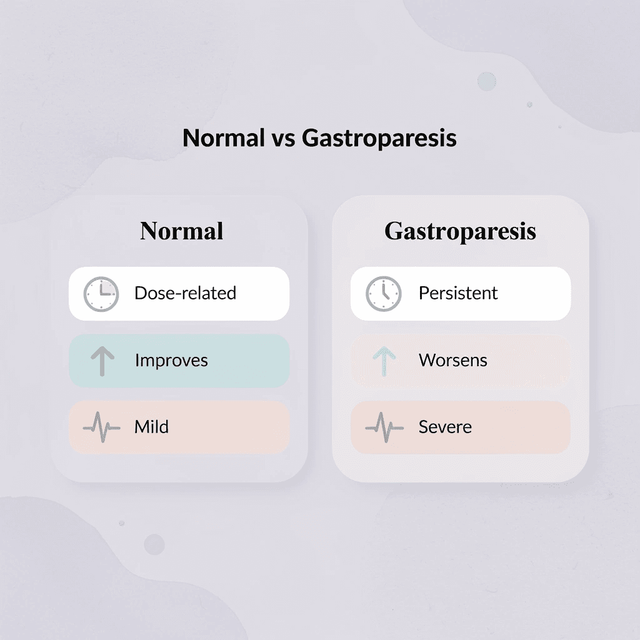
Determine whether symptoms are normal medication effects or real gastroparesis requiring treatment. Doctors assess general symptoms (fever, weight loss) and detailed stomach and intestinal patterns: nausea, vomiting frequency, belly pain location and type, bloating, feeling full quickly, and changes in bowel habits. Timing is crucial: symptoms appearing after a dose increase and improving within a few days suggest normal adjustment; symptoms that persist or worsen, especially with severe belly pain, warrant further testing.

"Symptoms that persist or worsen beyond 72 hours after a dose adjustment, particularly with severe abdominal pain, warrant immediate medical evaluation." — Gastroenterology Clinical Guidelines, 2024

Normal Adjustment | True Gastroparesis |
|---|---|
Symptoms appear after dose increase | Symptoms persist regardless of dosing |
Improve within 2-3 days | Worsen over time |
Mild nausea and bloating | Severe abdominal pain |
Temporary appetite changes | Persistent early satiety |
When symptoms demand immediate attention
According to Southwest General, GLP-1 medications intentionally slow digestion, so some nausea is expected. Contact your doctor immediately if you experience persistent vomiting, increasing abdominal pain (especially in the upper left or middle region within minutes of eating), fatigue with digestive symptoms, or unresolved diarrhea or constipation. These patterns suggest complications beyond delayed stomach emptying: acute pancreatitis, gallbladder disease, kidney injury, or true gastroparesis requiring medication changes. Elevated amylase and lipase levels confirm pancreatitis; at that point, semaglutide must be discontinued immediately.
Dietary modifications that actually work
Most patients who develop stomach symptoms on semaglutide can continue treatment with targeted dietary changes. Smaller, more frequent meals reduce digestive burden and stabilize blood sugar, preventing nausea from glucose dips. High-fat foods (fried items, fast food, fatty cuts of meat) and high-sugar foods intensify nausea by taking the longest to digest; eliminate them during adjustment. Avoid eating within three hours of bedtime, as delayed stomach emptying means food sits longer in your stomach, compounding reflux and discomfort. Drink 64 ounces of water daily to prevent nausea and support digestion when motility slows.
How should you adjust your dose when experiencing side effects?
If dietary changes don't resolve symptoms, slow your dose escalation rather than abandoning treatment. According to Cureus, patients who escalated from 0.25 mg to 1 mg within 2 weeks experienced more severe GI effects than those who titrated slowly.
Staying at your current dose for several additional weeks allows central tolerance to develop, reducing symptom severity without sacrificing therapeutic benefit. For short-term nausea, ondansetron (Zofran) provides relief during adjustment.
When symptoms suggest true gastroparesis with delayed motility, metoclopramide (Reglan) acts as a prokinetic agent, increasing gastrointestinal motility to help food pass through the system more efficiently, though its use is off-label in non-diabetic patients.
When should you consider discontinuing treatment?
Most people experience mild stomach and digestive symptoms, manage them through diet and hydration, and continue to benefit from semaglutide's metabolic effects. However, if symptoms persist despite dietary changes and dose adjustments, or become severe enough to interfere with daily life, the medication must be stopped.
Delayed gastric emptying is how semaglutide works, not a side effect you can indefinitely work around when your body cannot tolerate it.
Track symptom patterns to determine whether your current approach is working or if you need to adjust course before symptoms worsen into complications that force you off treatment.
Want to Stay Ahead of GLP-1 Digestive Side Effects Before They Escalate?
Staying ahead of digestive complications on GLP-1 treatment means building a daily system to notice patterns before they force you off medication. Tracking your protein intake, hydration, bowel movements, and post-meal fullness creates a record showing whether your current approach is sustainable or approaching a tipping point.
Apps like MeAgain combine GLP-1 dose tracking, nutrition goals, and symptom patterns into one daily check-in. You gain a structured view of how your body responds over weeks rather than isolated snapshots. This builds awareness, enabling informed decisions with your provider before symptoms escalate into complications that end treatment.
Instead of guessing whether symptoms like nausea, fullness, or constipation are "normal," MeAgain helps you track the signals your body is sending in real time so you can spot patterns early and stay aligned with healthy intake goals while on GLP-1 treatment.
With MeAgain, you can:
- Monitor daily protein, fiber, water, and activity targets
- Track changes in appetite and digestion patterns over time
- Capture milestone weight loss progress in a structured journey view
Take 3 minutes today to log three things from the last 24 hours: what you ate and when, any nausea, fullness, or vomiting episodes, and how long symptoms lasted after eating. Compare today's pattern to the past 3–5 days. If symptoms are increasing in frequency, lasting longer, or appearing after smaller meals, discuss dose timing or adjustment with your healthcare provider.
You'll have a simple symptom timeline to share directly with your clinician, supporting faster, more accurate treatment decisions.