How long do Ozempic side effects last?
Because Ozempic’s active ingredient is semaglutide, semaglutide side effects and Ozempic side effects refer to the same drug. For most people, the GI symptoms are worst in the first month and fade by weeks 6 to 8. Nausea typically peaks a few days after each dose increase and then settles as semaglutide blood levels stabilize. The reason: semaglutide takes about a week to drop by half, according to the FDA Ozempic clinical pharmacology section, which means your body needs about four to five weeks at each new dose before levels fully settle. That’s why the FDA label uses a careful four-step schedule: 0.25 mg for the first four weeks (a tolerability dose, not a treatment dose), then 0.5 mg, then 1 mg, then 2 mg if needed.
If you’re in week 1 or 2 and wondering whether to push through — what you’re feeling is expected and temporary. Most people who stop because of side effects do so before the adjustment curve turns. Knowing where you are in that curve matters.
If side effects are not improving after about four weeks at a given dose, the standard first step is to stay there longer instead of stepping up. Many doctors keep people at 0.5 mg for eight weeks instead of four if tolerability is an issue. In the SUSTAIN trials, side-effect rates clustered in the dose-escalation months and dropped substantially for people who stayed on the drug past month three.

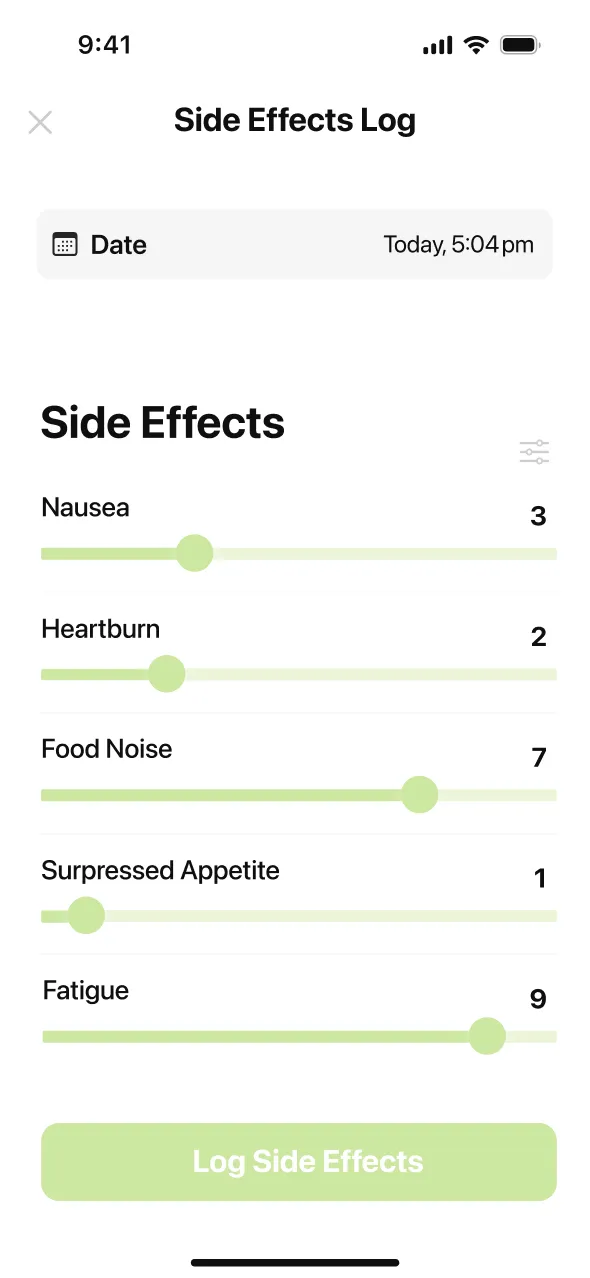
One pattern that comes up repeatedly in MeAgain reviews: people who log side effects alongside what they ate and when they took their shot find the adjustment period easier to navigate, because they can actually see what makes nausea better or worse instead of guessing.
“I’m only using the free version but it’s perfect for what I need. I made it so my calorie tracking app logs transfer to MeAgain that way I don’t have to log things twice. It’s very user friendly and I love that it makes taking a glp and tracking any side effects easy!”
The common GI patterns above cover most Ozempic users’ day-to-day experience. The next section shifts to rarer but more serious concerns — pancreatitis, gallbladder disease, acute kidney injury, hypoglycemia with insulin or sulfonylureas, and the FDA’s thyroid C-cell warning — that warrant a same-day call rather than at-home management.
Which Ozempic side effects are serious?
Most Ozempic side effects are uncomfortable but not dangerous. A small group are genuine red flags: pancreatitis, gallbladder disease (including gallstones), severe allergic reactions, kidney injury from dehydration, and hypoglycemia in people who also take insulin or a sulfonylurea (a type of diabetes pill that lowers blood sugar). The FDA Ozempic prescribing information also carries the agency’s strongest warning about thyroid C-cell tumors, based on animal studies. Do not take Ozempic if you or a family member have a history of medullary thyroid cancer or MEN 2 (a rare inherited hormone condition).
The single most important warning sign is severe, persistent stomach pain — especially if it bores through to the upper back, or if you also notice vomiting that won’t stop or yellowing of the skin or eyes. These can be signs of pancreatitis or gallstones, and both require a doctor that day, not next week. Call your doctor first; if you can’t reach them, go to urgent care or the ER.
Gallstones deserve special attention here because Ozempic is primarily used in people with Type 2 diabetes, many of whom are also on other medications. Rapid weight loss — from any cause, not just GLP-1 medications — raises the risk of gallstones because the liver releases more cholesterol into bile when fat is mobilized quickly. If you develop sharp pain in the upper right abdomen, especially after eating, that’s worth a call to your doctor.
For people with Type 2 diabetes, hypoglycemia is a specific concern if you’re also taking insulin or a sulfonylurea. Ozempic itself rarely causes low blood sugar on its own, but combining it with those medications changes the math. Your doctor may reduce your insulin or sulfonylurea dose when you start Ozempic. If you feel shaky, sweaty, confused, or faint, check your blood sugar and treat immediately.
Two less commonly discussed serious risks deserve attention. The first is stomach paralysis (called gastroparesis by doctors). Semaglutide slows gastric emptying by design, but in rare cases the slowdown is severe enough that the stomach essentially stops moving food. The FDA updated the Ozempic label in September 2023 to add ileus (intestinal obstruction) as a risk, and the FDA adverse event reporting system (FAERS) has approximately 20 documented cases, including two deaths. Symptoms that suggest this — persistent nausea and vomiting that have not improved after several weeks at a stable dose, severe bloating, or an inability to have a bowel movement — need same-day medical attention, not watchful waiting.
The second is anesthesia risk during surgery. If you have a scheduled procedure requiring general anesthesia, tell your surgical team you are on Ozempic before the day of the procedure. Because semaglutide slows stomach emptying, food or liquid can remain in the stomach even after the standard overnight fast, raising the risk of aspiration (stomach contents entering the lungs) during anesthesia. Updated 2024 guidance from the American Society of Anesthesiologists and other medical societies says most patients can continue their GLP-1 before elective surgery, but should follow a liquid-only diet for 24 hours beforehand. People in the dose-escalation phase or with ongoing GI symptoms are higher risk and may need to delay the procedure — ask your prescribing doctor and surgical team what the right call is for your specific situation.
!Call your doctor right away if you notice any of these
- Severe stomach pain that won’t go away
- pain that bores through to your upper back
- vomiting that lasts more than 24 hours
- yellow skin or eyes
- shakiness, sweating, or confusion (especially if you’re also on insulin)
- a lump or swelling in your neck
- trouble breathing or swallowing
- a rash with swelling of the face, lips, or tongue
- persistent nausea or vomiting at a stable dose that is not improving.
Can Ozempic affect your vision?
Yes, and this is one side effect that is genuinely Ozempic-specific rather than a general GLP-1 or weight-loss concern. The SUSTAIN-6 trial found that 3% of people taking semaglutide experienced complications related to diabetic retinopathy (eye disease caused by diabetes), compared to 1.8% in the placebo group. This is why the FDA Ozempic label (Section 5.2) includes a specific warning about worsening diabetic retinopathy in people who already have it.
The risk is highest for people who already have diabetic retinopathy before starting Ozempic. The counterintuitive mechanism: rapid improvement in blood sugar control — which is exactly what Ozempic is supposed to do — can paradoxically worsen pre-existing retinopathy in the short term. The eye’s blood vessels, which have adapted to high sugar levels, struggle with the sudden change. This is not a reason to avoid Ozempic if your doctor recommends it, but it is a reason to get an eye exam before starting and to follow up every three to six months if you already have any degree of diabetic eye disease.
A separate and rare concern is a sudden loss of blood flow to the optic nerve that can cause vision loss in one eye (doctors call this NAION). The European Medicines Agency’s safety review committee concluded in June 2025 that NAION is a very rare side effect of semaglutide medicines specifically — meaning Ozempic, Wegovy, and Rybelsus share this signal because they share the same active ingredient. The WHO issued a coordinated product alert the same month. If you experience any sudden change in vision — blurring in one eye, loss of part of your visual field, or sudden vision loss — treat it as an emergency and seek same-day care. Do not wait to see if it resolves. The NAION signal has not been linked to tirzepatide (Mounjaro, Zepbound), orforglipron (Foundayo), liraglutide, or dulaglutide in any regulatory safety review — this is a semaglutide-specific finding, not a class-wide GLP-1 concern, and separate from the diabetic retinopathy warning described above.
What’s the best way to manage Ozempic nausea?
Three tactics that work for most people: eat small protein-first meals on shot day, hydrate consistently, and slow the pace of your dose increases if your doctor agrees. Nausea on Ozempic is strongest when your stomach is empty or when you eat large, high-fat meals — so the move is to eat before you feel hungry, keep portions small, and lead with protein.
The protein-first strategy
- Eat a small protein-led meal 1–2 hours before your shot. Greek yogurt, eggs, a protein shake, or chicken and rice all work.
- Sip water throughout the day. Aim for at least 64 oz; more if you’re sweating or have diarrhea.
- Avoid fried food, very greasy meals, and large portions for 48 hours after each shot.
- Try ginger (tea, candies, or capsules) or peppermint for mild queasiness. Both have evidence for reducing nausea.
- If you’re still struggling at week 3, ask your doctor whether holding your dose for an extra month makes sense before stepping up.
Hydration targets on Ozempic
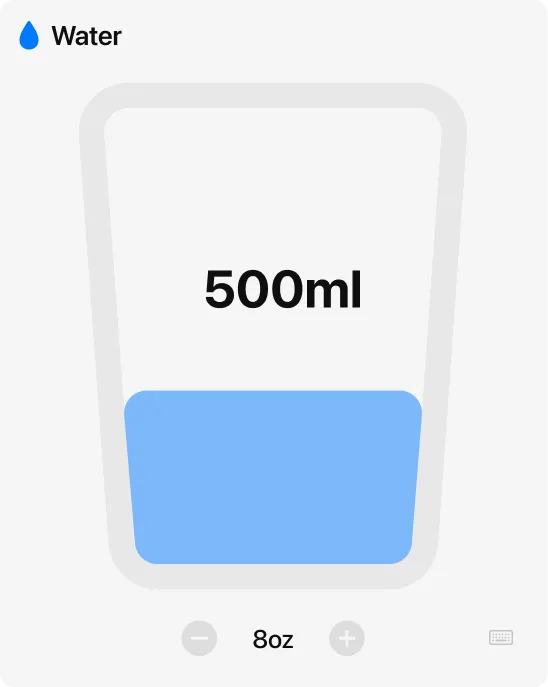
On hydration: 64 ounces is a floor, not a ceiling. On shot days and for the 48 hours after, many people find they need closer to 80–90 ounces to keep nausea and headaches in check. Semaglutide can cause mild dehydration through reduced fluid intake (you eat and drink less when your appetite is suppressed) and occasional diarrhea. A practical routine: fill a 32-ounce bottle in the morning, refill at lunch, refill again in the afternoon. If your urine is dark yellow, you’re behind. Electrolyte tablets can help if plain water feels hard to stomach.
“This app has helped me in my greatest struggle, weight loss. It lets me see the fiber and protein goals everyday to help with subsiding the two main issues with a GLP-1.”
What is ‘Ozempic face’ and does the FDA list it as a side effect?
“Ozempic face” is not in the FDA label — it’s a colloquial term for the hollowed or gaunt appearance some people notice in their face during weight loss. It is not unique to Ozempic or any GLP-1 medication. Rapid loss of body fat reduces facial volume everywhere, including the cheeks, temples, and under-eye area, where fat pads that soften the face gradually disappear. The same thing happens with any significant weight loss, whether from diet, surgery, or another medication.
The main protective lever is protein intake. When the body is in a calorie deficit without enough protein, it pulls from lean tissue, which can accelerate the look of facial wasting. Clinical guidelines recommend 1.2 to 1.6 grams of protein per kilogram of body weight per day during active weight loss to help preserve lean mass and minimize how dramatic the change looks. Skin elasticity also plays a role — slower weight loss (staying at a lower dose longer rather than rushing to the top) gives skin more time to adapt.
“A holistic approach to all the things that are key to tracking on your GLP-1 journey! This is very helpful & I log almost every day just to make sure at a very minimum my protein intake & water is reached. This is also the first time I’ve increased & tracked my fiber intake. There’s absolutely a difference when I get to 25g of fiber and when at I’m half that. I honestly wouldn’t know unless I tracked it. Nice to have barcode or label scanner too for easier logging. When I started, the most common post-GLP 1 side effect I read about was saggy skin. I’d been working so hard to improve my skin & anti-aging for the last 2 years before I even started my shots. I definitely didn’t want to go backwards on that regard looking all deflated but finally reaching my goal weight. I wanted to make sure once I lost the weight, I didn’t have a whole extra year of firming up sagging skin. This keeps protein check, fiber, shot reminders, water tracking much easier.”
What is ‘Ozempic butt’?
“Ozempic butt” is volume loss in the gluteal area — the same mechanism as “Ozempic face,” just in a different part of the body. When the body loses fat, it draws from everywhere at once, and the glutes have a high proportion of fat relative to muscle. That means changes there can look dramatic even when overall weight loss is modest. Like “Ozempic face,” it is not listed in the FDA label because it is not a drug-specific effect — it happens with any significant weight loss, including from diet, weight-loss surgery, or any other GLP-1 medication. The Cleveland Clinic covers it as a legitimate concern, not a quirk.
The most effective management is resistance training focused on the glutes: squats, glute bridges, and hip thrusts all help maintain muscle volume as fat comes off. Strength training does not prevent the fat loss, but it builds the underlying muscle that keeps shape. The second lever is hitting your daily protein target so your muscles have the raw material they need to hold or grow during a caloric deficit. The third is pace — slower weight loss (holding a lower dose longer rather than rushing to the top) gives your skin and soft tissue more time to adapt. MeAgain’s activity log makes it easy to stay consistent with strength work when motivation dips, which is exactly when it matters most.
Does Ozempic cause hair loss?
Ozempic hair loss appears in the FDA prescribing information under post-marketing adverse reactions (Section 6.2), meaning it was reported by real people after the drug reached market — not inside the controlled SUSTAIN trials where the table percentages come from. The label does not give a percentage. It is real, but the exact rate in a general population is harder to pin down than the GI side effects.
The mechanism is stress-triggered hair shedding (called telogen effluvium in dermatology). Any rapid, sustained weight loss — surgery, a crash diet, pregnancy, or a GLP-1 medication — pushes a larger share of hair follicles into the resting phase at once, and about three months later those hairs fall out together. It looks dramatic but is almost always reversible. Once weight stabilizes, follicles cycle back to normal, typically within 6 to 12 months.
Two things seem to reduce severity: hitting your daily protein target and avoiding very-low-calorie days. When the body is running low on both calories and protein, it prioritizes vital organs over hair follicles. A multivitamin with iron and zinc is reasonable if your bloodwork shows low levels, since both minerals support the hair growth cycle.
Does Ozempic cause diarrhea?
Ozempic diarrhea affects about 8.5 to 8.8% of people per the FDA prescribing information — notably lower than the 19 to 23% rate reported for tirzepatide (Zepbound/Mounjaro) in the SURMOUNT-1 trial. It usually shows up in the first one to two weeks after starting or stepping up, and is almost always mild. The most common triggers are high-fat meals and sugar alcohols — sorbitol, xylitol, and erythritol are common in protein bars and sugar-free snacks, so check labels. Stay hydrated, cut back on fatty food for 48 hours after each shot, and stick with bland foods — rice, bananas, toast, boiled potatoes — until it passes. If diarrhea is bloody, lasts more than three days, or comes with dehydration symptoms (dark urine, dizziness, dry mouth), call your doctor.
Does Ozempic cause sulfur burps?
Yes. Ozempic sulfur burps — belching with a strong egg smell — are one of the most widely reported real-world side effects, even though they do not appear as a named item in the FDA label’s side-effect table (they get grouped under the general GI disorders category). The mechanism is straightforward: semaglutide slows gastric emptying, so food sits in the stomach longer. Bacteria in the gut ferment proteins that have not yet moved through, producing hydrogen sulfide gas, which is what causes the eggy smell.
The worst triggers are high-protein foods (especially eggs), high-fat meals, carbonated drinks, and sugar alcohols. Sulfur burps tend to be worst in the first two to four weeks at each new dose and improve as your body adjusts to the slower transit time. They are not dangerous — just unpleasant and, at times, socially awkward. Management: eat smaller meals spaced more evenly through the day, avoid carbonated beverages, and temporarily reduce high-sulfur foods like eggs, cruciferous vegetables (broccoli, cauliflower, cabbage), and red meat during the adjustment window. Staying hydrated helps move food through more consistently. Most people find the problem improves substantially once their body settles at a stable dose.
Does Ozempic cause constipation?
Ozempic constipation affects 3.1 to 5% of users per the FDA label. Semaglutide slows gastric emptying — the same mechanism that keeps you full longer — which also slows transit through the colon and can dry stool out. The fix is straightforward: more water, more fiber (25 to 35 grams a day from vegetables, legumes, chia seeds, or ground flax), and daily walking. A practical fiber ladder that works: start from your current intake (most Americans get about 15 g/day), then add one high-fiber food per meal every few days. Jumping from 15 g to 30 g overnight usually causes bloating, which compounds the discomfort. If fiber and water alone are not enough, ask your pharmacist about an over-the-counter stool softener or osmotic laxative. If you go more than three days without a bowel movement or develop severe abdominal pain, call your doctor.
Does Ozempic cause fatigue or headaches?
Ozempic fatigue and headaches are usually mild and tied to the adjustment period rather than a direct drug effect. Neither is among the top-five listed reactions in the SUSTAIN trial data, but both appear frequently in real-world reports, particularly in the 24 to 72 hours after each shot. The underlying cause is usually low-grade dehydration or low blood sugar from eating much less than usual — semaglutide suppresses appetite effectively enough that some people skip meals without noticing.
One thing that distinguishes Ozempic from tirzepatide here: because semaglutide stays in your system for about a week, the drug’s effect on appetite is more evenly distributed across the week rather than spiking sharply after the shot. That means fatigue tends to be lower-grade and more persistent rather than hitting hard in the first two days. If fatigue is affecting your daily function past week 4 at a stable dose, mention it at your next check-in — it’s worth ruling out thyroid changes, iron deficiency, or inadequate calorie intake.
The practical playbook: set a water target you actually hit each day (the drug blunts thirst signals, so waiting until you feel thirsty is too late), eat protein even when you’re not hungry, and avoid scheduling intense workouts for the 24 to 48 hours after your shot during the first month. Most people find that fatigue and headaches fade substantially by weeks 6 to 8 as their body adjusts.
Is Ozempic for weight loss or diabetes?
Ozempic is FDA-approved specifically for Type 2 diabetes — to lower blood sugar and reduce cardiovascular risk in adults with established heart disease. Weight loss is a well-documented benefit, but using Ozempic for weight loss alone is off-label. Wegovy is the same active ingredient (semaglutide) at a higher dose (2.4 mg weekly) with a separate FDA approval specifically for chronic weight management.
This distinction matters for side effects in two ways. First, hypoglycemia: people with Type 2 diabetes who are also on insulin or a sulfonylurea have a meaningful risk of low blood sugar on Ozempic that people using it off-label for weight loss generally do not. Second, blood sugar monitoring: if you have diabetes, your doctor will likely ask you to track blood sugar more closely in the first few weeks, which gives you an early signal on whether your other diabetes medications need adjusting.
If you are currently on Ozempic for diabetes and also losing weight, the cardiovascular data is compelling: the SUSTAIN-6 trial (Marso et al., NEJM 2016) showed a 26% reduction in major cardiovascular events (non-fatal heart attack, non-fatal stroke, or cardiovascular death) in people with Type 2 diabetes and high cardiovascular risk. That benefit is baked into why many doctors prescribe Ozempic for diabetes specifically rather than a weight-only GLP-1.
What do the first two weeks on Ozempic actually feel like?
The first two weeks are the adjustment window. Most people notice reduced appetite and mild nausea within 24 to 48 hours of the first 0.25 mg shot, with the roughest days usually falling between days 2 and 5. By the end of week 2, semaglutide levels have stabilized enough that the nausea tends to soften from a wave into a background hum.
The 0.25 mg starting dose is not a therapeutic dose — it is a tolerability dose, meant to introduce your body to semaglutide rather than produce meaningful weight loss. Some people feel nothing at 0.25 mg and wonder if the shot worked at all. Others feel significant nausea right away. Both are normal responses to the same starting dose.
Days 2 through 5 are typically the hardest in the first month. Semaglutide levels are climbing toward their weekly peak, appetite is suppressed more than you expected, and food that used to be appealing can suddenly feel unappealing or even nauseating. The protein-first strategy matters most in this window: something small every three to four hours — Greek yogurt, eggs, a protein shake, cheese and crackers — so your stomach is never completely empty.
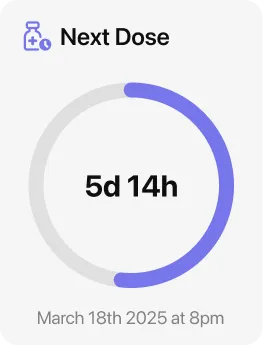
Week 2 is usually noticeably better than week 1. Your body has had roughly two half-lives to find a rhythm with the drug. Most people see a modest weight change in the first two weeks — mostly water and reduced food volume, not fat loss yet. The real weight loss tends to begin at 0.5 mg, which is why the FDA label keeps you at 0.25 mg for a full four weeks: it’s building tolerance so the first step-up is manageable.
How Ozempic dose steps affect side effects
Side effects tend to be strongest right after each dose step-up and get progressively milder as your body adjusts. The pattern usually repeats with each increase but with diminishing intensity — the body gets progressively better at adapting.
| Dose step | Duration | What to expect |
|---|---|---|
| 0.25 mg | 4 weeks (tolerability dose) | First nausea. Appetite already drops noticeably. Minimal weight change — this dose is not meant for weight loss. |
| 0.5 mg | 4+ weeks | Real weight loss typically starts here. Nausea often peaks in the first 1–2 weeks after stepping up. |
| 1 mg | 4+ weeks (common maintenance) | Stronger appetite suppression. Hair shedding may begin for some people around this step. GI side effects often start to fade. |
| 2 mg | Maintenance (if needed) | Highest approved dose for Type 2 diabetes. Used when 1 mg isn’t achieving blood sugar or weight goals. |
Source: FDA Ozempic prescribing information (2025), Dosage and Administration section. Note: Wegovy (semaglutide 2.4 mg) is a separate product with a different dose schedule for weight management.
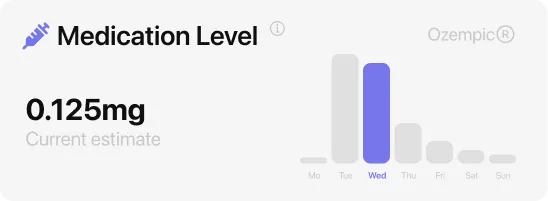
Knowing where you are in the dose curve — when levels peak after a shot, how stable they stay through the week — makes the adjustment feel less random. MeAgain’s AI companion Capy can help correlate your side-effect log with your shot timing to surface patterns you’d otherwise miss.
How to talk to your doctor about Ozempic side effects
Three things your doctor actually wants to know: which symptoms you’re experiencing and how severe they are on a 1 to 10 scale, whether they’re improving or getting worse compared to last week, and whether any of them are affecting your daily life enough that you’re considering stopping.
If you have Type 2 diabetes, your doctor also wants your blood sugar log alongside the side-effect report. Combining GI side effects with lower food intake can move blood sugar in unexpected directions, and having the data in front of both of you makes dose adjustment faster and safer.
Useful phrases that cut through the appointment: Nausea is running about a 5 this week, which is better than last week’s 7. Or: I’m having trouble getting enough protein because of the nausea — should we slow my escalation? Or: My hair is shedding and I want to know if there’s anything to adjust. Direct, specific, and tied to a question your doctor can actually answer.
When your symptoms, meals, and shot timing are already logged, you walk into that appointment with a summary instead of trying to reconstruct the past two weeks from memory. That’s the difference between a useful visit and one where you leave without answers.
“I am so grateful for this app. It makes managing my nutrition and wellness not only easier but makes it feel accessible. Having everything in one hub makes it so easy to see what my body needs and helps me to make intentional decisions like getting in more protein or hydration. I think it’s SO unhealthy and negligent that people aren’t automatically referred to a nutritionist to help safety manage health when using GLP-1s. You’re just left on your own to figure out your nutrition. For me, I find it feels like a full time job and definitely struggle to get my nutrients. I have just the free version and find the features so helpful. I also LOVE that I can import info from apple health. I use the baritastic app for logging my food (just because I have a bunch of meals and foods already saved there from before) and Me Again is able to easily and immediately sync with that information. Although, Me Again has their own food diary which I’ve used and it works just as well.”
What about Ozempic injection site reactions?
Injection site reactions — redness, swelling, itching, or a small bruise at the injection site — are listed as common in the Ozempic label. They are almost always mild and clear within a few days. Rotating between your stomach, thigh, and upper arm helps prevent localized irritation from building up in one spot. If you notice a firm lump that doesn’t resolve, spreading redness that grows over 24 hours, or signs of infection (warmth, pus, fever), contact your doctor.
What are the long-term side effects of Ozempic?
Most GI side effects — nausea, diarrhea, sulfur burps — resolve within the first three months as your body adjusts to semaglutide. People who stay on Ozempic past the initial adjustment period consistently report substantially better tolerability. The SUSTAIN-6 trial ran for two years and did not find new safety signals beyond what is already in the label, which is reassuring for medium-term use.
The concerns that persist or can emerge later include: gallstones (the risk remains elevated as long as significant weight loss is ongoing, because rapid fat mobilization increases cholesterol in bile); thyroid monitoring (the label’s thyroid warning is indefinite, and people with any thyroid concerns should continue monitoring); gastroparesis in rare cases (see the serious side effects section above); and retinopathy progression for people with pre-existing diabetic eye disease. Bone density can also decrease with rapid weight loss from any cause, not just GLP-1 medications — adequate protein and resistance training help protect bone alongside muscle.
One area still being actively studied: mental health. Early observational data suggests that some GLP-1 users report higher rates of anxiety or depressive symptoms compared to matched controls — but this is observational, not a controlled trial finding, and the direction of causation is not clear. People who seek out GLP-1 medications may already have a higher baseline rate of mental health challenges related to weight and body image. Most people on Ozempic report improved mood as weight comes off and energy levels stabilize. If you notice significant mood changes, bring them up with your doctor. The honest answer is that long-term data at five to ten years is still accumulating — this is a relatively new drug class at scale, and the scientific community is actively watching.
What happens to side effects if you stop Ozempic?
If you stop taking Ozempic, the GI side effects resolve as semaglutide clears your system — which takes roughly five weeks to clear fully given the approximately 1-week half-life. Nausea and vomiting end first. Constipation may linger slightly longer as digestive transit returns to its normal pace.
The harder reality is that appetite returns. Most people notice hunger coming back within one to two weeks of their last shot. The STEP-4 trial (Rubino et al., JAMA 2021) showed that people who stopped semaglutide after 20 weeks regained about two-thirds of the weight they had lost within the following year. If you are considering stopping, talk to your doctor about a plan rather than stopping abruptly — especially if you have Type 2 diabetes, where the blood sugar effects of stopping also need to be managed.