
For people using GLP-1 medications for weight loss, questions about low blood sugar are common and worth addressing clearly. While GLP-1 receptor agonists work differently from insulin, certain situations can still raise the risk of hypoglycemia, particularly when these medications are combined with other treatments. Symptoms like shakiness, dizziness, and sudden fatigue can appear without warning, making it important to understand when low glucose is a real concern and what signs to watch for.
Understanding how the body responds to GLP-1 therapy is an important part of staying safe and getting the most from treatment. Tracking daily patterns, energy levels, and physical changes can help identify potential blood sugar issues before they escalate, and working closely with a care team makes that process more effective. For added support between appointments, the GLP-1 app from MeAgain helps users log symptoms, monitor progress, and stay informed throughout their weight loss journey.
Table of Contents
- Can GLP-1 Cause Low Blood Sugar?
- When Can GLP-1 Medications Lead to Low Blood Sugar?
- How to Reduce the Risk of Low Blood Sugar While Taking a GLP-1
- Take the Guesswork Out of Staying Healthy. Turn Healthy GLP-1 Habits Into Your Favorite Game
Summary
- GLP-1 medications like semaglutide and tirzepatide stimulate insulin release only when blood glucose is already elevated, meaning the signal naturally fades as glucose returns to normal. This glucose-dependent mechanism is why hypoglycemia occurs in less than 1% of patients using GLP-1s as monotherapy, according to JumpstartMD. Used alone, these medications are far more likely to stabilize glucose levels than cause a dangerous drop.
- The risk profile changes significantly when GLP-1s are combined with sulfonylureas or insulin, which lower blood glucose regardless of current levels. Healthline reports that hypoglycemia risk rises to as high as 30% when GLP-1s are used alongside these drug classes. A real-world post-marketing surveillance analysis found that 46.34% of GLP-1-related hypoglycemia cases occurred when the medication was paired with other antidiabetic drugs, confirming this is a predictable outcome of combining mechanisms that require careful dose management.
- Appetite suppression, one of the most effective features of GLP-1 therapy, also introduces a separate layer of risk that is easy to overlook. When calorie intake drops significantly, the body loses both glucose from food and the hydration that food normally provides. The result is a cluster of symptoms, including fatigue, lightheadedness, and shakiness, that closely mimics hypoglycemia but often reflects inadequate food or fluid intake rather than a true blood sugar event.
- Weight loss itself can shift insulin sensitivity enough to make a previously appropriate sulfonylurea or insulin dose too aggressive. A dose calibrated for 240 pounds may produce different effects at 210 pounds, and that mismatch can go unnoticed if medication reviews and weight tracking occur in separate places. Approximately 23% of GLP-1-related hypoglycemia cases in real-world data involved concomitant sulfonylurea use, pointing to drug combinations as a primary driver of risk rather than the GLP-1 itself.
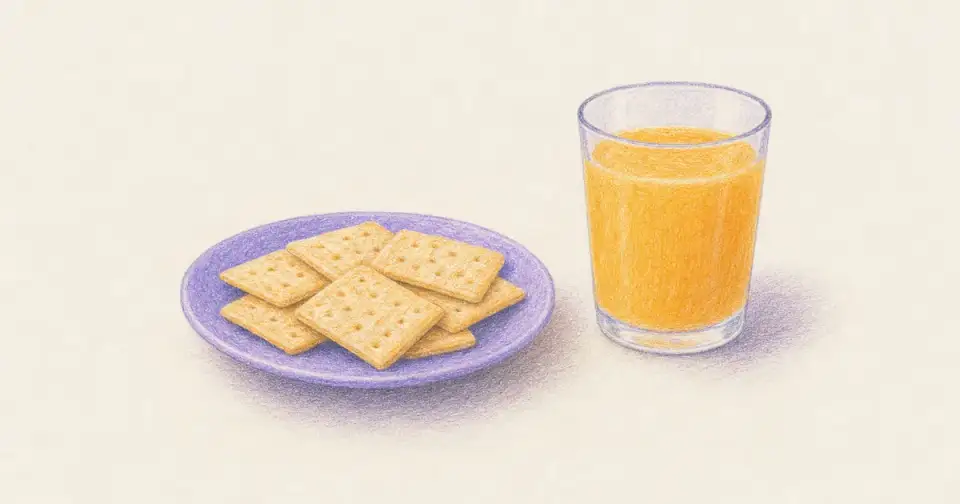
- Recognizing true hypoglycemia early gives people the best chance to respond before glucose drops to a dangerous level. The clinical standard is the Rule of 15, which involves consuming 15 to 20 grams of fast-acting carbohydrate, waiting 15 minutes, rechecking glucose, and repeating until levels clear 70 mg/dL. For the majority of people on GLP-1 monotherapy without insulin or sulfonylureas, research confirms that carrying emergency glucose supplies everywhere is unnecessary; however, knowing your specific risk tier determines how much preparation is warranted.
- Structured, protein-forward meals eaten at consistent times help maintain the glucose stability that appetite suppression can quietly undermine. Protein slows gastric emptying, steadies energy release, and protects muscle mass that reduced calorie intake can erode over time. Skipping meals while on a GLP-1 removes the glucose buffer that helps prevent blood sugar from drifting, particularly for anyone also taking a medication that lowers blood sugar independently of food intake.
- The MeAgain GLP-1 app addresses the pattern recognition gap by connecting dose timing, meal data, symptom logs, and weight on a single shared timeline, giving both users and their clinicians concrete information rather than reconstructed estimates from memory.
Can GLP-1 Cause Low Blood Sugar?
Many people think that all diabetes medicines cause low blood sugar in the same way, but this idea is not completely correct. GLP-1 receptor agonists work through a glucose-dependent mechanism, meaning they only stimulate insulin release when blood sugar levels are already elevated — making them fundamentally different from other diabetes medications that carry a higher hypoglycemia risk.
"GLP-1 medications are designed to work with your body's natural glucose response — a critical distinction that sets them apart from traditional diabetes treatments." — Clinical Pharmacology Overview
Medication Type | Hypoglycemia Risk (Alone) | Mechanism |
|---|---|---|
GLP-1 Receptor Agonists | Low | Glucose-dependent insulin release |
Sulfonylureas | High | Stimulates insulin regardless of glucose |
Insulin | High | Directly lowers blood sugar |
Metformin | Very Low | Reduces glucose production |

How does the glucose-dependent mechanism reduce hypoglycemia risk?
GLP-1 receptor agonists like semaglutide (Wegovy, Ozempic) and tirzepatide (Mounjaro, Zepbound) work differently from insulin or sulfonylureas. Their insulin-stimulating effect is glucose-dependent: the signal to release insulin amplifies after meals when glucose is high, then switches off as levels normalize. This built-in shutoff is why, according to Rejuvime Medical, GLP-1 receptor agonists reduce the risk of hypoglycemia to less than 1% when used as monotherapy in non-diabetic individuals. The medication stops pushing insulin once blood sugar stabilizes—a fundamentally different risk profile from that of older drugs, which force insulin release regardless of blood sugar levels.
GLP-1s amplify a glucose-dependent response rather than forcing indiscriminate insulin release, making their hypoglycemia risk mechanistically distinct from other glucose-lowering drugs.
How do other medications increase the risk of GLP-1s?
GLP-1, when combined with insulin or sulfonylureas (such as glipizide or glimepiride), significantly increases the risk of hypoglycemia. These medications independently trigger insulin release, and when layered with a GLP-1's appetite suppression and reduced food intake, blood sugar can drop sharply. Healthline reports that the risk of hypoglycemia increases to up to 30% with this combination, which is why FDA labeling instructs clinicians to reduce insulin or sulfonylurea doses when starting a GLP-1.
How can you tell if symptoms are true hypoglycemia or something else?
GLP-1 users often confuse symptoms of insufficient food or water intake with genuine low blood sugar. Shaking, tiredness, dizziness, a fast heartbeat, and trouble focusing feel identical whether caused by skipped meals, low fluids, or actual blood sugar drops. Without tracking what you ate, when you took your dose, and how you felt, it's easy to worry unnecessarily or miss a real warning sign.
When does the risk actually change?
The picture changes when a GLP-1 is added to insulin or a sulfonylurea. Those medications can cause glucose to drop too low on their own, and combining them with a GLP-1—particularly when eating less—increases that risk. Healthline reports that hypoglycemia risk increases up to 30% when GLP-1s are combined with insulin or sulfonylureas. This is why FDA prescribing guidance instructs doctors to lower the dose of the other medication when starting a GLP-1.
What's actually causing those shaky, lightheaded feelings?
Most people using GLP-1s for weight loss who feel shaky, sweaty, or lightheaded are not experiencing true clinical hypoglycemia (blood glucose below 4.0 mmol/L). Those symptoms usually stem from eating too little, skipping meals, dehydration, or electrolyte imbalances created by appetite suppression. The medication suppresses hunger so effectively that it's easy to forget to eat—and that caloric shortfall, not the injection itself, creates the glucose dip. Recognizing this difference matters because treating dehydration as a blood sugar crash can send you in the wrong direction.
Who carries the real risk?
The risk depends on your situation. If you're using a GLP-1 for weight loss without diabetes or glucose-lowering medications, low blood sugar is uncommon. If you have type 2 diabetes and take insulin or a sulfonylurea alongside your GLP-1, that combination creates a real risk requiring active monitoring and dose adjustments by your doctor. Risk is highest 2 to 4 hours after taking a sulfonylurea or insulin with a GLP-1, during or after exercise without adequate food intake, and during rapid weight loss with significantly reduced calorie consumption.
Why does pattern recognition matter more than individual symptoms?
Many people track symptoms in isolation—feeling dizzy on Tuesday or shaky after a walk—without connecting those moments to their diet, medication timing, or exercise. Pattern recognition is the essential tool. Our MeAgain GLP-1 app logs symptoms with severity ratings, along with meal data and dose timing, so you arrive at your clinician visit with a clear, timestamped picture of what happened and when. This transforms a vague concern into an actionable conversation. Understanding when low blood sugar can happen requires examining how GLP-1 medications work inside the body—a mechanism more surprising than most people expect.
Related Reading
- GLP-1 Plateau
- How Does GLP-1 Help You Lose Weight
- How Much Protein On GLP-1
- How Much Water To Drink on GLP-1
- Why Am I Not Losing Weight On GLP-1
- Can GLP-1 Cause Gastroparesis
- Can GLP-1 Cause Kidney Stones
- Which GLP-1 Has The Least Side Effects
- Does GLP-1 Cause Acid Reflux
- Why Am I Not Losing Weight on Zepbound
When Can GLP-1 Medications Lead to Low Blood Sugar?
The medication regimen rarely tells the whole story. Your actual risk depends on the chain of events surrounding each dose.
"Understanding the full context of your dosing routine—not the medication itself—is essential to identifying your true low blood sugar risk." — Clinical Insight
Risk Factor | Why It Matters |
|---|---|
Meal timing | Skipping meals near a dose raises hypoglycemia risk |
Combination medications | Pairing with insulin or sulfonylureas significantly increases the risk |
Physical activity | Intense exercise can amplify blood sugar drops post-dose |
How combination therapy changes the equation
GLP-1 medications work in a glucose-dependent way: they tell the pancreas to release insulin when blood sugar rises, then stop working when levels return to normal. This built-in feedback loop makes GLP-1s relatively safe alone. The problem emerges when combined with medications like sulfonylureas and insulin, which lower blood glucose regardless of current levels, creating two forces working simultaneously: one with an off switch, one without.
Why do GLP-1 combinations with other antidiabetic drugs raise hypoglycemia risk?
According to a real-world analysis of post-marketing surveillance data, 46.34% of GLP-1-related low blood sugar cases occurred when combined with other diabetes drugs like insulin or sulfonylureas. This reflects the expected outcome of combining medicines that require careful dose management.
How can tracking tools help clinicians spot patterns of hypoglycemia?
Most people record hypoglycemia symptoms—shakiness, sweating, mental fog—but not what preceded them. Our MeAgain GLP-1 app connects dose timing, meal data, and symptom logs on a shared timeline, allowing clinicians to identify patterns rather than rely on reconstructed memories.
Why does reduced food intake add a separate layer of risk
When appetite suppression significantly reduces calorie intake, it poses a risk for those taking insulin or sulfonylureas. The medication works as prescribed; the problem is that the dose was set for a higher level of food intake. Eating far less while the same glucose-lowering dose continues causes blood sugar to fall faster than expected.
How does exercise compound the risk on any given day?
Hard exercise depletes glucose, worsening this risk. When combined with reduced appetite and insulin or sulfonylureas, the glucose-lowering effect can quickly exceed what your body can handle. The actual risk on any given day depends on multiple factors: what you ate, when you exercised, and what other drugs you're taking. Knowing what increases your risk is helpful. What comes next is something you can do, and it's more in your control than you might think.
Related Reading
- Why Do Some People Not Lose Weight on Ozempic
- Slow Weight Loss On Wegovy
- Why Am I Not Losing Weight On Zepbound
- Can You Stop Glp-1 After Losing Weight
- How Many Weeks Is Considered A Weight Loss Plateau
How to Reduce the Risk of Low Blood Sugar While Taking a GLP-1
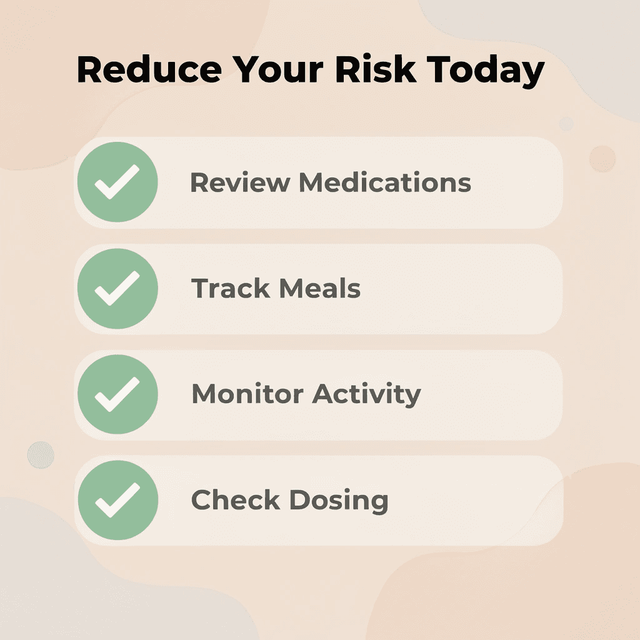
Controlling your risk of low blood sugar while on a GLP-1 requires understanding what's causing the risk in your specific situation, then addressing each cause directly. The things that matter most are your other medications, your meal patterns, your activity level, and whether anyone is watching the full picture alongside you.
"The key to reducing low blood sugar risk isn't a single fix — it's identifying every contributing factor in your unique situation and tackling them one by one." — Clinical Diabetes Management Principle
Risk Factor | Why It Matters | Action to Take |
|---|---|---|
Other medications | Some drugs amplify blood sugar-lowering effects | Review all meds with your provider |
Meal patterns | Skipping or delaying meals raises hypoglycemia risk | Maintain consistent meal timing |
Activity level | Exercise lowers blood sugar independently | Monitor levels before and after activity |
Medical oversight | Fragmented care misses dangerous interactions | Ensure one provider sees the full picture |
Why should you review your medication list before changing your diet?
Review your complete medication list with your prescribing clinician first. According to a real-world post-marketing surveillance analysis published in PMC, approximately 23% of GLP-1-related low blood sugar cases involved concomitant sulfonylurea use. When a GLP-1 is introduced, insulin and sulfonylurea doses often need to be reduced because the GLP-1 already lowers blood sugar after meals. Leaving those doses unchanged while adding a GLP-1 is like pressing two accelerators at once.
How does weight loss shift the doses that were already working for you?
The same logic applies when your weight changes. A dose of insulin or sulfonylurea calibrated for 240 pounds may be too strong at 210 pounds. Weight loss alters how your body uses insulin, and a doctor who isn't monitoring this change alongside your dose schedule may not notice until you experience symptoms.
How can tracking symptoms and doses help your doctor spot patterns faster?
Most people write down symptoms on their phone or try to remember them at their next appointment. A GLP-1 tracker app like MeAgain connects dose timing, meals, symptoms, and weight on a shared timeline, so when you meet with your doctor, you can show them a pattern instead of relying on memory.
Why does appetite suppression affect your glucose stability?
Appetite suppression is one of GLP-1's most effective tools and one of its most underappreciated risk factors. When eating drops significantly, the body loses both glucose from food and water, producing fatigue, lightheadedness, and shakiness that mimic hypoglycemia but often aren't. The fix isn't eating more for its own sake—it's eating with enough regularity and protein density to keep glucose stable even when appetite is low.
How does meal timing protect your blood sugar between doses?
Skipping meals while on a GLP-1 removes the glucose buffer that keeps blood sugar stable, particularly if you're also on a drug that lowers glucose independently of food intake. Eat structured, protein-forward meals at consistent times. Protein slows gastric emptying (a mechanism GLP-1s also use), steadies energy release, and protects muscle mass that appetite suppression can erode. This preserves the physiological conditions that keep your glucose stable between doses.
Know what a real low looks like, and what to do in the first 15 minutes
Recognizing true hypoglycemia early is a skill. Early signs—shakiness, sweating, sudden hunger, blurred vision, irritability—appear before glucose drops dangerously, when acting quickly matters most. If you're taking insulin or a sulfonylurea alongside your GLP-1, carry fast-acting carbohydrates. The "Rule of 15" is the clinical standard: consume 15 to 20 grams of fast-acting carbohydrate, wait 15 minutes, recheck your glucose, and repeat until it clears 70 mg/dL. Follow with a small snack containing protein or complex carbohydrates to prevent a rebound drop. For GLP-1 monotherapy, research cited by JumpstartMD indicates that true hypoglycemia occurs in fewer than 1% of cases without insulin or sulfonylureas. Know your risk tier and prepare accordingly. Understanding your overall treatment plan, not just the medication itself, is the best way to manage risk.
Take the Guesswork Out of Staying Healthy. Turn Healthy GLP-1 Habits Into Your Favorite Game
Building daily habits—hitting protein targets, staying hydrated, timing meals around your dose, and moving regularly—directly influences blood sugar stability and supports weight loss.
"Daily behavioral habits — from protein intake to meal timing — are the real drivers of long-term success on GLP-1 medications." — GLP-1 Lifestyle Research
Healthy GLP-1 Habit | Why It Matters |
|---|---|
Hitting protein targets | Preserve muscle mass during weight loss |
Staying hydrated | Reduces common GLP-1 side effects |
Timing meals around your dose | Supports blood sugar stability |
Moving regularly | Accelerates fat loss and improves insulin sensitivity |
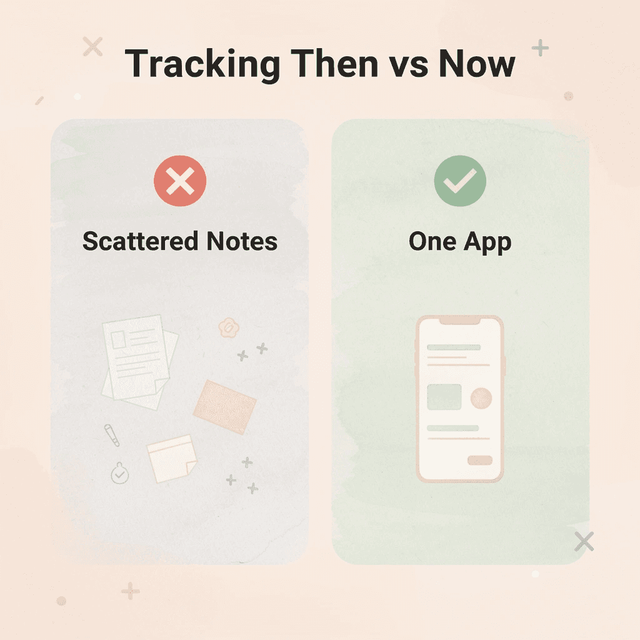
Most people on Ozempic, Wegovy, or Mounjaro track progress through memory or scattered notes. Our MeAgain app connects your dose timing, meals, symptoms, and progress in one place, revealing patterns that would otherwise stay hidden. When you log dizziness or shakiness alongside what you ate and when you dosed, you stop guessing and start seeing the context your clinician needs.
Download MeAgain today and set up your personalized GLP-1 habit tracker in five minutes. Your journey card captures every milestone, showing not just the weight you've lost, but the habits you've built to get there.