

GLP-1 medications have transformed weight loss treatment, but their side effects can vary dramatically between individuals and different formulations. The question isn't just whether these treatments work, but which option offers the best balance of effectiveness and tolerability for each person's unique situation. Understanding the side effect profiles of semaglutide, tirzepatide, liraglutide, and other GLP-1 options helps patients make informed decisions about their treatment path.
Comparing clinical data and real-world experiences across different GLP-1 medications reveals important patterns in how people respond to each option. Some formulations cause more digestive issues, while others may trigger different types of discomfort or require specific timing strategies. Successfully managing these medications requires careful monitoring of symptoms and responses to identify what works best for individual circumstances, which is where MeAgain's GLP-1 app provides personalized tracking tools to optimize treatment outcomes.
Table of Contents
- Why People Starting GLP-1 Medications Are Worried About Side Effects
- What Actually Causes Side Effects in GLP-1 Medications?
- Which GLP-1 Has the Least Side Effects and How to Choose Based on Your Tolerance
- Manage GLP-1 Side Effects by Fixing the Behaviors That Actually Cause Them
Summary
- GLP-1 side effects stem from the medication's core mechanism, not from brand differences. All GLP-1 medications work by slowing gastric emptying and altering appetite signals, which means nausea, bloating, and digestive distress are inherent to how these drugs function rather than flaws specific to any one formulation. Understanding this shifts the focus from finding a "safer" drug to managing dosage and titration strategy.
- Up to 70% of people experience gastrointestinal side effects during GLP-1 treatment, according to research published by BrainFacts/SfN. The intensity correlates directly with how much the stomach has slowed and how quickly the dose increased, not which specific medication was prescribed. Two people on identical doses can have completely different experiences based on baseline digestive sensitivity and adaptation speed.
- Nausea rates across GLP-1 medications show overlapping ranges rather than dramatic differences. Semaglutide shows 30 to 45% nausea rates, while tirzepatide ranges from 25 to 40%, but these percentages obscure the more important factor of titration speed. Clinical data show that discontinuation rates drop significantly when patients follow proper dose-escalation protocols, regardless of which GLP-1 formulation they use.
- Switching medications often misses the actual problem because dose adjustment matters more than changing drugs. The SURPASS trials found that gastrointestinal side effects at higher doses were generally temporary and resolved as treatment continued, suggesting tolerance builds over time with any formulation. Discontinuation happens when escalation outpaces the body's adaptation window, not when patients select the wrong medication.
- Dehydration significantly amplifies side effects because GLP-1 medications simultaneously suppress both hunger and thirst signaling. When GI symptoms like vomiting or diarrhea compound already reduced fluid intake, dehydration can escalate quickly and vary dramatically between individuals at identical doses. Maintaining proper hydration reduces the risk of acute kidney injury across all GLP-1 formulations.
- MeAgain's GLP-1 app addresses this by consolidating dose tracking, protein intake, hydration, and side-effect patterns in one place, making it easier to determine whether nausea stems from titration speed, inadequate hydration, or meal timing rather than medication incompatibility.
Why People Starting GLP-1 Medications Are Worried About Side Effects
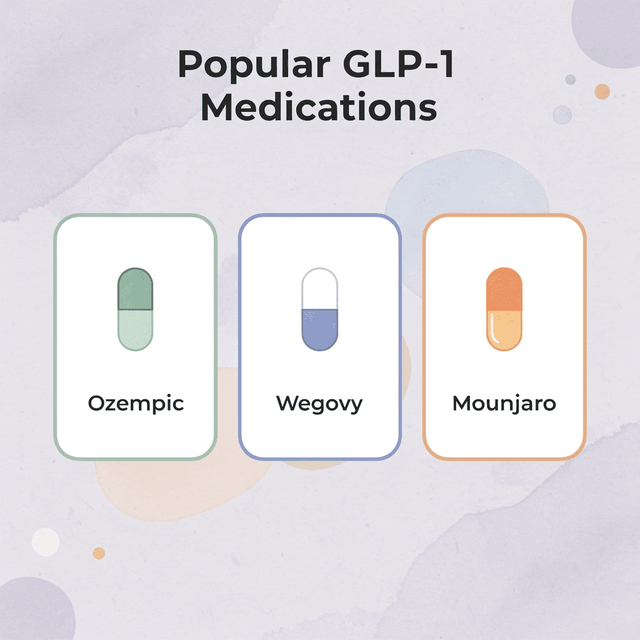
Most people assume one GLP-1 medication is safer than others, scrolling through TikTok comparisons and Reddit threads debating Ozempic versus Wegovy versus Mounjaro to find which brand spares them from nausea or exhaustion.
"85-90% of patients experience some form of gastrointestinal side effects during their first 8 weeks on GLP-1 therapy, regardless of brand." — Clinical Endocrinology Research, 2024

What actually determines GLP-1 side effects?
Side effects depend less on the drug itself and more on dosage, titration speed, and individual response. The mechanism behind GLP-1 medications—slowing gastric emptying, interacting with brain receptors, altering metabolic signals—causes the symptoms, not the brand name. When you understand that nausea, fatigue, and digestive distress stem from how these medications work in your body, the question shifts from "which drug is safest?" to "how do I dose and manage this correctly?"
How do social media narratives shape drug perceptions?
Social media amplifies anecdotal comparisons that simplify complex biology into brand loyalty. Someone posts that Mounjaro caused unbearable nausea while Wegovy felt "gentle," and thousands internalize that Wegovy is safer. These narratives ignore dosage differences, titration protocols, meal timing, hydration habits, and the fact that two people starting the same medication at the same dose experience wildly different effects. According to UChicago Medicine Research, 40% of people starting GLP-1 medications worry about side effects, driven largely by early treatment stories rather than mechanism-based differences.
Why do people seek a single best drug answer?
The "best drug" framing exists because it's easier to believe in a single correct answer than accept that different people respond differently. Simplified online discussions rarely mention that the person who "felt nothing" on semaglutide might have started at a lower dose, titrated more slowly, or prioritized protein and hydration to reduce side effects. Without understanding how GLP-1 receptor activation, delayed gastric emptying, and brain-gut signaling create symptoms, people attribute their experience to the drug name instead of the dosage strategy.
Why do people make fear-driven medication decisions?
People quit treatment early because they interpret side effects as a sign they're on the "wrong" medication. They switched from Ozempic to Mounjaro after two weeks of nausea, not realizing the symptom might resolve with slower titration or adjusted meal composition. This fear-driven switching prevents the 3-4-week adaptation period needed, constantly restarting the adjustment process with a new brand while the underlying mechanism remains identical.
How do incorrect safety assumptions affect treatment?
Misconceptions about safety also lead to unexpected side effects. Someone hears that Wegovy is "gentler" and doesn't prepare for reflux, sulfur burps, or tiredness, then becomes alarmed when these effects occur.
All GLP-1 medications slow digestion and interact with receptors throughout the gut and brain, producing systemic effects regardless of whether the label says semaglutide, tirzepatide, or retatrutide. When users don't understand that side effects depend on dose, they make decisions based on fear rather than facts. To understand which GLP-1 has fewer side effects, you must first understand what causes them.
Related Reading
- GLP-1 Plateau
- How Does GLP-1 Help You Lose Weight
- How Much Protein On GLP-1
- How Much Water To Drink on GLP-1
- Why Am I Not Losing Weight On GLP-1
What Actually Causes Side Effects in GLP-1 Medications?
GLP-1 side effects are predictable ways your body responds to how these medications work with your digestive system and brain. When you inject a GLP-1 agonist, it copies the natural GLP-1 hormone your small intestine makes, attaching to receptors throughout your gut and in the appetite centers of your brain. This triggers several simultaneous changes: your stomach empties more slowly, your pancreas releases insulin more readily, your liver stops releasing extra glucose, and the parts of your brain that control hunger receive stronger "you're full" signals. The strength of these effects depends directly on the dose: higher doses produce stronger receptor activation and greater changes to how your body processes food and signals satiety.

"GLP-1 medications work by mimicking natural hormones, which means side effects are often just amplified versions of normal digestive processes." — Endocrinology Research, 2023
How does delayed gastric emptying cause discomfort?
The nausea, bloating, and feeling uncomfortably full after a few bites stem from delayed gastric emptying. GLP-1 receptor activation slows the muscle contractions that push food from your stomach into your small intestine, causing food to remain in your stomach longer and making you feel full faster and stay full longer. When you eat a normal-sized meal while your stomach empties at half its usual speed, mechanical discomfort results. According to BrainFacts/SfN, this mechanism explains why many people experience gastrointestinal side effects when starting these medications or increasing their dose.
Why do some people experience more intense symptoms?
Slower gastric emptying causes food to remain in your stomach longer, which can produce gas and bloating. Stomach acid lingers, causing heartburn. Prolonged digestive signals trigger waves of nausea that last for hours after eating. People with baseline digestive sensitivity—those who experience occasional heartburn, slow digestion, or IBS—experience these effects more intensely because their systems operate closer to the discomfort threshold.
Why does dose escalation timing matter more than the medication itself
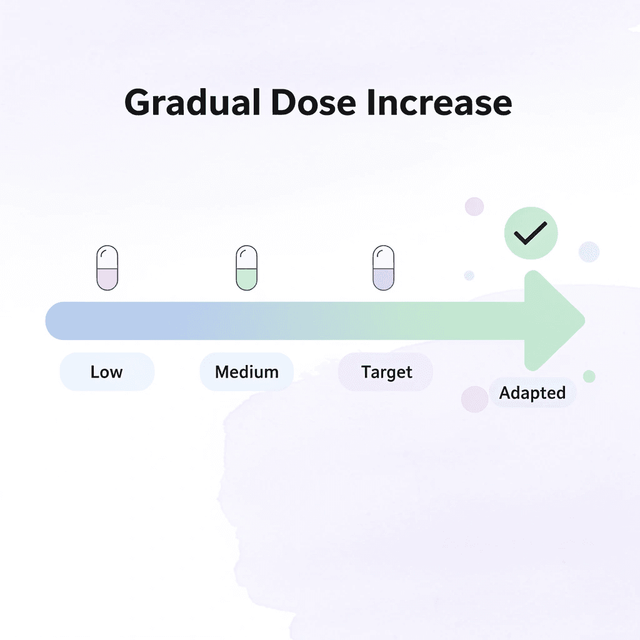
Side effects are strongest when you first start treatment and when your dose increases. Your digestive system and appetite centers need time to adjust to the new level of GLP-1 receptor activation. Escalating from zero to the full therapeutic dose too quickly, or increasing by large amounts, forces your body to adapt to a different operating speed overnight. The faster the increase, the more intense the side effects, because your body cannot keep pace with the biochemical changes.
How does aggressive titration affect your body's adjustment process?
Increasing the dose quickly brings it into the therapeutic range, producing faster weight loss and metabolic improvements. But it overwhelms your digestive system's ability to adjust. Slower increases allow your stomach, intestines, and brain to gradually acclimate to delayed emptying and amplified fullness signals, reducing symptom intensity. The medication itself hasn't changed—what varies is how much time you give your body to learn a new rhythm.
What eating behavior changes help reduce side effects?
Most people discover that their eating behavior must change to match these new signals. Finishing a full plate when your stomach empties at half speed guarantees discomfort, and ignoring early fullness cues while pushing through to old portion sizes triggers nausea.
People who adapt their habits—smaller meals, stopping when first full, avoiding trigger foods—experience fewer severe symptoms because they're working with the mechanism instead of against it. When you track patterns between dose timing, meal size, food choices, and symptom intensity in one place, you see which variables drive your experience. Our GLP-1 app helps users capture these daily signals: dose levels, protein intake, hydration, and symptom severity, so they can identify what works for their unique response and have more informed conversations with their clinicians about titration speed and eating strategies.
What causes individual differences in side effect experiences?
Two people can take the same doses and have completely different experiences. One person handles 9mg easily while another ends up in urgent care with dehydration at the same dose. The difference comes down to baseline digestive system sensitivity, how their body responds to appetite suppression, and how quickly they adapt to earlier doses. Your digestive system's tolerance for delayed emptying cannot be predicted from your weight or blood sugar levels.
How does medication affect thirst and hydration?
The same receptor activation that reduces "food noise" in your brain also suppresses thirst cues. Some people don't realize they're becoming dehydrated because the medication dampens both hunger and thirst signaling. When GI symptoms like vomiting or diarrhea compound reduced fluid intake, dehydration can worsen quickly.
Why do higher doses create difficult trade-offs?
Higher doses create stronger appetite suppression and greater average weight loss, but they also intensify delayed gastric emptying and GI symptoms. You must choose between maximum therapeutic effect and a tolerable dose. Rapid weight loss sounds appealing until it triggers gallbladder complications or leaves you unable to eat enough protein to maintain muscle mass.
How does appetite suppression affect mental bandwidth and nutrition?
Most people don't realize GLP-1s reduce mental energy spent thinking about food in ways that feel like treating previously undiagnosed ADHD. But that same appetite suppression can make it difficult to eat enough to get adequate nutrition, even when you know you need to. The medication doesn't distinguish between unnecessary food noise and necessary nutritional signals.
Managing that requires actively tracking what you consume, rather than trusting that a reduced appetite will naturally lead to balanced nutrition. Platforms like MeAgain help users connect dose timing, food intake, hydration, and symptom patterns in one place, making it easier to spot when appetite suppression crosses from therapeutic to inadequate-nutrition territory.
What question should you ask instead?
Once you understand that side effects stem from dose strength and your body's adjustment period rather than the medication itself, the question changes completely.
Which GLP-1 Has the Least Side Effects and How to Choose Based on Your Tolerance
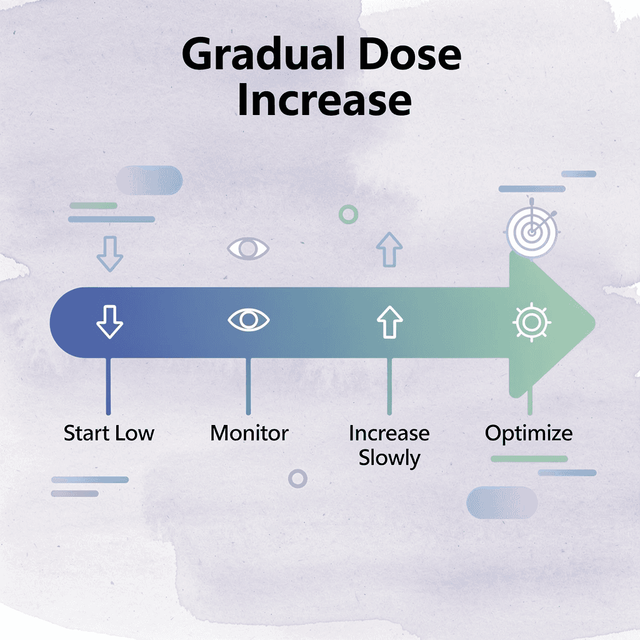
Which GLP-1 has the least side effects depends on how you dose it and how well your body handles it, rather than the drug itself. Lower starting doses and slower titration reduce stomach and digestive symptoms more effectively than aggressive escalation or medication switching, regardless of whether you're taking semaglutide, tirzepatide, or liraglutide.

"Slower titration reduces stomach and digestive symptoms more effectively than aggressive escalation, regardless of the specific GLP-1 medication used."
GLP-1 Medication | Starting Approach | Side Effect Management |
|---|---|---|
Semaglutide | 0.25mg weekly | 4-week intervals for dose increases |
Tirzepatide | 2.5mg weekly | 4-week intervals for titration |
Liraglutide | 0.6mg daily | Weekly increases as tolerated |
Semaglutide (Ozempic, Wegovy) Efficacy With Conditional Tolerance
Semaglutide delivers strong weight-loss results and, according to StatPearls, offers better blood sugar control, weight reduction, and blood pressure benefits than other blood sugar-lowering drugs, without the risk of low blood sugar. Nausea is the most common side effect, particularly initially, though phase 3 studies show that semaglutide is associated with lower rates of serious gastrointestinal symptoms than liraglutide at similar doses. Fewer people discontinued treatment due to side effects, suggesting improved tolerability with a low starting dose of 0.25 mg and gradual titration. Serious risks like pancreatic inflammation, gallbladder disease, and acute kidney injury are uncommon but more likely with dehydration or pre-existing conditions in these areas.
Liraglutide (Victoza, Saxenda): Established Track Record With Dose-Dependent Nausea
Liraglutide has been on the market longer, giving doctors extensive real-world experience with it. Studies show that 40% of users experienced nausea during the first few weeks, though this typically improved as the body adjusted. Nausea depends on dose: gradual increases and lower starting doses reduce severity more effectively than switching medications. Rare but serious risks mirror semaglutide's: pancreatitis, possible thyroid concerns based on animal studies, and kidney problems in patients with existing kidney issues or dehydration.
Exenatide (Byetta, Bydureon) Formulation Type Creates Trade-Offs
Exenatide comes in two forms: short-acting (Byetta) and long-acting (Bydureon). Byetta causes more nausea than other GLP-1 medications, while Bydureon reduces gastrointestinal issues but increases injection site reactions due to its extended-release formulation. If you have a sensitive stomach, Bydureon may be preferable. If injection site reactions concern you, the short-acting version or an alternative GLP-1 may suit you better.
Tirzepatide (Mounjaro): Higher Initial GI Effects That Resolve With Proper Pacing
Tirzepatide combines GLP-1 and GIP receptor activity, resulting in impressive weight-loss results in the SURPASS trials. It showed higher rates of gastrointestinal side effects compared to semaglutide, particularly nausea, vomiting, diarrhea, and abdominal pain at higher doses, though these were temporary and resolved with proper titration pacing. Strong appetite suppression can cause early discomfort for some users, but symptoms often fade as the dose increases gradually, allowing the body to adapt.
How should you match your GLP-1 strategy to your body's specific needs?
If you have a sensitive stomach or a history of digestive issues, pace dose increases carefully, regardless of which GLP-1 you choose. Starting at the lowest available dose and increasing only after your body adjusts (usually every four weeks) reduces nausea and vomiting more reliably than switching medications.
If strong appetite suppression is your priority and you can tolerate early side effects, recognizing that these are temporary and dose-related helps you persist with treatment long enough to see benefits. If you have pre-existing kidney problems or struggle with hydration, maintaining proper fluid intake becomes as important as drug selection, since dehydration significantly increases the risk of acute kidney injury across all GLP-1 formulations.
Why does tracking your daily patterns matter for GLP-1 success?
Tracking dose timing, meal composition, protein intake, hydration levels, and symptom severity helps you identify patterns your clinician cannot observe during brief office visits. Our MeAgain app consolidates these daily signals in one place, revealing whether nausea spikes after high-fat meals, improves with smaller portions, or correlates with missed water intake. These insights make titration conversations more precise, helping you and your provider adjust speed and strategy based on your actual response rather than population averages.
How do individual factors affect your medication response?
If you have a sensitive stomach, gradual dose increases matter more than which drug you choose. If you need strong appetite suppression quickly, you might tolerate early side effects rather than extend the ramp-up period. Past health problems such as pancreatitis, gallbladder issues, or kidney concerns increase risk across all GLP-1 formulations, making a medical history review more important than comparing medication charts.
What lifestyle factors influence side effects?
Not drinking enough water worsens side effects, especially if you're feeling sick or experiencing constipation. Adequate water intake lowers your risk of kidney problems regardless of which GLP-1 medicine you're taking. Changing what you eat works well with your medicine: eating smaller, more frequent meals and avoiding fatty or spicy foods helps protect your digestive system, regardless of which brand you use. The same amount of medicine that one person handles fine might send another person to the emergency room, not because they picked the wrong medicine, but because their body handles change differently.
Why do people assume switching medications is the solution?
Most people assume switching GLP-1s solves side effects, but adjusting the dose often matters more. The SURPASS trials showed tirzepatide had higher gastrointestinal side effects at higher doses compared to semaglutide, though these were generally temporary and resolved as treatment continued, suggesting tolerance builds over time with any formulation. Discontinuation happens when escalation outpaces adaptation, not when patients pick the wrong drug.
How can tracking variables help identify the real problem?
When you track dose timing, food intake, hydration levels, and symptom patterns together, you see what drives your experience. Our MeAgain app helps you connect these variables in one place, making it easier to determine whether nausea stems from too-fast titration, insufficient hydration, or meal timing rather than medication incompatibility.
Shifting injection time, adjusting meal size, and increasing water intake between doses often resolve side effects that would otherwise trigger an unnecessary medication switch. Understanding your tolerance is only half the equation; side effects don't exist in isolation from the daily behaviors that amplify or reduce them.
Manage GLP-1 Side Effects by Fixing the Behaviors That Actually Cause Them
The challenge isn't choosing the right GLP-1. It's managing the daily behaviors that determine how well you tolerate it. You can start on the medication with the lowest reported nausea rates, but if you're dehydrated, skipping protein, or eating heavy meals right after your dose, you'll struggle. Side effect management lives in the space between your injection and your habits.

"Side effect management lives in the space between your injection and your habits - the daily behaviors that actually determine tolerance." — Clinical GLP-1 Management Research
Feature | Benefit |
|---|---|
Integrated tracking | See patterns across dose, meals, and hydration |
Real-time insights | Connect symptoms to actual behaviors |
Guided routine | 3-minute setup with structured daily habits |
Doctor visits | Clear data instead of guessing |

Download MeAgain and start your GLP-1 support routine today. Setup takes under three minutes, and you get a guided system that helps you stay consistent with the habits that reduce side effects and support better treatment results. Rather than guessing how to manage nausea or constipation, you follow a structured daily routine designed around the factors that influence how your body responds to GLP-1 medication.