
GLP-1 medications accelerate weight loss, but they don't distinguish between fat and muscle tissue. Many users experience rapid results on the scale while unknowingly losing valuable lean muscle mass. Without adequate protein intake, the body breaks down muscle for energy, leading to a slower metabolism and difficulty maintaining long-term weight loss.
Determining the right amount of protein requires more than following generic guidelines. Individual needs vary based on current body composition, rate of weight loss, and activity level. MeAgain's GLP-1 app provides personalized protein targets that adapt to your progress, helping preserve muscle while maximizing fat-loss results.
Table of Contents
- How Much Protein Do You Need on GLP-1?
- Why GLP-1 Medications Make Protein Intake Harder (and More Important)
- How to Hit Your Protein Target on GLP-1 Without Overeating
- Make Sure You’re Actually Hitting Your Protein Target on GLP-1
Summary
- GLP-1 medications can lead to approximately 40% of weight loss coming from muscle rather than fat alone. This muscle loss isn't unique to GLP-1 therapy; it happens with any rapid weight loss, but it highlights why protein intake becomes essential when appetite is suppressed and food volume shrinks dramatically.
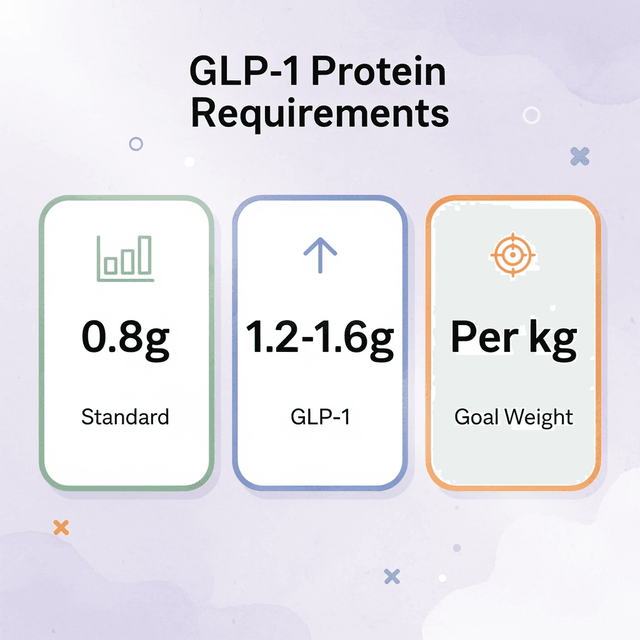
- Most GLP-1 users benefit from 1.2 to 1.6 grams of protein per kilogram of goal body weight per day, which is significantly higher than the standard 0.8 g/kg recommendation for weight maintenance. The increased target accounts for the body's greater demand for amino acids during active weight loss, particularly when medications suppress appetite and reduce total food intake.
- GLP-1 medications slow gastric emptying to roughly half of normal speed, creating a persistent fullness that can last 6 to 8 hours after a small meal. This physiological change makes consuming protein-dense whole foods systematically harder, even when you understand the nutritional need, because your stomach physically cannot accommodate the same food volumes as before.
- Research shows that 25 to 40% of weight loss from GLP-1 medications comes from lean muscle mass, not just fat tissue. When dietary protein falls below maintenance levels, the body breaks down muscle tissue to extract amino acids needed for organ function, immune response, and cellular repair, prioritizing survival over the preservation of strength.
- Distributing protein intake across three to four meals, targeting 25 to 40 grams per meal, helps maximize daily consumption because the body can only process a certain amount at once for muscle synthesis. Front-loading protein during the morning hours, when appetite is typically strongest and before medication effects fully set in, gives users the best opportunity to meet daily targets before early satiety restricts intake.
- GLP-1 app tracks daily protein intake in real time alongside medication doses, hydration, and progress monitoring, consolidating these variables in one place and providing personalized protein goals that adjust as your body composition changes throughout your weight loss journey.
How Much Protein Do You Need on GLP-1?
Most GLP-1 users benefit from 1.2 to 1.6 grams of protein per kilogram of goal body weight per day. This exceeds the standard 0.8 g/kg recommendation because active weight loss increases demand for amino acids to protect lean tissue. Your target depends on your goal weight, activity level, and weight loss rate.
"Active weight loss creates greater demand for amino acids to protect lean tissue during caloric restriction." — Nutritional Research, 2024
Why do protein needs increase during GLP-1 weight loss?
Many people assume protein needs stay the same on GLP-1 medications, but this is incorrect. Standard nutrition guidelines were designed for weight maintenance, not medication-assisted weight loss that suppresses appetite and accelerates fat loss. Typical gym advice does not account for rapid weight loss while consuming significantly less food.
Why does protein become essential during weight loss?
When losing weight with appetite-suppressing medications, the goal is to lose fat, not muscle. Studies on GLP-1 medications found that about 40% of weight loss was due to muscle loss. Adequate protein intake protects your strength and metabolism.
How does protein support your body during medication therapy?
Protein works in four critical ways: it preserves muscle mass as appetite drops, helps you feel full longer so you eat less, supports metabolism since muscle burns more calories at rest than fat, and maintains steady energy through stable blood sugar and physical strength.
What protein amounts do experts recommend for GLP-1 users?
Research published in Frontiers in Nutrition suggests 1.2 g/kg/day protein as a starting point for GLP-1 users, though individual needs vary. Some obesity medicine specialists recommend up to 2.0 g/kg of ideal body weight for patients doing resistance training during GLP-1 therapy. Your doctor can help determine the right target for your situation.
How do you calculate your basic protein target?
Use your goal body weight to calculate your protein target. Divide your goal weight in pounds by 2.2 to get kilograms, then multiply by 1.2 for moderate protein needs or 1.6 for higher needs. For example, a 150-pound goal weight (68 kg) requires 82 to 109 grams of protein daily depending on activity level.
How should individuals with obesity adjust their protein calculations?
For people with obesity, use adjusted body weight: take your target weight and add 25% of the difference between your current and target weight. If your target is 175 pounds (80 kg) and you're currently 220 pounds (100 kg), your adjusted weight is 80 + (0.25 × 20 kg) = 85 kg, yielding a daily protein target of 102 to 170 grams.
What do experts recommend for daily protein distribution?
According to TārāMD, recommendations range from 0.8 to 1.0 grams of protein per pound of goal body weight. Distribute protein across meals and snacks rather than consuming it all at once, which becomes difficult with reduced appetite.
How does the protein-first eating strategy work?
When your appetite is reduced by GLP-1 medication, every bite counts more. The protein-first approach means eating your protein source before anything else at each meal, ensuring you hit your protein target even if you cannot finish everything on your plate. On GLP-1 medication, you may only eat half of what you used to, so make the first half protein.
Why should you prioritize protein over other nutrients?
When appetite is suppressed, patients often consume carbohydrates or fats first, leaving little room for adequate protein. By reversing this order, you prioritize the most important macronutrient for body composition. Structure your plate by eating 4 to 6 ounces of lean protein first (chicken, fish, eggs, Greek yogurt, tofu), followed by non-starchy vegetables (broccoli, spinach, peppers, cauliflower), then complex carbohydrates and healthy fats as space allows.
How can technology help track protein intake?
MeAgain's GLP-1 app combines protein tracking, your medication schedule, and progress monitoring in one place. The app provides personalized protein goals based on your body composition and adjusts recommendations as your weight changes. You'll know exactly what to eat each day without calculating targets yourself or following generic recommendations that don't fit your specific GLP-1 journey.
Timing and Distribution Throughout the Day
Spreading 25 to 40 grams of protein across three to four meals optimizes muscle growth. Your body can process only a limited amount of protein at once, so distributing intake throughout the day maintains amino acid availability for your muscles rather than overwhelming your system.
High-quality protein sources containing all essential amino acids are important. Animal proteins (chicken, fish, eggs, dairy) naturally contain all amino acids your body needs. Plant proteins often require combining (e.g., rice and beans, hummus and whole-grain pita) to provide all essential amino acids, though quinoa and soy are complete proteins on their own.
What are the best high-protein foods for small portions?
For people experiencing appetite suppression, protein-rich foods in smaller amounts include Greek yogurt (6 oz: 15–20 grams), cottage cheese (half cup: 14 grams), protein shakes (20–30 grams per serving), eggs (6 grams each), lean chicken or fish (25 grams per 3 ounces), and edamame (17 grams per cup). These options deliver substantial protein without requiring large meal portions.
Should you choose liquid or solid protein sources?
Liquid protein sources like shakes and smoothies may be easier to consume when solid food is difficult to eat, as they require less stomach space and are easier when you feel sick or lack appetite. However, whole-food sources provide fiber that liquid supplements lack. The best approach combines both, based on your tolerance and daily protein goals, and adjusts as your body adapts to the medication.
But hitting these targets becomes harder when the medication itself changes how your body responds to food.
Related Reading
- GLP-1 Plateau
- How Does GLP-1 Help You Lose Weight
- Why Am I Not Losing Weight On GLP-1
- Does GLP-1 Cause Hair Loss
- How Much Water To Drink on GLP-1
Why GLP-1 Medications Make Protein Intake Harder (and More Important)
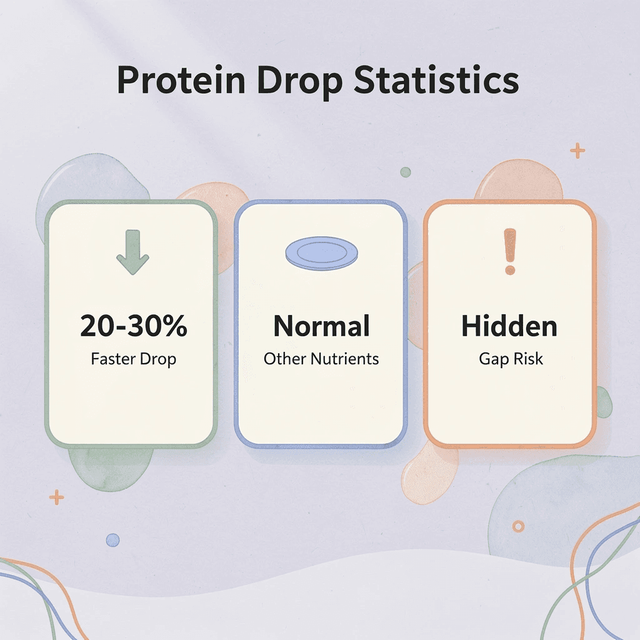
Protein requirements don't increase on GLP-1 therapy—meeting them becomes harder. These medications trigger physiological changes that reduce your opportunities to consume protein. GLP-1 agonists slow gastric emptying, meaning food sits in your stomach longer and triggers earlier satiety signals that suppress appetite beyond willpower alone. The result is lower total calorie intake, with protein consumption dropping faster than fat or carbohydrates.

How do GLP-1 receptors change your digestive system?
When GLP-1 receptors activate, they alter how your digestive system functions. Food moves through your body at roughly half the normal speed, creating a feeling of fullness that can last six to eight hours after eating a small meal. Your stomach's capacity has changed, affecting your ability to consume protein-rich whole foods that require chewing, digestion time, and stomach space.
What happens to muscle mass during GLP-1 weight loss?
Research from the American Journal of Lifestyle Medicine shows that 25-40% of weight loss from GLP-1 medications comes from lean muscle mass rather than fat tissue. Without adequate protein, your body breaks down muscle to obtain amino acids needed for organ function, immune response, and cell repair. Your body prioritizes survival over aesthetics or strength.
How do protein deficits develop unintentionally?
Most people on GLP-1 therapy don't consciously decide to eat less protein. They simply feel full after three bites of salmon, or the thought of eating meat triggers mild nausea. Protein-rich whole foods, particularly animal sources, require more mechanical breakdown and stomach acid activity than simple carbohydrates.
When your stomach empties slowly and appetite signals stay suppressed, dense proteins become the first foods you unconsciously avoid. You might finish the rice but leave the steak untouched, not because you're choosing carbs over protein, but because your body cannot process solid food.
What happens when protein intake drops too low?
When you eat less protein, your body breaks down more muscle protein. When you eat fewer total calories, your metabolism slows to conserve energy, lowering your resting metabolic rate. You lose weight, but more of it comes from lean muscle than fat.
Your body interprets a calorie deficit as potential famine, so it conserves fat stores and stops maintaining muscle mass. You can see this tradeoff within weeks: the scale drops, but your strength, recovery speed, and energy levels decline faster than the weight loss alone would explain.
What creates the constraint tension on GLP-1s?
You're caught between two opposing forces. Eating less drives weight loss on GLP-1s, while eating right—specifically consuming adequate protein—protects metabolic health during that loss.
The medication makes eating less automatic, but it doesn't distinguish between eating less junk food and eating less of what your body needs to maintain muscle, bone density, and metabolic function. You cannot eat smaller versions of your previous diet and expect optimal outcomes. Every bite now carries more nutritional weight because your total intake window has narrowed dramatically.
How can you manage nutrition strategically when appetite is reduced?
Platforms like our GLP-1 app help users track protein alongside dose timing, hydration, and side effects in one place, reducing the mental load of managing multiple factors while building sustainable habits through personalized nutrition plans. The goal is to achieve strategic nutrient density within a compressed eating window, guided by your specific body composition, medication type, and weight-loss phase.
But knowing you need more protein and consuming it when your appetite has vanished are two entirely different challenges.
How to Hit Your Protein Target on GLP-1 Without Overeating
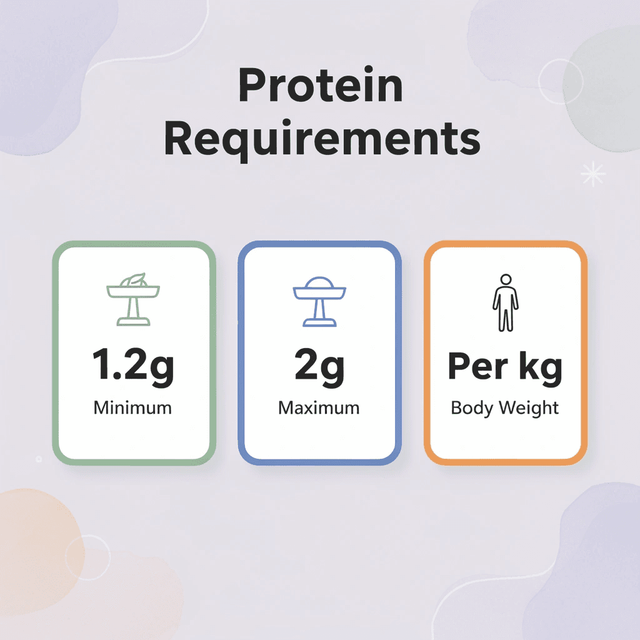
The challenge is eating enough protein when your appetite has disappeared, and your stomach feels full after a few bites. According to evidence-based recommendations for GLP-1 users, you need 1.2-2 g of protein per kg of body weight daily. Focus on protein density, plan meals at optimal times, and create a system that works even when you don't feel like eating much.

"GLP-1 users need 1.2g to 2g of protein per kg of body weight daily to maintain muscle mass during weight loss." — Evidence-based GLP-1 Research
Front-load protein when appetite is highest
Most GLP-1 patients feel their strongest appetite in the morning, before the medication reaches full effect. Consume most of your daily protein during this window by eating 25–30 grams at breakfast: choose eggs, Greek yogurt, cottage cheese, or a protein shake first. Waiting until lunch or dinner means fighting the medication's strongest effects when your stomach can hold the least food.
Choose density over volume
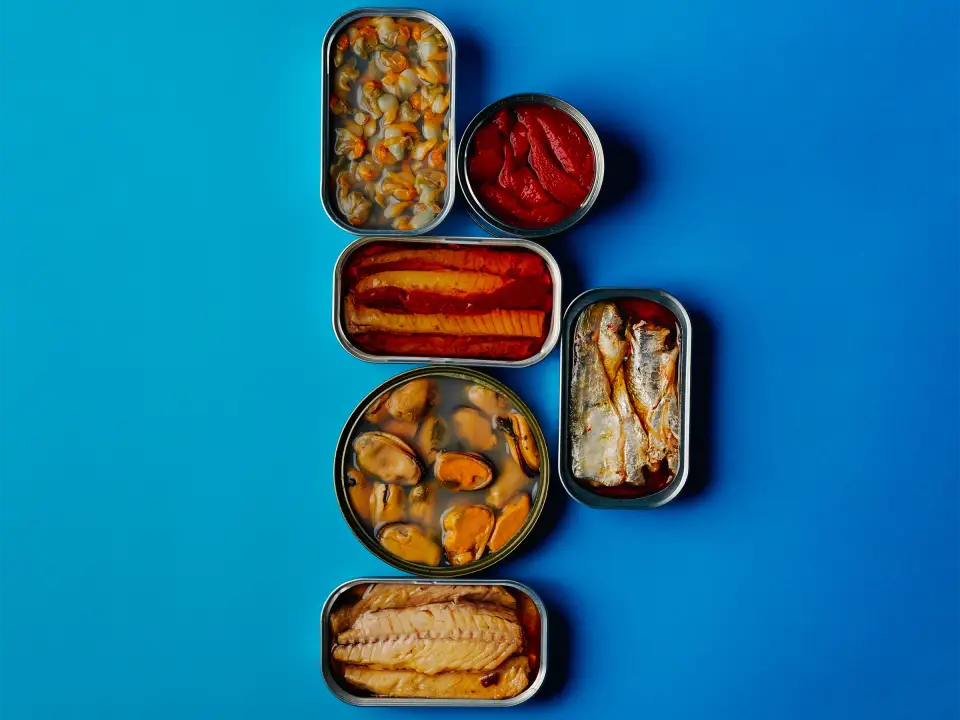
When you can only eat small amounts, every bite must deliver maximum protein per calorie. Greek yogurt contains nearly twice as much protein as regular yogurt in the same serving size. Ground turkey or chicken provides more protein per ounce than heavier cuts of meat. Cottage cheese, eggs, and canned fish like salmon or tuna pack substantial protein into manageable portions. Choose protein-dense foods that work within your reduced capacity.
Build a non-negotiable protein floor
How hungry you feel on GLP-1 medications can fluctuate day to day. Set a minimum baseline (your protein floor) that you eat regardless of appetite, typically 60-70% of your target. On days when hunger is low, this might mean three small meals or snacks focused on protein: a morning protein shake, Greek yogurt with berries at midday, and a palm-sized portion of chicken or fish at dinner. This floor prevents the muscle loss that accumulates when protein intake drops too low for too long.
How does liquid protein help with GLP-1 tolerance?
Solid food becomes harder to tolerate as gastric emptying slows, but many patients find liquid protein easier to consume without triggering nausea or excessive fullness. Protein shakes, bone broth, and blended soups deliver 20-40 grams of protein in a form your stomach processes differently from dense whole foods. Keep ready-to-drink options on hand for days when chewing feels taxing or when you need to bridge the gap between actual intake and your target.
Why is tracking protein intake so important?
Most people hitting protein targets on GLP-1s track nothing, estimate everything, and wonder why they feel weaker three months in. Our GLP-1 app consolidates protein tracking with dose timing, hydration, and side effects in one place, reducing the mental load of managing multiple variables. The goal is to achieve strategic nutrient density within a compressed eating window, guided by your body composition, medication type, and weight-loss phase.
Knowing your target and hitting it consistently are separated by one critical gap: measurement.
Make Sure You’re Actually Hitting Your Protein Target on GLP-1
Most people guess how much protein they eat and assume they're close enough, only to discover weeks later they haven't eaten enough. By then, the gap has already cost them.
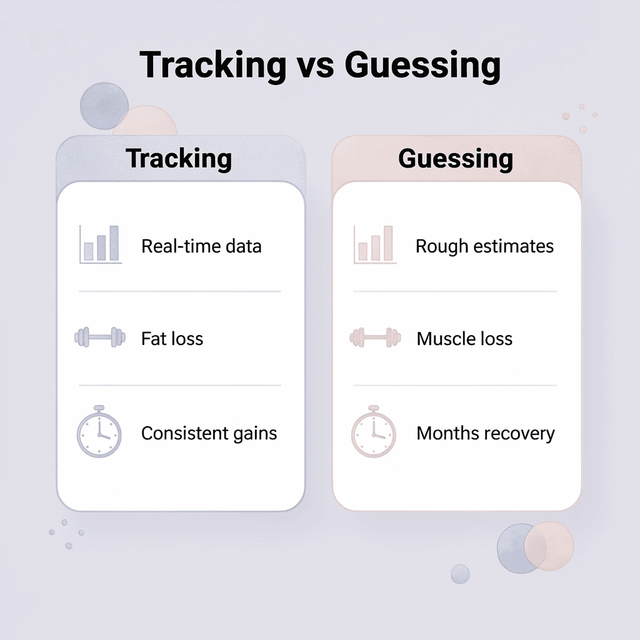
MeAgain tracks your daily protein intake in real time alongside water, fiber, and activity goals, so you can see whether you're staying in the range your body needs while on GLP-1 therapy. Your capybara companion keeps you consistent, and your Journey Card captures your progress week by week. Since protein intake determines whether you lose fat or muscle, this system helps you stay on the right side of that line.
"Protein tracking in real time ensures you're hitting your targets when it matters most — not discovering gaps weeks later when muscle loss has already occurred."