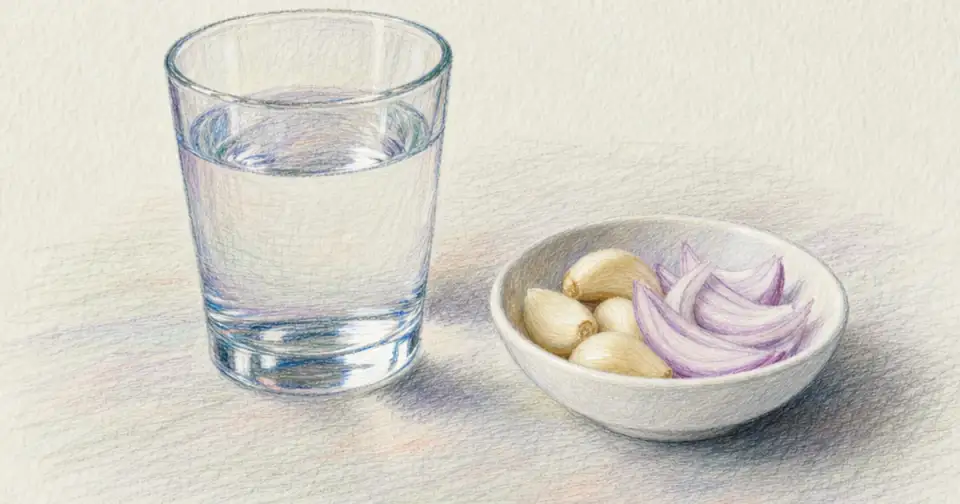

Starting Zepbound often comes with unexpected digestive side effects, and sulfur burps are among the most common complaints. That rotten egg smell can be alarming, but it usually points to specific changes happening in digestion rather than anything dangerous. Understanding what triggers these burps and what they actually signal helps people stay informed and confident throughout their treatment.
Managing these side effects often comes down to adjusting eating habits, meal timing, and food choices. Tracking patterns over time makes it easier to spot what aggravates symptoms and what helps. For real-time, practical support during this process, MeAgain's GLP-1 app offers personalized guidance to help reduce discomfort and stay on track.
Table of Contents
- Why Are You Getting Sulfur Burps on Zepbound?
- How Long Do Zepbound Sulfur Burps Last—and When Are They a Warning Sign?
- How to Stop Zepbound Sulfur Burps Before They Keep Coming Back
- Stop Guessing What's Triggering Your Zepbound Sulfur Burps
Summary
- Zepbound causes sulfur burps through a direct biological mechanism, not as a sign the medication is working. As a dual GIP and GLP-1 receptor agonist, tirzepatide slows gastric emptying, which allows gut bacteria more time to ferment undigested food. One byproduct of that fermentation is hydrogen sulfide gas, which produces the rotten egg smell when expelled as a burp.
- Clinical trial data shows a clear dose-dependent pattern. Burping was reported by 4% of people on the 5 mg dose and 5% on the 10 mg or 15 mg doses, compared to just 1% of placebo users. The higher the dose, the more aggressively gastric motility slows, giving bacteria more time and material to work with.
- GI side effects from tirzepatide are generally most intense during dose escalation periods. For most people, sulfur burps tend to cluster in the first few weeks after a dose increase and gradually settle as the body adjusts. If symptoms appear shortly after a dose change and resolve within two to three weeks, that pattern typically reflects a normal adjustment response rather than a problem requiring intervention.
- Dietary choices either work with Zepbound's slower digestive system or against it. Large meals, high-fat foods, carbonated beverages, high-sulfur ingredients like garlic and onions, and lying down after eating all compound the delayed emptying that the medication already causes. Each of these factors extends the fermentation window and increases hydrogen sulfide production. Hydration also plays a role, with the National Academy of Medicine recommending approximately 2.7 liters per day for women and 3.7 liters for men to support GI motility.
- Sulfur burps alone are almost always a motility issue tied to Zepbound's mechanism, but certain symptom combinations require prompt medical evaluation. Intense upper abdominal pain radiating toward the back, persistent vomiting or diarrhea, signs of dehydration, fever, or yellowing of the skin or eyes alongside burping can indicate pancreatitis, gallbladder disease, or severe dehydration, all documented risks in the GLP-1 medication class.
- Over-the-counter remedies like simethicone and probiotics offer real but temporary relief when used without dietary changes. Simethicone helps consolidate gas bubbles for easier expulsion, and probiotics may shift gut bacteria toward strains that produce less hydrogen sulfide over time. Both work best as targeted additions to dietary adjustments rather than standalone fixes.
- MeAgain's GLP-1 app addresses this by letting users log food intake, hydration, dose timing, and side-effect severity on a single timeline, making it easier to identify specific triggers and bring concrete, dateable patterns to prescriber conversations.
Why Are You Getting Sulfur Burps on Zepbound?
Most people think sulfur burps mean Zepbound is working. After all, tirzepatide slows gastric emptying, so food staying in your stomach longer seems like proof of efficacy.
"Tirzepatide slows gastric emptying, meaning food spends significantly more time in your stomach, creating the conditions that trigger sulfur-producing bacterial activity."

Are sulfur burps a sign that Zepbound is working?
But sulfur burps aren't a reliable measure of whether Zepbound is working. They're a symptom of hydrogen sulfide gas in your digestive tract, produced when changes in digestion, food intake, constipation, or other GI factors create conditions for gas buildup.
What actually causes sulfur burps on Zepbound?
Zepbound works as a dual GIP and GLP-1 receptor agonist, slowing gastric emptying so food remains in your stomach longer than normal. This creates conditions for gut bacteria to break down undigested food, producing hydrogen sulfide gas—the compound responsible for the rotten-egg smell. When that gas travels upward and exits as a belch, you get sulfur burps. Importantly, sulfur burps on Zepbound are not a sign the medication is working; they indicate your digestive system is under pressure.
What does the clinical data actually show?
In Zepbound's clinical trials, burping was reported by 4% of people on the 5 mg dose and 5% on the 10 mg or 15 mg doses, compared to 1% of placebo users. This dose-dependent relationship reflects tirzepatide's effect on gastric motility: higher doses slow digestion more, giving bacteria more time and material to produce gas.
How can tracking help you identify your specific triggers?
Most people endure sulfur burps without tracking when they occur relative to dose timing, food choices, and hydration. Our GLP-1 app lets you log side effects with severity ratings alongside meals, water intake, and injection schedule, revealing specific triggers rather than suffering symptoms in isolation.
How do diet and side effects compound the problem?
Changes in appetite while on Zepbound often shift what people eat, not just how much. Eating less frequently or consuming higher-protein foods to compensate for reduced hunger may increase intake of sulfur-rich foods, worsening gas production from slowed motility. Constipation and nausea, both common Zepbound side effects, further disrupt digestive rhythm and intensify gut fermentation.
When does delayed gastric emptying become a clinical concern?
Because Zepbound slows stomach emptying, it is not recommended for people with a history of serious gastroparesis. If you're scheduled for surgery or a procedure, your surgical team needs to know you're taking Zepbound, since delayed gastric emptying raises aspiration risk under anesthesia. While sulfur burps are usually manageable, the underlying mechanism has clinical implications in specific situations. Knowing what causes sulfur burps is only half the picture. The more pressing question for most people is how long this actually lasts.
Related Reading
- Zepbound Long Term Side Effects
- Does Zepbound Make You Sleepy
- Zepbound Not Working
- Do You Have To Take Zepbound Forever
- Why Am I Still Hungry On Zepbound
- How Many Calories Should I Eat On Zepbound
- What to Expect After First Dose of Zepbound
- Does Zepbound Give You Energy
- Does Zepbound Cause Hair Loss
How Long Do Zepbound Sulfur Burps Last—and When Are They a Warning Sign?
Sulfur burps from Zepbound don't follow a set timeline, and no clinical study has tracked how long they last specifically. Research confirms that GI side effects from tirzepatide are generally mild to moderate and temporary, most intense during dose escalation periods. For most people, symptoms cluster around the first few weeks after a dose increase, then gradually settle.
"GI side effects from tirzepatide are generally mild to moderate and temporary, peaking during dose escalation periods before subsiding." — PMC/NCBI Clinical Research
Phase | When It Happens | Symptom Intensity |
|---|---|---|
Initial Dose | First 1–2 weeks | Mild to moderate |
Dose Escalation | Around each increase | Most intense period |
Stabilization | Weeks after escalation | Gradually settles |
What happens to your body when your dose goes up?
When your dose increases, your stomach moves more slowly, fermentation increases, and symptoms worsen. As your body adjusts, bacterial activity normalizes, and burping typically resolves. If sulfur burps appear two days after a dose increase and resolve within two to three weeks, you're experiencing a normal adjustment response.
How can tracking symptoms help you spot a warning sign?
Most people wait it out, but without tracking when symptoms started, their severity, and what you ate that day, it becomes impossible to distinguish normal adjustment from worsening over time. Our GLP-1 app built for tirzepatide users logs side effects alongside dose timing, food intake, and hydration on a single timeline, turning vague complaints into specific, dateable trends your clinician can use.
When should you contact your prescriber?
Contact your prescriber if sulfur burps persist, recur after every dose escalation, or worsen over time. They may recommend a slower titration schedule, temporary dose hold, or dietary adjustments around injection day: practical changes that can reduce symptoms without derailing progress.
When is it potentially something more serious?
The critical difference between a nuisance and a warning sign is what accompanies the burps. Sulfur burps alone are almost always a GI motility issue connected to how Zepbound works. But if you're also experiencing intense upper abdominal pain radiating toward your back, ongoing vomiting or diarrhea, signs of dehydration such as dark urine or extreme thirst, or fever and yellowing of the skin or eyes, seek medical evaluation the same day. These combinations can signal pancreatitis, gallbladder disease, or severe dehydration—all documented risks in the GLP-1 medication class requiring prompt clinical attention.
How do you know when to act on your symptoms?
Use this framework: mild and occasional symptoms with no other signs warrant monitoring and adjusting eating habits; persistent or recurring symptoms after dose changes require discussion with your prescriber; sulfur burps combined with serious symptoms warrant same-day evaluation. This clarity eliminates the anxiety of wondering whether to act. Knowing when to worry is only part of what you need. The more empowering question is what you can do to stop sulfur burps from becoming a recurring feature of your Zepbound experience.
Related Reading
- How Long Do Zepbound Side Effects Last
- Where to Inject Zepbound for Best Results
- Does Zepbound Make You Pee More
- How Long Does It Take For Zepbound To Work
- How Long Does It Take For Zepbound To Suppress Appetite
- Zepbound Nausea Relief
- Zepbound Injection Site Reaction
- Zepbound Constipation Relief
- Zepbound Muscle Loss
- How Much Weight Can You Lose On Zepbound In 3 Months
How to Stop Zepbound Sulfur Burps Before They Keep Coming Back
Zepbound slows gastric emptying as part of how it works. Every food choice either works with that slower system or against it. Repeated poor choices feed a cycle: food sits longer, bacteria ferment more sulfur compounds into hydrogen sulfide gas, and your digestive tract struggles to clear the buildup before the next meal arrives.
"Every food choice either works with that slower digestive system or against it — and repeated poor choices feed a cycle that keeps sulfur burps coming back."
Factor | Works With Zepbound | Works Against Zepbound |
|---|---|---|
Food type | Low-sulfur, easy-to-digest | High-sulfur, heavy meals |
Meal size | Small, frequent portions | Large, infrequent meals |
Digestion speed | Supports slower emptying | Overwhelms the system |
Bacterial activity | Minimal fermentation | Excess hydrogen sulfide gas |
Why does restricting your diet make the problem worse over time?
Ongoing sulfur burps, bloating, and nausea often lead people to limit their diets to a small group of "safe" foods because the unpredictability feels hard to manage. This limitation threatens protein intake, fiber intake, and the nutritional foundation that makes Zepbound's long-term weight loss sustainable. Avoiding garlic and onions is reasonable short-term, but eating the same three foods every day out of fear is a different problem: one that starts with never understanding why the symptoms appeared.
What's actually driving each symptom
The table below shows each common driver, its mechanism, and the specific action that stops it. This is a causal chain, and each link matters.
How do meal size and food choices affect gas production?
What may be happening | Why it matters | What to do |
|---|---|---|
Large meals | Sit longer in the stomach; Zepbound slows gastric emptying, allowing more fermentation and hydrogen sulfide gas production. | Eat smaller, more frequent meals to reduce the fermentation window. |
High-sulfur foods | Gut bacteria convert sulfur compounds (e.g., onions, garlic, beans) into hydrogen sulfide, causing foul-smelling burps. | Identify and limit your personal sulfur triggers, especially during dose escalation. |
High-fat meals | Fat independently slows gastric emptying, compounding the medication's effect and extending the gas-production window. | Reduce very high-fat meals, especially in the early weeks after a dose increase. |
Carbonated beverages | Introduces CO2 directly into a stomach already burdened by gas from slowed digestion. | Switch to flat water or unsweetened tea. |
Lying down after eating | Removes gravity's assistance; horizontal positioning extends the time food ferments in the stomach. | Stay upright for at least two to three hours after meals. |
Dehydration | Compounds constipation, which slows the entire GI tract and worsens bloating and burping. | Target ~2.7 liters/day (women) or ~3.7 liters/day (men). |
Eating too quickly | Introduces swallowed air into an already gas-burdened system. | Slow down, chew thoroughly, and pause between bites. |
Why does tracking your patterns matter more than reacting to symptoms?
Most people notice medication side effects only after they occur repeatedly. By then, the pattern is established. Writing down what you ate, how much water you drank, and when symptoms appeared alongside your dose timing provides concrete information rather than guesses. Our GLP-1 app at MeAgain consolidates food logs, hydration, side-effect severity, and dose timing in one place, transforming reactive problem-solving into proactive insights you can discuss with your doctor.
When OTC remedies actually help
Simethicone works by combining small gas bubbles into larger ones that can be expelled more easily. Probiotics may shift the gut bacterial population toward strains that produce less hydrogen sulfide over time. Both are useful tools, but they are downstream interventions: using simethicone while continuing to eat large, high-fat, sulfur-rich meals is like draining a bathtub with the faucet still running. OTC remedies work best as targeted additions to dietary changes, not substitutes. Some people find that using famotidine proactively on higher-dose days helps manage reflux and upper GI discomfort before it compounds into a worse episode. Even people who follow every one of these strategies find that certain triggers slip through undetected.
Stop Guessing What's Triggering Your Zepbound Sulfur Burps
If your sulfur burps keep coming back, figure out what's triggering them: what you're eating, how much, how much water you're drinking, and how symptoms change with your Zepbound treatment. Most people try to track this in their heads, but the gap between a dietary trigger and a sulfur burp can span several hours, making the link nearly invisible without a record.
"The gap between a dietary trigger and a sulfur burp can span several hours, making the link nearly invisible without a record."
Trigger Factor | Why It Matters |
|---|---|
What you're eating | High-fat or sulfur-rich foods are common culprits |
How much you're eating | Portion size directly impacts gastric emptying speed |
Water intake timing | Hydration patterns affect digestion and symptom severity |
Dose timing | Symptoms often peak at specific points in your dosing cycle |

A GLP-1 app like MeAgain logs your food, hydration, dose timing, and symptom severity on the same timeline, revealing clear cause-and-effect relationships. When you bring that specific, dated record to your prescriber, the conversation shifts from "I've been having burps" to "my symptoms consistently peak within six hours of higher-fat meals on dose day." That precision enables your provider to take targeted action.