
Anyone who has started Zepbound for weight loss eventually faces the same question: does staying on it have to be permanent, or is there a realistic exit point? The answer matters because it shapes financial planning, long-term health decisions, and expectations about what the medication can and cannot do on its own. Research shows that tirzepatide works differently for different people, and stopping it often brings consequences worth understanding before making any changes.
Having clear data and consistent support makes that decision far less overwhelming. Tracking progress, understanding how the body responds over time, and building sustainable habits are all part of managing weight beyond the prescription itself. For people navigating that process, the GLP-1 app from MeAgain is designed to provide exactly that kind of ongoing guidance.
Table of Contents
- Do You Have to Take Zepbound Forever?
- What Happens If You Stop Taking Zepbound?
- Can You Stop Zepbound Without Regaining Weight?
- Build Healthy Habits That Last Beyond the Medication
Summary
- Two-thirds of people who stop taking GLP-1 medications like Zepbound regain most of their lost weight within a year, according to AARP's analysis of cessation research. But outcomes are not uniform. A large Epic Research study of nearly 40,000 patient records found that over 50% of people either maintained their weight loss or continued losing weight after stopping. The difference tends to come down to what behavioral and metabolic infrastructure each person built during the medication period.
- Obesity is classified as a chronic, relapsing disease by the American Academy of Obesity Medicine, which fundamentally changes how treatment decisions should be framed. Tirzepatide works by mimicking the GLP-1 and GIP hormones, which regulate appetite and insulin response. When the medication is active, those signals shift. When it is not, they return to baseline. That is biology, not a gap in willpower.
- Clinical trial data from the SURMOUNT-4 study found that participants who switched from tirzepatide to placebo regained approximately 14% of body weight over 52 weeks. Separately, clinical trials showed tirzepatide users lost up to 20% of body weight during active treatment, with those on the highest 15 mg dose seeing the most significant results over 72 weeks. The gap between those two numbers reflects what discontinuation without adequate lifestyle support typically produces.
- Weight regain after stopping often begins subtly, with appetite returning within one to two weeks as the drug clears the body. The hunger hormone ghrelin rises, the satiety hormone leptin falls, and energy expenditure decreases. These compensatory metabolic changes can persist for years after weight loss, regardless of how the weight was lost. Recognizing these early signals before the scale moves is one of the more practical challenges people face after discontinuation.
- The medical community has largely aligned on long-term pharmacotherapy for obesity. The American Gastroenterological Association, the Endocrine Society, and the American Association of Clinical Endocrinology all support ongoing treatment framed the same way as management of hypertension or type 2 diabetes. Short-term use followed by discontinuation generally leads to weight regain and a reversal of cardiometabolic improvements, including blood sugar control, blood pressure reductions, and relief from sleep apnea.
- People who maintain significant long-term weight loss share consistent patterns, according to the National Weight Control Registry: roughly 200 to 300 minutes of moderate-intensity physical activity per week, consistent eating habits, and regular self-monitoring that catches early drift before it becomes a trend. Resistance training and seven to nine hours of sleep per night also play a direct role, since poor sleep chemically recreates some of the hunger environment that tirzepatide was suppressing.
- MeAgain's GLP-1 app addresses this by centralizing dose timing, nutrition, weight trends, hunger patterns, and activity data in one place, giving both patients and their clinicians a connected picture of how the body is responding rather than a collection of disconnected impressions.
Do You Have to Take Zepbound Forever?
Zepbound is FDA-approved for chronic weight management, reflecting a critical clinical reality: obesity is a chronic disease, not a temporary condition. Like blood pressure medication, tirzepatide targets the metabolic drivers of weight gain that don't simply disappear.
"Obesity is a chronic disease. Treating it requires the same long-term approach as managing blood pressure or diabetes." — Clinical Consensus

Why Obesity Changes the Conversation
The failure point in most weight-loss thinking is treating obesity as a short-term problem requiring a short-term fix. The American Medical Association classifies obesity as a chronic disease, alongside high blood pressure and type 2 diabetes. A heart doctor wouldn't prescribe blood pressure medication for three months and then wish you well; obesity specialists understand that the underlying hormonal and metabolic drivers of excess weight don't resolve after treatment. Tirzepatide works by engaging GIP and GLP-1 receptor pathways your body already uses to regulate hunger and digestion. When the medication is present, those signals shift. When it's gone, they return to baseline.
How Long Does It Actually Take to See Results?
Clinical trial data from the SURMOUNT trials show that participants taking tirzepatide lost an average of 15% to 21% of their starting body weight over 72 weeks, with the most significant changes occurring in the first 8 to 9 months. In an 88-week extension study, participants who continued treatment lost an additional 6% beyond the first 36 weeks, reaching an average of 27% total weight loss over 20 months.
Most people who achieve meaningful results on tirzepatide stay on treatment for one to two years, with many continuing indefinitely to prevent rebound. According to Fella Health's analysis of the SURMOUNT-4 trial, those who continued tirzepatide lost an additional 5.5% of body weight over 52 weeks, whereas those who discontinued tirzepatide experienced weight regain. Tracking how your weight, appetite, and habits shift week by week helps you and your provider make informed decisions about treatment duration.
Does Your Body Become Dependent on Tirzepatide?
"Dependent" is too strong a word for what happens with tirzepatide. The medication doesn't create chemical addiction or cause withdrawal symptoms like drugs of misuse do. It fixes a body imbalance that has often persisted for years. Think of it like thyroid medication for hypothyroidism: stopping it doesn't cause addiction symptoms; it simply allows the underlying condition to return. The absence of the medication is felt not as craving but as the return of appetite signals that were always there.
People who build strong lifestyle habits during treatment—consistent protein intake, regular movement, and behavioral awareness—tend to do better after any transition than those who rely on medication alone. Tools that help you track those habits daily distinguish between a temporary treatment period and a genuine shift in how you live.
Can You Stop Without Gaining Weight Back?
Stopping tirzepatide without significant weight regain is challenging. WebMD reports that two-thirds of weight lost is regained within one year of stopping GLP-1 medications for most people. SURMOUNT-4 data show that participants who discontinued tirzepatide regained weight at a pace that mirrored their original loss trajectory. Extended treatment allows better metabolic adaptation, though it doesn't permanently reprogram metabolism without the medication. What happens inside your body when you stop taking tirzepatide is where the story becomes complicated.
Related Reading
- Zepbound Long Term Side Effects
- Does Zepbound Make You Sleepy
- Zepbound Not Working
- Zepbound Long-Term Side Effects
What Happens If You Stop Taking Zepbound?
Stopping Zepbound doesn't erase your progress — but it does set off a chain of changes you need to understand. Tirzepatide works by activating GIP and GLP-1 receptors in your brain and gut, which suppresses appetite signals and slows gastric emptying. When you stop, those effects don't stick around. With a half-life of roughly five days, the medication clears your system within weeks, and your appetite regulation gradually returns to baseline.
"With a half-life of roughly five days, Tirzepatide clears your system within weeks — and your body's natural appetite signals begin returning to their pre-treatment baseline."
Factor | While on Zepbound | After Stopping |
|---|---|---|
Appetite Signals | Suppressed | Gradually return to baseline |
Gastric Emptying | Slowed | Returns to normal rate |
Medication in System | Active | Clears within weeks |
GIP/GLP-1 Activation | Ongoing | Fades with a half-life of ~5 days |
How much weight do people regain after stopping Zepbound?
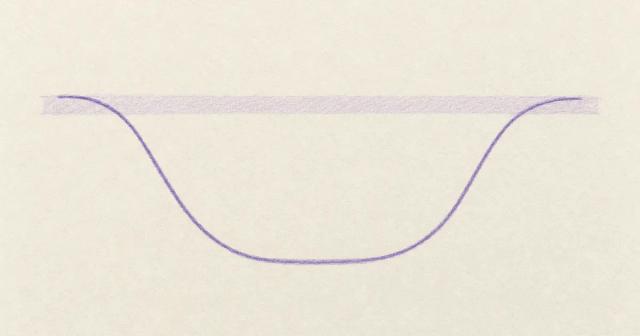
According to Fella Health's analysis of the SURMOUNT-4 trial, people who stopped taking tirzepatide gained back about 14% of their body weight over 52 weeks. The Epic Research study of nearly 40,000 patient records found that more than 50% of patients either maintained their weight loss or continued to lose weight after stopping GLP-1 medications, while around 20% regained all lost weight. Results vary by individual.
Why does weight come back so quickly for some people?
When your body loses significant weight, it fights back through metabolic adaptation. Hunger hormones like ghrelin increase, fullness hormones like leptin decrease, and resting energy expenditure drops. These changes can persist for years after weight loss, regardless of how the weight was lost. Zepbound suppresses those signals while you take it. When it leaves your body, the signals return, often stronger than before.
Is regain after stopping a willpower problem or a hormonal one?
Ken Chinavare, a 53-year-old airplane mechanic who regained most of the 30 pounds he lost on weight-loss medication, described it plainly: "While on Wegovy, I felt normal. I didn't have constant food noise in my head." That food noise is not a psychological weakness—it is a measurable hormonal shift, which is why stopping without a structured plan produces such consistent results across studies.
How does tracking your data change the decision to stop?
Most people track their Zepbound journey through memory, bathroom scale check-ins, and occasional app notes. This works when the medication does most of the work. But when considering stopping or dose adjustments, accumulated data becomes the difference between an informed decision and a guess. Our GLP-1 app at MeAgain provides a continuous record of weight trends, appetite patterns, and side effect history, grounding any conversation about continuing or stopping in your actual experience.
Why do clinical guidelines treat stopping as a medical decision?
The main difference between patients who maintained their results and those who regained weight is whether they had an ongoing plan in place before the medication was stopped. Current guidelines from the American Gastroenterological Association, the Endocrine Society, and the American Association of Clinical Endocrinology treat obesity as a chronic condition requiring long-term management. Habits alone rarely overcome the metabolic headwinds following significant weight loss, making the decision to stop a clinical one rather than a matter of personal preference.
What do large-scale trials reveal about weight regain after stopping?
The SURMOUNT-4 trial shows what stopping the medication looks like at scale. Participants who switched from tirzepatide to placebo regained around 14% of body weight over 52 weeks, according to Fella Health's analysis of the trial data. However, results varied considerably. A large Epic Research study examining nearly 40,000 patient records found that while around 20% of patients regained all or more of their lost weight within 12 months of stopping a GLP-1 medication, over 50% either maintained their weight loss or continued losing weight. The difference depends on the behavioral and metabolic habits each person had built before stopping.
How can early signal tracking change outcomes after discontinuation?
Weight regain after stopping the medication often starts slowly: hunger returns before the scale shifts, and portion sizes increase before numbers change. By the time the trend becomes visible, it has already begun. Our GLP-1 app at MeAgain lets people monitor these early signs in real time, connecting dose timing, hunger patterns, food intake, and weight trends so that both the person and their doctor can identify changes before they become a clinical problem.
Long-term treatment or short-term course?
The American Gastroenterological Association, the Endocrine Society, and the American Association of Clinical Endocrinology all support long-term pharmacotherapy for obesity. They approach it as they do high blood pressure or type 2 diabetes: manage the condition as long as the medication works, side effects remain tolerable, and benefits outweigh risks. Short-term use—a few months to reach a goal weight, then stopping—typically results in weight regain and loss of cardiovascular and metabolic improvements. Exceptions exist, such as patients preparing for weight-loss surgery or those with strong, healthy habits, but these are uncommon.
What happens to your results when you continue versus stop?
Factor | Continuing Zepbound | Stopping Zepbound |
|---|---|---|
Weight outcome | Sustained or continued loss; maintained at 72 weeks in SURMOUNT trials | Significant regain is common within months |
Appetite and metabolism | Appetite suppressed; gastric emptying slowed | Appetite returns to baseline within days to weeks |
Cardiometabolic benefits | HbA1c, blood pressure, and lipid improvements sustained | Benefits may reverse as weight returns |
Guideline position | AGA, Endocrine Society, and AACE support long-term use | Short-term use not generally recommended |
Lifestyle requirements | Lifestyle modifications enhance outcomes | 200 to 300 min/week of exercise and dietary monitoring become essential |
How should you plan any discontinuation with your clinician?
Better blood sugar control, lower blood pressure, and relief from sleep apnea with tirzepatide are linked to weight loss itself. When weight returns, those benefits often follow. Plan any discontinuation with a clinician rather than stopping suddenly, though no formal taper is required by the FDA label. The more useful question is whether your outcome must follow the average at all.
Can You Stop Zepbound Without Regaining Weight?
There is no universal answer to how long you should stay on Zepbound. Doctors who specialize in obesity medicine decide whether to stop the medicine by looking at many factors: whether you have reached your weight-loss goals, how your metabolic conditions like pre-diabetes or fatty liver disease have improved, what side effects you are dealing with, and what you actually want for your life. What the patient wants is an essential part of the medical decision.
"The decision to stop Zepbound is never one-size-fits-all — it depends on weight-loss goals, metabolic health improvements, side effect tolerance, and patient preference." — Obesity Medicine Specialists
Factor Doctors Evaluate | Why It Matters |
|---|---|
Weight-loss goals reached | Determines if the primary objective has been met |
Metabolic condition improvement | Tracks changes in pre-diabetes, fatty liver disease, etc. |
Side effects experienced | Weighs tolerability and quality of life |
Patient's personal goals | Ensures the decision aligns with what you want |

What does the research say about weight regain after stopping?
According to AARP's analysis of GLP-1 cessation research, two-thirds of people who stop taking GLP-1 drugs regain most of their lost weight within a year. The remaining third viewed the medication as a starting point rather than an endpoint, using the reduced appetite and metabolic support to build lasting habits for independent weight maintenance.
Which habits do long-term weight maintainers consistently rely on?
The National Weight Control Registry tracks people who have maintained significant weight loss over the long term. It consistently finds that successful people eat in consistent patterns, perform 200 to 300 minutes of moderate-intensity physical activity weekly, and weigh themselves regularly to catch early weight gain. Resistance training protects muscle mass, metabolically active tissue that counteracts the metabolic slowdown following significant weight loss. Seven to nine hours of sleep per night is essential: poor sleep elevates ghrelin and suppresses leptin, chemically recreating the hunger environment that Zepbound was suppressing.
How does tracking connected data help when pharmacological support fades?
Most people rely on memory and good intentions for behavioral weight management, which works when medication suppresses appetite. When that effect fades, gaps in those habits become visible. Tracking nutrition, protein intake, physical activity, weight trends, and sleep quality as connected data gives you and your clinician a clearer picture of what is holding or slipping. A GLP-1 app like MeAgain makes that connected, low-friction tracking practical on a daily basis.
Is returning to medication a failure if weight comes back despite real effort?
Many obesity specialists consider a five to ten percent reduction from starting weight a success, as the benefits to the heart, metabolism, and inflammation at that level are well-documented. If weight returns despite lifestyle changes, returning to medication is not a failure. Obesity is a long-term condition that can recur, and treating it episodically is outdated thinking. Some patients will remain on Zepbound indefinitely, and for them, that choice is supported by evidence. The goal is a treatment plan that fits your body, life, and long-term health, created with a doctor who considers all of these factors together.
Build Healthy Habits That Last Beyond the Medication
The habits you build during treatment carry you forward, whether you stay on Zepbound or step down with your clinician's guidance. Protein targets, consistent movement, and daily hydration form the structural foundation that determines your results six months after any medication decision.
"The habits you build during treatment are the real long-term intervention — medication is the catalyst, but daily structure is what makes results last." — MeAgain Health

Most people track these habits loosely, relying on memory or rough estimates — and that's exactly where progress quietly unravels. Our GLP-1 app, MeAgain, turns daily signals into a rewarding system with personalized goals for protein, fiber, water, and movement, plus a Journey Card that tracks progress over time. Small, consistent data points reveal patterns neither you nor your clinician can see otherwise, making every next decision easier to trust.
Habit | Why It Matters | How MeAgain Helps |
|---|---|---|
Protein targets | Preserves muscle during weight loss | Personalized daily goal tracking |
Daily hydration | Supports metabolism and satiety | Water intake logging with reminders |
Consistent movement | Sustains results post-medication | Movement goals tied to your Journey Card |
Fiber intake | Improves gut health and fullness | Fiber tracking alongside meals |