

Increased bathroom trips are a common concern among people starting Zepbound, and the reasons behind them are worth understanding. Zepbound works by regulating blood sugar and reducing appetite, both of which can influence how the body handles fluids. Some users also notice other unexpected changes during treatment, such as shifts in energy, digestion, and hydration needs. Knowing what drives these responses helps people stay informed and avoid unnecessary worry.
Managing symptoms while staying consistent with a GLP-1 medication is easier with the right support. Tracking urinary changes, fluid intake, and other patterns over time provides a clearer picture of how the body responds to treatment. For anyone looking for a structured way to do that, the GLP-1 app from MeAgain offers practical tools to monitor symptoms and stay safely on track.
Table of Contents
- Does Zepbound Make You Pee More?
- When Is Increased Urination Normal and When Should You Be Concerned?
- How to Stay Hydrated While Taking Zepbound
- You've Learned What to Do—Now Make It Easy to Do Every Day
Summary
- Increased urination during the first weeks on Zepbound is a predictable physiological response, not a medication side effect. As the body burns through glycogen stores, each gram releases roughly 3 grams of water, which exits the body in urine. Most people notice the pattern resolving on its own by week twelve as the body reaches a new equilibrium.
- Clinical trial data and patient-reported experience tell two different stories about urinary frequency on Zepbound. The SURMOUNT-1 trial recorded clinical polyuria in only 1.2% of participants on the 15mg dose, but a 2024 post-marketing survey of 1,847 tirzepatide users found that 62% noticed increased daytime urination in the first three months. The gap exists because trials code symptoms as adverse events only when they are severe or persistent, whereas patients notice subtler changes.
- For people managing obesity-related type 2 diabetes, Zepbound may actually reduce urinary frequency over time rather than increase it. The American Diabetes Association notes that frequent urination affects approximately 30% of people with this condition, and as blood sugar control improves on tirzepatide, glucose-driven urination often decreases. This makes the relationship between Zepbound and urinary changes more nuanced than a simple cause-and-effect.
- The line between a normal adjustment response and a warning sign comes down to specific clusters of symptoms. Urination exceeding 8 times per day beyond week twelve, burning or sudden urgency, blood in the urine, or excessive thirst that does not ease after drinking all signal something worth investigating rather than waiting it out. The FDA prescribing information does not list increased urination as a direct adverse effect of tirzepatide, which means persistent, unexplained output warrants a provider conversation.
- Dehydration is a documented risk on GLP-1 therapy because gastrointestinal side effects like nausea and vomiting reduce fluid intake at the same time that weight loss physiology increases fluid output. The practical hydration target for Zepbound users is 64 to 80 ounces of water per day, with urine color as the most reliable indicator. Dark, concentrated urine despite frequent urination is a counterintuitive but important warning sign that fluid losses are outpacing intake.
- Front-loading fluids before 4 PM, voiding completely before bed, and keeping evening sodium below 600 mg are the three most effective strategies for reducing nighttime urination on Zepbound. Most people who follow this timing approach see nocturia improve within two to three weeks. The challenge is not knowing what to do, but maintaining consistency across weeks of shifting doses and changing side-effect patterns.
- MeAgain's GLP-1 app addresses this by allowing users to log urinary frequency, hydration, dose timing, and side-effect severity on a single timeline, so patterns that would otherwise remain invisible become clear and useful during provider conversations.
Does Zepbound Make You Pee More?
Many people think Zepbound works like a water pill, pulling fluid from the body straight to the bladder. That assumption is wrong.
"Increased urination is not listed among the top five most common side effects of Zepbound, a fact that surprises many new users." — Fella Health Clinical Review

According to Fella Health's clinical review, increased urination is not listed among the top five most common side effects of Zepbound, which affect up to 30% of users. Tirzepatide is a dual GIP and GLP-1 receptor agonist that works by making your body produce more insulin, stopping glucagon, slowing how fast your stomach empties, and reducing hunger. Your kidneys are not its target — your metabolism is.
Zepbound Mechanism | Target |
|---|---|
Increases insulin production | Pancreas |
Suppresses glucagon | Liver |
Slows gastric emptying | Stomach |
Reduces hunger signals | Brain |
Urination frequency | Not a primary target |
Why does glycogen loss cause increased urination on Zepbound?
When you start Zepbound, the amount of calories you eat drops quickly, and your body starts burning through glycogen stores. Each gram of glycogen releases roughly three grams of water as it breaks down. That water leaves the body in urine, causing patients to commonly report needing to urinate every 90 to 120 minutes during the day and waking once or twice at night during weeks one through four, with pale or nearly clear urine because it is mostly water rather than concentrated metabolic waste.
Is increased urination a direct side effect of Zepbound?
Zepbound doesn't directly cause increased urination—it's not listed as a side effect in the FDA prescribing information. Increased urination is a secondary effect: metabolic changes from rapid weight loss elevate urine output for several weeks before normalizing.
Why it happens anyway
SURMOUNT-1 showed average reductions of 15–20% of body weight over 72 weeks in people with obesity, with smaller losses in the SURPASS diabetes trials. Rapid early weight loss produces three fluid-related effects that temporarily raise urine output:
- Water weight mobilization. Glycogen is stored bound to water. Early in a caloric deficit, liver and muscle glycogen depletes first, releasing that bound water, which leaves the body mostly as urine.
- Reduced insulin resistance lowers sodium retention. Insulin promotes sodium reabsorption in the kidney; obesity and insulin resistance expand fluid volume. As insulin sensitivity improves, sodium retention eases, and water follows. Research on GLP-1 receptor agonists found that GLP-1 infusion increased sodium excretion in obese, insulin-resistant men, consistent with diuretic action at the proximal tubule.
- Improved renal hemodynamics. Obesity causes glomerular hyperfiltration, where the kidneys work harder than normal. GLP-1 receptor agonists appear to reduce this hyperfiltration quickly, which can transiently shift urine output as filtration normalizes.
The Sodium-Insulin-Kidney Connection
Insulin increases sodium reabsorption in the distal nephron via the epithelial sodium channel (ENaC); retained sodium osmotically holds water. Research on GLP-1's renal effects shows GLP-1 receptor agonists cause natriuresis and diuresis by inhibiting the sodium-hydrogen exchanger (NHE3) in the proximal tubule. A 2025 study demonstrates GLP-1 signaling also affects ENaC in the distal nephron. Long-term GLP-1R agonist use is associated with lower blood pressure and increased natriuresis.
Why the Effect Diminishes After 12 Weeks
Three adaptations plausibly explain why this settles rather than persists:
- Glycogen stores reach a new equilibrium once weight loss slows, so there's no more bound water to release.
- Insulin sensitivity improves most in the first weeks of treatment, then plateaus — once insulin stabilizes at a lower level, sodium excretion stabilizes too.
- Renal hemodynamics (filtration rate, renal plasma flow) settle into a new steady state as the kidneys adapt to the lower body weight.
Other Common Contributors
Frequent urination on tirzepatide may also trace back to:
- Concurrent medications — SGLT2 inhibitors intentionally cause glucosuria and increased urination; diuretics do too
- Increased water intake as part of broader lifestyle changes (this is one of the most commonly cited real-world drivers
- Underlying urologic conditions that become more noticeable once someone is paying closer attention to their body during treatment
The Three-Phase Pattern Most Patients Experience
By weeks four through twelve, glycogen depletion gives way to improved insulin sensitivity, prompting the kidneys to release retained sodium. Sodium excretion peaks around weeks six to eight, then tapers. Urination frequency stabilizes by week twelve as the body reaches equilibrium at lower insulin levels and weight. The urgency from week two disappears. Most people mistake this early phase for a permanent condition rather than recognizing it as a predictable, time-limited response.
What the Clinical Data Actually Shows
The SURMOUNT-1 trial enrolled 2,539 participants taking tirzepatide for obesity and recorded polyuria (more than three liters of urine per day) in only 1.2% of patients on the 15mg dose, compared to 0.4% on placebo. Nocturia appeared in 2.8% of the tirzepatide group. These numbers are small because clinical trials use strict thresholds: most patients don't meet the clinical definition of polyuria even when they experience increased urination frequency.
Why do patient reports differ so much from trial data?
After the product is sold, survey data tells a different story. A 2024 survey of 1,847 tirzepatide users published in Obesity Science and Practice found that 62% reported increased daytime urination in the first three months, and 41% reported waking at night to urinate at least once. Critically, 89% of those who noticed the change said it resolved or improved significantly by month four. The difference between trial adverse event rates and patient-reported experience rates comes down to classification: patients notice changes, but clinicians code them as adverse events only when they are severe or persistent.
For people with obesity-related type 2 diabetes, there's an additional factor: according to the American Diabetes Association's Standards of Care, frequent urination affects approximately 30% of people with obesity-related type 2 diabetes. As Zepbound improves blood sugar control, glucose-driven urination often decreases over time rather than increases.
How does tracking symptoms help you spot a recognizable pattern?
Without tracking urination frequency, dose timing, water intake, and diet, patterns remain hidden. Our MeAgain GLP-1 tracker helps users rate and timestamp symptoms alongside their dose schedule, meals, and water intake, transforming what feels random into a recognizable, manageable arc. This visibility matters when distinguishing between a predictable first-phase response and one that warrants a call to your provider. Knowing that increased urination is usually expected is only half the picture, because the line between normal and cause for concern is narrower than most people realize.
Related Reading
- Zepbound Long Term Side Effects
- Does Zepbound Make You Sleepy
- Zepbound Not Working
- Do You Have To Take Zepbound Forever
- Why Am I Still Hungry On Zepbound
- How Many Calories Should I Eat On Zepbound
- What to Expect After First Dose of Zepbound
- Does Zepbound Give You Energy
- Does Zepbound Cause Hair Loss
- Zepbound Long-Term Side Effects
When Is Increased Urination Normal and When Should You Be Concerned?
Mild, temporary increases in urination frequency during the first eight to twelve weeks on Zepbound are expected. Learning to distinguish this normal adjustment period from genuine warning signs is critically important.
"The first eight to twelve weeks on Zepbound represent a key adjustment window — knowing what's normal versus what's concerning can make all the difference in your health outcomes."
Situation | Type | Action Needed |
|---|---|---|
Mild increase in first 8–12 weeks | Normal adjustment | Monitor, stay hydrated |
Frequency that disrupts sleep or daily life | Potentially concerning | Contact your doctor |
Urination paired with pain or burning | Warning sign | Seek medical attention |
Sudden, severe increase after week 12 | Red flag | Contact provider immediately |

What "normal" actually looks like
According to Nursing Research (PMC9420750), the normal frequency of urination ranges from 4 to 8 times per day in healthy adults. The Cleveland Clinic defines frequent urination as exceeding 8 times per day. During your first month on Zepbound, trending toward the higher end of that range with pale urine, no burning, and a pattern that tracks with weight loss indicates your body is adjusting, not a warning sign. Consistently exceeding 8 times per day beyond week twelve warrants investigation into underlying causes. The key indicator is proportionality: frequency should increase with fluid intake and decrease when you drink less, showing your kidneys are responding normally.
When the pattern stops being explainable
The failure point is usually a symptom that does not fit the timeline or the pattern. Burning or pain during urination, fever, blood in the urine, or waking repeatedly through the night to urinate are not features of Zepbound adaptation. Neither is excessive thirst that persists even after drinking, dark concentrated urine paired with dizziness or dry mouth, or sudden onset of urinating every thirty to sixty minutes.
Which symptoms should you call your clinician about?
These symptoms point toward a urinary tract infection, dehydration, uncontrolled blood glucose, or, rarely, diabetes insipidus—each warrants calling your doctor. The FDA prescribing information for tirzepatide specifically warns about volume depletion when stomach and intestinal side effects are severe, and dehydration can worsen quickly when nausea or diarrhea combines with reduced fluid intake.
When does persistent polyuria require further evaluation?
Persistent polyuria beyond week twelve to sixteen—output that remains elevated past the glycogen-depletion and sodium-excretion phase—is not a recognized effect of Zepbound alone and requires endocrine evaluation.
How does tracking symptoms give your clinician a clearer picture?
A GLP-1 app like MeAgain lets you log urination frequency alongside your dose schedule, water intake, and weight. When symptoms change, you can show your doctor a pattern instead of relying on memory.
The decision rules worth keeping
If you are urinating frequently but the urine is pale, painless, and improving week after week, you are almost certainly in the normal adjustment period. Contact your doctor if it occurs with excessive thirst, burning, fever, blood in the urine, frequent nighttime waking, dark urine with dizziness, or if it does not normalize after three to four months. UnityPoint Health notes that urinating more than eight times per day is considered clinically frequent, a useful guideline when deciding whether your pattern needs medical attention.
When to contact your provider without waiting
Contact your provider right away if you notice: urination exceeding 8 times daily beyond week twelve, urine output over 3 liters daily, sudden burning or urgency, blood in urine, or excessive thirst that drinking doesn't help. Get emergency care for severe belly pain that radiates to your back, signs of a serious allergic reaction, confusion, or fainting. Most people on Zepbound never experience these warning signs, but those who catch them early do so by paying attention to their body's daily output rather than waiting until symptoms feel really bad. What you drink, how much, and when matters more than most people on Zepbound realize.
How to Stay Hydrated While Taking Zepbound
Staying hydrated while taking Zepbound takes deliberate planning. GI side effects—especially nausea, vomiting, and diarrhea—cause your body to lose fluids quickly without active replacement. According to Fella Health, GLP-1 medications like Zepbound cause nausea in up to 30% of users, which raises dehydration risk because drinking feels harder at the exact moment when your body needs fluids the most.
"GLP-1 medications like Zepbound cause nausea in up to 30% of users, raising dehydration risk at the exact time the body needs fluids most." — Fella Health
Hydration Strategy | Why It Helps on Zepbound |
|---|---|
Small, frequent sips | Reduces nausea triggered by large fluid intake |
Electrolyte drinks | Replaces minerals lost through vomiting or diarrhea |
Tracking daily intake | Ensures you hit targets even when appetite is suppressed |
Hydrating foods | Adds fluid without the discomfort of drinking |

How much water should you drink on Zepbound each day?
A practical goal, supported by Reviv Lounge's guidance for GLP-1 users, is 64-80 ounces of water per day. Drink when thirsty, then use urine color as a secondary check: pale yellow indicates adequate hydration, while dark amber signals you need more water. Concentrated urine irritates the bladder and increases urinary frequency, whereas dilute urine reduces it.
What should you drink when nausea or vomiting makes it hard to keep fluids down?
When nausea or vomiting prevents normal drinking, take small sips every few minutes rather than large glasses, which can worsen nausea. If you have significant diarrhea or vomiting, plain water is insufficient: you're losing sodium, potassium, and chloride along with fluid. Replacing water without electrolytes can make you feel worse despite adequate intake. A low-sugar electrolyte drink or a pinch of salt with potassium-rich food, such as a few bites of banana, addresses this gap without overwhelming a sensitive stomach.
How does tracking fluid intake help you manage GI side effects more effectively?
Most people track their water intake loosely and optimistically. GI disruption changes the equation daily, and rough estimates won't show patterns. Logging fluid intake alongside side effect severity during the first eight weeks on Zepbound turns guesswork into actionable data. A GLP-1 app like MeAgain connects hydration, nausea severity, and dose timing on the same timeline, making patterns visible and easier to discuss with a clinician.
How to manage nocturia with fluid timing
Drink about 70% of your daily fluids before 4 PM, then less after dinner. Use the bathroom completely before bed, even if you don't have a strong urge. Keep your evening meal sodium below 600 mg, as high-sodium dinners make your kidneys work harder overnight. If you have fluid retention or ankle swelling, elevate your legs for 30 to 60 minutes before bed to move extra fluid earlier in the evening, reducing how much your body processes at 2 AM. Most people notice improvement in nighttime bathroom visits within two to three weeks.
How do meals and consistency support better overnight results?
Balanced meals support this approach. Adequate protein slows gastric emptying, reducing nausea and making it easier to drink water regularly. Meals with vegetables and whole foods add water to your daily total without extra effort. If urine changes persist after 12 weeks despite adequate water intake, or if you notice pain, burning, or swelling, consult your doctor rather than increasing water consumption further. Staying consistent across weeks when doses change and side effects shift presents the real challenge.
You've Learned What to Do—Now Make It Easy to Do Every Day
Consistency is where most Zepbound journeys stall—not from a lack of information, but because tracking hydration, protein, side-effect timing, and dose changes amid shifting symptoms is hard to keep in your head. Most people rely on mental notes and good intentions until patterns matter most.
"Tracking hydration, protein, side effects, and dose changes across shifting symptoms is too complex to hold in your head—and that's where progress breaks down." — MeAgain Health Insight
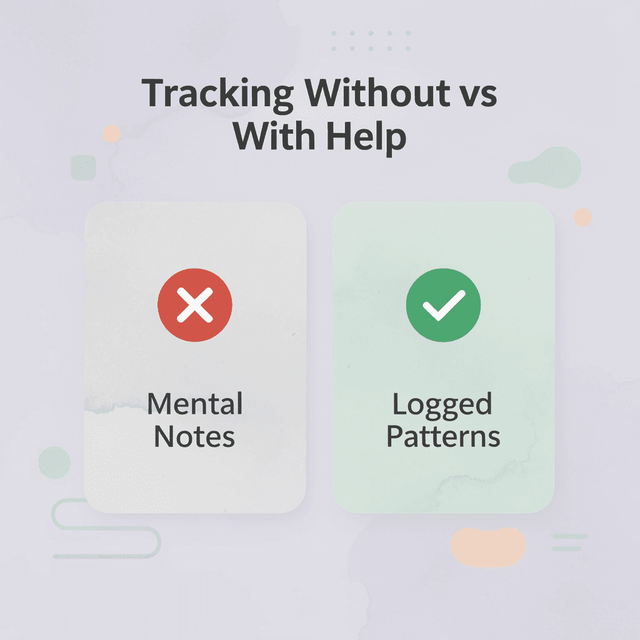
MeAgain bridges this gap. Our app lets you log side effects with severity ratings, connect them to dose timing, and watch patterns surface on a shared timeline. This clarity transforms vague concerns about urination frequency into specific, productive conversations with your provider. If staying hydrated, eating enough protein, or building consistent routines has been the hardest part of taking Zepbound, download MeAgain today.
Challenge | How MeAgain Helps |
|---|---|
Tracking hydration | Daily logging with visual progress |
Monitoring protein intake | Meal and nutrition check-ins |
Side effect timing | Severity ratings tied to dose schedule |
Dose change patterns | Shared timeline for provider review |
Building consistent routines | Personalized habit plan on setup |