
The first week after starting Zepbound can feel uncertain, especially as the body begins to respond in unexpected ways. Nausea, appetite shifts, mild fatigue, and changes in how food tastes are all common during the early adjustment period. Knowing what to expect after the first dose of Zepbound helps people manage side effects calmly, set realistic expectations about early weight loss, and stay consistent with their plan.
Having the right tools alongside that knowledge makes the process considerably smoother. MeAgain's GLP-1 app is built specifically for people using medications like Zepbound, helping users track symptoms, monitor their body's response after each dose, and stay on top of their progress without the guesswork.
Table of Contents
- What Happens After Your First Zepbound Dose?
- Which Side Effects Are Normal and Which Ones Aren't?
- How to Set Yourself Up for Success During Your First Week
- Make Your First Weeks on Zepbound Easier
Summary
- Zepbound's active ingredient, tirzepatide, works by activating two hormone receptors (GLP-1 and GIP) that the body already uses to regulate hunger, digestion, and insulin release. This means the medication amplifies existing biological signals rather than overriding them, which explains why the first dose feels subtle for most people. Some users notice appetite changes within eight hours, while others feel nothing until day two, and both responses are considered normal.
- The starting dose of 2.5 mg is a tolerability dose, not a therapeutic one. Clinical trial data from the SURMOUNT trials showed that most patients did not see meaningful weight reduction until weeks eight through twelve, after dose escalation had begun. Expecting significant weight loss in the first four weeks sets up frustration that has nothing to do with whether the medication is right for the individual.
- Gastrointestinal side effects in the first few days are a direct result of the medication's mechanism of action, not a sign of a bad reaction. FDA prescribing data places nausea at 25% incidence, diarrhoea at 19%, and constipation at 17% among Zepbound users. These symptoms reflect slower gastric emptying, the same process that reduces hunger, and most improve significantly between weeks four and eight as the body adjusts.
- A small percentage of users experience serious symptoms that require immediate medical attention rather than home management. Pancreatitis warning signs (severe upper abdominal pain radiating to the back) affect approximately 0.2% of users, while gallbladder-related symptoms appear in about 1.1% of patients. Recognizing the difference between common adjustment symptoms and these rarer, serious ones is one of the most important things a new Zepbound user can know.
- Lifestyle habits directly amplify the medication's effectiveness rather than simply complementing it. Clinical evidence shows that tirzepatide yields measurably better weight-loss outcomes when paired with regular physical activity and structured nutrition, compared with those relying on medication alone. Hydration is particularly underrated, as many of the headaches and fatigue reported in the first days are tied to dehydration rather than the drug itself.
- Tracking symptoms, appetite shifts, hydration, and food intake alongside dose timing yields the data clinicians need to make informed dosing decisions. Eli Lilly's prescribing guidance specifies that the titration schedule escalates approximately every four weeks, and providers need concrete information from early weeks to determine whether to proceed, pause, or adjust. A vague sense of "I think it's working" is not the same as a documented pattern.
- MeAgain's GLP-1 app addresses this directly by consolidating dose timing, nutrition, hydration, side effects, and progress tracking in one place, so the patterns driving a user's experience each week become visible rather than guesswork.
What Happens After Your First Zepbound Dose?
Many people expect dramatic weight loss or significant appetite changes within hours of their first Zepbound injection. The reality is far more gradual, and understanding why helps prevent quitting too early.
"The effects of tirzepatide build progressively over time — most patients don't experience the full impact of appetite suppression until several weeks into treatment." — Clinical Prescribing Guidance

Zepbound (tirzepatide) activates two hormone receptors — GIP and GLP-1 — that control hunger, digestion, and insulin release. It's not a stimulant — there's no sudden appetite switch. Instead, effects build over time as the medication works with your body.
Receptor | Primary Role | Effect on Weight |
|---|---|---|
GIP | Controls fat storage & insulin | Reduces fat accumulation |
GLP-1 | Regulates hunger & digestion | Suppresses appetite |
Combined (tirzepatide) | Dual-action hormonal response | Enhanced weight loss outcomes |
What happens in the first two days after your injection?
After your first injection, tirzepatide binds to GIP and GLP-1 receptors within hours. Some people notice reduced appetite as early as eight hours after injection. By days one to two, the medication reaches peak concentration, producing noticeable effects: earlier fullness, reduced cravings, and slowed gastric emptying. Your stomach empties more slowly, so smaller meals feel more filling. Blood sugar regulation stabilizes as insulin release improves.
Why do some people feel hungrier toward the end of the week?
Days three through five bring a slight natural drop in drug concentration, though the medication remains fully active. By days five through seven, Zepbound's five-day half-life means roughly half the dose lingers in your body, which is why some people feel slightly hungrier toward the end of the week. This is how the drug works as intended—the reason for the weekly injection schedule.
What Zepbound Is Actually Doing in Your Body
Zepbound's active ingredient, tirzepatide, activates two hormone receptors—GIP and GLP-1—that control hunger, digestion, and blood sugar. It works with your body's existing hormone systems to slow gastric emptying, reduce hunger signals between meals, and improve insulin utilization, rather than forcibly suppressing appetite. According to Fella Health, Zepbound reaches peak blood concentration 24 to 72 hours after injection, with the strongest effects typically arriving on day one or two.
What the first seven days actually look like
On injection day, tirzepatide binds to GIP and GLP-1 receptors immediately, though most people feel little effect in the first eight hours. By day one, you may notice feeling full more quickly or experiencing a reduced appetite between meals. Days two through five bring the most noticeable appetite suppression and slowed digestion, with blood sugar regulation stabilizing. By days five through seven, Zepbound's concentration declines due to its approximately five-day half-life. Some people notice increased hunger in this final stretch before their next injection, a normal pharmacokinetic effect rather than a sign of medication failure.
Why does the starting dose feel like nothing is happening?
The starting dose of 2.5 mg allows your body to adjust to the medication rather than produce results. The FDA prescribing information confirms this phase exists for adjustment purposes. The dose increases in 2.5 mg increments every four weeks, moving toward maintenance doses of 5 mg, 10 mg, or 15 mg. After approximately four weeks of consistent weekly injections, your body reaches a steady state in which the medication's effects stabilize, without the fluctuations of the early weeks. New users often interpret early changes in hunger and energy as the medication not working, when the body is still adjusting to it.
How do you connect symptoms to timing when data lives everywhere?
Most people track early treatment in separate places: a notes app for symptoms, a food diary for meals, a calendar reminder for injection day. That approach breaks down when you need to see connections between data points. Our MeAgain GLP-1 app brings together dose timing, side effects, food, hydration, and weight in one place, so when you feel nauseous on day two or hungrier on day six, you can see exactly what preceded it rather than guessing.
When does the weight actually start moving?
The weight loss timeline is where expectations most often clash with reality. During weeks 1 through 4 at 2.5 mg, most patients lose approximately 1-3% of their baseline body weight. Meaningful weight loss typically accelerates at the 5 mg maintenance dose and beyond. Doctronic notes that most people don't see meaningful weight loss until four to six weeks into treatment. The SURMOUNT clinical trials, which enrolled over 5,000 participants, showed that weight reduction became apparent after 8 to 12 weeks, with progressive loss continuing throughout the 72-week study period.
What is your body actually doing in those early weeks?
The early weeks are when your body learns a new relationship with hunger: quieter cravings, earlier satiety, and less interest in foods that once felt irresistible. This shift forms the foundation for everything else.
Why do the first four weeks feel slow on purpose?
The starting dose of 2.5 mg is a tolerability dose, not a therapeutic one. The FDA-approved prescribing information makes this clear: the body needs time to adjust before increasing the dose. Meaningful appetite suppression typically starts within the first one to two weeks, and according to Medical News Today, steady weight loss typically begins within four weeks of starting Zepbound treatment.
Why does the dose escalation schedule matter?
The dose escalation schedule, moving up in 2.5 mg increments no sooner than every four weeks, allows the drug to reach its full potential without overwhelming your system.
Why does logging from day one make a difference?
Most people track their first few weeks in their head or a notes app, but this fails when you cannot remember whether last Tuesday's nausea came before or after eating, or whether it matched your injection timing. A GLP-1 app like MeAgain brings together dose timing, side effects, meals, and weight into a single timeline, revealing patterns that would otherwise stay hidden. Logging from day one, not week four, is what makes that data useful.
What the long-term data actually shows
The SURMOUNT clinical trials enrolled over 5,000 participants and tracked outcomes across 72 weeks. Meaningful weight reduction became evident between weeks 8 and 12, with progressive loss continuing throughout the study. At the maximum maintenance dose of 15 mg, Medical News Today reports that tirzepatide helped participants lose up to 20.9% of their body weight over 72 weeks. Approximately 50% of trial participants achieved 20% or greater weight loss, while about 90% crossed the 5% threshold considered clinically meaningful for metabolic health improvements. A person starting at 220 pounds could realistically expect to lose 44 to 48 pounds over 18 months at the highest dose, though individual results depend on adherence to treatment, diet, activity level, and the maintenance dose reached. Knowing what to expect when your body reacts in unexpected ways helps you stay on track.
Related Reading
- Zepbound Long Term Side Effects
- Does Zepbound Make You Sleepy
- Zepbound Not Working
- Zepbound Long-Term Side Effects
Which Side Effects Are Normal and Which Ones Aren't?
Many people believe that feeling sick means Zepbound isn't working, or that having no side effects means it's doing nothing. Both assumptions are incorrect. How your body responds to tirzepatide varies by person, and symptoms reveal little about whether the drug is actually working.

Why Your Gut Reacts First
The stomach and digestive symptoms that appear in the first few days after your first dose are due to how tirzepatide works. The drug activates GLP-1 and GIP receptors in your digestive system, slowing gastric emptying so food remains in your stomach longer—the same mechanism that reduces hunger. This slowing causes nausea, constipation, and stomach discomfort. You are experiencing the medication working as intended, with no adverse reactions. According to NPR's Shots Health News, researchers studying 30 different medications found that side effects vary significantly from drug to drug and person to person, explaining why one Zepbound user feels fine while another experiences three days of nausea at the same dose.
What side effects are considered common and expected?
Clinical trial data from FDA prescribing information shows nausea at 25% incidence, diarrhea at 19%, and constipation at 17%. Injection-site reactions such as mild redness, bruising, or itching occur in approximately 6% of patients and typically resolve within days. Fatigue affects 5 to 7% of users, often linked to reduced caloric intake rather than the drug itself. Most patients improve significantly between weeks four and eight as the body adjusts.
Which symptoms signal something more serious?
Serious symptoms warrant immediate attention. Severe upper abdominal pain radiating to the back, particularly with vomiting, signals pancreatitis, which affects about 0.2% of users. Yellowing of the skin or eyes, fever, or chalky-colored stools point to gallbladder involvement, which is seen in about 1.1% of patients. Reduced urination combined with swelling in the feet or legs can signal dehydration-related kidney stress. Contact your provider immediately, or seek emergency care if needed.
What dietary and lifestyle adjustments actually reduce early side effects?
Three adjustments make a measurable difference: eating smaller meals spaced throughout the day, avoiding high-fat and spicy foods during the first few weeks, and staying consistently hydrated. Dehydration worsens early side effects (headaches, fatigue, dizziness) and increases the risk of kidney stress if vomiting or diarrhea is significant. These directly address the slower gastric emptying associated with tirzepatide.
How does tracking symptoms turn uncertainty into useful information?
Most people don't track which symptoms correlate with what. Our GLP-1 app connects dose timing, food intake, hydration, and symptom logs in one place, making patterns easy to identify. When you see that nausea peaked on day two after a heavier meal and improved by day five, you gain actionable information instead of anxiety-inducing uncertainty.
Does the body eventually adapt to tirzepatide side effects?
The body adapts. Clinical data show that 90% of long-term Zepbound users report manageable side effects, and the starting dose of 2.5 mg helps keep early symptoms milder as your body adjusts. What feels disruptive in week one often becomes background noise by week six. But knowing what to expect is only half the equation.
How to Set Yourself Up for Success During Your First Week
The first dose is not the test. The weeks that follow are where treatment actually begins, and how you spend them shapes everything that comes after.
"The first dose is not the test. The weeks that follow are where treatment actually begins, and how you spend them shapes everything that comes after."
Phase | What It Means for You | Why It Matters |
|---|---|---|
First Dose | Starting point only | Not a measure of final outcome |
First Week | Treatment takes hold | Habits formed here last |
Weeks Following | Active progress window | Shapes everything that comes after |

When does the medication actually start working?
You start to feel less hungry within the first few days after taking your first 2.5 mg dose, but you won't see weight loss until you've been taking the medication consistently for four to six weeks. The biggest results happen between eight and twelve weeks. This gap isn't a problem; it means the medication is building a steady, growing effect rather than working overnight. Expecting the scale to move in week one is the fastest way to get discouraged unnecessarily.
How do hydration and nutrition support early treatment?
Staying hydrated is important when you first start taking tirzepatide. Many headaches and tiredness users experience in the first few days stem from insufficient water intake, not the medication itself, and are preventable. Drink water steadily throughout the day and consider adding sugar-free electrolytes to improve absorption. Lowering appetite is how the medication works, not a side effect to resist. Focus on eating nutritious foods rather than large quantities: lean protein, high-fiber foods, and smaller meals spread throughout the day. Avoid fatty, spicy, or heavy foods while your digestive system adjusts to the medication.
Why does physical activity matter more than most new users realize?
Physical activity matters more than most new users realize. You don't need an intense exercise program in week one; movement that is sustainable and consistent, even a daily walk, counts. Clinical evidence on GLP-1 and GIP therapy is clear: lifestyle changes amplify the medication. Weight loss with tirzepatide is measurably greater in patients who pair it with regular physical activity and structured nutrition than in those relying on medication alone.
What signals should you actually be tracking in the early weeks?
Most people track only their weight, missing what is happening. The early weeks of Zepbound produce overlooked signals: how quickly you feel full, energy shifts by mid-afternoon, and reduced cravings. When tracked alongside dose timing, hydration, and food intake, a pattern emerges. A GLP-1 app like MeAgain consolidates this data in one place, replacing scattered notes with a clear picture of what drives your experience week to week. This clarity is the most useful information you can bring to your next appointment with your clinician.
Before your next dose or appointment
Write down your symptoms, questions, and anything that felt off or surprisingly good. Doctors make better dosing decisions with specifics, not summaries. According to Eli Lilly's prescribing guidance for Zepbound, the titration schedule escalates every four weeks, and your provider needs real data from your early weeks to determine whether to proceed, pause, or adjust. Regular follow-up, in person or via telehealth, personalizes your treatment. Consistency is the only variable fully in your control right now, and it's the most important one.
Make Your First Weeks on Zepbound Easier
Consistency is the foundation. The habits you build now around protein, fiber, hydration, and movement will shape how your body responds at each dose increase and how well your provider can adjust your treatment.
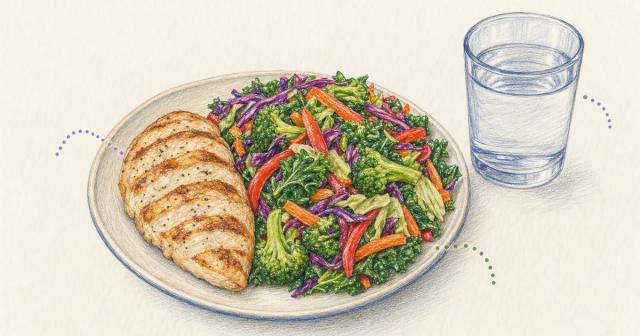
Most people track these loosely—a rough mental count of water glasses, an approximate sense of protein intake. That works until it doesn't, and the gap usually shows up as avoidable side effects or a stalled conversation with your provider. Our GLP-1 app brings together dose timing, nutrition, hydration, side effects, and progress into one place, so the patterns driving your experience each week become visible rather than guesswork. In three minutes, you can set up a personalized plan, start tracking the four habits that matter most on Zepbound, and begin a Journey Card that documents your progress from day one.
What to Track | Why It Matters |
|---|---|
Dose timing | Ensures consistent medication windows and reduces side effect risk |
Protein & fiber intake | Supports satiety and minimizes GI discomfort |
Hydration | One of the most overlooked drivers of early side effects |
Side effects & symptoms | Give your provider the data to fine-tune your treatment |
"The patterns driving your experience each week become visible rather than guesswork—and that visibility is what separates a smooth titration from an avoidable setback." — Me Again App
Your first weeks on Zepbound are not a waiting period—they are the data that shapes everything that follows. Track them as they matter.