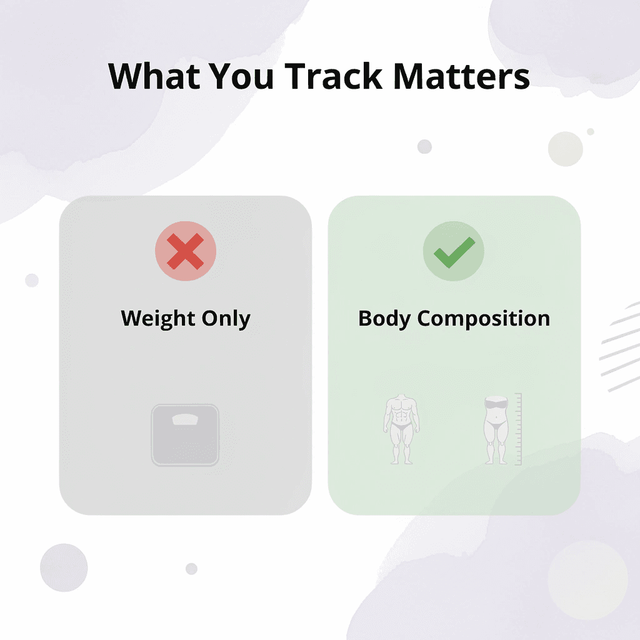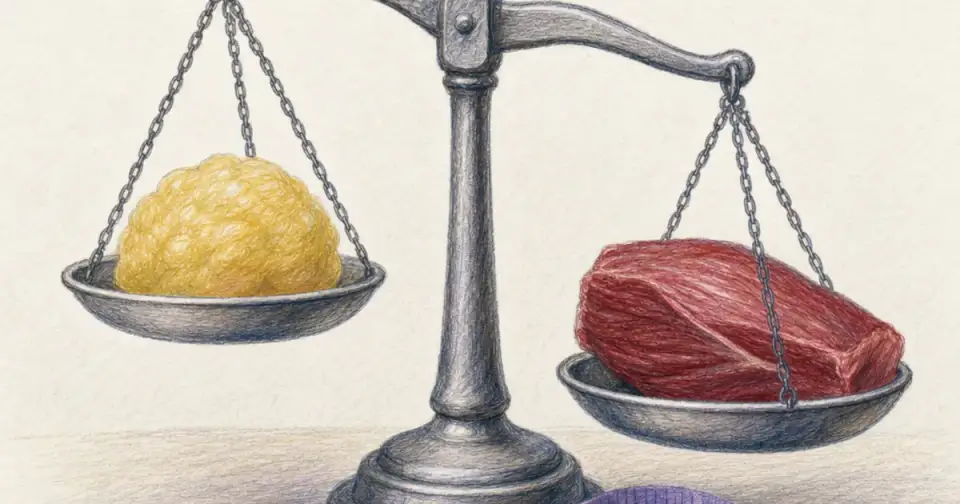

Losing weight and losing fat are not the same thing, and for people starting Zepbound, that distinction matters. The medication works through more than simple calorie reduction, and understanding how it affects fat metabolism, lean muscle, and overall body composition helps set realistic expectations for treatment.
Knowing what Zepbound does at a biological level is only part of the picture. Taking deliberate steps to protect muscle mass and track meaningful progress is what drives lasting results, and the GLP-1 app from MeAgain gives users the practical tools to do exactly that.
Table of Contents
- Does Zepbound Actually Burn Fat, or Does It Work Another Way?
- How Much of Your Weight Loss on Zepbound Comes From Fat?
- How to Maximize Fat Loss and Protect Muscle While Taking Zepbound
- Don't Just Lose Weight on Zepbound. Track What You're Losing.
Summary
- Zepbound does not directly burn fat through a separate metabolic pathway. It works by mimicking two incretin hormones, GLP-1 and GIP, which reduce appetite and slow gastric emptying. The resulting caloric deficit is what triggers lipolysis, the process by which the body breaks down stored triglycerides for fuel.
- Clinical trial results confirm the scale of fat loss possible with tirzepatide. The SURMOUNT-1 trial found that participants on the 15 mg weekly dose lost an average of 20.9% of their body weight over 72 weeks, compared to 3.1% in the placebo group. Those results were driven primarily by sustained reductions in food intake, not by any direct fat-burning mechanism.
- Not all weight lost on Zepbound is fat. Body composition analyses from SURMOUNT-1 using DEXA scanning indicate that roughly 70 to 80% of total weight lost comes from fat mass, with the remaining 20 to 30% coming from lean tissue. That ratio is more favorable than aggressive caloric restriction alone, but it shifts in the wrong direction when protein intake is low and resistance training is absent.
- Stopping Zepbound without lifestyle support leads to significant weight regain. SURMOUNT-4, published in JAMA, found that participants regained approximately two-thirds of the weight they had lost within one year of discontinuation. Fat cells shrink during treatment but do not disappear, which means the conditions for regain remain present once the medication stops.
- Protein intake is one of the most consequential variables during GLP-1 treatment, and also one of the easiest to neglect. A 2020 systematic review in the Journal of the Academy of Nutrition and Dietetics found that higher protein intake during caloric restriction was consistently associated with greater lean mass preservation. A practical starting range for most adults in a weight-loss phase is 1.2 to 1.6 grams of protein per kilogram of body weight daily.
- Resistance training provides the mechanical signal that gives the body a reason to maintain muscle during a caloric deficit. A 2012 meta-analysis in Obesity Reviews confirmed that combining resistance training with caloric restriction produced significantly better lean mass preservation than caloric restriction alone. Two to three sessions per week of compound movements is enough to provide that stimulus for most people.
- MeAgain's GLP-1 app addresses this tracking gap by bringing dose timing, protein intake, weight trends, and side effects into one place so users can see how their habits connect to their body composition results over time.
Does Zepbound Actually Burn Fat, or Does It Work Another Way?
You've been taking Zepbound for a few weeks. Your appetite is lower, the scale is moving, and you're wondering: is Zepbound actually burning body fat, or are you just eating fewer calories? Many people think tirzepatide works like a thermogenic supplement, directly burning fat stores. That's not quite how it works, and understanding the difference matters.
"Many people assume tirzepatide works like a thermogenic supplement — but the real mechanism behind Zepbound's fat loss is far more nuanced than simply burning stored fat directly." — Metabolic Research Overview
Mechanism | How It Works | Zepbound's Role |
|---|---|---|
Thermogenic fat burning | Directly stimulates fat cells to burn energy | Not how Zepbound works |
Appetite suppression | Reduces hunger signals to lower calorie intake | ✅ Primary mechanism |
Caloric deficit | Body burns stored fat due to reduced intake | ✅ The real driver of fat loss |
How does Zepbound create the conditions for fat loss?
Zepbound works by mimicking two hormones your body already produces: GLP-1 and GIP. GLP-1 slows gastric emptying and signals your brain to feel less hungry. GIP improves your body's insulin response and may affect fat metabolism, though scientists are still studying the full mechanism.
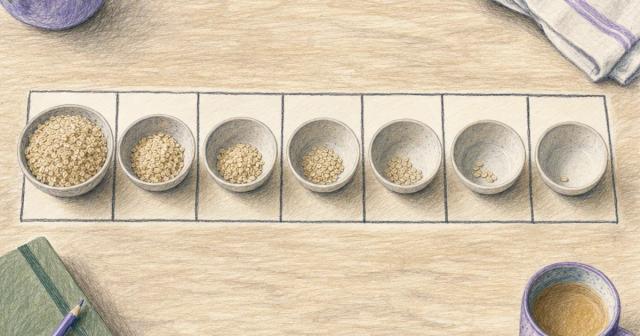
Together, these actions help you eat less over time, which makes the difference. Zepbound doesn't speed up your metabolism or directly melt fat tissue. When you consistently use more energy than you take in, your body uses stored fat through a process called lipolysis, where fat molecules break down into fatty acids and glycerol and get burned for energy.
What the clinical evidence actually shows
The SURMOUNT-1 trial, published in the New England Journal of Medicine, demonstrates tirzepatide's effects in real-world settings. Adults with obesity or overweight who received the 15 mg weekly dose lost an average of 20.9% of their body weight over 72 weeks, compared to 19.5% for the 10 mg group and 3.1% for placebo. These represent some of the largest weight reductions ever recorded with an approved obesity medication. The weight loss occurred primarily through reduced food intake rather than increased fat burning.
How does tirzepatide actually cause fat loss?
Feature | Details |
|---|---|
Mechanism of fat loss | Reduces appetite via GLP-1 and GIP receptor agonism, creating a caloric deficit that triggers the breakdown of stored triglycerides in fat tissue |
Does it directly "burn" fat? | No; it does not increase metabolic rate. Fat is mobilized indirectly when the body uses fat stores to meet energy needs during sustained caloric deficit |
Proportion of weight lost as fat | Approximately 70-80% of total weight lost is fat mass; 20-30% is lean tissue, more favorable than severe caloric restriction alone |
Clinical weight loss (SURMOUNT-1, 72 weeks) | 15 mg dose: avg 20.9% body weight lost; 10 mg dose: avg 19.5%; placebo: 3.1% |
Types of fat reduced | Total body fat, visceral adipose tissue, and liver fat confirmed by DEXA and MRI substudies (SURPASS-3 trial) |
Weight regain after stopping | SURMOUNT-4 (JAMA): participants regained approximately two-thirds of lost weight within one year of discontinuation |
Key safety warnings | Boxed warning: thyroid C-cell tumors. Risks include pancreatitis, gallbladder disease, acute kidney injury; not for use in pregnancy or patients under 18 |
Weight loss, fat loss, and lean mass three different things
A scale measures total weight: fat, muscle, water, and bone combined. When people lose weight on Zepbound, roughly 70-80% comes from fat mass, with 20-30% from lean tissue. Body composition analyses from clinical studies show this ratio is favorable compared to aggressive caloric restriction alone, though lean mass loss remains worth monitoring. DEXA scan data and MRI substudies from the SURPASS-3 trial confirmed meaningful reductions in visceral adipose tissue and liver fat, which directly link to insulin resistance, cardiovascular risk, and metabolic dysfunction.
Why does tracking these signals together matter?
Most people track their Zepbound journey in scattered ways: weight in one place, protein in another, side effects in memory. This fragmented approach obscures patterns that predict whether you're losing fat or muscle. Our GLP-1 app connects these signals, tracking dose timing, protein intake, weight trends, and side effects together so you see what drives your results.
Common myths that distort expectations
Fat cells shrink rather than disappear during Zepbound treatment as their triglyceride content depletes. This explains why weight regain is common after stopping the medication: SURMOUNT-4, published in JAMA, found that participants regained approximately two-thirds of the weight they had lost within one year of discontinuation. Eating too little during treatment does not speed up fat loss; it triggers muscle breakdown and slows metabolism. Resistance training and adequate protein intake are the two most evidence-supported strategies for protecting lean mass while tirzepatide works. The more useful question is whether the weight you are losing is predominantly fat and what you can do to protect your lean mass while the medication works.
Related Reading
- Zepbound Long Term Side Effects
- Does Zepbound Make You Sleepy
- Zepbound Not Working
- Do You Have To Take Zepbound Forever
- Why Am I Still Hungry On Zepbound
- How Many Calories Should I Eat On Zepbound
- What to Expect After First Dose of Zepbound
- Does Zepbound Give You Energy
- Does Zepbound Cause Hair Loss
How Much of Your Weight Loss on Zepbound Comes From Fat?
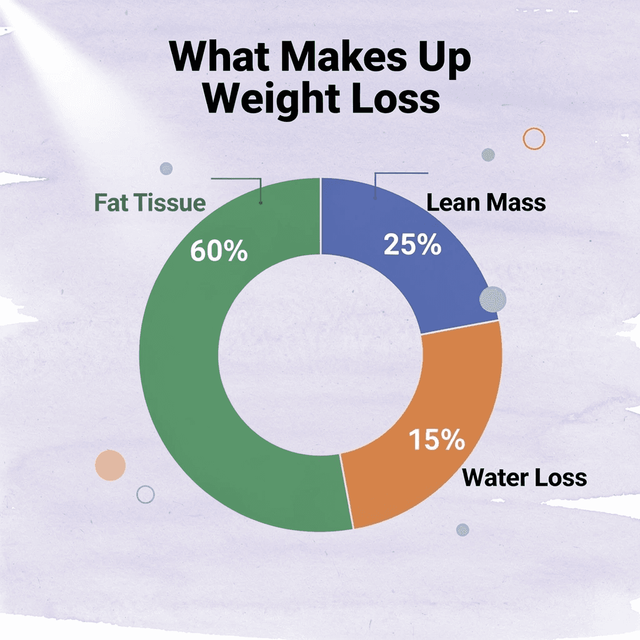
When the scale drops 20 pounds, your body has lost a mixture of fat tissue, lean mass (primarily muscle), and water tied to glycogen stores. The amounts matter much more than the total number, and they change depending on what you do while the medication works.
"The composition of weight lost — not just the total pounds — determines whether you're building a leaner, healthier body or simply becoming a smaller version of the same metabolic profile." — Obesity Medicine Research
Tissue Type | Role in Weight Loss | Why It Matters |
|---|---|---|
Fat Tissue | Primary target of loss | Improves metabolic health and reduces disease risk |
Lean Mass (Muscle) | Lost if protein/exercise is insufficient | Preserves strength and metabolic rate |
Water (Glycogen-bound) | Lost rapidly in early stages | Accounts for much of initial scale drop |
What does the clinical data say about fat versus lean mass loss?
The most detailed body-composition data on tirzepatide comes from SURMOUNT-1 follow-up analyses using DEXA scanning, which showed that 70-80% of total weight lost came from fat mass, with the remaining 20-30% from lean tissue. A patient losing 20 pounds on Zepbound has likely lost 4 to 6 pounds of lean mass and 14 to 16 pounds of fat. The scale shows none of that distinction.
The 20-30% lean mass figure is an average from trial participants, many of whom lacked structured resistance training or optimized protein targets. Clinical data on calorie-restricted weight loss show that rapid weight loss, inadequate protein intake, and low physical activity all increase that lean mass percentage. For someone consuming insufficient protein and skipping the gym, the ratio can shift meaningfully in the wrong direction.
Why can the scale tell a misleading success story?
Someone loses 35 pounds over six months on Zepbound, feels transformed, and their doctor is pleased. But they've been eating around 1,200 calories a day of mostly low-protein convenience foods with no strength training. The scale tells a success story. Their body composition may tell a quieter, more complicated one. Lean mass loss at that scale reduces resting metabolic rate, compromises functional strength, and sets up a harder recovery if weight is regained. Most people tracking their Zepbound journey rely on phone notes or memory. Connecting protein intake, dose timing, and weight trends across weeks requires more than recall. Our GLP-1 app surfaces these patterns together, showing whether protein targets align with weight trends.
What actually determines how much of your loss comes from fat?
Many people assume Zepbound will automatically deliver their desired weight loss simply because the scale is dropping. The medication does create a calorie deficit. But what happens within that deficit—specifically how much weight comes from fat versus muscle—depends on protein intake, resistance training, and loss speed. Early in treatment, fast scale movement includes glycogen depletion and fluid shifts, which can make fat loss appear faster than it is and confuse patients about their actual body fat loss.
Related Reading
- How Long Do Zepbound Side Effects Last
- Where to Inject Zepbound for Best Results
- Does Zepbound Make You Pee More
- How Long Does It Take For Zepbound To Work
- How Long Does It Take For Zepbound To Suppress Appetite
- Zepbound Nausea Relief
- Zepbound Injection Site Reaction
- Zepbound Constipation Relief
- Zepbound Muscle Loss
How to Maximize Fat Loss and Protect Muscle While Taking Zepbound
Protein intake, resistance training, a sensible rate of loss, and smarter progress tracking are the four critical inputs that determine whether your Zepbound journey produces the body composition you actually want — not just a smaller number on the scale.
"The difference between losing weight and losing fat comes down to four non-negotiable pillars: protein, resistance training, rate of loss, and progress tracking." — Key Principle
Pillar | Why It Matters | Primary Goal |
|---|---|---|
Protein Intake | Preserves lean muscle during a calorie deficit | Prevent muscle breakdown |
Resistance Training | Signals the body to retain and build muscle | Maintain strength & tone |
Sensible Rate of Loss | Reduces muscle loss risk from aggressive cuts | Sustainable fat-only loss |
Smarter Progress Tracking | Reveals true body composition changes | Measure what actually matters |

Protein the lever most people accidentally ignore
Reduced appetite suppresses hunger in all situations, causing you to eat less overall while drifting into chronically low protein intake without noticing. Muscle protein synthesis requires continuous amino acids; a deficit doesn't pause that requirement. A 2020 systematic review in the Journal of the Academy of Nutrition and Dietetics found that higher protein intake during caloric restriction consistently preserved more lean mass than lower protein intakes at the same calorie level. A practical starting point for most adults in a weight-loss phase is 1.2 to 1.6 grams of protein per kilogram of body weight daily, though a clinician or registered dietitian should calibrate this to your specific situation.
Why does resistance training signal muscle to stay?
Losing weight without resistance training gives your body no reason to keep muscle. When you eat fewer calories, your body perceives food scarcity. Resistance training signals your body to preserve that muscle. A 2012 study in Obesity Reviews (Cava et al.) showed that combining resistance training with calorie restriction preserved lean muscle far better than calorie restriction alone. Two to three weekly sessions of compound movements matched to your fitness level and health needs provide sufficient stimulus to maintain muscle strength.
How does tracking more than weight reveal what's stalling progress?
Most people on a GLP-1 journey track weekly weight alone. That works until a plateau arrives with no data to explain it. Our GLP-1 app logs protein alongside doses, side effects, and weight trends in one place, revealing connections between slow weeks and low protein or missed workouts. Scattered notes can't reveal these patterns; a single dashboard can.
Why faster isn't better on Zepbound
The Zepbound prescribing information (FDA label, tirzepatide, 2023) explains that dose increases occur every four weeks based on patient tolerance. Patients who accelerate this schedule or cut calories beyond what the medication naturally causes may lose weight faster, but at the cost of nutrition. A larger calorie deficit impairs adequate protein intake, increases muscle loss, and undermines long-term weight maintenance. SURMOUNT-1 trial data demonstrated meaningful weight loss over a 72-week period. Following the titration schedule is the evidence-supported approach.
What does the scale actually measure?
The scale measures total mass: fat, muscle, water, glycogen, and digestive contents. It cannot tell you whether lost weight came from fat tissue or dehydration. Tracking weight trends alongside protein intake, training performance, waist circumference, and body composition assessments reveals what's happening. Strength gains while weight stays flat represent a success the scale will never show.
How do your habits shape what Zepbound actually does?
Zepbound reduces appetite and food intake. Your nutrition and training habits determine what happens within that loss. If the medication handles appetite, your job is supporting body composition through adequate protein, muscle-preserving stimulus, a sensible loss rate, and progress markers beyond the scale. Knowing what to track and seeing it clearly in real time proves harder than most expect.
Don't Just Lose Weight on Zepbound. Track What You're Losing.
Protein intake, resistance training, hydration, and consistent movement determine whether Zepbound-driven weight loss comes mostly from fat or lean tissue. Managing all four while tracking dosing and monitoring weekly progress is where most people lose focus.
"Weight alone reveals nothing about body composition — the actual shift you're targeting on Zepbound." — MeAgain
Factor | Why It Matters on Zepbound |
|---|---|
Protein Intake | Preserves lean muscle during caloric deficit |
Resistance Training | Signals the body to retain muscle tissue |
Hydration | Supports metabolism and appetite regulation |
Consistent Movement | Maximizes fat loss over muscle loss |

Weight alone reveals nothing about body composition—the actual shift you're targeting. A GLP-1 app like MeAgain consolidates protein goals, water intake, exercise tracking, and dose logging in one place, eliminating mental juggling. When everything lives together, patterns become visible, letting you make smarter adjustments before small gaps compound.
Download MeAgain and set up your personalized goals in under 5 minutes. Start tracking the habits that support your Zepbound strategy — so you're actively working toward better-quality weight loss, not just watching the scale.