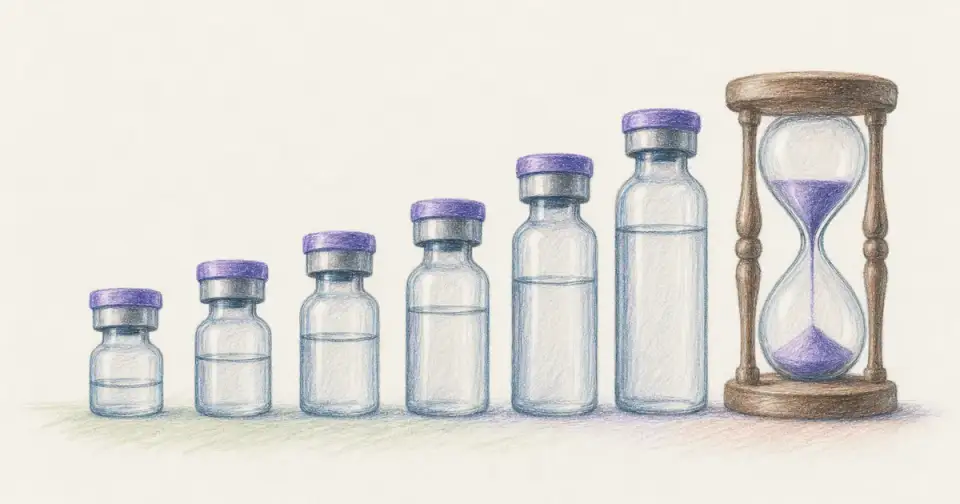

A stalled scale while taking Zepbound is more common than most people expect. Factors like dosage timing, dietary habits, and individual metabolic response can all slow progress, and identifying the right one makes a meaningful difference. Understanding why Zepbound may not be working as expected is the first step toward adjusting the approach safely and effectively.
Practical, day-to-day support plays a significant role in getting results from GLP-1 medications. Knowing which foods, habits, and activity levels work alongside tirzepatide can be the difference between a plateau and steady progress. For structured guidance tailored to medications like Zepbound, the GLP-1 app from MeAgain keeps every decision aligned with your weight-loss goals.
Table of Contents
- Why Zepbound May Seem Like It's Not Working (Even When It Is)
- The Most Common Reasons Zepbound Isn't Producing the Results You Expect
- What to Do If Zepbound Really Isn't Working
- Turn Your Zepbound Plan Into Daily Habits That Stick
Summary
- Zepbound follows a gradual titration schedule that delays the onset of visible results for many users. Most people start at 2.5 mg, a dose designed for adjustment rather than maximum effect, and it can take up to 12 weeks at a therapeutic dose before significant weight loss becomes measurable. Expecting dramatic results during the early escalation phase misreads how the medication is designed to work.
- Clinical trial data from SURMOUNT-1 show the scale of what tirzepatide can do at higher doses over time. Participants lost an average of 48 pounds (roughly 21% of body weight) over 72 weeks at the highest doses, while those at lower doses averaged around 15% body weight loss. These outcomes accumulated gradually as doses increased, not in the first weeks of treatment.
- A true plateau on Zepbound is defined as four to eight weeks without measurable progress despite consistent dosing. Most people who feel stuck are still within the first 12 weeks of titration or reacting to normal weight fluctuations of 1 to 3 pounds driven by fluid retention, sodium intake, or hormonal cycles. Short-term stalls rarely meet the clinical threshold for a genuine plateau.
- Tirzepatide reduces hunger drive but does not automatically correct what a person chooses to eat. Smaller portions of calorie-dense, low-protein foods can still prevent a meaningful deficit. Undereating protein during a calorie deficit also leads to muscle loss, which slows resting metabolic rate over time and makes the deficit progressively harder to maintain, even when the medication continues to work.
- Biological variables outside of behavior can independently cap results. Hypothyroidism, PCOS, insulin resistance, and certain medications, including corticosteroids and some antidepressants, can blunt the weight loss response through mechanisms tirzepatide does not directly address. Fella Health reports that roughly 10 to 15% of people are considered non-responders to GLP-1 medications even with full adherence, which points toward clinical reassessment rather than abandoning treatment.
- The Obesity Medicine Association uses a 16-week benchmark and a threshold of at least 5% body weight loss to evaluate meaningful clinical response. Providers assessing an inadequate response should confirm dose escalation has reached a therapeutic level, review protein intake, sleep quality, stress, and activity patterns, and rule out underlying conditions before concluding the medication is ineffective.
- MeAgain's GLP-1 app addresses the visibility gap that makes it difficult to connect dose timing, protein intake, sleep patterns, and weight trends into a clear picture of what is actually driving or stalling progress.
Why Zepbound May Seem Like It's Not Working (Even When It Is)
Many people expect Zepbound to produce noticeable weight loss within the first few weeks — an assumption fueled by social media's dramatic before-and-after posts and compressed timelines. What those stories rarely show is the dose-escalation phase, the quiet biological shifts happening before the scale moves, or that Zepbound is specifically designed to build up gradually so your body can tolerate it without unnecessary side effects.
"What social media shows is the destination — not the journey. The dose escalation phase, the biological recalibration, and the gradual tolerance-building are the real story behind Zepbound's results."
What Social Media Shows | What Actually Happens |
|---|---|
Dramatic results in weeks 1–2 | Dose escalation phase with gradual buildup |
Instant scale movement | Quiet biological shifts before visible changes |
Compressed timelines | A carefully designed tolerance-building process |
Before-and-after highlights | Weeks of behind-the-scenes recalibration |

Zepbound is not designed to produce dramatic scale movement in weeks two or three. It recalibrates your biology gradually on its own timeline, not the one social media suggests. This gap between expectation and reality is where most frustration originates, and understanding it is essential to staying the course.
What does "not losing weight" on Zepbound actually mean?
"Not losing weight" can mean many different things, and only one is a real problem. In the first few weeks, appetite suppression and reduced cravings often occur before visible weight change. Your hunger signals may diminish, you might eat smaller portions, and your relationship with food may shift—none of which appear on a scale. A single weigh-in tells you almost nothing about whether Zepbound is working.
What does a true plateau look like versus normal fluctuation?
Your weight can fluctuate by one to three pounds due to fluid retention, sodium intake, hormonal cycles, and digestion. A true plateau differs in that weight remains stable for four to eight weeks while doses and habits stay consistent. Tracking patterns over weeks rather than daily numbers reveals the real trend and prevents confusion from minor fluctuations.
How can connecting multiple signals clarify whether Zepbound is working?
Most people track weight without connecting it to when they take their dose, what they eat, how much protein they consume, and side effects. Our GLP-1 app brings these signals together in one place, so you can see the patterns that explain your progress instead of guessing whether Zepbound is working.
How does escalation shape your timeline?
According to Fella Health, it can take up to 12 weeks at a therapeutic dose to see significant weight-loss results. Most people start at 2.5 mg, a dose meant to be adjusted rather than maximized. Doses increase every four weeks, with greater weight loss at higher doses.
What does clinical trial data show about dose and results?
The SURMOUNT-1 clinical trial data clearly demonstrate this dose-response relationship. Medical News Today reports that people using tirzepatide lost an average of 48 pounds (21% of body weight) over 72 weeks at the highest doses, while participants at lower doses saw smaller results, averaging around 15% body weight loss. The medication's full effect builds gradually as doses increase and the body adjusts.
Is the dose doing what it needs to do?
The 2.5 mg starting dose is an adjustment dose designed to help your body acclimate to the medication. Meaningful fat loss in the SURMOUNT-1 clinical trials occurred at higher doses: participants lost roughly 15% of body weight at lower maintenance doses and up to 21% at 15 mg over 72 weeks. The titration schedule, typically increasing every four weeks, allows your body time to adjust before each new dose reaches full effect.
How can tracking your dose history reveal what's actually working?
Most people track their Zepbound journey across scattered places: a notes app, calendar reminders, mental logs. This makes it nearly impossible to spot patterns explaining weight changes. Our MeAgain GLP-1 app consolidates dose history, food intake, symptoms, and weight trends into a single timeline, so you can stop guessing and start seeing what's connected.
How much weight should you realistically expect?
How your body responds to Zepbound differs from person to person and varies more than most clinical summaries suggest. The SURMOUNT-1 averages are a reference point, not a guarantee. Sleep quality, protein intake, stress levels, metabolic history, and injection consistency all shape outcomes. Someone at 220 pounds who reaches the 15 mg dose and maintains lifestyle habits aligned with the trial protocol could reasonably expect to lose 33 to 46 pounds over 72 weeks, but that number sits at the end of a nonlinear path, not the beginning.
What counts as a true plateau versus normal variation?
A plateau requires four to eight weeks of stable weight, consistent dosing, and no major changes in nutrition or activity. Most people who feel stuck are in the first 12 weeks of titration or reacting to a two-week fluctuation rather than a sustained stall. Knowing which situation you're in changes how you respond.
Is the scale the only way to measure whether tirzepatide is working?
Body weight is only one way to measure how well tirzepatide is working. Waist circumference, energy levels, metabolic markers, and changes in appetite all indicate whether tirzepatide is working. Progress that doesn't show on the scale is still progress, and understanding this helps people continue taking a medication that quietly helps them. But knowing that Zepbound is working and knowing why your specific results look the way they do are two different things.
Related Reading
The Most Common Reasons Zepbound Isn't Producing the Results You Expect
Zepbound's weight loss results vary widely, and gaps between what people expect and what actually happens usually have reasons you can trace. The problem often isn't the drug itself, but connected factors that quietly limit how well you respond before the medication reaches its full strength.
"The issue is rarely the medication alone — it's the constellation of factors surrounding it that determine whether patients see real, measurable results." — Clinical Weight Management Insight
Common Factor | Why It Matters |
|---|---|
Dosage timing & adherence | Inconsistent use limits the drug's ability to reach full strength |
Diet quality | Poor food choices can offset the medication's appetite-suppressing effects |
Sleep & stress levels | Both directly impact metabolic response and weight loss outcomes |
Individual biology | Genetic factors influence how well you personally respond to Zepbound |
Your Dose May Still Be Building Toward Therapeutic Range
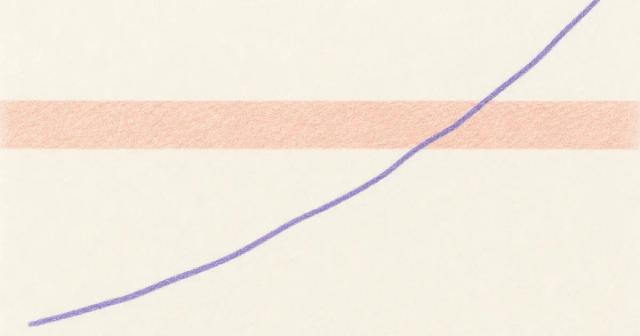
The 2.5 mg starting dose is a tolerance dose, not a treatment dose: it allows your body to adjust to tirzepatide before appetite suppression begins. The SURMOUNT-1 trial showed an average weight loss of only 5 to 8 percent at 12 weeks, with significant results observed at higher doses of 10 to 15 mg. If you're four to six weeks in without scale movement, you're likely still in the ramp-up phase. Discuss with your provider whether moving up your dose earlier makes sense, particularly if your appetite hasn't decreased.
The Dose-Response Chain Most People Underestimate
The titration schedule protects you from severe side effects, but it also means you may be weeks or months away from the dose at which meaningful appetite suppression and weight loss occur. At 2.5 mg, many people feel nothing. At 10-15 mg, things change significantly. According to Medical News Today, tirzepatide at its highest dose helped clinical trial participants lose up to 22.5% of their body weight over 72 weeks, though that outcome depends on the dose and duration of treatment. Judging the medication at week six on a starter dose is like evaluating a car's top speed in a parking lot. If your appetite hasn't decreased after a full month at your current dose, raise it with your prescriber. Dose escalation can sometimes be accelerated within the approved titration range.
When appetite suppression doesn't fix the calorie math
Tirzepatide reduces hunger and quiets neurological noise around food, but doesn't change what you choose to eat. A smaller portion of calorie-dense, processed food can still exceed your calorie burn. The medication changes how much you want to eat, not what your body does with what you eat. If meals are smaller but built around refined carbohydrates and low-protein options, the deficit you feel may not match the deficit that exists.
Why does protein intake matter so much during a deficit?
Protein makes this problem worse. Eating enough protein preserves lean muscle mass when you eat fewer calories. If you lose muscle along with fat, your body burns fewer calories at rest, making it harder to maintain a calorie deficit over time, even though the medication is still working. Many people taking Zepbound don't realize they're consuming insufficient total calories and inadequate protein, creating a situation in which their bodies work against their weight-loss goals.
How does tracking multiple variables reveal what stalled your results?
Most people track their starting weight and little else. Dose timing, protein intake, sleep quality, and symptom patterns interact in ways that remain invisible without a record of each. Our GLP-1 app brings these signals together in one place, so instead of guessing which variable changed when your results stalled, you have a clear picture of what was happening across all relevant factors simultaneously.
How do lifestyle factors create competing biological signals?
Not moving around enough, poor sleep, and ongoing stress create hormonal conditions that work against tirzepatide's function. High cortisol levels promote fat storage, while disrupted ghrelin and leptin signaling increases hunger drive even when the medication suppresses appetite through a separate pathway. These are competing biological signals, not excuses.
Which underlying conditions can limit tirzepatide's effectiveness?
Hypothyroidism, PCOS, and type 2 diabetes impair how your body processes food and energy in ways that tirzepatide doesn't directly address. Certain medications—corticosteroids, antipsychotics, and some antidepressants—can hinder weight loss or increase hunger independently. Individual biology varies significantly: Fella Health reports that roughly 10-15% of people don't respond to GLP-1 medications, even when taken as directed. If you're making slow progress despite following the plan, discuss this with your doctor. But knowing there's a next step and knowing exactly what that step should be for your specific situation are different things.
What to Do If Zepbound Really Isn't Working
Figuring out if Zepbound isn't working well for you follows a clear step-by-step process. Working through it carefully with your doctor is much better than guessing or waiting to see what happens.
"A structured, physician-guided review is the most effective way to determine whether your medication plan needs adjustment — never make changes alone." — Clinical Best Practice
Step | Action | Who Leads It |
|---|---|---|
1. Track Your Progress | Log weight, appetite, and side effects weekly | You |
2. Review the Data | Assess trends over 4–12 weeks | You + Doctor |
3. Evaluate Dosage | Determine if a dose adjustment is needed | Doctor |
4. Rule Out Other Factors | Check diet, activity, and adherence | Both |
5. Explore Alternatives | Discuss next steps if Zepbound isn't the right fit | Doctor |

Has the medication actually had a fair chance to work?
The first question your provider should ask is whether the conditions for the medication to work have been met. Dose matters significantly. FDA prescribing guidance for Zepbound recommends a starting dose of 2.5 mg for four weeks, with escalation up to 10 mg or 15 mg as tolerated, because therapeutic weight loss typically requires reaching a maintenance dose that meaningfully suppresses appetite and slows gastric emptying. If you have been at a lower dose for an extended period without escalation, that is the first variable to address. According to Ubie Health's clinical guidance, a true plateau is defined as four to eight weeks without measurable progress despite consistent dosing.
How does tracking the full picture change what you can see?
Many people managing their Zepbound journey rely on scattered notes, memory, and occasional weigh-ins to track progress. Without a clear record of dose timing, protein intake, side-effect patterns, and weight trends in one place, it's difficult to determine whether a plateau is real or whether a lifestyle variable is affecting the results. Our GLP-1 app consolidates these signals so that when you meet with your provider, you bring a complete picture rather than a rough impression.
What lifestyle factors should your provider evaluate
Once the dose and adherence are confirmed, the clinical review should shift to lifestyle factors that strengthen or weaken the medication's effect.
Which daily habits have the biggest impact on how well the medication works?
Eating enough protein preserves muscle mass during weight loss and increases satiety, which is critical when consuming smaller portions. Strength training at least three times weekly helps preserve muscle mass as weight decreases; the Obesity Medicine Association's clinical guidance identifies resistance exercise as essential to GLP-1 therapy. Sleep and stress are equally important: chronic stress elevates cortisol levels, promoting fat storage and disrupting hunger signals, while sleeping fewer than 6 hours nightly has been linked to dysfunction in appetite hormones and slower weight loss.
How does tracking clear data replace anxiety about whether the medication is working?
People who have struggled with weight for years often carry a history of obsessive calorie counting and guilt over perceived missteps. The goal is to replace scattered anxiety with clear, useful information. When you know your average protein intake, dosing timing, and sleep pattern, you work with evidence rather than feelings about whether the medication is working.
When to consider changing course
If a clinical review confirms you are taking the right dose, have good lifestyle habits, and are not seeing results after eight weeks, talk to your doctor about trying a different approach or reassessing your treatment plan. The Obesity Medicine Association recommends checking treatment efficacy at 16 weeks and looking for at least a 5% loss of body weight as a sign of success. Health issues like hypothyroidism, insulin resistance, or polycystic ovary syndrome can slow weight loss independently and should be evaluated before concluding the medication is ineffective.
How long does meaningful progress actually take?
Progress on Zepbound is rarely linear. Medical News Today reports that in clinical trials, adults with obesity lost up to 22.5% of body weight over 72 weeks. That timeline matters because obesity is a chronic condition. Patients who reach meaningful outcomes stay consistent, adjust thoughtfully, and treat the process as a long-term collaboration with their care team. But knowing the plan and living it day after day are two different challenges, and that gap is where most journeys stall.
Turn Your Zepbound Plan Into Daily Habits That Stick
Closing the gap between knowing what to do and actually doing it is where most Zepbound journeys break down. The medication handles its part weekly. The harder job is building daily habits—enough protein, steady hydration, regular movement—that give it the best environment to work.
"The medication handles its part weekly, but the harder job is building daily habits that give it the best environment to succeed." — MeAgain Health Insight

Most people track these things loosely across notes apps and memory, making it nearly impossible to spot patterns explaining stalled results. A GLP-1 app like MeAgain consolidates dose timing, protein intake, side effects, and weight trends into one place, so you can see what's actually happening instead of guessing. Visibility is often the missing piece.
Habit to Track | Why It Matters | Without Tracking |
|---|---|---|
Protein intake | Supports muscle retention during weight loss | Easy to undereat without realizing |
Hydration | Reduces side effects, supports metabolism | Hard to spot dehydration patterns |
Dose timing | Maximizes medication effectiveness | Missed or inconsistent doses go unnoticed |
Weight trends | Reveals progress beyond the scale | Single weigh-ins can mislead |