

Starting Zepbound often comes with an adjustment period that includes nausea, fatigue, and stomach discomfort, particularly in the first few weeks. Understanding how long Zepbound side effects last, and what falls within the normal range versus what warrants a call to the doctor, helps people navigate the process with far less uncertainty.
Most gastrointestinal symptoms, such as vomiting and diarrhea, tend to ease as the body adapts to each dose, though the timeline varies from person to person. Tracking symptoms consistently is one of the most effective ways to stay informed, and the GLP-1 app from MeAgain makes it straightforward to monitor how the body responds and recognize when side effects are taking longer than expected to resolve.
Table of Contents
- How Long Do Zepbound Side Effects Usually Last?
- Why Zepbound Side Effects Can Return or Get Worse After a Dose Increase
- What to Do If Zepbound Side Effects Aren't Going Away
- Make the Zepbound Adjustment Period Easier to Manage
Summary
- GI side effects are the most commonly reported experience for people starting Zepbound, affecting a significant portion of users in the first weeks of treatment. Nausea impacts up to 30% of Zepbound users, typically appearing within 24 to 72 hours after injection and lasting anywhere from a few days to two weeks. Diarrhea follows a similar pattern, while constipation can persist for two to six weeks due to Zepbound's effect on gastric emptying.
- Side effects do not follow a single timeline; instead, they reset each time the dose increases. Tirzepatide has a half-life of approximately five days, meaning it takes four to five weeks to reach steady-state concentration in the blood after any dose change. During that window, GI symptoms can return or intensify even if the previous dose felt manageable, which is a normal pharmacological response rather than a sign that something has gone wrong.
- Dose escalation carries its own side-effect risk, as clinical trial data make clear. Vomiting was reported in up to 25% of patients during dose increases in tirzepatide trials, and diarrhea occurred in approximately 30% of patients during those same escalation phases. These are expected biological responses to a stronger receptor signal, not rare complications.
- Despite the discomfort, the vast majority of people continue treatment. Data from the SURMOUNT clinical trials show that nine out of ten patients continue their Zepbound injections despite experiencing GI-related side effects. Most gastrointestinal side effects also improve within four to eight weeks of starting treatment, which puts the adjustment period in a more manageable context for most users.
- When symptoms do not improve, medical intervention is often effective. Dose reduction resolves persistent side effects in up to 50% of patients, according to clinical reporting. Knowing when to push through and when to contact a prescriber depends on whether symptoms are improving, stable, or worsening, and whether they are preventing adequate intake of food and fluids.
- Behavioral factors play a meaningful role in the severity of side effects during dose transitions. High-fat meals, eating past fullness, dehydration, and other medications can each raise baseline symptom severity when tirzepatide exposure is already peaking, which means tracking food, hydration, and dose timing together reveals patterns that symptoms alone do not.
- MeAgain's GLP-1 app addresses this by placing dose timing, meals, hydration, and side effect severity on a single shared timeline, so users can bring concrete patterns to their prescriber rather than a general sense of how the adjustment period felt.
How Long Do Zepbound Side Effects Usually Last?
Zepbound side effects don't follow the same timeline for everyone. They change based on the symptom, dose, and where you are in the escalation process. Some go away within days; others last considerably longer. Treating them as one uniform experience sets you up for unnecessary worry — or worse, premature decisions about stopping treatment.
"Zepbound side effects vary widely by symptom type, dose level, and individual response — making personalized timelines far more accurate than general estimates." — Clinical Prescribing Guidance
Side Effect Type | Typical Duration | When It Peaks |
|---|---|---|
Nausea | Days to 1–2 weeks | First 24–48 hours after dose |
Fatigue | 1–3 days | Day of injection |
Injection site reactions | 24–72 hours | Within hours of injection |
GI discomfort | Days to weeks | During dose escalation |
Do Zepbound side effects go away?
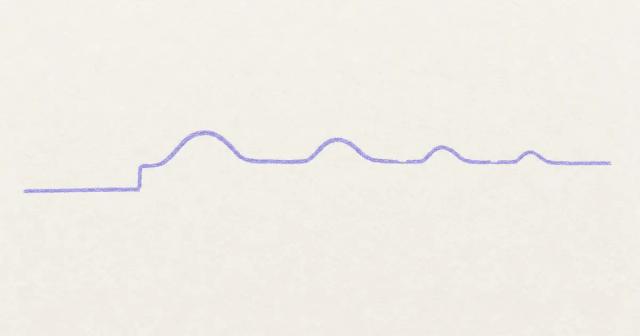
Yes, for most people, common side effects are temporary: 9 out of 10 patients manage them and continue their injections. Side effects tend to settle at each dose level, then briefly flare when doses increase. This predictable pattern reflects titration, the gradual dose increase built into Zepbound treatment to help your body adapt.
When do side effects typically peak and settle?
Side effects follow a pattern tied to treatment initiation and dose changes. According to Fella Health's guide on when Zepbound side effects start, they typically peak within the first four weeks as your body adjusts to tirzepatide. After this adjustment period, many people experience manageable side effects until the next dose increase restarts the cycle.
Symptom-by-Symptom What to Expect and When
Side effects typically appear within the first few days after your initial injection and may recur briefly when your dose increases. Clinical data from the SURMOUNT trials show that roughly 9 out of 10 people tolerate the side effects well enough to continue treatment. The FDA prescribing information for Zepbound confirms that adverse reactions occurred most frequently during the dose-escalation phase and improved during the maintenance period, indicating that the most challenging phase is typically at the start.
Digestive Side Effects: Nausea, Diarrhea, and Constipation
Nausea is the most reported side effect, with Fella Health reporting that up to 44% of Zepbound users experience it. It typically starts within 24 to 72 hours after injection and resolves within a few days to two weeks, though it may recur briefly after a dose increase.
How long do diarrhea and constipation typically last?
Diarrhea usually appears in the first one to two weeks and resolves within three to seven days for most people, though it can persist longer after dose changes. Constipation tends to last longer—sometimes two to six weeks—because Zepbound slows gastric emptying, reduces food intake, and can lower body water when nausea is present. It improves with adequate fluid intake and dietary fiber.
How can tracking connected data help you manage these symptoms?
Most people track symptoms separately without connecting them to injection timing, food intake, water consumption, or protein levels. A GLP-1 app like MeAgain links your symptom log directly to your dose schedule, food, and water intake, so you can see whether nausea peaks 48 hours after injection or whether constipation worsens when protein drops below a certain threshold. That connected data transforms a frustrating experience into something you can discuss with your doctor.
Fatigue, Headaches, and Injection-Site Reactions
Fatigue during the first few weeks of Zepbound reflects a real metabolic shift: lower calorie intake, reduced carbohydrate availability, and the energy cost of adaptation. It typically improves within one to three weeks and may return briefly after dose escalations. Headaches follow a similar pattern, most commonly driven by dehydration, skipped meals, or electrolyte imbalance, and often resolve within one to two weeks once nutrition and fluid intake stabilize. Injection-site reactions (mild redness, soreness, or a small bump under the skin) are the shortest-lived of the common side effects, usually clearing within one to three days. Rotating between the abdomen, thigh, and upper arm with each injection significantly reduces localized irritation.
Long-Term and Serious Side Effects
The SURMOUNT trial safety data shows that serious side effects were uncommon but real. Pancreatitis, gallbladder disease, and kidney complications are rare, yet they do not follow the same fade-and-improve pattern as stomach and digestive issues. These risks can persist throughout therapy and require ongoing clinical monitoring. The FDA prescribing information for Zepbound notes that rapid improvement in blood sugar control has been linked to temporary worsening of diabetic retinopathy in people with existing eye disease. If you have a history of diabetic eye complications, discuss this with your provider before starting treatment.
When should you contact your provider about side effects?
Contact your provider if nausea prevents you from eating or drinking for three or more days, vomiting lasts a full day without improvement, diarrhea causes fluid loss for two to three days, or constipation continues beyond seven days. Data from the SURMOUNT clinical trials show that 9 out of 10 patients continue to use their Zepbound injections despite experiencing GI-related side effects. This suggests that tolerable side effects differ from intolerable ones, and most patients experience the former.
How does tracking side effects help you spot real patterns?
Your memory can compress and distort side effects, especially when symptoms overlap across dose changes, food choices, and hydration levels. Logging side effects with severity ratings in our MeAgain GLP-1 app connects symptoms to dose timing, meals, and water intake on a single timeline, giving you patterns to discuss with your doctor rather than a vague sense that "things felt worse last month." What happens next is something most people don't anticipate: when a dose increases, the body responds as if it's starting over.
Related Reading
- Zepbound Long Term Side Effects
- Does Zepbound Make You Sleepy
- Zepbound Not Working
- Do You Have To Take Zepbound Forever
- Why Am I Still Hungry On Zepbound
- How Many Calories Should I Eat On Zepbound
- What to Expect After First Dose of Zepbound
- Does Zepbound Give You Energy
- Does Zepbound Cause Hair Loss
- Zepbound Long-Term Side Effects
Why Zepbound Side Effects Can Return or Get Worse After a Dose Increase
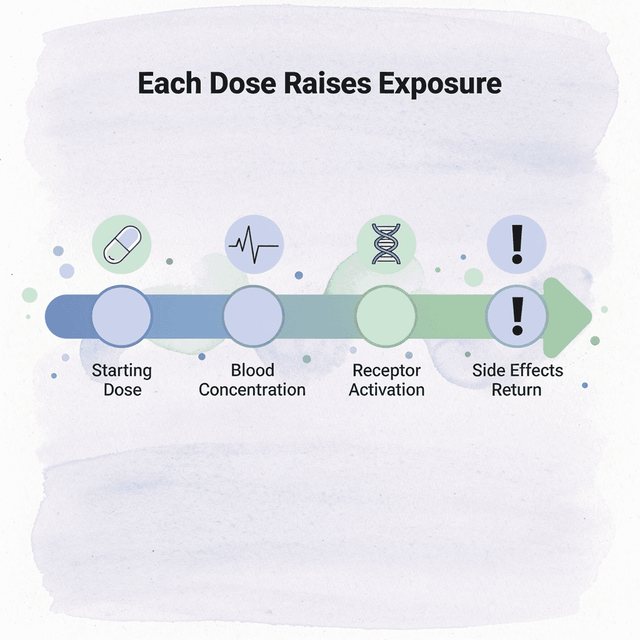
Tolerating your current Zepbound dose well doesn't mean your body will respond the same way to the next one. Each dose increase brings a meaningfully higher level of tirzepatide exposure, and your system treats that change as a new physiological event — not a continuation of the previous one.
"Each dose increase introduces a meaningfully higher level of tirzepatide exposure — your body treats it as a new physiological event, not a simple continuation of what came before."
What Changes at Each Dose Increase | Why It Matters |
|---|---|
Higher tirzepatide blood concentration | Stronger receptor activation = more intense side effects |
New physiological exposure threshold | Body treats it as a fresh stimulus, not a familiar one |
GI system re-adaptation required | Nausea, fatigue, and appetite shifts can resurface |
Symptom timeline resets | Side effect window restarts, not where you left off |
What happens in your body when the dose steps up?
Tirzepatide has a half-life of about five days, meaning it takes roughly four to five weeks to reach steady-state concentration after any dose change. During that time, tirzepatide exposure continues rising. The drug works by activating both GIP and GLP-1 receptors, which slows gastric emptying, suppresses appetite signals, and directly influences gut motility. When the dose increases, all of those effects strengthen before your gastrointestinal system has time to adjust. That's pharmacokinetics functioning as intended.
How common are GI side effects after each dose increase?
Clinical data shows this pattern clearly. According to a Ubie Health doctor's note on Zepbound side effects, increasing the dose every four weeks raises the risk of stomach and digestive side effects. Vomiting was reported in up to 25% of patients and diarrhea in about 30% of patients during tirzepatide trials. These are expected biological responses to a stronger signal hitting receptors that haven't yet adapted to the previous level.
Zepbound follows an FDA-approved dosing schedule that increases in 2.5 mg steps, starting at 2.5 mg and reaching up to 15 mg over several months. According to Ubie Health's clinical review of Zepbound side effects, stomach and digestive side effects affect 30 to 40 percent of patients after each dose increase. The digestive burden is not a one-time challenge at the start of treatment but a recurring feature of dose escalation.
Why does your system need time to recalibrate at a higher dose?
After a dose increase, your GI tract, gastric emptying rate, and appetite signaling all adjust to a stronger signal than they have previously received. The experience patients describe as "you can feel it" at a higher dose reflects what happens when a system recalibrates in response to a stronger stimulus.
Why your stomach bears the brunt
Tirzepatide slows gastric emptying, so food moves through your stomach more slowly. At higher doses, this effect intensifies. Large meals, high-fat meals, or eating quickly add stress to an already altered digestive process. Dehydration and eating past fullness worsen the problem: it's easier to misjudge satiety when your appetite signals are chemically suppressed. Your digestive system is under more pressure than it can handle without making changes.
Why is tracking symptoms in isolation making things harder to manage?
Most people track symptoms themselves—nausea or fatigue after a dose—without connecting them to diet, hydration, or timing relative to injection. This fragmented picture makes it nearly impossible to identify patterns or discuss with a prescriber whether a slower escalation schedule might improve tolerability. Our MeAgain GLP-1 app addresses this by logging dose timing, food intake, hydration, and symptom severity on the same timeline, making connections visible rather than buried in memory.
What do more severe symptoms after a dose increase actually mean?
More severe symptoms after a dose increase do not indicate that Zepbound is working better. They signal that your body needs more time to adjust to higher drug exposure. If symptoms persist after the steady-state adjustment period, discuss a slower titration pace with your prescriber. Dose changes should never be self-directed. Understanding this mechanism replaces worry with a clear framework. Knowing what causes the symptoms is only half the picture; the more practical half lies ahead.
Related Reading
What to Do If Zepbound Side Effects Aren't Going Away
Knowing the difference between "still adjusting" and "genuinely stuck" is the most useful skill you can develop on Zepbound. The framework below gives you three clear pathways based on your symptoms.

Mild and improving: stay the course with intention
When symptoms are present but improving, the strategy is to optimize function rather than intervene.
What dietary adjustments help manage mild side effects?
Eat smaller portions and stop before you feel full, since tirzepatide slows gastric emptying significantly. Eat slowly so your body can signal fullness before you overeat. Avoid high-fat or greasy foods during the first few weeks, as fat delays stomach emptying further and worsens nausea. Drink plenty of water throughout the day in smaller amounts rather than all at once; if you have diarrhea, add a low-sugar electrolyte drink to replace lost fluids. Get enough protein (eggs, Greek yogurt, lean fish, tofu, or a protein shake) to protect muscle and reduce fatigue while eating fewer calories.
Which overlooked habits make the adjustment period easier?
Two additional moves most people overlook: build fiber gradually if constipation is your main complaint, adding fruits, oats, chia, or flax slowly rather than all at once, and time your injection before a weekend or evening so the peak side effect window aligns with a lighter schedule. Rotate injection sites weekly, let alcohol dry before injecting, and avoid rubbing the area afterward.
According to a Ubie Doctor's Note, most gastrointestinal side effects improve within 4 to 8 weeks of starting treatment. Most people track symptoms loosely, losing the pattern between worst days. Our GLP-1 app MeAgain logs symptoms with severity ratings alongside dose timing, food, and hydration on a shared timeline, so you bring data instead of a vague impression to your prescriber.
When to call your prescriber: persistent or interfering with daily life
Call your prescriber when symptoms aren't improving, prevent adequate eating or drinking, or persist after each dose increase. Ongoing vomiting, diarrhea, or constipation unresponsive to diet changes warrant a call. Your doctor will assess your current dose and titration rate, fluid intake, other medications that could worsen stomach problems, and any pre-existing stomach conditions that may affect your response. The Ubie Doctor's Note notes that lowering the dose resolves ongoing side effects in up to 50% of patients: a meaningful option worth discussing rather than accepting indefinitely.
Red flag symptoms that need prompt medical attention
Severe or ongoing abdominal pain, especially pain that spreads to your back, signals pancreatitis—a serious side effect the FDA has flagged for tirzepatide. Repeated vomiting that prevents fluid intake, signs of dehydration (dark urine, dizziness, fast heart rate, confusion), and upper right abdominal pain with nausea after eating may indicate gallbladder problems, a known risk with GLP-1/GIP receptor agonists. These situations require prompt medical evaluation, not a dose adjustment.
The key question isn't how long you've had side effects, but whether they're improving, stable, or worsening, and whether they're preventing you from getting adequate fluids, nutrition, or functioning normally. Knowing what to do in each scenario is one thing. Knowing how to make the adjustment period genuinely easier, not merely survivable, is where the real difference lies.
Make the Zepbound Adjustment Period Easier to Manage
Keep track of patterns instead of dealing with symptoms. Write down what you ate, when you injected, how bad the nausea was, and how long it lasted. This information becomes something you can show your doctor rather than a fuzzy memory of a tough few weeks.
"Tracking symptoms over time transforms vague discomfort into actionable data your doctor can use to adjust your plan." — MeAgain Health Guidance

Our GLP-1 app at MeAgain fills this gap by turning the behaviors that matter most during your GLP-1 journey — protein, fiber, water, and movement — into simple daily goals. Your capybara companion keeps the process fun, while your Journey Card shows progress beyond the scale.
Tracked Behavior | Why It Matters |
|---|---|
Protein intake | Supports muscle retention during weight loss |
Fiber intake | Aids digestion and reduces GI side effects |
Water consumption | Combats dehydration linked to nausea |
Daily movement | Reinforces long-term habit formation |
Download MeAgain and turn the daily work of your GLP-1 journey into a game you want to keep playing. Managing side effects is only part of the process; the bigger goal is building routines that help you feel better, stay consistent, and keep moving forward.