
Constipation is one of the most common side effects people experience on tirzepatide, and it can make an already challenging weight loss journey feel discouraging. The slowdown is due to real physiological reasons, but it does not have to derail progress. Understanding what causes Zepbound constipation and which interventions actually help makes it easier to stay consistent with treatment while keeping the digestive system functioning normally.
Tracking symptoms such as bloating, stool frequency, and fluid intake alongside weight-loss data helps identify patterns before they become bigger problems. Small, informed adjustments tend to be far more effective than guessing. For structured, day-to-day support throughout the process, the GLP-1 app from MeAgain gives users a clearer picture of what is working and what needs to change.
Table of Contents
- Why Does Zepbound Cause Constipation? It’s Not Just “Eating Less”
- How Long Does Zepbound Constipation Last And When Should You Worry?
- How to Get Zepbound Constipation Relief Without Making It Worse
- Turn Your Zepbound Constipation Relief Plan Into a Daily Game
Summary
- Constipation is one of the most frequently reported side effects among people using tirzepatide, affecting roughly 20.7% of participants in the SURMOUNT-4 trial. This is not simply a consequence of eating less. Tirzepatide slows gastric emptying by approximately 30 to 40%, which directly reduces gut motility and gives the colon more time to pull water from stool, making it harder to pass.
- Two separate mechanisms drive constipation on Zepbound, and they compound each other. The medication itself slows GI motility by acting on GLP-1 and GIP receptors. At the same time, appetite suppression leads to smaller meals with less dietary fiber and reduced fluid intake. People who also eat high-protein diets or take iron supplements face additional compounding risk before their bodies have even adjusted to the medication.
- Constipation symptoms tend to cluster around specific moments in treatment rather than appearing continuously. Research suggests the risk is highest during the first 4 to 8 weeks and during each dose escalation, when the body essentially resets its adjustment to a new level of pharmacological activity. Studies on a related GLP-1 medication, semaglutide, found constipation lasted around 47 days on average before leveling off, which offers a rough reference point even if it does not map precisely onto tirzepatide.
- Fiber and hydration work together, and neither one alone is sufficient. Adults using GLP-1 medications should aim for 25 to 38 grams of fiber per day, but reaching that target too quickly can trigger bloating on top of existing GI discomfort. Increasing fiber gradually by about 5 grams every few days, while also prioritizing warm liquids in the morning to stimulate the gastrocolic reflex, addresses both the bulk and lubrication sides of the problem.
- Persistent constipation that does not respond to lifestyle adjustments is a clinical signal, not a personal failure. Up to 40% of people taking tirzepatide report constipation as a side effect, which means most clinicians have options available, including reviewing dose titration pace, evaluating other contributing medications, or considering prescription-level interventions. Adjusting a Zepbound dose independently to manage a side effect is not recommended, as the therapeutic and tolerability goals need to be balanced together.
- Certain symptoms require prompt medical evaluation rather than home management. Severe abdominal pain, persistent vomiting, significant abdominal distension, or an inability to pass both stool and gas can indicate a potential intestinal obstruction, which is a medical event distinct from ordinary constipation and requires immediate attention.
- MeAgain's GLP-1 app addresses this by keeping dose timing, fiber intake, hydration, and symptom logs in one place, so patterns like constipation worsening after each dose increase or fiber dropping below a useful threshold become visible before they become harder to manage.
Why Does Zepbound Cause Constipation? It’s Not Just “Eating Less”
Many people assume that Zepbound constipation happens simply because they're eating less — but this assumption misses the other half of the picture, making it significantly harder to manage what your body is actually experiencing.
"Attributing Zepbound constipation solely to reduced food intake overlooks the drug's direct effect on gut motility — a critical piece of the puzzle patients deserve to understand." — GI Research Insight
Cause | What's Actually Happening |
|---|---|
Eating less | Less bulk in the digestive tract |
GLP-1 receptor activation | Slowed gut motility (gastroparesis-like effect) |
Reduced water intake | Harder stools, increased straining |
Hormonal signaling changes | Altered bowel movement frequency |

How does tirzepatide slow down your digestive system?
Tirzepatide is a GLP-1/GIP receptor agonist that activates these receptors, slowing gastric emptying and making you feel full faster and longer. According to Fay Nutrition's analysis of tirzepatide's GI effects, gastric emptying can slow by up to 50% with GLP-1/GIP receptor agonists such as tirzepatide. As food moves more slowly through your digestive tract, your colon absorbs more water from your stool, resulting in drier, denser, harder-to-pass stools.
What is the difference between gastric emptying and colonic transit?
Delayed gastric emptying and slowed colonic transit are two different processes. Gastric emptying describes how quickly food moves from your stomach to your small intestine, while colonic transit describes how quickly stool moves through your large intestine. Tirzepatide's effect on gastric emptying is well documented, and its influence on colonic motility is a related but distinct process. Dr. Rekha Kumar, endocrinologist and obesity medicine specialist, explains: "Tirzepatide can slow digestive motility, meaning food moves through the intestines more slowly. That slowing can cause constipation for some patients, especially early in treatment."
The indirect pathway most people miss
The second way this happens is quieter but equally real. Zepbound reduces hunger, which means smaller meals, less total food volume, and critically, less fiber and fluid. Ashley Koff, RD and Nutrition Director for UC Irvine's Susan Samueli Integrative and Functional Medicine Fellowship, notes that low fiber and water intake, high-protein diets, physical inactivity, and certain supplements like iron all increase the risk. Most adults already consume only 15 grams of fiber per day, well below the recommended 25 to 38 grams per day, according to Fay Nutrition's review of tirzepatide and constipation. When appetite suppression further reduces that already-low intake, stool bulk decreases, and bowel movements become less frequent or harder to pass.
What the clinical data shows
This is a documented concern. In the SURMOUNT-4 clinical trial, 20.7% of participants reported constipation during the first 36 weeks of treatment. A review of six clinical trials in patients with type 2 diabetes found that 2.54% of tirzepatide users experienced constipation, with incidence increasing at higher doses of 10 mg and 15 mg. The FDA-approved Zepbound prescribing information lists constipation as a common side effect across multiple dose levels. Symptoms tend to be strongest during the first few weeks of treatment and after each dose increase, then stabilize as the body adjusts to the medication.
How do you know which factor is driving your symptoms?
When constipation stems from both changes in digestive motility and dietary shifts, identifying which problem to address matters. Tracking patterns—connecting symptom onset to dose day, fluid intake, and food choices—reveals what guessing cannot. Our MeAgain GLP-1 app was built for this pattern recognition, letting you log fiber, hydration, side effects, and dose timing in one place so connections become visible. Understanding why constipation happens is one thing. Knowing how long it should last and when it stops being a normal adjustment, signaling a need for investigation, is where the real question begins.
Related Reading
- Zepbound Long Term Side Effects
- Does Zepbound Make You Sleepy
- Zepbound Not Working
- Do You Have To Take Zepbound Forever
- Why Am I Still Hungry On Zepbound
- How Many Calories Should I Eat On Zepbound
- What to Expect After First Dose of Zepbound
- Does Zepbound Give You Energy
- Does Zepbound Cause Hair Loss
How Long Does Zepbound Constipation Last And When Should You Worry?
Constipation on Zepbound doesn't happen on a fixed schedule. Research suggests the symptom clusters around specific moments in treatment, making pattern recognition more useful than expecting a predetermined timeline.
"Constipation on Zepbound clusters around specific moments in treatment, making pattern recognition more useful than expecting a fixed timeline." — Clinical Research Insights

When does Zepbound constipation usually start?
According to Doctronic's guide on Zepbound constipation, the risk of constipation is highest during the first 4 to 8 weeks of treatment and whenever your dose increases. Each dose increase resets the adjustment curve: gut movement slows, appetite suppression strengthens, and food and fluid intake drops before your body adjusts. Constipation on Zepbound often isn't continuous. Some people experience it early, improve, then feel it return after their next dose increase. Recognizing this pattern matters because it shows that the symptom responds to the medication's dosing schedule rather than to a separate problem.
How long does Zepbound constipation usually last?
There is no clinically established timeline that applies to everyone. Medical News Today reports that constipation typically lasts a few weeks after starting Zepbound or increasing the dose, though individual experiences vary considerably. Studies on semaglutide (Wegovy), a related GLP-1 medication, found that constipation lasted an average of 47 days and leveled off by week 10, providing a reference point despite differences in tirzepatide's dual-receptor mechanism.
What does improvement actually look like over time?
The more useful signal is trajectory. Bowel movements becoming more regular, stool becoming easier to pass without straining, and reduced abdominal pressure indicate your body is adjusting. If those markers move in the right direction, that's meaningful. If they stagnate or worsen, discuss this with your doctor. Most people notice improvement isn't linear: there are better and harder days, especially after a dose change. Our GLP-1 tracking app helps you log dose timing, fiber intake, hydration, and symptom severity all in one place, so you can present your clinician with a pattern rather than a vague recollection.
When should you worry about Zepbound constipation?
Mild constipation that improves with increased water intake, dietary fiber, and physical activity can be managed at home. Contact your healthcare provider if constipation persists after several weeks, worsens after dose increases, or significantly disrupts daily functioning. They may adjust your dose, explore underlying causes, or recommend prescription-level intervention.
What symptoms signal a medical emergency?
Severe belly pain, ongoing vomiting, noticeable belly swelling, or inability to pass stool and gas require immediate medical evaluation. These symptoms indicate intestinal obstruction, a serious complication requiring urgent attention. While regular constipation is uncomfortable, an obstruction is a medical emergency.
Why does choosing the right relief strategy matter?
The harder part is choosing relief strategies that address the cause of your constipation, rather than adding products on top of an unresolved underlying problem.
Related Reading
- How Long Do Zepbound Side Effects Last
- Where to Inject Zepbound for Best Results
- Does Zepbound Make You Pee More
- How Long Does It Take For Zepbound To Work
- How Long Does It Take For Zepbound To Suppress Appetite
How to Get Zepbound Constipation Relief Without Making It Worse
Matching the right strategy to the right cause matters—using generic solutions for a problem you don't fully understand rarely works and sometimes makes things significantly worse.
"The most common mistake is treating all constipation the same—one-size-fits-all remedies often backfire when the underlying cause hasn't been identified." — GI Health Experts
Cause | Right Strategy | What to Avoid |
|---|---|---|
Slowed gut motility | Gentle movement, warm liquids | Harsh stimulant laxatives |
Dehydration | Increase daily water intake | Extra fiber without fluids |
Dietary changes | Gradual fiber reintroduction | Sudden high-fiber overload |
Medication timing | Adjust dosing schedule with doctor | Self-adjusting Zepbound dose |

If You're Eating Less Fiber, Increase It Gradually
When you take Zepbound and eat less, you often consume less fiber, too. Less fiber makes your stool smaller, slows its transit through your body, and hardens it. Add fiber slowly—about 5 grams every few days—rather than overhauling your diet at once. According to Medical News Today, adults should aim for 25 to 38 grams of fiber daily, but increasing it too quickly can cause bloating that worsens stomach problems. Eat high-fiber foods in smaller amounts: avocado (about 10 grams per fruit), lentils (7 to 8 grams per half cup), raspberries, and broccoli.
If You're Not Drinking Enough, Focus on Hydration
The connection between hydration and constipation is real, though often misunderstood as a standalone fix. Fiber without water can worsen constipation. If appetite suppression or nausea has reduced your fluid intake, your colon absorbs more water from stool, making it harder. Warm liquids in the morning—herbal teas or warm water with lemon—can stimulate the gastrocolic reflex and encourage bowel movements. Hydration supports the fiber strategy; it doesn't replace it.
If You're Less Active, Add Regular Movement
Not moving around much worsens the slowdown in gut movement caused by Zepbound. A 20 to 30 minute daily walk gives your digestive system the steady movement it needs to stay on schedule while your body adapts to the medication. The goal isn't to exercise your way out of constipation; it's to maintain consistent bowel habits.
Why does tracking patterns matter for managing symptoms?
Most people track Zepbound management across multiple places: fiber intake here, hydration there, side effects in memory. This fragmentation makes it nearly impossible to spot patterns, such as constipation worsening in the week after a dose increase or fiber intake dropping below a useful level three days before symptoms appear. Our GLP-1 app consolidates dose timing, fiber, water, and symptom tracking in one place, so you can bring data instead of guesses to your provider.
If Lifestyle Changes Aren't Enough, Talk to Your Healthcare Provider
Ongoing constipation that doesn't improve with fiber, water, and movement needs medical attention. According to Ubie's Doctor's Note on Zepbound constipation, up to 40% of people taking tirzepatide report constipation as a side effect. Your doctor has seen this before and has options beyond lifestyle changes: reviewing whether your dose increase schedule allows adequate digestive adjustment, evaluating other medications that may worsen the problem, or considering prescription-level treatments. Never change your Zepbound dose on your own; balancing treatment goals with tolerability requires medical guidance. Knowing the right strategies is one thing. Making them stick day after day when motivation wavers and life gets busy is where the real challenge lies.
Turn Your Zepbound Constipation Relief Plan Into a Daily Game
Most people track their fiber, water, and GI symptoms for a few days, then stop when life gets in the way. The pattern breaks, constipation returns, and it becomes difficult to determine whether Zepbound is the cause, a dose change triggered it, or low-fiber days worsened the problem.
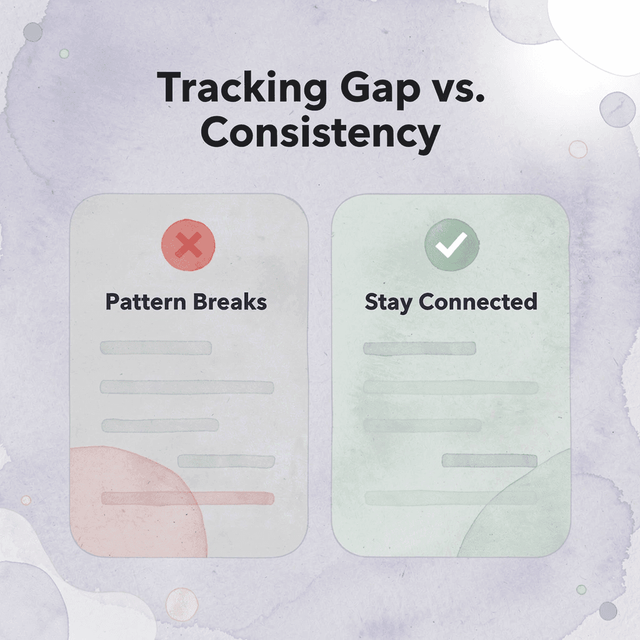
That gap between knowing and doing is where a GLP-1 app like MeAgain earns its place. Rather than maintaining a separate mental spreadsheet of dose timing, bowel movements, hydration, and fiber, our app keeps those signals connected in one place, so you bring patterns instead of guesses to your clinician.
"Tracking your dose timing, hydration, fiber intake, and GI symptoms in one place transforms scattered data points into actionable patterns your clinician can use." — MeAgain
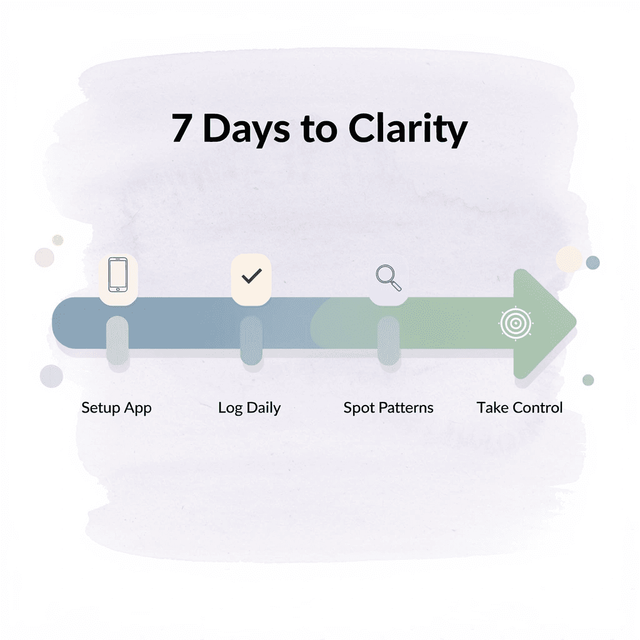
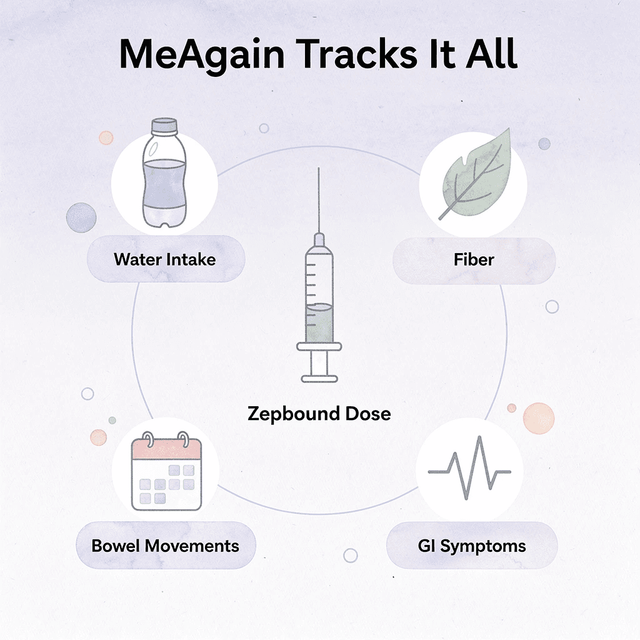
Spend just 5 minutes setting up MeAgain's GLP-1 app and start tracking your Zepbound dose, water intake, fiber, GI symptoms, activity, and bowel movements. Over 7 days, you'll see whether your constipation is improving, whether it appears around dose changes, or whether daily habits are contributing.
What to Track | Why It Matters |
|---|---|
Zepbound dose & timing | Identifies if constipation spikes around dose changes |
Water intake | Low hydration is a primary driver of GI slowdown |
Fiber intake | Reveals whether low-fiber days correlate with symptoms |
Bowel movements | Establishes your baseline and tracks real improvement |
Activity level | Movement directly supports gut motility |
GI symptoms | Connects the full picture for your clinician |
Because MeAgain gamifies the work of staying on track, your capybara keeps you moving toward your protein, fiber, water, and exercise goals while your Journey Card captures the real progress you're making. It's not a log; it's a daily motivation system built around the habits that matter most for Zepbound success.
Download MeAgain and start tracking today so you're not left guessing what's behind your constipation or whether it's improving. Every dose logged, every glass of water tracked, and every bowel movement recorded brings you closer to the clarity and control you deserve on your Zepbound journey.