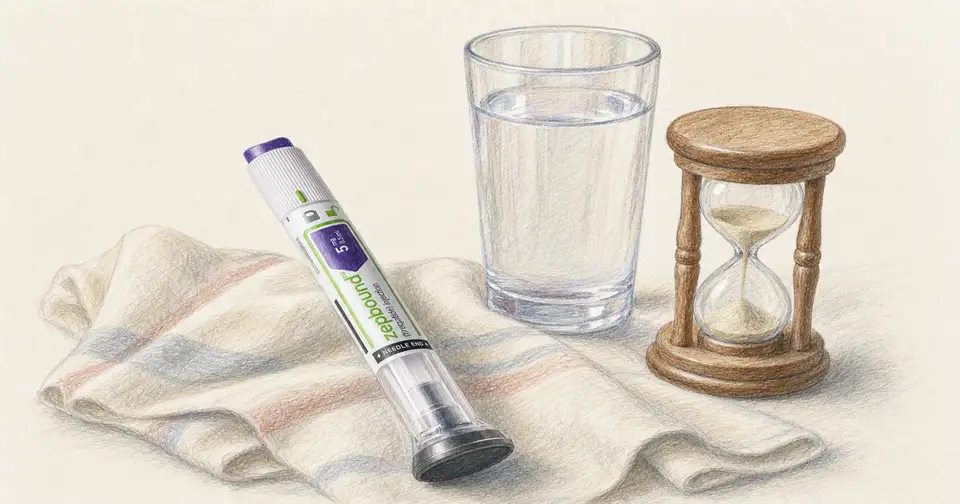

Starting a new medication like Zepbound raises real questions, especially about what happens over months and years of use. Understanding Zepbound long-term side effects shapes how patients approach treatment, what symptoms to monitor, and how confidently they stay the course. Current research and patient experiences point to a range of lasting effects worth knowing before and during treatment.
Ongoing awareness matters because side effects do not always appear right away. Tracking how the body responds over time, from shifts in appetite and digestion to changes in energy levels, makes it easier to catch patterns worth discussing with a doctor. For that kind of structured, day-to-day monitoring, the GLP-1 app from MeAgain gives users a practical way to stay informed and ahead of potential concerns.
Table of Contents
- Is Zepbound Safe for Long-Term Use?
- 11 Zepbound Long-Term Side Effects
- How Can You Reduce the Risk of Long-Term Side Effects?
- Support Your Long-Term Success on Zepbound
Summary
- GLP-1 receptor agonists like tirzepatide are designed for chronic, long-term use rather than short-term intervention. The SURMOUNT trials tracked participants for 72 weeks and documented sustained weight loss of up to 22.5% of body weight, with a safety profile that remained consistent throughout the study. FDA approval for chronic weight management reflects that this medication is intended to work over months and years, not as a temporary reset.
- Gastrointestinal side effects are the most frequently reported category, with nausea affecting up to 29% of patients, diarrhea up to 23%, and constipation up to 17%. Most of these symptoms peak during dose escalation and ease once a stable dose is reached. The underlying mechanism, slowed gastric emptying, drives both the appetite suppression that makes the medication effective and the digestive discomfort that makes early weeks difficult for many users.
- Some risks do not fade with time and require monitoring throughout treatment. Gallbladder disease becomes more likely as rapid weight loss changes bile composition, and pancreatitis, while rare, appears as a signal in real-world adverse event data. A 2025 analysis of the FDA Adverse Event Reporting System identified 17,527 reports involving tirzepatide between 2022 and 2025, confirming that ongoing clinical attention matters beyond the initial adjustment period.
- Lean muscle loss is a consistent risk with any significant caloric reduction, and Zepbound users are no exception. Obesity medicine guidelines recommend 1.2 to 1.6 grams of protein per kilogram of body weight daily during GLP-1 therapy, paired with resistance training two to three times per week. Without deliberate attention to protein intake and exercise, weight loss on Zepbound may include a larger proportion of muscle than fat, with downstream effects on metabolism and functional strength.
- Dehydration is an underappreciated complication, particularly for users experiencing vomiting, diarrhea, or reduced appetite that limits fluid intake. Insufficient hydration during these periods can place strain on the kidneys and, in some cases, contribute to acute kidney injury. Consistent fluid intake throughout the day, especially during GI flares, is one of the more straightforward but frequently overlooked protective behaviors during treatment.
- Following the prescribed dose-escalation schedule is one of the most effective ways to reduce the severity of side effects over time. Tirzepatide starts at 2.5 mg weekly and increases in 4-week intervals to allow the body to adjust its hormonal signaling before each new dose. Patients who accelerate that schedule or restart at higher doses without guidance report significantly worse gastrointestinal symptoms and higher dropout rates.
- MeAgain's GLP-1 app addresses the gap between daily experience and clinical visibility by helping users log symptoms, protein intake, hydration, dose timing, and energy shifts in one place, so patterns that develop gradually over weeks become legible data a provider can actually act on.
Is Zepbound Safe for Long-Term Use?
Zepbound is FDA-approved specifically for chronic weight management, meaning long-term use is the intended model, not a workaround or off-label approach. The clinical evidence behind that decision is substantial, grounded in rigorous trial data that informed the agency's approval.

The SURMOUNT trials tracked adults with obesity over 72 weeks and showed sustained weight loss with a stable safety profile. According to Eli Lilly via PR Newswire, Zepbound helped adults with obesity lose up to 22.5% of body weight over 72 weeks, with most participants completing the protocol without serious safety events.
"Zepbound helped adults with obesity lose up to 22.5% of body weight over 72 weeks in clinical trials, with most participants completing the protocol without serious safety events." — Eli Lilly, PR Newswire
What does FDA approval for long-term use actually mean?
"FDA-approved for long-term use" and "risk-free over time" are not the same thing. Most gastrointestinal side effects worsen during dose escalation and improve once patients reach a stable dose. However, thyroid monitoring, gallbladder health, and cardiovascular signals require ongoing attention. The medication alters how your body processes food, regulates hunger, and manages metabolic function—systems worth monitoring across months and years.
A GLP-1 app like MeAgain connects dose timing, meal data, symptom severity, and energy shifts into a timeline you can share with your doctor, replacing guesswork with documented changes.
Why does real-world monitoring still matter for individual safety?
Zepbound is safe for many people over the long term, but "safe for many" is not a promise made to any individual. According to a 2025 analysis published in PMC, 13,545 adverse event reports involving tirzepatide were identified in the FAERS database from 2022 to 2025. Real-world monitoring matters because it helps you respect what the medication does and stay informed about how your body responds to it over time.
Your experience on Zepbound in month one and month eighteen may look different, and both deserve attention. Some effects that feel manageable early on can shift in intensity as your body adapts. Others may surface quietly, without a dramatic signal—which is exactly why ongoing awareness matters more than a one-time check-in. Knowing which side effects tend to persist, fade, or require a doctor's call makes long-term use safer.
11 Zepbound Long-Term Side Effects
Most side effects from Zepbound are predictable, but long-term effects develop slowly and only become clear when reviewing weeks of data. That gap between what you feel and what's actually happening is where being informed becomes your most useful tool.
"The difference between a manageable side effect and a serious one often comes down to early awareness and consistent tracking over time." — Clinical Observation, Long-Term GLP-1 Trial Data

] Alt: Magnifying glass examining medical data representing long-term side effect discovery
Here is what clinical evidence, the FDA label, and long-term trial data show, organized by likelihood.
Likelihood Category | What It Means |
|---|---|
Most Common | Reported by a significant portion of trial participants |
Less Common | Seen in a smaller subset; still clinically documented |
Rare but Serious | Low frequency, but requires immediate medical attention |
1. Nausea and vomiting
Nausea is the most common side effect of Zepbound, occurring in up to 29% of patients in clinical trials, with vomiting affecting up to 13%. For most people, both are mild to moderate and worsen during dose escalation, not at steady-state dosing.
Tirzepatide slows gastric emptying, meaning food stays in your stomach longer than expected. This delay partly explains why the medication suppresses appetite so effectively.
Managing it comes down to what you do: eat smaller meals, avoid greasy or fried foods, stay upright after eating, and try ginger or peppermint. If nausea is severe, persistent, or accompanied by uncontrolled vomiting, contact your healthcare provider.
2. Diarrhea
Up to 23% of patients experience diarrhea, typically in the first few weeks of treatment, and improving as the body adjusts.
Staying hydrated is important: diarrhea speeds up fluid loss, and dehydration worsens other side effects, including fatigue and kidney strain. Bland foods, smaller meals, and avoiding sugar alcohols (anything ending in "ol," like sorbitol or xylitol) help. Over-the-counter antidiarrheals are an option after checking with your provider.
3. Constipation
Constipation affects up to 17% of Zepbound users and, unlike nausea or diarrhea, doesn't always resolve on a predictable timeline.
High-fiber foods, regular movement, and consistent hydration are the first steps to try. If constipation persists beyond a few weeks or becomes painful, contact your doctor.
4. Stomach pain
Stomach pain or cramping occurs in up to 10% of patients and is most common during early treatment weeks. It typically improves as your body adjusts.
Stomach pain can be a sign of pancreatitis, a rare but serious condition. Severe, persistent belly pain that spreads to your back or accompanies persistent vomiting requires immediate medical attention. If your pain worsens, contact your doctor.
5. Indigestion
Up to 10% of patients report indigestion, including bloating, prolonged fullness, or acid reflux, as a direct result of slowed gastric emptying, which is most noticeable in the first weeks.
Practical adjustments help: smaller, more frequent meals, avoiding lying down after eating, slow chewing, and limiting caffeine and alcohol. If symptoms persist or worsen after several weeks, contact your provider.
6. Injection site reactions
Redness, itching, bruising, or a small rash at the injection site affects up to 8% of users and is almost always mild.
Rotating injection sites is the most effective way to prevent problems: injecting in the same spot repeatedly increases the risk of irritation and can affect medication efficacy. An ice pack before or after injection can reduce discomfort. If a reaction seems severe or doesn't resolve within a few days, contact your provider.
7. Fatigue
Up to 7% of patients report feeling tired during Zepbound treatment, likely due to reduced calorie intake. Rest as needed, eat a balanced diet within your appetite's limits, and drink plenty of water. Discuss persistent or severe tiredness with your doctor, as it may indicate insufficient nutrient intake or other underlying health issues.
8. Burping
Burping occurs in up to 5% of patients due to excess stomach air, often linked to delayed gastric emptying. Avoiding fizzy drinks, eating slowly, skipping gum, and reducing high-fat foods can help. Keeping a food diary to identify your triggers is more effective than general advice, as patterns vary from person to person.
9. Hair loss
Hair loss affects up to 5% of Zepbound users and is generally linked to rapid weight loss rather than a direct drug effect. When weight loss is rapid, the body can enter telogen effluvium, where more hair follicles shift into the resting phase simultaneously. This type of hair loss is usually temporary. Gentle hair care, avoiding tight styling, and consuming adequate protein and nutrients support recovery. If hair loss seems excessive or persists, consult your provider to rule out nutritional deficiencies.
Most people managing multiple side effects rely on memory and rough estimates, making it nearly impossible to spot which symptoms are improving or worsening. A GLP-1 app like MeAgain provides a structured log of symptoms, severity, dose timing, and meals in one place, revealing invisible patterns over weeks and months. This consistent record proves far more useful to your healthcare provider than a verbal summary.
10. Pancreatitis
Pancreatitis is rare but constitutes a medical emergency. Symptoms include severe abdominal pain, pain radiating to the back, and persistent vomiting. Seek emergency care immediately if you experience these symptoms.
A retrospective analysis of FAERS data published in PMC in 2025 examined 17,527 adverse event reports involving tirzepatide between 2022 and 2025. Pancreatitis emerged as a signal worth monitoring, reinforcing the FDA's existing warning and the importance of investigating severe abdominal symptoms.
11. Gallbladder Problems
Losing weight quickly increases your risk of gallstones. When you lose weight fast, your bile composition changes in ways that promote stone formation.
Watch for sharp pain in the upper right abdomen, pain that worsens after eating fatty foods, fever, or yellowing of your skin or eyes. These symptoms require immediate medical attention. Early diagnosis is manageable; untreated gallbladder disease can deteriorate rapidly.
The thyroid tumor warning: what it actually means
The FDA label for Zepbound includes a boxed warning about thyroid C-cell tumors, including medullary thyroid carcinoma, because tirzepatide caused thyroid tumors in rodent studies at doses producing sustained drug exposure.
Does the thyroid warning reflect a confirmed human risk?
This effect has not been confirmed in humans, and rodent thyroid physiology may not translate to human thyroid response. The warning is precautionary, not a documented human risk. Zepbound is contraindicated in people with a personal or family history of medullary thyroid carcinoma or Multiple Endocrine Neoplasia syndrome type 2; this medication is inappropriate for them. For everyone else, the warning warrants full disclosure of your medical history to your provider, not avoidance of the medication.
Lean Muscle Loss and Nutritional Gaps
When you lose weight from Zepbound, you lose both fat and lean muscle if you consume significantly fewer calories. To preserve muscle, eat adequate protein and perform resistance exercise while taking the medication.
Nutritional deficiencies can occur when you eat less food without prioritizing nutrient density. Protein, B vitamins, iron, and calcium are the most common nutrients at risk of insufficiency. A registered dietitian experienced with GLP-1 medicines can help you plan meals that support weight loss while meeting your nutritional needs.
Kidney Complications from Dehydration
Dehydration is an overlooked risk during Zepbound treatment, particularly in users who experience diarrhea, vomiting, or significantly reduced fluid intake from appetite suppression. Reduced fluid volume stresses the kidneys and can lead to acute kidney injury.
How can you prevent kidney strain while on Zepbound?
Preventing dehydration takes consistency: drink enough fluids throughout the day, especially when experiencing stomach or digestive symptoms. Call your doctor if you notice less frequent urination, dark urine, or unusual swelling, as these signs indicate your kidneys may be working too hard.
The side effects you can see and feel are only part of the picture; knowing what to do about the ones you can't detect is where the real work begins.
How Can You Reduce the Risk of Long-Term Side Effects?
To reduce long-term risk when using Zepbound, you need to stick with consistent behaviors: follow the FDA-recommended dose-escalation schedule, stay hydrated, protect your muscle mass, and attend follow-up appointments. These practices add up and get better over time.
"The foundation of long-term safety with Zepbound is not the medication itself — it's the consistent habits built around it: dose discipline, hydration, muscle protection, and regular medical oversight." — Clinical Best Practice Guidance
Risk-Reduction Strategy | Why It Matters |
|---|---|
FDA dose-escalation schedule | Minimizes shock to the body and reduces side effect severity |
Stay hydrated | Supports kidney function and reduces GI discomfort |
Protect muscle mass | Prevents lean tissue loss during rapid weight reduction |
Attend follow-up appointments | Enables early detection of emerging complications |

] Alt: Checklist of four key habits to reduce long-term Zepbound side effect risk
Why is dose escalation not optional?
The escalation schedule exists for a reason. Tirzepatide starts at 2.5 mg weekly and moves up in 4-week intervals because your body needs time to adjust its hormonal signaling before each dose increase. Patients who move through escalation faster or skip doses and restart at higher levels without guidance report significantly worse gastrointestinal symptoms and higher dropout rates. The schedule is the structure that makes the medication tolerable over months and years.
What do protein and resistance training actually protect?
The critical difference between losing weight and losing the right kind of weight is muscle. GLP-1 and GIP receptor agonists like tirzepatide reduce appetite effectively, but reduced calorie intake without deliberate protein targeting accelerates lean muscle loss.
How much protein and exercise do you need during Zepbound treatment?
Obesity medicine guidelines recommend 1.2 to 1.6 grams of protein per kilogram of body weight daily during GLP-1 therapy, paired with resistance training at least two to three times per week. Muscle mass supports metabolic rate, bone density, and functional strength; once lost, it is significantly harder to rebuild while in a caloric deficit. If your diet during Zepbound treatment consists mostly of soft, low-protein foods because eating feels difficult, discuss this with your provider.
How can tracking protein intake reveal patterns your provider needs to know?
Most people track their weight on Zepbound without tracking what that weight comprises. A GLP-1 app like MeAgain lets you log meals, protein intake, and side-effect severity alongside your dosing schedule, revealing whether poor protein intake correlates with increased fatigue or stalled progress. Over weeks, those patterns become concrete talking points with your provider, rather than vague recollections.
The follow-up appointments that most people skip
According to the Lung Cancer Foundation of America's 2025 study on long-term immunotherapy side effects, 54% of patients experienced at least one immune-related adverse event during treatment, with many going undetected until progression occurred. Zepbound users face similar risks: serious side effects like gallbladder disease, pancreatitis, and kidney strain often develop without warning signs. Regular blood tests and provider check-ins catch these warning signs before they worsen. Skipping appointments when feeling fine is when test results matter most.
When the benefits clearly outweigh the risks
Zepbound is approved for adults with a BMI of 30 or above, or 27 and above with at least one weight-related condition such as type 2 diabetes, high blood pressure, or obstructive sleep apnea. For these patients, the heart health risk of untreated obesity is measurable and serious. The SURMOUNT-1 trial showed sustained weight loss of up to 22.5% over 72 weeks, with downstream benefits for blood pressure, insulin sensitivity, and joint load. For the right patient managed correctly, the long-term risk profile of Zepbound compares favorably to the conditions it treats.
What determines whether this works for you long-term is something most people underestimate until it works against them.
Support Your Long-Term Success on Zepbound
Long-term success on Zepbound depends on consistent daily habits, not the medication alone. Most people track only weight, missing important signals like how skipped protein goals cause fatigue or how dehydration makes nausea worse after dose increases.
"Most people track only weight, missing the critical daily signals that reveal why symptoms spike and progress stalls." — MeAgain Health Insight

A GLP-1 app like MeAgain changes this by tracking protein, fiber, water, exercise, and dose timing in one place, turning scattered daily experiences into readable patterns. Your provider can only act on what you bring to appointments — our MeAgain app helps you bring actionable data.
What MeAgain Tracks | Why It Matters |
|---|---|
Protein intake | Prevents fatigue and supports muscle retention |
Fiber intake | Supports digestion and GI comfort |
Water/hydration | Reduces nausea severity after dose increases |
Exercise activity | Reinforces sustainable weight loss habits |
Dose timing | Identifies patterns tied to side effects or progress |