

Many people starting Zepbound wonder whether the medication affects their energy levels, stamina, or overall sense of vitality. It is a fair question, especially when the body is adjusting to shifts in appetite, food intake, and metabolism all at once. Understanding what the research shows, what real users report, and what to reasonably expect can make that adjustment period far less uncertain.
Having the right support during that transition matters, and tracking daily changes in energy, fatigue, and other physical shifts can reveal patterns you might miss on your own. Clear, personalized insights help distinguish what is normal from what needs attention, keeping treatment on track with confidence. For anyone navigating this process, the GLP-1 app from MeAgain offers exactly that kind of structured, day-to-day guidance.
Table of Contents
- Does Zepbound Actually Increase Energy? Here's What the Evidence Says
- Why Some People Feel More Energetic on Zepbound
- How to Support Healthy Energy Levels While Taking Zepbound
- Build the Daily Habits That Help You Feel Your Best on Zepbound
Summary
- Zepbound is not a stimulant and does not directly increase energy through any neurological mechanism. The medication works by activating GIP and GLP-1 hormone receptors to regulate hunger, insulin release, and gastric emptying. Any energy improvements that occur are indirect, driven by the physiological changes that treatment makes possible, not by the drug itself.
- Weight loss is the most direct driver of improved energy on Zepbound. Clinical data from the SURMOUNT-1 trial published in the New England Journal of Medicine showed tirzepatide reduced body weight by up to 22.5% over 72 weeks. At that scale of physical change, the cardiovascular system works less hard, joints carry less load, and breathing during daily activity becomes easier, all of which register as increased energy without any stimulant effect involved.
- Metabolic improvements compound the effect for people who began treatment with insulin resistance, elevated blood glucose, or obesity-related sleep apnea. Steadier glycemic control removes a persistent, low-grade energy drain that many people did not recognize as fatigue until it lifted. Reduced systemic inflammation and improved sleep quality further contribute to this effect, creating several independent mechanisms that collectively point toward greater vitality.
- Fatigue is also a documented side effect of tirzepatide, affecting approximately 11% of patients in clinical trials, according to Ubie's Doctor's Note on Zepbound fatigue. Early weeks often involve nausea, reduced appetite, and inadequate fluid intake, each of which can cause fatigue that has nothing to do with the medication's intended effects and everything to do with the body running low on fuel or hydration.
- Research published in Obesity Reviews found that GLP-1 receptor agonists improved energy levels and reduced fatigue scores by up to 30% in patients with obesity-related metabolic dysfunction, but that outcome applies specifically to people whose metabolic conditions are stabilizing. Undereating, dehydration, poor sleep, and reduced movement are all correctable barriers that shape how someone feels far more than most people expect during active treatment.
- Persistent fatigue lasting several weeks despite correcting nutrition, hydration, and sleep habits warrants a direct conversation with a healthcare provider, since dosage timing or an underlying clinical factor may be involved. Severe weakness, dizziness, or inability to carry out normal daily activities should not wait for a scheduled appointment.
- MeAgain's GLP-1 app addresses the pattern-recognition gap by connecting dose timing, protein intake, hydration, side effects, and weight progress in one place, making it easier to identify what is actually driving energy changes throughout treatment.
Does Zepbound Actually Increase Energy? Here's What the Evidence Says
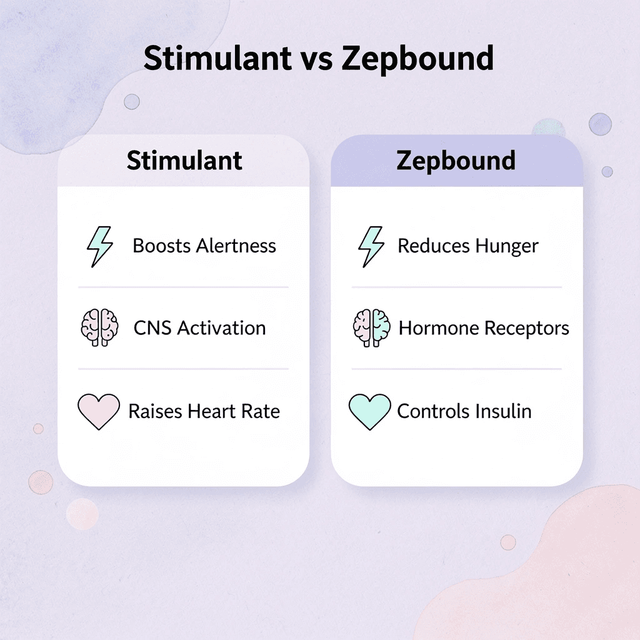
Many people think Zepbound works like a stimulant, but it doesn't. Zepbound is not a stimulant, and the way the FDA approved it has nothing to do with making you more alert or giving you more physical energy directly.
"Zepbound's mechanism of action targets hunger and glycemic control: not the brain pathways responsible for alertness or physical energy." — Eli Lilly Prescribing Information
Zepbound activates two hormone receptors — GIP and GLP-1 — which control hunger, insulin release, and gastric emptying. The prescribing information from Eli Lilly is clear: the drug's main targets are appetite suppression and glycemic control, not the brain pathways that stimulants affect. There is no ingredient in tirzepatide that causes your nervous system to wake up.
Receptor | Primary Function | Effect on Energy? |
|---|---|---|
GIP | Insulin release, fat metabolism | Indirect only |
GLP-1 | Appetite suppression, gastric emptying | Indirect only |
Stimulant pathways | CNS activation, alertness | ❌ Not targeted |
What do clinical trials actually show about the energy on Zepbound?
Clinical trials tested Zepbound for weight loss and metabolic markers, not energy levels. According to the SURMOUNT-1 trial published in the New England Journal of Medicine, obese adults lost up to 22.5% of body weight over 72 weeks at the highest dose of tirzepatide. This physical change creates conditions where energy can improve: the medication removes a burden rather than adding fuel.
Side effects complicate the picture. The Zepbound U.S. Prescribing Information from Eli Lilly reports fatigue as a side effect in approximately 5% of users during clinical trials. Nausea, digestive discomfort, and reduced appetite can temporarily lower activity levels, so any energy boost is neither guaranteed nor immediate.
Why do some people feel more energetic on Zepbound if it's not a stimulant?
When energy improves on Zepbound, it tracks alongside gradual weight loss, stabilizing blood glucose and better sleep quality. These indirect treatment effects, not direct drug effects, explain the energy gains. Misreading this as a stimulant response obscures what's genuinely driving progress.
Most people track energy by feel alone, which obscures real patterns. Energy, fatigue, dose timing, protein intake, and hydration interact in complex ways. Our MeAgain GLP-1 app lets users log these variables together, making patterns visible. When you see that energy dipped after low-protein intake or spiked alongside meaningful weight loss, you stop guessing and start understanding your response to treatment.
What explains why some people feel more alive after several weeks on Zepbound is more surprising than most expect.
Related Reading
- Zepbound Not Working
- How Many Calories Should I Eat On Zepbound
- Does Zepbound Cause Insomnia
- Zepbound Long-Term Side Effects
- Do You Have To Take Zepbound Forever
- Does Zepbound Make You Sleepy
- Why Am I Still Hungry On Zepbound
Why Some People Feel More Energetic on Zepbound
Weight loss is the most direct driver of increased energy on Zepbound. As the body sheds mass, the cardiovascular system works less hard to move through space. Joints carry less load. Breathing during simple tasks becomes easier. That cumulative reduction in physical strain gets experienced as energy — even though the drug itself hasn't touched a single energy pathway. According to the SURMOUNT-1 Trial published in the NEJM, tirzepatide reduced body weight by up to 22.5% in clinical trials — and at that scale of change, the physical relief is real and measurable.
"Tirzepatide reduced body weight by up to 22.5% in clinical trials — a scale of change at which physical relief becomes real and measurable." — SURMOUNT-1 Trial, NEJM
Physical System | Effect of Weight Loss |
|---|---|
Cardiovascular | The heart works less hard to move through space |
Joints | Reduced load and mechanical stress |
Respiratory | Easier breathing during everyday tasks |
Overall Energy | Lower physical strain is perceived as increased energy |

How do metabolic improvements compound the energy effect?
Metabolic improvements add to the effect. For people with insulin resistance or prediabetic blood glucose patterns, steadier glycemic control removes a persistent, low-grade drain many didn't recognize as fatigue. Chronic inflammation, which often accompanies obesity, decreases as weight drops, and reduced systemic inflammation connects with clearer thinking and sustained physical stamina. Improved sleep quality for those whose sleep apnea was weight-related adds another mechanism. None of these are stimulant effects, and all are real.
Why do the early weeks often feel like the opposite?
The early weeks often tell a different story. Nausea makes people reluctant to eat enough, while others eat far too little. Insufficient calorie intake causes fatigue unrelated to the medication's intended effects. Dehydration from gastrointestinal side effects compounds this quickly, since even minor fluid loss impairs physical and cognitive function. Most people experiencing low energy in weeks one through eight face a temporary condition that resolves as side effects improve, not a permanent drug effect.
How does tracking help you stop guessing and start solving?
The challenge is that most people try to figure this out on their own. Someone who feels tired on shot day might not realize they drank less water that morning, ate a lighter lunch, and got their lowest protein intake of the week. Separately, these facts feel unrelated; together, they explain everything. A GLP-1 tracking app like MeAgain brings dose timing, hydration, food intake, and side effects together in one place, so patterns that would otherwise go unnoticed become clear. When you see that fatigue clusters around shot days with low protein and poor hydration, you stop guessing and start solving.
Is energy improving or fading? Start here
Whether Zepbound gives you energy depends on where you are in the journey. If weight is coming off, sleep is improving, and you're eating enough protein to support muscle retention, the indirect energy gains are real and tend to build over months. If you're in the first two months, dealing with nausea, eating too little, or skipping fluids, fatigue is more likely—and you can fix it. Research published in Obesity Reviews found that GLP-1 receptor agonists improved energy levels and reduced fatigue scores by up to 30% in patients with obesity-related metabolic dysfunction, but that outcome applies to people whose metabolic conditions are stabilizing, not those still in the adjustment phase. Not everyone experiences increased energy.
What you do between doses shapes how you feel far more than most people expect.
How to Support Healthy Energy Levels While Taking Zepbound
Tiredness from Zepbound rarely has a single cause, which is why general advice like "eat better and rest more" doesn't work well enough. The problems are specific, and so are the answers.
"General advice like 'eat better and rest more' doesn't work well enough — the problems are specific, and so are the answers." — Key Insight
Common Mistake | Targeted Fix |
|---|---|
Vague advice: "eat better" | Prioritize protein at every meal to offset appetite suppression |
Vague advice: "rest more" | Address sleep quality, not just sleep duration |
Ignoring hydration | Track daily fluid intake to prevent fatigue from dehydration |

When undereating is the real problem
Appetite suppression is one of Zepbound's most powerful effects, but it creates a trap. When food intake drops sharply, your body loses the fuel needed for energy, muscle function, and mental clarity. The fix is hitting a protein target deliberately—typically 0.7 to 1.0 grams per pound of goal body weight—even when hunger signals are quiet. Nutrients such as ferritin, vitamin B12, and vitamin D often fall below optimal levels during GLP-1 therapy, each of which can cause fatigue indistinguishable from a medication side effect.
Dehydration follows the same pattern. Nausea and reduced appetite mean reduced fluid intake, causing low-grade fatigue and brain fog often mistaken for medication effects. Increasing fluid intake and electrolytes, not just water, addresses the underlying mechanism. Both undereating and dehydration are correctable within days if caught early.
How does sleep affect your body during active weight loss?
The National Heart, Lung, and Blood Institute recommends that adults get 7 or more hours of sleep each night, which is especially important when trying to lose weight. Sleep allows your body to repair muscle, regulate hunger hormones, and restore cognitive function. Poor sleep habits compound fatigue and may require medical attention.
Why does reducing movement make fatigue worse over time?
Not moving around much is a quiet problem. People often move less during early treatment because they feel sick, creating a cycle where their body weakens and fatigue worsens. Adding regular walking and resistance training, even at lower intensity, improves cardiovascular and lung function, preserves muscle mass, and builds physical endurance, making daily activities easier.
How does tracking everything in one place change what you notice?
Most people managing a GLP-1 journey track protein intake in one app, hydration in another, and side effects in no app at all. This fragmentation makes it nearly impossible to notice the patterns that explain how you feel on any given day. A GLP-1 app like MeAgain connects dose timing, protein, hydration, side effects, and weight progress in one place, creating a complete picture rather than scattered notes.
When the problem needs a clinical answer
According to Ubie's Doctor's Note on Zepbound fatigue, fatigue affects about 11% of patients taking tirzepatide in clinical trials. Persistent fatigue lasting several weeks despite lifestyle improvements warrants discussion with your healthcare provider. Severe weakness, dizziness, or inability to perform daily activities requires immediate attention: these symptoms may indicate issues with medication timing, dosage adjustments, or an underlying cause unrelated to diet.
Zepbound supports a healthier metabolism, but your daily choices determine how energetic you feel. The medication creates the conditions; what you do with them makes the difference.
Knowing what to do and doing it consistently are two different problems.
Build the Daily Habits That Help You Feel Your Best on Zepbound
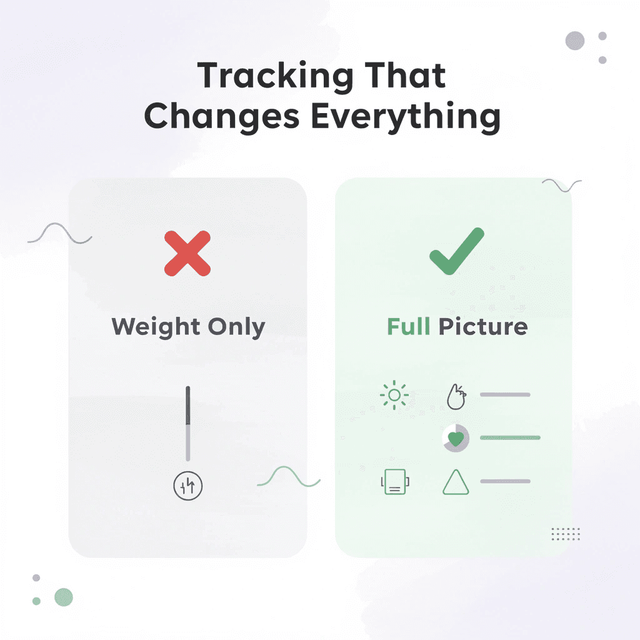
Closing that gap comes down to making the right habits easy enough to repeat. Most people on Zepbound track their weight and little else, missing the patterns that explain everything: why energy dips after a dose adjustment, why tiredness spikes when hydration drops, why progress stalls despite doing "everything right." The full picture only emerges when protein, water, movement, and dose timing are tracked together.
"The full picture only emerges when protein, water, movement, and dose timing are tracked together — yet most people on Zepbound track their weight and little else." — MeAgain Health Insight
What Most People Track | What Actually Matters |
|---|---|
Weight only | Protein intake + hydration |
Dose schedule | Dose timing + energy patterns |
General activity | Movement + recovery together |
Scale progress | Full-picture habit data |
MeAgain connects every variable that shapes how you feel on Zepbound into one place, with a personalized habit plan, a virtual companion to keep you consistent, and a Journey Card that captures milestones beyond the scale. In less than 5 minutes, you'll have a personalized habit plan that supports steady energy, healthier routines, and long-term success while taking Zepbound.
Download MeAgain today and make the habits that support healthy energy levels your favorite part of your weight loss journey.