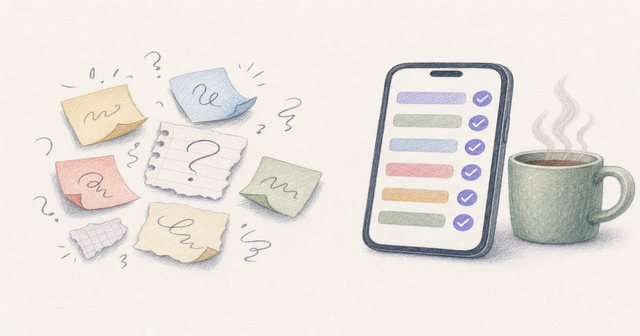

Zepbound long-term side effects. Fatigue is one of the more common complaints among people who start taking Zepbound. Midday exhaustion, sluggishness after a dose, and disrupted sleep can all interfere with training consistency, recovery, and the muscle-building progress that makes the medication worth taking in the first place. Understanding why tiredness happens on Zepbound and what drives it, helps users respond with the right adjustments rather than pushing through blindly or scaling back unnecessarily.
Tracking how the body responds over time is where most people gain an edge. Energy dips, sleep quality shifts, and recovery patterns often follow predictable rhythms once there is enough data to spot them. For anyone navigating these changes, the GLP-1 app from MeAgain makes it easier to connect the dots between dosing, nutrition, and daily performance so fatigue stops being a guessing game.
Table of Contents
- Does Zepbound Actually Make You Sleepy?
- Why Zepbound Can Leave Some People Feeling Tired
- How to Manage Fatigue While Taking Zepbound
- Don't Just Manage Fatigue on Zepbound — Manage What Causes It
Summary
- Fatigue is a documented but minority side effect of Zepbound. Clinical trial data show tirzepatide caused fatigue in up to 13% of users at the highest 15mg dose, with lower rates at 5mg and 10mg. The majority of people on Zepbound did not list fatigue as a primary complaint, and nausea ranked considerably higher, affecting up to 31% of trial participants.
- The tiredness people experience on Zepbound is often a downstream consequence of eating less, not a direct sedative effect of the drug. Zepbound suppresses appetite by mimicking the hormones GIP and GLP-1, and within 8 weeks of starting tirzepatide, participants in one study consumed nearly 200 fewer calories per meal than before treatment. Fewer calories consumed means less fuel available, and the body responds by slowing down.
- Gastrointestinal side effects compound the problem in ways that are easy to underestimate. Nausea affects up to 30% of Zepbound users, reducing both food and fluid intake and introducing mild dehydration. Dehydration alone is enough to trigger fatigue, reduced alertness, and cognitive fog, and when nausea also disrupts sleep, daytime tiredness deepens further into a compounding loop.
- Fatigue tends to peak during dose escalations and early treatment, then gradually improves as the body adjusts. Research indicates that side effects, including tiredness, significantly improved over the first year of tirzepatide treatment, with the pattern consistent across GLP-1 receptor agonists more broadly. Most people find that energy stabilizes within two to four weeks at any given dose.
- Protein intake is one of the most practical levers for managing fatigue during treatment. When appetite suppression reduces overall food intake, protein is the nutrient most likely to be crowded out, and low protein intake accelerates muscle loss during caloric restriction. Muscle loss adds to the physical heaviness and low energy that many people already associate with Zepbound side effects.
- Fatigue on Zepbound rarely exists in isolation. It tends to cluster around dose day, shift with hydration and meal patterns, and change during dose escalations. Tracking those variables together on a shared timeline turns a vague symptom into a specific, clinician-ready pattern rather than a difficult-to-describe or act-on feeling.
- MeAgain's GLP-1 app addresses this by logging dose timing, meals, hydration, and side-effect severity on a single shared timeline, making it easier to determine whether fatigue is dose-related or warrants discussion with a prescriber.
Does Zepbound Actually Make You Sleepy?
Zepbound can make you tired, but it does not work like a sedative—it doesn't cross the blood-brain barrier to turn off alertness the way a sleep aid would. People experience mild low energy, heavier fatigue, or genuine exhaustion that makes normal activities feel surprisingly draining.
"Zepbound's fatigue effect is not sedation—it operates through metabolic and appetite pathways, not the brain's alertness centers." — Clinical Distinction
Fatigue Type | What It Feels Like | Severity |
|---|---|---|
Mild Low Energy | Slightly less pep than usual | Low |
Heavier Fatigue | Noticeable drag on daily tasks | Moderate |
Genuine Exhaustion | Normal activities feel draining | High |

What is the difference between sleepiness, fatigue, and low energy?
Here's the difference: sleepiness is when you want to close your eyes, while fatigue is when your body feels like it's running on empty. Low energy sits somewhere in between—a flat, unmotivated feeling where everything takes more effort. Zepbound is more likely to cause fatigue or low energy than sleepiness, and knowing the difference helps you respond appropriately rather than pushing through or ignoring it.
What did clinical trials actually report about fatigue rates?
According to Fella Health's analysis of tirzepatide clinical trials, fatigue was reported in 11% of patients taking the 15mg dose, compared to 5% at 5mg and 6% at 10mg. This dose-dependent pattern suggests higher doses increase fatigue risk. Placebo groups reported lower fatigue rates, confirming the effect stems from the medication rather than the trial experience.
Ubie Health's review of tirzepatide adverse event data reports fatigue at rates up to 13% among clinical trial participants, confirming it as a recognized adverse reaction in FDA prescribing information. While most people on Zepbound do not experience fatigue, it has been documented in those who do.
How does tracking fatigue alongside other variables turn it into a clinician-ready insight?
Tiredness from Zepbound rarely occurs in isolation. It typically emerges around dose day and correlates with protein intake, hydration, and sleep quality. Tracking these factors together on a shared timeline, as our GLP-1 app does, transforms a vague complaint into a specific, clinician-ready insight. Instead of saying "I've been tired," you can say "my energy drops consistently 18 to 24 hours after my dose when I eat less than 80 grams of protein."
Does the Fatigue Get Better Over Time?
The evidence suggests yes, for most people. Research sponsored by Eli Lilly shows that fatigue peaks during the early weeks and dose increases, then gradually improves as the body adjusts. One study found that fatigue significantly improved over the first year of tirzepatide treatment. The body's initial response to a new hormonal signal is stronger than its long-term response: what feels alarming in week two often resolves by week eight.
When Fatigue Becomes a Red Flag
Timing and severity matter. Tiredness in the first one to two weeks of a new dose that resolves with rest and doesn't interfere with daily life is normal. Fatigue lasting longer than six to eight weeks, preventing you from performing basic tasks, or accompanied by severe dizziness, high fever, or chest pain warrants contacting your doctor. Tracking severity day by day helps distinguish which symptoms require action from those requiring monitoring.
Use this checklist to evaluate your symptoms
Use this checklist to identify where your fatigue falls. A single "yes" to any red-flag item warrants contacting a healthcare provider immediately.
Timing and Severity
- Did fatigue start within the first 1 to 2 weeks of dosing? (Expected)
- Does fatigue persist beyond 6 to 8 weeks? (May need evaluation)
- Is fatigue severe enough to prevent daily tasks? (Red flag)
Sleep and Rest
- Do you feel rested after a normal night of sleep? (Good sign)
- Do you need daily naps despite getting 7 to 8 hours of sleep? (Concerning)
- Are you waking repeatedly with chills or sweats? (Red flag)
Mood and Cognition
- Feeling tired but able to think clearly? (This is normal)
- Having trouble thinking clearly or focusing? (Consider talking to a doctor)
- Feeling sad, irritable, or having panic attacks? (This is serious and needs attention)
Physical Symptoms
- Mild muscle aches and fatigue? (Common)
- Unexplained muscle weakness or joint pain that limits movement? (Concerning)
- Severe dizziness, chest pain, or fainting? (Red flag)
Appetite and Hydration
- Is your appetite slightly reduced but stable? (This is expected.)
- Are you skipping meals, losing more than 5% of body weight in a month, or feeling dehydrated? (See a doctor.)
- Do you have ongoing nausea, vomiting, or can't keep fluids down? (This is a serious warning sign.)
Fever and Infection
- No fever or low-grade fever below 100.4°F (typical with mild immune changes)?
- Fever above 100.4°F lasting more than 24 hours (concerning)?
- High fever, chills, or visible signs of infection (red flag)?
Fatigue is a documented, dose-related side effect, though why some people experience genuine exhaustion after starting Zepbound is more complex than most expect.
Related Reading
Why Zepbound Can Leave Some People Feeling Tired
Zepbound doesn't put you to sleep like an antihistamine or sleep aid. Instead, it changes the conditions your body needs to produce energy, which can leave you feeling tired without a clear reason.
"Zepbound doesn't cause drowsiness directly. It reshapes the body's energy conditions, producing fatigue that feels real but has no obvious trigger." — Clinical Insight
Factor | What's Happening |
|---|---|
Energy Conditions | Zepbound alters how the body regulates and accesses energy |
Fatigue Type | Genuine tiredness with no clear or obvious external cause |
Mechanism | Not sedation — a quiet, systemic shift in body function |
The chain your body is actually running
Tirzepatide activates both GIP and GLP-1 receptors, slowing gastric emptying, increasing insulin release, and suppressing appetite signals in the brain. A 2023 study found that within eight weeks of starting Zepbound, participants consumed nearly 200 fewer calories at lunch alone compared to before treatment. Calories are the raw fuel your cells convert into movement, thought, and basic biological maintenance. Eat significantly less, and your body has less to work with. The tiredness many people feel on Zepbound is not a traditional drug side effect; it is the downstream result of running on a smaller fuel supply than your body is used to.
What does the clinical data actually show?
According to Ro's review of Zepbound prescribing information, fatigue was reported in up to 11% of patients taking tirzepatide in clinical trials. This statistic tells only part of the story: understanding why those patients felt tired requires following the chain of causes.
When GI symptoms make everything worse
Nausea, diarrhea, and vomiting impair comfortable eating and cause fluid loss. Healthline reports that Zepbound can cause nausea in up to 28% of users, and fluid loss from these gastrointestinal issues leads directly to fatigue, reduced alertness, and increased daytime sleepiness. Frequent bathroom trips and stomach discomfort at night disrupt sleep quality, manifesting the next day as low energy rather than nausea itself.
How does tracking GI symptoms reveal a predictable weekly pattern?
Most people track nausea as a complaint but overlook hydration levels, sleep quality, and dose timing. When you log these variables together in our MeAgain GLP-1 app, seemingly random patterns become predictable: nausea on day two post-injection, poor sleep on day three, fatigue on day four. This cycle becomes something you can anticipate and prepare for rather than one that catches you off guard each week.
Blood sugar and dose escalation
Tirzepatide lowers blood sugar, which is why Mounjaro (the same active ingredient) is FDA-approved for type 2 diabetes. Even without diabetes, Zepbound users experience blood sugar changes that cause fatigue, mental fog, and reduced physical stamina. This effect intensifies during dose escalation: each step up suppresses appetite further, deepens the caloric deficit, and shifts blood sugar dynamics before the body adjusts to the previous dose. Energy typically stabilizes within two to four weeks at any given dose, but tiredness peaks between increases.
How does tracking fatigue patterns change your clinician conversation?
Tiredness from Zepbound tends to occur on the day of dosing, improves over the week, and varies with hydration and food intake. A GLP-1 app like MeAgain links these factors into a single timeline, so when you see your doctor, you can show them a clear pattern instead of simply reporting fatigue, which makes a meaningful difference in your conversation.
Why increased activity complicates the picture
If you are following Zepbound as prescribed, you are likely increasing physical activity alongside reducing calories. Exercise creates its own energy demand, particularly during muscle recovery after unfamiliar or intensified workouts. When that demand coincides with a caloric deficit, the body has fewer resources to draw from, and fatigue compounds. Multiple systems are adjusting simultaneously, and adjustment takes weeks, not days.
Understanding why fatigue happens makes it easier to distinguish between temporary recalibration and a signal that something needs medical attention. That distinction is where the real leverage lies.
How to Manage Fatigue While Taking Zepbound
Most practical strategies for managing fatigue can start today, without waiting for a clinician appointment or a dose change.
"Most practical strategies to manage fatigue can start today — no appointment required." — Key Insight
Strategy | When to Start | Effort Level |
|---|---|---|
Prioritize sleep hygiene | Today | Low |
Increase hydration | Today | Low |
Adjust meal timing | Today | Medium |
Light movement/walking | Today | Medium |
Consult the clinician for a dose change | Scheduled appointment | Requires provider |

Why does protein matter so much for energy and fatigue?
Protein is the most underrated tool in your fatigue toolkit. When appetite suppression reduces intake, protein gets crowded out first, and that loss compounds quickly. Low protein accelerates muscle loss during caloric restriction, making you feel heavier and more tired than the scale suggests. Aim for lean sources at every meal: chicken, eggs, Greek yogurt, legumes. Small, frequent meals built around protein stabilize blood sugar and prevent mid-afternoon energy crashes.
How does hydration affect fatigue and cognitive fog?
Hydration deserves equal attention. Dehydration directly contributes to fatigue and mental fog, and GI side effects can cause you to fall behind on fluids without realizing it. Most adults need 9–13 cups of water daily; if nausea has reduced your intake, be deliberate about replacing it. Electrolytes matter too, especially sodium, potassium, and magnesium. On difficult days, a low-sugar electrolyte drink helps maintain both hydration and mineral balance.
Movement is not optional, even when you're tired
Gentle, regular movement reduces tiredness more reliably than rest. A 20- to 30-minute walk three or four times per week meaningfully shifts energy levels. Consistency matters more than intensity; benefits build over time. On days when Zepbound side effects are at their worst, even a short stretch or a slow walk around the block counts. Save harder workouts for days when you feel capable.
How can tracking patterns help you manage fatigue on tirzepatide?
Most people managing fatigue on tirzepatide track symptoms without connecting them to dose timing, meals, or hydration. Our GLP-1 app logs dose timing, meals, hydration, and side-effect severity on a shared timeline, revealing whether fatigue clusters around injection day or occurs more broadly. That visibility reduces mental load and provides concrete patterns to act on.
When to talk to your clinician, and what to say
Consider whether your tiredness is a side effect or something else is causing it.
How long should fatigue from tirzepatide last before you speak up?
According to Fay Nutrition's tirzepatide guidance, tiredness from tirzepatide typically improves within 4 to 8 weeks. If your tiredness persists beyond that timeframe or interferes with work, driving, or daily activities, contact your doctor. They may slow your dose escalation, order blood tests to check for thyroid problems or anemia, or test for sleep apnea, which occurs more frequently in people with obesity and can cause tiredness independently. Mention ongoing sleepiness unrelated to dose or day to your doctor.
How common is fatigue among people taking tirzepatide?
Medical News Today reports that fatigue was reported in about 11% of patients taking tirzepatide in clinical trials, meaning most people taking Zepbound don't experience major fatigue. Mild fatigue often improves as your body adjusts, though ongoing or severe sleepiness warrants attention.
Don't Just Manage Fatigue on Zepbound — Manage What Causes It
Tiredness from Zepbound rarely has one cause. Managing it well means tracking what you ate, how much water you drank, when you got your injection, and how your body responded. Most people track this mentally, which causes them to miss patterns and have unclear conversations with their doctor.

A GLP-1 app like MeAgain solves this problem directly. Log your dose timing, meals, hydration, and side effects on one shared timeline — so nothing slips through the cracks. When sleepiness shows up two days after your injection every week, that's critical information to bring to your provider — and MeAgain helps you see it clearly before that conversation ever happens.
"When sleepiness shows up two days after your injection every week, that's important information to bring to your provider — and the right app helps you see it clearly before that conversation happens."
What to Track | Why It Matters |
|---|---|
Dose timing | Identifies injection-related fatigue windows |
Meals & appetite | Reveals how food intake affects energy levels |
Hydration | Dehydration is a major hidden driver of tiredness |
Side effect timing | Pinpoints recurring patterns for your provider |
Download MeAgain and let the tracking do the hard work: focus on feeling better, not remembering every detail.