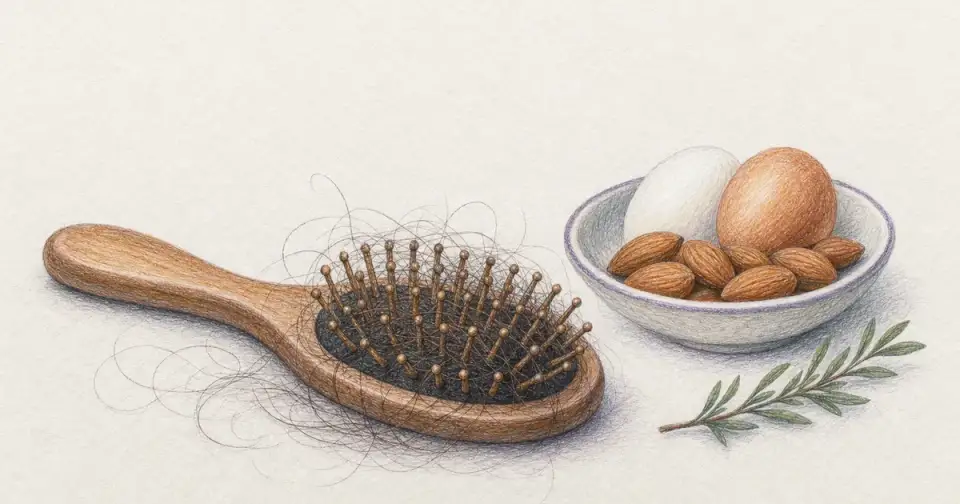

Noticing more hair in the brush or shower drain after starting Zepbound is unsettling, but it is more common than most people expect. Hair loss during Zepbound treatment is typically linked to rapid weight loss and calorie restriction rather than the medication itself, though the distinction matters when deciding how to respond. Understanding the underlying causes helps users take targeted steps to reduce shedding without abandoning a treatment that may be working well for them.
Nutrition, stress, and the body's adjustment to significant metabolic changes all play a role in how hair responds during weight loss. Practical strategies, from protein intake to supplement timing, can meaningfully reduce the risk of excessive thinning. For ongoing support with side effect management and progress tracking throughout a Zepbound journey, the GLP-1 app from MeAgain offers tools designed to keep every step informed and intentional.
Table of Contents
- Does Zepbound Actually Cause Hair Loss or Is Something Else Happening?
- Why Hair Loss Can Happen During Weight Loss on Zepbound
- How to Reduce Hair Loss While Taking Zepbound
- Turn Healthy Weight-Loss Habits Into Something You'll Actually Stick With
Summary
- Zepbound's official FDA label lists hair loss as a reported side effect, but the clinical data tell a more specific story. In SURMOUNT-1 trials, alopecia occurred in approximately 5.7% of tirzepatide users compared to 1% on placebo, yet rates stayed nearly flat across the 5 mg, 10 mg, and 15 mg dose groups (5.1%, 5.3%, and 4.9%, respectively). The pattern points to rapid weight loss as the driver, not the medication's chemistry.
- The biological mechanism behind most Zepbound-related shedding is telogen effluvium, a well-documented stress response in which significant physiological disruption simultaneously pushes large numbers of follicles into their resting phase. This can shift daily shedding from a normal 50 to 100 hairs up to 300 or more per day. Because the resting phase lasts two to three months before hairs are actually shed, the loss often appears long after the triggering event, which leads many people to blame the medication rather than the weight loss itself.
- Nutrition plays a larger role in hair loss risk than most people on GLP-1 medications realize. When appetite suppression reduces overall intake, three specific deficits tend to emerge: protein falling below 0.8 g per kilogram of body weight daily (which can double telogen effluvium risk), ferritin dropping below roughly 24 to 30 ng/mL (which shortens the follicle growth phase), and zinc declining (which disrupts the cell proliferation that feeds follicle development). These deficiencies often go undetected because they develop gradually alongside successful weight loss.
- The pace of weight loss is a stronger predictor of hair shedding than the total amount lost. In the SURMOUNT-5 head-to-head trial, Zepbound users who lost 20.2% of their body weight reported hair loss at 8.3%, while Wegovy users who lost 13.7% of their body weight reported hair loss at 6.1%. Targeting one to two pounds per week rather than maximum speed gives follicles more time to adapt alongside changes in body composition.
- For persistent shedding beyond six months, topical minoxidil is a clinically supported option, with Healthline citing regrowth support in up to 60% of users with telogen effluvium. An initial increase in shedding during the first few weeks of use is normal and not a sign of failure. Patchy, asymmetric, or scalp-inflammation-accompanied loss warrants dermatology referral, as those patterns suggest a separate process from telogen effluvium.
- Telogen effluvium is non-scarring, meaning follicles remain intact, and full recovery is expected once the triggering stressors are addressed. About 25% of people on GLP-1 medications experience some degree of hair loss, making it a common and manageable challenge rather than a signal to stop treatment. The clearest path through it involves consistent protein intake, confirmed micronutrient status, and a sustainable pace of weight loss.
- MeAgain's GLP-1 app addresses this by letting users log protein intake, dose timing, and symptoms like shedding together, so the connection between nutritional gaps and hair changes becomes visible before it becomes a larger problem.
Does Zepbound Actually Cause Hair Loss or Is Something Else Happening?
Hair loss appears in Zepbound's official prescribing information, listed in section 6.1 of the FDA-approved label (NDA 217806). But Eli Lilly's language tells a different story: the label describes hair loss as "associated with the weight reduction," not caused by tirzepatide itself. That distinction is the entire point.
"The FDA-approved label for Zepbound describes hair loss as 'associated with the weight reduction' — not as a direct drug side effect." — Eli Lilly Prescribing Information, NDA 217806
Factor | Details |
|---|---|
Label Section | Section 6.1, FDA-approved prescribing information |
Drug Application | NDA 217806 |
Manufacturer | Eli Lilly |
Official Language | "Associated with weight reduction" — not attributed to tirzepatide |
Key Distinction | Correlation vs. direct causation |

What did the clinical trials actually show?
According to Perfect Hair Health's analysis of Zepbound clinical data, hair loss (alopecia) was reported in 5.7% of people taking tirzepatide in clinical trials, compared to 1% on placebo. The SURMOUNT-1 data reveal an important pattern: hair loss rates remained consistent across the 5 mg, 10 mg, and 15 mg dose groups (5.1%, 5.3%, and 4.9%, respectively), despite increasing weight loss at higher doses. If tirzepatide were the direct cause, higher doses would result in greater hair loss. They did not. Weight loss increased with higher doses, suggesting physical stress from rapid changes in body composition as the underlying driver.
What does the head-to-head comparison with Wegovy reveal?
The SURMOUNT-5 head-to-head comparison with Wegovy reinforces this pattern. At maximum tolerated doses, Zepbound users lost 20.2% of body weight and reported hair loss at 8.3%, while Wegovy users lost 13.7% of body weight and reported hair loss at 6.1%. Greater weight loss correlates with higher shedding rates, not the drug's chemistry.
What condition is responsible for the shedding?
The condition behind most Zepbound-related shedding is telogen effluvium, a physiological response in which significant physical stress pushes a large number of hair follicles simultaneously into their resting phase. As MEDvidi reports, telogen effluvium can cause loss of up to 300 hairs per day, compared to the normal 50 to 100. The shedding spreads across the whole scalp rather than in patches, appearing in the drain, on your pillow, and in a thinning ponytail. The process is temporary and fully reversible once the triggering stress stabilizes.
Why does the shedding appear months after starting Zepbound?
Hair follicles do not shed immediately after a stressor. There is a delay of roughly two to four months between the triggering event (rapid weight loss) and the onset of visible shedding. This delay catches many Zepbound users off guard: three months into successful weight loss, their hair starts coming out in handfuls. The medication gets blamed because it is the most visible variable, but the biology points elsewhere.
How the hair growth cycle explains the timing
Hair follicles cycle through active growth (anagen), transition (catagen), and rest (telogen). Major physical stress, such as rapid weight loss, signals many follicles to stop growing early and enter the resting phase simultaneously. Shedding typically begins two to four months after the triggering event, which is why many people on Zepbound notice increased hair loss around the three-month mark. This delay makes the connection easy to miss.
Most people manage this by treating symptoms separately: hair loss here, dose timing there, protein intake elsewhere. Our GLP-1 app, built for Zepbound users, connects these dots by logging protein intake, weight changes, and side effects in one place, making the timeline between rapid loss and the onset of shedding visible rather than guessed at. Erin Seprish, RDN, MeAgain's Nutrition Lead and a GLP-1 user herself, consistently identifies protein as one of the most trackable protective factors during rapid weight loss, and research supports that framing.
How do you know if telogen effluvium is the explanation?
If hair shedding starts within two to three months after significant weight loss, spreads across the scalp in a diffuse pattern rather than concentrated patches, and gradually slows as weight stabilizes, telogen effluvium is almost certainly the cause. Seek medical evaluation if shedding continues beyond six months, if you notice bald patches or scalp inflammation, or if the pattern is patchy rather than diffuse, which may signal androgenetic alopecia that the weight loss has unmasked rather than caused.
According to a 2026 systematic review published in GLP-1 therapies and hair loss research via PubMed, GLP-1 receptor agonists cause an average weight loss of 5 to 15% of body weight, a range consistently identified as a trigger for telogen effluvium. This is a predictable biological event for a meaningful portion of users.
What happens when telogen effluvium overlaps with genetic hair loss?
The picture becomes more complicated when telogen effluvium overlaps with androgenetic alopecia, the hereditary form of hair loss. Rapid weight loss can reveal a previously hidden genetic tendency, creating the impression of sudden, permanent loss when two separate processes occur simultaneously. If shedding follows a patterned distribution (receding temples, thinning crown) rather than diffuse thinning, or if it continues beyond six months without stabilizing, consult a dermatologist. But the real question most people never ask is why the body treats weight loss as a threat in the first place.
Related Reading
- Zepbound Long Term Side Effects
- Does Zepbound Make You Sleepy
- Zepbound Not Working
- Do You Have To Take Zepbound Forever
- Why Am I Still Hungry On Zepbound
- How Many Calories Should I Eat On Zepbound
- What to Expect After First Dose of Zepbound
- Does Zepbound Give You Energy
- Zepbound Long-Term Side Effects
Why Hair Loss Can Happen During Weight Loss on Zepbound
When your body loses weight very quickly, it thinks there is an emergency and that there are not enough resources. It redirects energy toward vital organs and away from functions it considers optional—like hair growth. Hair follicles receive the signal to stop and rest. According to Ubie Health's science breakdown of Zepbound hair loss, up to 50% more hair than normal can shift into the telogen (resting) phase during rapid weight loss, triggering telogen effluvium. Since the resting phase lasts two to three months before hairs shed, hair loss becomes visible well after the weight has already dropped.
"Up to 50% more hairs than normal can shift into the telogen (resting) phase during rapid weight loss, triggering telogen effluvium—with shedding appearing months after the weight has already dropped." — Ubie Health
Factor | What Happens | Timeline |
|---|---|---|
Rapid weight loss begins | Body redirects energy away from hair follicles | Week 1–4 |
Telogen (resting) phase | Up to 50% more hair than normal stops growing | Weeks 2–8 |
Visible hair shedding | Hair sheds after the resting phase ends | 2–3 months later |

What's actually happening inside the follicle
Under normal conditions, about 90,000 of your 100,000 scalp hairs are actively growing. After a major stress trigger, that number can drop below 50,000, pushing the resting population above 50,000 simultaneously. Three months later, those resting hairs shed together, creating sudden hair loss despite the trigger occurring much earlier.
How does the hair cycle shift after a stress trigger?
Normal | After Stress Trigger | |
|---|---|---|
Growth phase (anagen) | 90,000 hairs | fewer than 50,000 hairs |
Resting phase (telogen) | 10,000 hairs | more than 50,000 hairs |
Daily shedding (3 months later) | approx. 100 hairs/day | more than 500 hairs/day |
Why does rapid weight loss amplify disruption to the hair cycle?
Zepbound causes the biggest weight loss of any approved weight-management medicine in the US. On the 15 mg dose, people lost an average of 20.9% of their weight in SURMOUNT-1 and up to 26.6% in SURMOUNT-3. Rapid, dramatic weight loss disrupts the hair cycle. According to a 2026 systematic review published in PMC, hair loss was reported in 5.7% of patients treated with tirzepatide in clinical trials, reflecting the biological cost of rapid changes in body composition.
Why nutrition is the hidden amplifier
Eating too few calories can cause your body to lack three nutrients essential for healthy hair. First, protein: hair is made up of about 90% keratin, and getting below 0.8 g per kilogram of body weight each day doubles your risk of telogen effluvium (a type of hair loss). Second, iron and ferritin: when levels drop below 24–30 ng/mL, your hair's growth phase shortens, and women face heightened risk due to losses from menstruation. Third, zinc: people with telogen effluvium often have lower zinc levels because zinc supports skin cell growth and division, which are essential for hair follicle development.
Why does not everyone experience this equally?
Individual risk is not random. The rate of weight loss, baseline nutritional status, genetics, and overall health determine whether someone sheds a lot of weight or barely notices a change. Hormonal shifts add another layer: as fat tissue decreases, estrogen production changes because adipose tissue participates in hormone metabolism. Elevated cortisol from physiological stress deactivates hair follicle stem cells directly, pushing more follicles into the resting phase independent of nutrition. Two people on the same dose, losing similar amounts of weight, can have completely different experiences with hair shedding.
Telogen effluvium vs. androgenetic alopecia: the fork that changes everything
The type of hair loss you experience determines what happens next and what you should do. Telogen effluvium, triggered by rapid weight loss, is diffuse: hair thins across the entire scalp rather than receding at the temples or crown. You notice it in the drain, on the pillow, in a suddenly lighter ponytail. Androgenetic alopecia follows a fixed pattern and worsens without treatment. The two can occur simultaneously, and weight-loss-triggered shedding can unmask a previously invisible hereditary predisposition. Knowing which one you're dealing with is the first decision point.
How do the two types of hair loss compare at a glance?
Feature | Telogen Effluvium | Androgenetic Alopecia |
|---|---|---|
Pattern | Diffuse, across the whole scalp | Patterned (receding temples, crown, part) |
Course | Acute begins 2 to 4 months after the trigger | Gradual, progressing over years |
Reversible? | Yes, almost always completely | No, progress without treatment |
Trigger | Rapid weight loss, stress, nutrient deficiency | Genetic predisposition, DHT sensitivity |
How can tracking your Zepbound journey reveal the pattern behind shedding?
Most people tracking their Zepbound journey notice hair shedding without linking it to dosing timing, weight-loss rate, or protein intake. When those signals exist in separate places, the pattern remains hidden. Our MeAgain GLP-1 app consolidates dose history, weight trends, protein goals, and side-effect logs into a single view, so you can see and act on the connection between rapid weight loss and the start of shedding.
Is the hair loss permanent?
For most people, hair loss from weight loss is not permanent. Telogen effluvium almost always fully reverses without treatment. After the trigger resolves, hair regrowth typically begins 3 to 6 months later, growing at roughly half an inch per month, with full recovery taking over a year. No published statistics exist on persistent hair loss from tirzepatide; if permanent cases were occurring at any notable rate, they would surface in pharmacovigilance data. The FAERS reporting database shows a statistically significant signal for tirzepatide (reporting odds ratio of 1.73), but the absence of documented cases of permanent loss suggests that the risk of irreversible shedding remains rare.
When to bring in your healthcare provider
Not everyone on Zepbound experiences hair loss, and the severity depends on the rate of weight loss, baseline nutrition, genetics, and overall health. If inadequate protein is the cause, increase daily intake to at least 1.2 grams per kilogram of body weight. Low iron or ferritin requires medical intervention. For zinc deficiency, targeted supplements can help, but get tested first to avoid excess intake.
Ask for a nutrition panel when you're losing significantly more than the normal 50 to 100 hairs per day, it persists beyond six months, or you experience tiredness, brittle nails, or unusual sensitivity to cold—all signs that your body is missing essential nutrients rather than undergoing a temporary hair cycle reset. Knowing what's causing the problem is only half the answer; what you do about it and when you do it determines whether you improve quickly or remain stuck.
How to Reduce Hair Loss While Taking Zepbound
Most hair shedding related to Zepbound responds well to targeted, evidence-based adjustments without requiring you to stop your medication or abandon your progress.
"Hair loss during rapid weight loss is typically a temporary, self-limiting condition — the right adjustments can meaningfully reduce shedding without compromising your treatment outcomes." — Clinical Evidence Review
Intervention Type | Goal | Expected Outcome |
|---|---|---|
Nutritional adjustments | Support follicle health | Reduced shedding over time |
Protein intake optimization | Prevent deficiency-driven loss | Stronger hair retention |
Evidence-based supplements | Fill micronutrient gaps | Improved regrowth cycle |
Medication consultation | Rule out other causes | Targeted treatment plan |

Protein Is the Non-Negotiable Starting Point
Protein is the single most important thing you can control. Keratin, the structural protein that makes up each hair strand, depends entirely on the amino acids you eat. When caloric intake drops sharply on Zepbound, protein often suffers first. Obesity medicine guidelines recommend 1.2 to 1.6 grams per kilogram of body weight daily during active weight loss, spread across multiple meals to maximize absorption. If appetite suppression makes that difficult, smaller protein-forward meals—such as Greek yogurt, eggs, edamame, or a clean protein shake—can close the gap without requiring large portions.
Why should you test for deficiencies before you supplement?
The failure point for most people is taking supplements without a plan rather than fixing confirmed deficiencies. Ferritin below 30 ng/mL is a well-known trigger for telogen effluvium even without full anemia, and zinc and vitamin D deficiencies follow a similar pattern. Get your ferritin, zinc, vitamin D, and thyroid levels checked before adding anything to your routine. Excess zinc competes with iron absorption, worsening the problem.
How can tracking help you catch nutrient gaps early?
Most people keep a rough mental note of what they ate and hope it was enough. Appetite suppression on Zepbound is unpredictable, and a few low-protein days in a row are easy to miss until the evidence shows up in your shower drain six weeks later. A GLP-1 app built specifically for Zepbound users, like MeAgain, lets you log protein alongside your doses and symptoms in one place, so patterns become visible before they become problems.
Pace Your Weight Loss Deliberately
Losing weight quickly is a stronger sign of telogen effluvium than the total amount lost. Aim to lose one to two pounds per week, giving your hair follicles time to adjust alongside your body. If you're losing weight faster than that, consult your doctor about slowing your weight loss plan. According to Fella Health, about 25% of people taking GLP-1 medications like Zepbound experience hair loss, demonstrating that this is a common, manageable problem rather than a rare side effect.
When Medical Intervention Makes Sense
If shedding persists beyond six months after addressing nutrition and pace, topical minoxidil is a reasonable option. Healthline reports that minoxidil in a 2% or 5% solution helps hair regrow in up to 60% of users with telogen effluvium, though initial shedding during the first few weeks is normal. Consult a dermatologist if hair loss is patchy, uneven, or accompanied by scalp inflammation, which may indicate a condition other than telogen effluvium. Since telogen effluvium does not cause scarring, full recovery is expected once you address the underlying stressors. Knowing what to do and building habits that stick across months of changing doses, shifting appetite, and fluctuating energy presents a different challenge.
Turn Healthy Weight-Loss Habits Into Something You'll Actually Stick With
Building healthy habits is simple in theory: eating enough protein, drinking water, and tracking nutrition all matter. The hard part is doing them reliably across weeks of suppressed appetite, shifting energy levels, and dose adjustments that change how your body feels day to day.
"The challenge isn't knowing what healthy habits to build—it's maintaining them consistently through the physical and metabolic shifts that come with every stage of your GLP-1 journey."
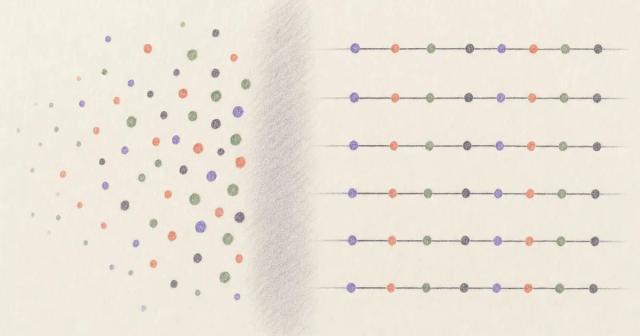
Most people on Zepbound fall short not from lack of effort, but from lack of structure. MeAgain was built for this exact gap. Our app tracks protein, fiber, water, and movement goals alongside your GLP-1 journey, so the habits that protect your hair, muscle, and nutrition don't get lost in the noise of everything else you're managing.
Habit | Why It Matters for GLP-1 |
|---|---|
Protein intake | Protects muscle mass during rapid weight loss |
Fiber goals | Supports digestion and satiety |
Water tracking | Counters dehydration from suppressed thirst cues |
Movement logging | Preserves metabolic rate and lean body composition |