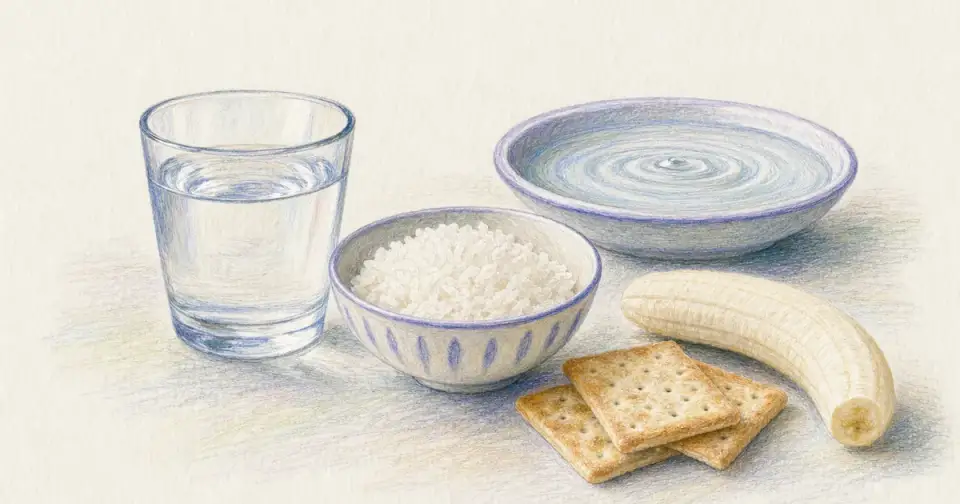

Starting Mounjaro can come with unexpected digestive side effects, and diarrhea is one of the most commonly reported. Understanding how long diarrhea lasts with Mounjaro, why it happens, and what can ease it helps people stay the course without unnecessary anxiety.
Symptoms tend to follow patterns that become easier to manage once recognized. Tracking meals, hydration, and bowel changes over time gives a clearer picture of what triggers discomfort and what helps, which is exactly what the GLP-1 app from MeAgain is built to support.
Table of Contents
- How Long Does Diarrhea Usually Last With Mounjaro?
- Why Mounjaro Causes Diarrhea and Why It Usually Gets Better
- How to Reduce Diarrhea and Know When to Call Your Healthcare Provider
- Build the Daily Habits That Help You Stay on Mounjaro
Summary
- Diarrhea is one of the most common GI responses when starting Mounjaro or increasing the dose, and it is typically temporary. According to clinical guidance, symptoms generally last a few days to two weeks following a dose change, with the SURPASS clinical trial program confirming that GI adverse events were most frequent during early escalation phases rather than throughout the entire treatment period.
- The biology behind the symptom follows a predictable pattern. Tirzepatide activates both GLP-1 and GIP receptors simultaneously, slowing gastric emptying by 30-40%. That dual-receptor action disrupts the timing and coordination of digestion, requiring the enteric nervous system to recalibrate before bowel habits stabilize. The gut lining is not damaged in this process; the body is simply adjusting to a new rhythm.
- Adaptation is real and documented. Clinical evidence indicates that GI side effects, such as diarrhea, typically improve within the first 4 to 8 weeks after starting Mounjaro as the body adjusts receptor sensitivity and reaches a new baseline for motility. However, each dose escalation partially resets that adjustment window, meaning symptoms can resurface even after weeks of feeling fine.
- Behavioral factors often extend symptoms beyond what the medication alone would cause. Large meals, high-fat foods, rapid dose escalation, and inadequate hydration are among the most consistent drivers of prolonged GI distress. People with pre-existing conditions such as IBS tend to find that each of these factors hits harder and lasts longer, making dietary adjustments particularly important during escalation periods.
- Knowing when to seek medical attention matters as much as managing symptoms at home. The National Institute of Diabetes and Digestive and Kidney Diseases notes that diarrhea lasting more than two days in adults warrants a call to a healthcare provider. Bloody stools, severe cramping, fever, or signs of significant dehydration sit outside the self-management window entirely and require prompt clinical evaluation.
- Most people track their symptoms by memory, which compresses and distorts the picture, especially during stressful episodes. MeAgain's GLP-1 app addresses this by logging dose timing, food intake, hydration, and bowel changes in one place, making correlations visible across weeks rather than relying on recall during clinician conversations.
How Long Does Diarrhea Usually Last With Mounjaro?
Diarrhea after starting Mounjaro or increasing the dose is not a sign the medication is wrong for you. It's one of the most common adjustment responses as your body adapts to tirzepatide, and for most people, it's temporary. The critical difference is between expected short-term disruption and symptoms that need clinical attention.
"Diarrhea is one of the most common adjustment responses to tirzepatide, and for most people, it resolves as the body adapts to the new dose." — MeAgain Health

According to The Care Pharmacy, diarrhea typically lasts a few days to two weeks when starting Mounjaro or increasing the dose. This time window matches exactly when your gastrointestinal system is under the most stress from the new dose, and it gets better as your gut adjusts to the changed motility and digestive signaling tirzepatide produces. The SURPASS clinical trial program showed GI adverse events were most frequent in the early weeks of each escalation phase — not throughout the entire treatment period.
Phase | When GI Symptoms Peak | Expected Duration |
|---|---|---|
Starting Mounjaro | First 1–2 weeks | A few days to 2 weeks |
Dose Escalation | Early weeks of the new dose | Temporary, dose-specific |
Stable Dose Period | Minimal ongoing symptoms | Resolves as gut adjusts |
What does the symptom timeline actually look like week to week?
Symptoms peak around days three to five after a weekly injection, then ease toward the end of the cycle. By the next injection, many people feel noticeably better. This cycle can repeat when the dose increases, but it generally shortens with each escalation as the body builds tolerance. What feels like a crisis on day four often resolves by day seven without intervention beyond hydration and lighter meals.
Most people struggle to see this pattern while living through it. Our MeAgain GLP-1 app lets you log bowel changes alongside injection timing, food choices, and hydration in one place, making the pattern visible. That connected data gives you something concrete to bring to your prescriber, rather than a vague sense that "things have been rough."
When does diarrhea on Mounjaro cross the line into a concern?
Mild to moderate diarrhea in the first one to two weeks after a dose change is normal. Contact your prescriber if symptoms persist beyond two weeks, become severe enough to prevent eating, or show signs of dehydration (dizziness, dark urine, rapid heart rate). Stepping back to a lower dose temporarily is a recognized medical strategy. Many people who reduce from 10mg to 7.5mg for a few weeks, then increase more slowly, find the second attempt significantly easier.
Does each dose increase reset the adjustment process?
Your body adapts to each dose individually. Moving from 5mg to 7.5mg successfully doesn't guarantee an easy transition to 10mg. Each dose increase requires your body to readjust, which is why stomach problems can resurface even after weeks of feeling fine. Understanding this ahead of time helps you contextualize what's happening. Instead of assuming "something is wrong," you can tell your doctor "I'm adjusting to a new dose, and here's what I'm tracking."
Related Reading
- Why Does Tirzepatide Cause Nausea
- Does Mounjaro Cause Joint Pain
- How Long Does It Take For Mounjaro To Suppress Appetite
- Foods To Eat On Wegovy
- Can Being Hungry Make You Nauseous
- Semaglutide Foods To Avoid
- Mounjaro Stomach Pain Relief
- How To Relieve Nausea From Semaglutide
- Does Nutrafol Help With Weight Loss
- Semaglutide Gas Pain
- Semaglutide And Acid Reflux
- How To Stop Sulfur Burps On Wegovy
Why Mounjaro Causes Diarrhea and Why It Usually Gets Better
Tirzepatide works on two receptor systems simultaneously: GLP-1 and GIP, making it more effective than earlier GLP-1 medications and causing more noticeable digestive changes. GLP-1 receptor activation slows gastric emptying, the rate at which food moves from your stomach into your small intestine. According to The Care Pharmacy, Mounjaro slows gastric emptying by 30 to 40%, directly disrupting the timing and coordination of digestion. When food stays longer in the stomach and moves through the intestines in different patterns, the colon receives unfamiliar signals, and bowel habits change.
"Mounjaro slows gastric emptying by 30 to 40%, directly disrupting the timing and coordination of digestion." — The Care Pharmacy
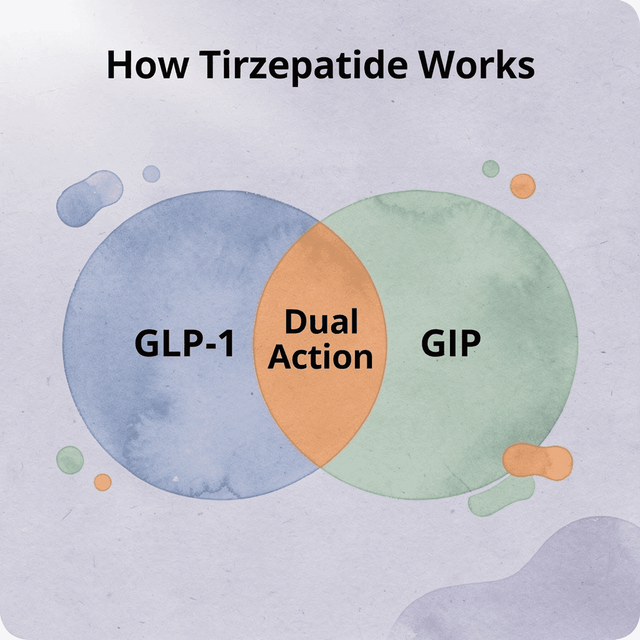
What happens in your gut when both receptor systems activate together?
The GIP receptor adds another layer by influencing nutrient absorption and gut hormone signaling. When both receptor systems activate together, the enteric nervous system (the network of neurons lining your gut) must recalibrate. This recalibration period is where diarrhea occurs—not from intestinal damage or gut lining erosion, but from your nervous system learning a new rhythm.
How long does it take for diarrhea to improve on Mounjaro?
The enteric nervous system can adapt and change. Clinical evidence indicates that gastrointestinal side effects, such as diarrhea, typically improve within 4 to 8 weeks after starting Mounjaro, according to The Care Pharmacy. Receptor sensitivity adjusts, gut motility finds a new baseline, and hormonal signaling becomes more predictable. Most people who maintain consistent dosing reach this steadier state.
What makes symptoms last longer than they should?
The failure point is usually behavioral, not biological. Large meals overwhelm a stomach already emptying more slowly than before. High-fat foods are particularly disruptive because fat is the macronutrient most sensitive to GLP-1-mediated gastric slowing; a heavy, greasy meal can trigger sharp GI distress even weeks into treatment. Rapid dose escalation compresses the adaptation window before the gut stabilizes at the current level. Dehydration compounds everything, as loose stools accelerate fluid loss and inadequate water intake destabilizes the intestinal environment. People with pre-existing GI conditions, including IBS or motility issues, often experience these factors more severely and for longer.
Why does tracking symptoms across your cycle reveal the real pattern?
Most people manage symptoms by changing meals and staying hydrated. But tracking them alone misses the pattern. When you record your dose day alongside what you ate, how much water you drank, and when symptoms appeared, a clear picture emerges: the diarrhea is not random but a response to specific inputs at a specific point in your cycle. Our GLP-1 tracking app makes that connection visible across weeks, not just in memory. When you meet with your prescriber, you present data rather than guessing about triggers.
When do symptoms signal something that needs medical attention?
Diarrhea that starts after you increase your dose or follows a large fatty meal is almost always part of the adjustment pattern. However, certain signs fall outside that pattern: blood in the stool, severe stomach cramping, fever, or inability to keep fluids down are not adjustment symptoms and require prompt medical evaluation rather than dietary changes. Knowing where that line sits gives you accurate decision criteria, so you neither panic over normal adjustment nor dismiss something that genuinely needs attention.
Related Reading
- How to Prevent Hair Loss on Ozempic
- Semaglutide Protein Intake
- How to Fix Ozempic Face Naturally
- Wegovy Injection Site Pain
- Does Mounjaro Make You Sleepy
- Does Semaglutide Give You Energy
- Wegovy Insomnia
- How to Combat Wegovy Fatigue
- Tirzepatide Muscle Aches
- How to Get Wegovy Out of Your System Faster
- Does Semaglutide Affect Hormones
- Constipation on Wegovy
How to Reduce Diarrhea and Know When to Call Your Healthcare Provider
Treatment works best when it targets the actual cause. Diarrhea during Mounjaro use rarely has a single origin, and the intervention depends on what is driving it.
"Diarrhea during Mounjaro use rarely has a single origin — targeting the root cause is the most effective path to relief." — Clinical Insight
Potential Cause | Recommended Intervention |
|---|---|
Dose adjustment period | Stay hydrated, eat bland foods, monitor symptoms |
Dietary triggers | Avoid high-fat or high-sugar foods around injection day |
GI sensitivity | Speak to your healthcare provider about timing or dosage |
Dehydration risk | Increase fluid intake immediately |
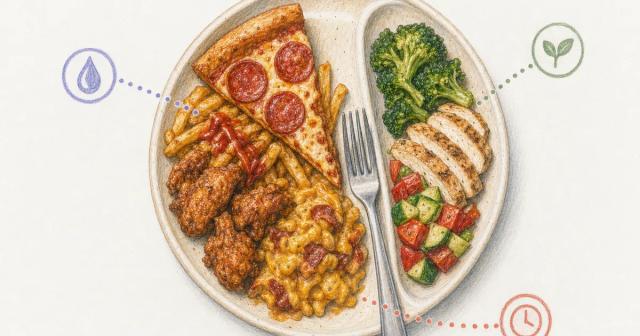
How do large meals and eating habits make symptoms worse?
Large, fatty meals are a consistent trigger because tirzepatide slows gastric emptying. Heavy meals remain in your stomach longer, creating pressure, urgency, and loose stools. Switch to smaller portions and lower-fat foods: grilled protein instead of fried, steamed vegetables instead of creamy sides. Eating speed matters equally; consuming food quickly worsens symptoms because your gut receives a large amount before it can regulate movement. Slowing down, chewing thoroughly, and stopping before feeling completely full are simple changes that improve how your digestive system responds to the medication.
Why is hydration more complicated than just drinking water?
Many people taking GLP-1 therapy don't realize how serious dehydration can be during stomach and digestive problems. When nauseous or experiencing diarrhea, people often consume only broth. However, replacing lost fluids and electrolytes requires a deliberate strategy: water alone is insufficient. Regular water doesn't restore the sodium, potassium, or glucose lost through frequent loose stools. Oral rehydration solutions or low-sugar electrolyte drinks can address this gap. According to the National Institute of Diabetes and Digestive and Kidney Diseases, if diarrhea persists beyond two days in adults, contact a healthcare provider. Active hydration management is essential, not optional.
Barrier | Solution | Why it Works |
|---|---|---|
Nausea | Smaller meals | Reduces gastric distension while stomach emptying is slowed |
Constipation | Hydration + fiber (as appropriate) + movement | Supports bowel motility and stool consistency |
Reflux | Avoid large evening meals | Reduces delayed gastric volume before lying down |
Fatigue | Adequate calories, protein, and hydration | Helps prevent energy deficits during appetite suppression |
Persistent symptoms | Discuss slower dose escalation with your clinician | Gives the digestive system more time to adapt |
When the dose itself is the problem
Dose escalation is the most predictable trigger for GI flare-ups. The FDA prescribing guidance for tirzepatide recommends gradual titration because the gut needs time to adjust at each new dose level. If symptoms become severe or persistent after increasing the dose, discuss extending the current dose or adjusting injection timing with your clinician rather than skipping doses on your own. Skipping treatment without guidance often intensifies side effects when treatment resumes, as the gut loses any adaptations it has built.
Why does tracking symptoms help your clinician make better decisions?
Most people manage symptoms by memory: roughly recalling what they ate, when they injected, and how much water they drank that day. Memory compresses and distorts, especially under stress. A GLP-1 app like MeAgain logs dose timing, food intake, hydration, and symptoms in one place, making patterns visible rather than speculative. When your clinician asks whether symptoms correlate with injection day or meal composition, a logged record transforms that conversation from guesswork into a productive clinical review.
When should you seek medical help for diarrhea on Mounjaro?
Diarrhea that persists longer than expected, disrupts your daily life, or prevents adequate fluid intake requires medical evaluation. Do not stop taking Mounjaro without consulting your prescriber first: stopping it removes the benefits and may not resolve the issue, especially if the cause is dietary rather than medication-related. Decisions to pause, reduce, or continue taking it should be made with your doctor.
Which symptoms require urgent medical evaluation?
Bloody stools, severe stomach cramping, fever, signs of dehydration such as dizziness or reduced urination, or persistent vomiting require urgent medical evaluation. These warning signs indicate something more serious than GI adjustment. While Mounjaro-related diarrhea is almost always temporary and improves with appropriate changes, treatment depends on identifying the underlying cause.
Managing the symptom is only part of the answer; what you build around it each day determines whether you stay on track.
Build the Daily Habits That Help You Stay on Mounjaro
Most people stop Mounjaro not because tirzepatide stopped working, but because managing side effects, tracking meals, staying hydrated, and hitting protein targets become hard to keep up with without a plan. The habits that reduce stomach and digestive symptoms and support your body between injections are simple—doing them consistently is the hard part.
"The habits that reduce stomach and digestive symptoms and support your body between injections are simple—doing them consistently is the hard part."
Daily Habit | Why It Matters on Mounjaro |
|---|---|
Tracking meals | Identifies foods that trigger digestive symptoms |
Staying hydrated | Reduces nausea and supports GI comfort |
Hitting protein targets | Protects muscle mass during weight loss |
Logging symptoms | Reveals patterns between injections |

That's where MeAgain fits. Our GLP-1 app transforms your daily routine into a trackable, rewarding experience with a personalized Journey Card that connects your food, water, movement, and symptom patterns over time. You'll enter every clinician conversation with real data, not guesses. Setup takes less than five minutes.