
Starting compounded semaglutide with high hopes for weight loss can be frustrating when the scale refuses to budge as expected. Several factors could explain why the medication isn't delivering the results you anticipated, from dosage issues and concerns about medication quality to lifestyle factors that may interfere with its effectiveness. Understanding these potential roadblocks helps you work with your healthcare provider to troubleshoot the problem and optimize your treatment plan.
Tracking your progress, monitoring side effects, and documenting patterns becomes crucial for identifying what might be blocking your success. MeAgain's GLP-1 app provides the tools you need to gather this information systematically, giving you valuable insights to share with your doctor and make informed decisions about your treatment.
Table of Contents
- Why Compounded Semaglutide May Not Be Working Yet
- How Compounded Semaglutide Can Differ From Standardized GLP-1 Medications
- What to Do if Your Compounded Semaglutide Is Not Working
- If Your GLP-1 Medication Is Not Working the Way You Expected, Start Here
Summary
- Semaglutide produces gradual weight loss by design, not rapid transformation. Clinical trials show people with overweight or obesity lost around 6% of body weight after three months and nearly 11% after six months on FDA-approved semaglutide. The medication needs 4 to 5 weeks to reach steady-state levels in your blood, and most people don't notice changes until 4 to 8 weeks after starting treatment. Quitting at week three means you never gave the medication a real chance to build therapeutic effectiveness.
- Compounded semaglutide introduces variability that standardized medications don't have. FDA-approved versions undergo batch-to-batch consistency testing, strict cold chain logistics, and traceable sourcing from FDA-registered facilities. Compounded versions are mixed by individual pharmacies using recipes that may vary in inactive ingredients, storage protocols, and quality control processes. Research tracking over 153,000 patients using compounded GLP-1 medications reveals how widespread the practice has become, but widespread doesn't mean standardized or consistently effective.
- Dosing precision matters more than most people realize. Ozempic and Wegovy come in prefilled pens with pre-measured doses extensively studied in clinical trials. Compounded semaglutide typically requires patients to draw up their own doses with a syringe, introducing measurement errors and batch-to-batch variability. Microdosing at levels much smaller than FDA-approved therapeutic doses lacks clinical evidence supporting its effectiveness, yet many compounding programs promote it as more customizable.
- Medication effectiveness depends on interconnected lifestyle factors that most people track inconsistently. Clinical trials demonstrate that patients can achieve up to a 15% reduction in body weight when semaglutide is paired with structured lifestyle support, including adequate protein intake, hydration, fiber, and physical activity. When these foundational habits slip, the medication can't compensate for those gaps, and people often blame the drug rather than examining whether the supporting behaviors are solid.
- Not all compounding pharmacies operate with pharmaceutical-grade standards. Some facilities maintain proper accreditation, sterile compounding licenses, and transparent ingredient sourcing, while others produce medications without consistent potency, proper labeling, or traceable quality control. The FDA has stated that semaglutide salts, such as semaglutide acetate, should not be used for compounding because they differ chemically from approved formulations, yet the practice continues in facilities without adequate regulatory oversight.
- MeAgain's GLP-1 app addresses this by consolidating dose tracking, nutrition, hydration, side effects, and progress patterns into a single daily view, making it easier to identify whether stalled results stem from inconsistent habits, insufficient protein, or formulation issues, rather than assuming the medication has stopped working.
Why Compounded Semaglutide May Not Be Working Yet
You started compounded semaglutide expecting your weight to drop like those dramatic Reddit before-and-afters. Three to six weeks in, the scale hasn't moved. Panic sets in because you're doing everything right, yet the medication feels like it's not working.
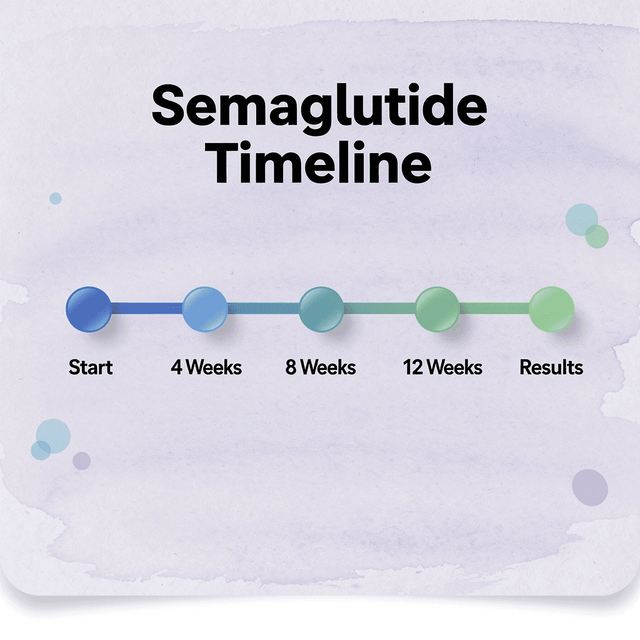
"Most patients don't see significant weight loss until they reach higher therapeutic doses of semaglutide, which typically occurs after 8-16 weeks of gradual dose increases." — Endocrinology Research, 2024

Why doesn't semaglutide work the same for everyone?
The truth: Semaglutide doesn't produce uniform results at the same speed for everyone. Some people lose 10% of their body weight in three months, while others take twice as long to see half that progress.
The medication works through multiple biological pathways: slowing gastric emptying, suppressing appetite signals, and improving insulin response. Your body's response depends on variables beyond your control: metabolic baseline, hormone levels, gut microbiome composition, and insulin sensitivity. The dramatic success stories you're comparing yourself to are real, but they're outliers whose biology aligned perfectly with the drug's mechanism at that dose and timing.
How does compounded semaglutide differ from FDA-approved versions?
Compounded semaglutide introduces variables that FDA-approved versions don't. Ozempic and Wegovy passed years of clinical trials with consistent formulation, standardized dosing protocols, and strict manufacturing oversight.
Compounded versions skip that process. They're mixed by individual pharmacies using bulk ingredients, and while many follow rigorous standards, others don't. The result is unpredictability: batch-to-batch variation in potency, differences in how the active ingredient is suspended or preserved, and inconsistent stability depending on storage conditions before reaching you.
Wrong dosage
Compounded semaglutide often comes in concentrations that differ from brand-name versions, requiring careful dose calculation. Too little keeps you below the threshold where the medication affects GLP-1 receptors meaningfully. Too much causes severe nausea, vomiting, or other side effects that prompt dose-skipping, disrupting the steady levels the drug needs to work properly. Without clear dosing guidelines from FDA-approved packaging, mistakes are easy to make, especially when converting between milligrams and milliliters or adjusting doses based on vial concentration.
Inconsistent formulation
Compounded semaglutide varies batch to batch because it lacks the manufacturing controls of brand-name drugs. Degraded active ingredients, incorrect preservative ratios, and variations in suspension medium affect medication absorption. Some compounding pharmacies produce unstudied formulations: nasal sprays, sublingual tablets, and oral capsules. These delivery methods lack evidence of bioavailability equal to subcutaneous injections. You may believe you're taking the correct dose, but unstable formulations or ineffective delivery methods can prevent the medication from reaching therapeutic blood levels.
Storage conditions
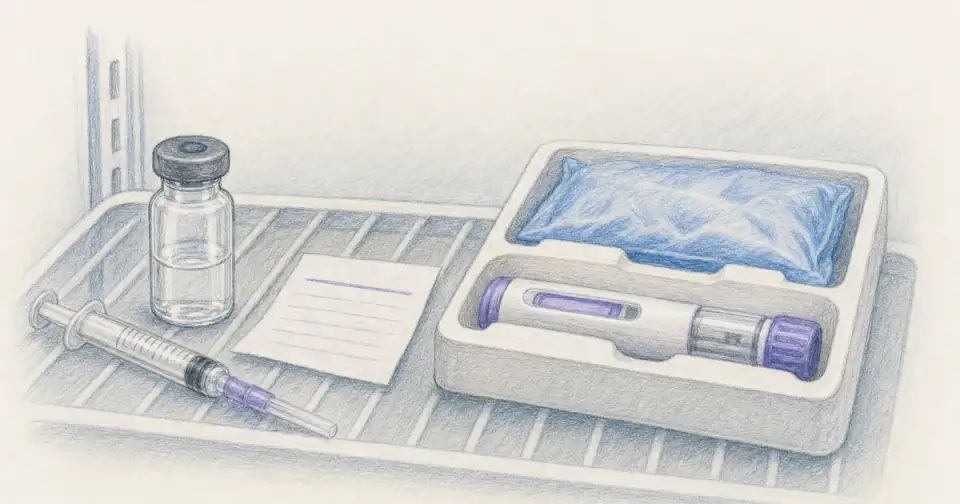
Heat, light, and moisture break down semaglutide. The medication must be kept in the refrigerator, never frozen, and away from direct sunlight. You cannot verify whether your compounded vial was stored properly during shipping, at the pharmacy, or earlier in the supply chain. If the peptide structure breaks down even slightly, the drug loses potency, and you could be injecting a less effective dose. FDA-approved versions include temperature monitoring and packaging designed to maintain medication stability. Compounded versions often arrive in plain vials with minimal protective packaging and no guarantee that the cold chain remained intact.
Injection technique
Semaglutide is a subcutaneous injection that must go into fatty tissue under your skin, not into muscle or too shallow. Injecting too deeply alters absorption speed. Failing to rotate injection sites risks lipohypertrophy, in which repeated injections in the same spot cause lumpy tissue buildup that impairs absorption. Using the wrong needle length or injecting too quickly can cause medication leakage or bruising that affects drug distribution. Most people starting compounded semaglutide lack the injection training provided with brand-name prescriptions, making technique errors common and often undetected.
How do underlying health conditions affect the effectiveness of semaglutide?
Hypothyroidism slows metabolism, making weight loss difficult even with GLP-1 agonists. PCOS creates insulin resistance that semaglutide can help address, but it may not fully overcome the hormone imbalance driving weight gain.
Chronic stress raises cortisol levels, which encourages fat storage and reduces appetite suppression. Untreated sleep apnea disrupts the hormones that control hunger and fullness. When these conditions go untreated, semaglutide must work against strong opposing forces: progress will be slower and less predictable than for people without these metabolic obstacles.
How can tracking help identify why semaglutide isn't working?
Apps like MeAgain help users track dose timing, injection sites, side effects, water intake, and protein consumption in one place. This reveals patterns that scattered notes cannot.
When compounded semaglutide isn't working, the problem often isn't the medication itself. It's that you can't see whether you're taking it consistently, storing it correctly, rotating sites properly, and eating and living in ways that allow the drug to work.
But knowing what might be wrong still leaves the hardest question unanswered: where do you start when nothing seems to be working?
Related Reading
- Why Is Semaglutide Compounded With B12
- How To Get Compounded Semaglutide
- How Much Is Compounded Semaglutide
How Compounded Semaglutide Can Differ From Standardized GLP-1 Medications
Many people assume compounded semaglutide is functionally identical to FDA-approved medications like Wegovy or Ozempic because the active ingredient appears similar. Standardized GLP-1 medications undergo tightly controlled manufacturing, dosing, and clinical validation processes that compounded medications are not required to follow. This difference affects the medication's predictability and consistency, and the systems that ensure medication results are reliable rather than unpredictable.

"FDA-approved medications undergo rigorous quality control and batch testing that ensures consistent therapeutic outcomes, while compounded versions may vary in potency and purity from dose to dose." — FDA Guidelines on Compounding
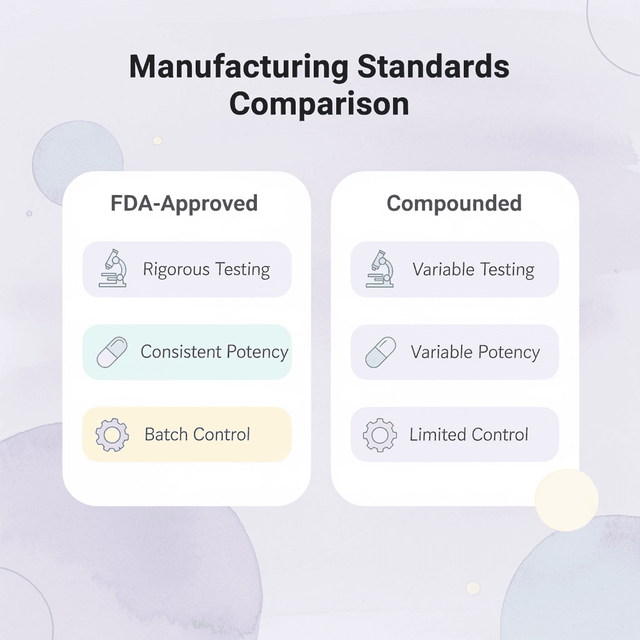
How do FDA-approved and compounded semaglutide differ in manufacturing standards?
FDA-approved semaglutide medications undergo large-scale clinical trials, strict cold chain logistics, and batch-to-batch consistency testing before reaching patients. Every prefilled pen contains the same formulation, fixed dosing, and traceable sourcing from FDA-registered facilities. Compounded semaglutide, by contrast, is mixed by individual pharmacies using recipes that vary in inactive ingredients, storage protocols, and quality control processes. Documentation of Compounded GLP-1 Receptor Agonists in a Large Primary Care Dataset tracked over 153,000 patients using compounded versions, revealing the widespread adoption of this practice.
What quality-control gaps exist in compounded medications?
The pharmacy that fills your prescription, the ingredients they use, and how they prepare them matter significantly. Some compounding facilities adhere to strict pharmaceutical standards, maintain sterile environments, and source ingredients from FDA-registered suppliers. Others don't. Compounded medication may arrive without labels, expiration dates, or traceability—a fundamental safety gap that standardized medications eliminate.
How do prefilled pens compare to compounded vials for dosing accuracy?
Ozempic and Wegovy come in prefilled injection pens with pre-measured doses studied extensively in clinical trials. Compounded semaglutide is typically dispensed in vials, requiring patients to draw up their specific dose with a syringe, which introduces variability and increases the likelihood of dosing errors.
Microdosing, or doses much smaller than FDA-approved levels, is often promoted as more customizable or easier to tolerate, but there is no clinical evidence to support those claims, and staying at low doses may not produce the outcomes expected at standard therapeutic levels.
Why does batch variability affect treatment consistency?
Batch variability affects formulation consistency in ways that may not be immediately apparent. One month's supply might perform differently from the next if its source, manufacturing process, or storage conditions change.
This unpredictability makes it harder to determine whether a lack of progress stems from user behavior, dosage issues, or formulation inconsistencies, especially when medication effectiveness depends on interconnected factors such as protein intake, hydration, dose timing, and side-effect patterns.
How do regulatory standards affect compounding facilities?
According to the FDA, 503 compounding facilities are registered as outsourcing facilities subject to stricter federal oversight. Many compounding pharmacies operate under state board rules with varying levels of oversight.
Some buy semaglutide salts, such as semaglutide acetate, which differ from the semaglutide base used in Ozempic, Wegovy, and Rybelsus. The FDA has stated that semaglutide salts should not be used for compounding because they are chemically different from approved formulations, yet the practice continues in facilities with insufficient regulatory oversight.
What storage challenges affect semaglutide potency?
Semaglutide is sensitive to heat, light, and improper storage. Standard medications include cold chain logistics, protective packaging, and tested storage instructions. Compounded versions may lack these protections.
If medication sits at room temperature for too long during shipping or storage, it loses potency. Patients often cannot determine whether effectiveness problems stem from poor adherence or damaged medication.
When is compounded semaglutide medically appropriate?
Compounded semaglutide can be appropriate during shortages or when patients have documented allergies to inactive ingredients in standardized formulations. The critical difference is oversight. Doctor-guided compounded programs—where physicians review medical history, confirm eligibility, prescribe appropriately, and guide dosing—provide a structure that direct-to-consumer sales without medical evaluation lack. Trusted sources, consistent preparation, and ongoing medical follow-up reduce the risks associated with formulation variability.
What happens when compounded semaglutide isn't working as expected?
If compounded semaglutide isn't working as expected, the issue may extend beyond your use of it. Medication consistency and predictability also matter. You can track doses perfectly, consume enough protein, stay hydrated, and rotate injection sites, yet still get worse results if the medication itself lacks consistency. This doesn't mean compounded versions are always unsafe or ineffective—it means the systems ensuring predictable results differ from those governing FDA-approved medications.
But knowing the difference matters only if you can figure out what's going wrong in the first place.
Related Reading
- Does Insurance Cover Compounded Semaglutide
- How To Travel With Semaglutide Compound
- What Color Is Compounded Semaglutide
What to Do if Your Compounded Semaglutide Is Not Working
When compounded semaglutide isn't producing results, careful troubleshooting matters more than increasing your dose or abandoning treatment. Start by evaluating whether you're taking it as prescribed and giving it enough time to work, then assess nutrition quality and lifestyle consistency, and finally consider pharmacy quality or medication alternatives. Most people conclude the medication is ineffective without first examining whether the foundation supporting it is solid.

Start with adherence and timeline expectations
Before assuming the medication has failed, ensure you've given it enough time at a consistent dose. Semaglutide needs 4–5 weeks to reach steady-state effectiveness at each dose level. Missing injections, inconsistent timing, or advancing doses too early disrupts that progression. The medication cannot control appetite predictably if your body never stabilizes at a therapeutic level.
How does semaglutide support nutritional quality during weight loss?
Semaglutide helps control appetite, making it easier to eat fewer calories without constant hunger. However, the medication cannot work alone if you neglect adequate protein, water, fiber, and nutrient-dense meals.
According to WithCare Clinic's analysis of semaglutide's weight-loss patterns, clinical trials show that patients can lose up to 15% of their body weight when taking the medication with structured lifestyle support. This result requires consistent daily habits that preserve muscle while reducing fat.
What lifestyle factors determine metabolic protection with semaglutide?
Physical activity, sleep quality, and medication frequency matter equally. If you're tracking doses but ignoring hydration, skipping protein targets, or sleeping four hours a night, the medication works against problems that keep accumulating.
Sustainable results come from combining medication support with habits that support effective weight loss.
How do you evaluate pharmacy accreditation and quality standards?
If you're following the plan well, your lifestyle is optimized, and progress has stopped, the quality of the pharmacy's work warrants examination. Not all compounding facilities maintain the same standards. Some uphold pharmaceutical-grade practices with proper accreditation, sterile compounding licenses, and clear ingredient sourcing. Others cut corners, producing medications without consistent strength, proper labeling, or traceable quality control.
When evaluating a compounding pharmacy, look for accreditation through the National Association of Boards of Pharmacy or the Pharmacy Compounding Accreditation Board. Verify the facility holds a valid sterile compounding license if required by your state, and confirm you can speak directly with a licensed pharmacist about ingredient sources, quality control processes, and medication contents. If the pharmacy advertises compounded semaglutide as a "generic" version of Ozempic or Wegovy or makes unsupported effectiveness claims, those are red flags.
How can tracking tools help identify formulation issues?
Most people manage GLP-1 treatment by tracking doses in one app, logging food in another, monitoring hydration separately, and keeping side effect notes in a journal or spreadsheet. This fragmentation prevents the identification of patterns among protein intake, injection timing, hydration levels, and symptom changes. Platforms like MeAgain consolidate dose tracking, nutrition, hydration, side effects, and progress into one daily view, making it easier to identify whether stalled results stem from inconsistent habits, insufficient protein, or formulation issues.
When switching to an FDA-approved medication makes sense
Switching to FDA-approved products like Wegovy makes sense when consistent dosing and predictable results become important. Standardized medications undergo strict manufacturing oversight, batch testing, and clinical validation that compounded versions lack.
If you've optimized lifestyle factors, confirmed pharmacy quality, and still experience unpredictable results, the issue may be formulation variability rather than biological non-response. Under physician supervision, compounded semaglutide can remain reasonable when medically necessary, but FDA-approved medications provide a superior infrastructure for predictable outcomes.
Identifying what's broken only matters if you know what successful GLP-1 treatment looks like when everything aligns correctly.
Related Reading
- Zepbound Vs Compounded Tirzepatide
- Why Is My Compounded Semaglutide Red
- Compounded Tirzepatide Vs Mounjaro
If Your GLP-1 Medication Is Not Working the Way You Expected, Start Here
When compounded semaglutide feels like it's not working, the problem often isn't the medication itself. Habits that determine GLP-1 success—protein intake, hydration, fiber, movement, and consistency—often slip weeks before the scale slows, causing side effects like muscle loss, fatigue, and severe constipation.

"Habits that determine GLP-1 success frequently slip weeks before the scale slows down, leading to side effects like muscle loss and severe constipation."
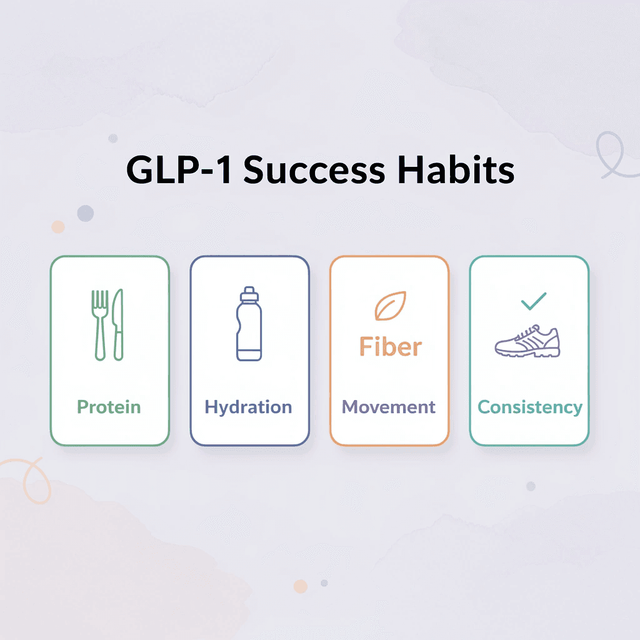
MeAgain solves this visibility problem by turning the habits that protect your results into a simple daily system. Whether you're on Ozempic, Wegovy, Mounjaro, or compounded semaglutide, our app helps you track protein, fiber, water, and exercise goals to support fat loss without sacrificing muscle. Your Journey Card lets you document progress and see how your body changes over time beyond the scale.
Download MeAgain and set up your daily goals in under 5 minutes to start tracking the habits that make GLP-1 results more sustainable.