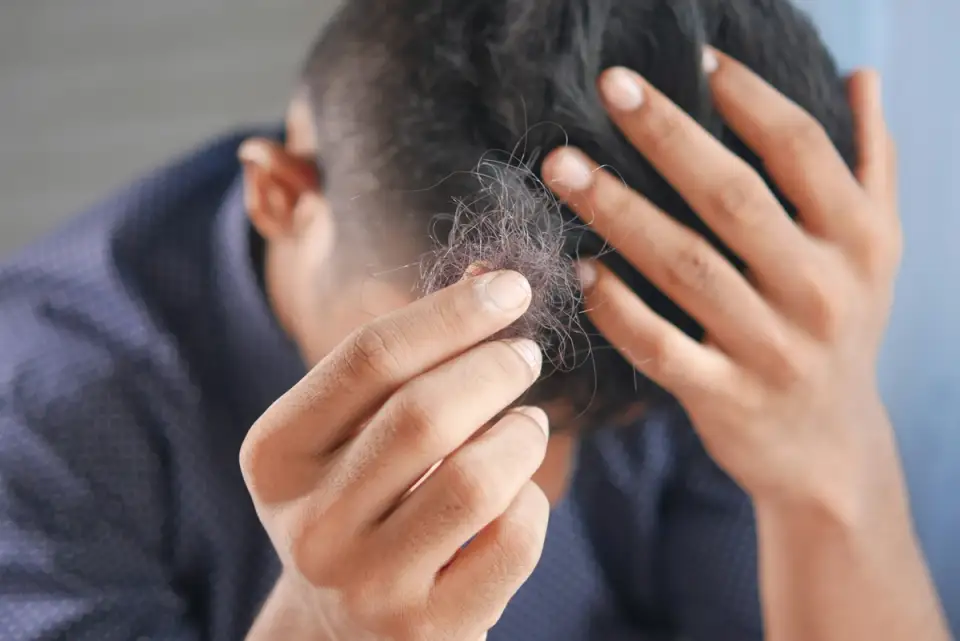

Noticing more hair in the shower drain after starting GLP-1 medication can be alarming, especially when weight loss progress feels so promising. While GLP-1 medications like Ozempic, Wegovy, and Mounjaro don't directly cause hair loss, the rapid weight changes and potential nutrient deficiencies they can trigger can lead to temporary hair thinning. Understanding the real connection between these medications and hair shedding helps separate fact from fear. Proven strategies exist to protect hair health while maintaining momentum in weight loss.
Managing hair concerns during GLP-1 treatment becomes simpler with proper nutritional support and monitoring. Optimizing protein intake, tracking essential nutrients, and making targeted lifestyle adjustments can significantly reduce the risk of hair thinning.
Table of Contents
- Does GLP-1 Cause Hair Loss, or Is Weight Loss the Real Trigger?
- Why Hair Loss Can Happen During Rapid Weight Loss
- What to Do If You're Losing Hair on GLP-1
- Don't Wait Until GLP1 Hair Loss Becomes Harder to Reverse
Summary
- Hair loss during GLP-1 treatment typically stems from rapid weight loss rather than the medication itself. A systematic review of 17 patients found patterns consistent with telogen effluvium, a stress-related shedding condition triggered by metabolic changes, not direct drug toxicity. The continued weight loss is an ongoing stressor that prevents your body from resetting the hair growth cycle, meaning shedding can continue throughout your entire weight-loss journey rather than resolving within a few weeks, as with typical telogen effluvium.
- Timing reveals what's actually happening with your hair. Shedding from GLP-1 treatment typically begins 3 to 5 months after significant weight loss, not immediately after your first injection. This delay occurs because hair follicles respond to metabolic stress by prematurely shifting into the telogen (resting) phase, then shedding hair simultaneously weeks later. If you recently increased your dose and notice more hair loss a few months afterward, that pattern supports weight-loss-related shedding rather than direct medication effects.
- Research analyzing data from almost 550,000 patients aged 12 to 89 found that shedding correlates with weight-loss velocity, not with the drug itself. When your body experiences stress from rapid weight loss and reduced caloric intake, the normal balance shifts dramatically. Instead of 10 percent of follicles in the resting phase, maybe 30 or 40 percent enter this phase together. A few months later, when those hairs complete their cycle and release, you see sudden, noticeable shedding in your brush and shower drain.
- Appetite suppression creates a compounding nutritional problem. According to Nashville Dermatology Physicians, 1 in 3 people experience hair loss on GLP-1 medications, often linked to inadequate nutrient intake during rapid weight changes. You're eating less overall, which means lower protein intake and micronutrient shortfalls (iron, zinc, B vitamins) that further impair the support system your hair needs. This cumulative effect of sustained caloric restriction impairs your body's ability to maintain nonessential functions, such as hair growth.
- Slowing your weight loss pace reduces the metabolic shock that triggers telogen effluvium. If your weight is dropping faster than one to two pounds per week and shedding began within two to four months of starting GLP-1, the physiological stress of rapid caloric restriction is likely pushing follicles into premature rest. A more gradual pace gives your body time to adapt without triggering crisis-level stress, allowing follicles to cycle normally rather than synchronizing into mass shedding.
- MeAgain's GLP-1 app centralizes dose logs, weight progression, protein intake, and side-effect patterns in one place, helping you notice whether shedding correlates with rapid-loss phases or specific dose adjustments before symptoms become severe.
Does GLP-1 Cause Hair Loss, or Is Weight Loss the Real Trigger?
Most people assume their GLP-1 medication directly causes hair loss. You start Ozempic or Mounjaro, and weeks or months later, hair appears in the shower drain, wrapped around your brush, thinning at the crown. The timing supports this conclusion.
"Rapid weight loss of more than 2-3 pounds per week can trigger telogen effluvium, a temporary form of hair loss that affects up to 40% of people experiencing significant weight reduction." — American Academy of Dermatology, 2023
What does research reveal about GLP-1 and hair loss?
While a systematic review of 17 patients documented hair loss associated with GLP-1 receptor agonist use, it remains unclear whether the medication directly caused the hair follicle damage. Rapid weight loss commonly triggers telogen effluvium, a temporary form of hair shedding, regardless of the method used. The weight loss itself appears to be the stressor, not the medication.
How is GLP-1-associated hair loss different from other types?
"GLP-1 associated hair loss is unique because continued weight loss acts as a continued 'stressor,'" explains Dr. Jenni Holman, MD, FAAD, a diplomate of the American Academy of Dermatology. Unlike a single event such as surgery or illness, ongoing weight loss slows the body's ability to reset the hair shedding cycle.
Hair may shed throughout the weight loss process rather than over a few weeks. This distinction matters because it changes how you approach both the problem and the solution.
Why does hair loss appear months after starting medication?
Research shows that telogen effluvium typically appears 3-6 months after rapid weight loss, which explains why hair shedding may not begin until you've lost 20 or 30 pounds. This delay creates confusion: you've been taking medication for months without incident, then suddenly hair falls out, making it harder to connect the shedding to weight loss rather than the drug.
GLP-1 hair loss vs. other forms of hair loss
Telogen effluvium differs from other hair loss conditions in its sudden onset and widespread scalp distribution. Androgenetic alopecia (male or female pattern baldness) typically concentrates in specific areas, such as the crown or temples, affecting up to 50% of males and becoming more common in females after menopause. It stems from age, genetics, and hormones. Alopecia areata is an autoimmune condition that creates distinct bald patches when the immune system attacks hair follicles. Tinea capitis, a fungal infection of the scalp, produces small, scaly, itchy bald spots.
How can I tell if my hair shedding is from my GLP-1?
Hair shedding from GLP-1 typically starts two to three months after beginning the medication or increasing your dose. You may notice more hair in the shower or on your brush, or observe that your hair looks and feels thinner. Unlike alopecia areata, which causes circular patches of hair loss, GLP-1-related shedding is usually spread evenly across your entire scalp. Consult your dermatologist to rule out other causes and confirm telogen effluvium.
How long does GLP-1 hair shedding last?
Telogen effluvium improves once the underlying stressor is addressed, though hair volume takes several months to return. "Generally, we can reassure patients that it's a temporary process that does tend to get better with time," says Dr. Garshick. The several-month timeline for both shedding and recovery creates genuine concern about appearance during a period of significant body changes.
How can tracking help identify the cause of hair loss?
Apps like our MeAgain GLP-1 app help users connect symptoms to dose timing, nutrition intake (especially protein), and progress patterns. By tracking medication doses, meals, protein levels, and the onset or severity of hair shedding, the app reveals whether thinning is related to a dose increase within the past 3 months or to another cause.
But if the medication isn't damaging hair follicles directly, what explains the shedding that many people notice after starting treatment?
Related Reading
- GLP-1 Plateau
- How Does GLP-1 Help You Lose Weight
- How Much Protein On GLP-1
- How Much Water To Drink on GLP-1
- Why Am I Not Losing Weight On GLP-1
Why Hair Loss Can Happen During Rapid Weight Loss
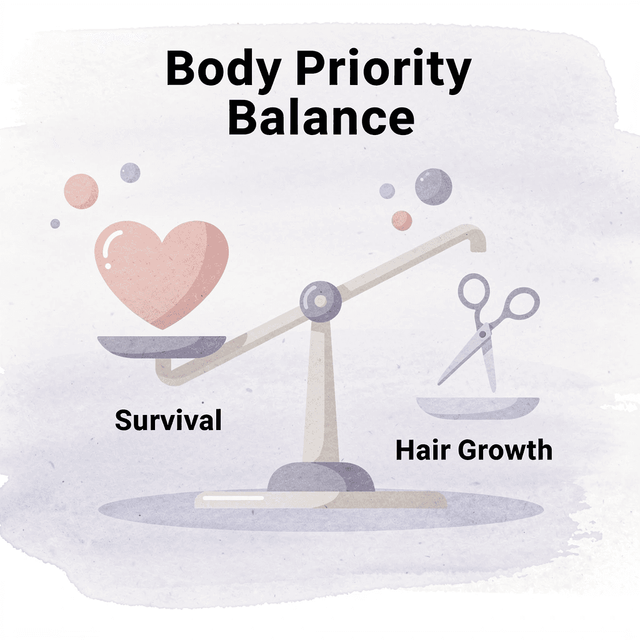
The shedding isn't caused by the medication attacking your hair follicles. Instead, GLP-1 suppresses appetite, leading to caloric restriction and metabolic stress. Your body prioritizes survival over hair growth, disrupting the normal hair growth cycle and pushing a larger proportion of follicles into their resting phase simultaneously. Weeks or months later, those hairs shed all at once, which is why you see clumps in the shower drain long after starting weight loss.
"Hair follicles are among the most metabolically active tissues in the body, making them particularly sensitive to nutritional deficiencies during rapid weight loss." — American Academy of Dermatology
How does the hair growth cycle normally work?
Your hair follicles go through three phases: active growth (anagen), transition (catagen), and rest (telogen). About 5-10% of scalp hairs are in telogen at any time, shedding as new growth pushes them out.
When your body experiences significant stress—rapid weight loss, caloric deficit, or major metabolic change—this balance shifts. A larger percentage of follicles prematurely enter telogen simultaneously, a condition called telogen effluvium. This mechanism also causes hair loss after childbirth, severe illness, or major surgery. According to Cureus, 17% of patients experienced hair loss in their scoping review of GLP-1 receptor agonists for weight loss, confirming this pattern is tied to metabolic stress from rapid weight reduction.
Why does hair loss appear months after starting treatment?
You might notice visible shedding two to three months after a stressful event, which can obscure the cause. For example, you might start GLP-1 in January, lose 15 pounds by March, then notice significant hair loss in May.
Your body registered the caloric restriction months earlier. The shedding you see now results from that earlier change in how your body works. This timing gap leads people to blame the medication itself rather than the rapid weight loss and nutritional stress that triggered the hair loss weeks before it became visible.
How do GLP-1 medications create nutritional deficiencies?
When GLP-1 medications reduce your appetite, you eat less food and consume less protein. Protein is the main building block for hair growth: your body needs sufficient amino acids to make keratin, the structural protein that forms each strand.
When protein intake drops, your body prioritizes vital functions like maintaining muscle tissue and supporting organ function, relegating hair growth to a lower priority list. Reduced food intake also leads to deficiencies in iron, zinc, biotin, and B vitamins, all of which support healthy hair growth. The combination creates a perfect storm: caloric restriction triggers telogen effluvium, while nutritional deficiencies impair your body's ability to support normal hair regeneration.
Why is tracking your intake so important during treatment?
During the adjustment period, you may feel full after a few bites, making it difficult to consume enough protein or nutrient-dense foods. This is when the risk of hair loss peaks. Tracking your intake helps ensure you're meeting your body's nutritional needs to maintain healthy hair.
When you write down meals, protein intake, and symptoms like increased shedding in one place, patterns emerge. You might notice that weeks with protein intake below 60 grams correlate with heavier shedding two months later, or that shedding worsens after your dose increases and your appetite declines.
How long does recovery take once weight stabilizes?
Once your weight stabilizes and you consume adequate calories, metabolic stress resolves. Your hair growth cycle gradually resets, with the proportion of follicles in telogen returning to normal.
Shedding slows within weeks of the trigger resolving, though visible recovery takes longer since hair grows about half an inch per month. Research from Liv Hospital indicates that weight-loss-related hair loss typically recovers within 3 to 6 months, with full density taking six to nine months as new growth fills thinned areas.
If significant shedding continues a year after starting treatment, investigate other causes such as thyroid dysfunction or hormonal imbalances, as telogen effluvium should resolve once metabolism stabilizes.
Why does knowing the cause still feel overwhelming?
But knowing why the hair loss happens doesn't make it less scary when you're watching it unfold.
What to Do If You're Losing Hair on GLP-1
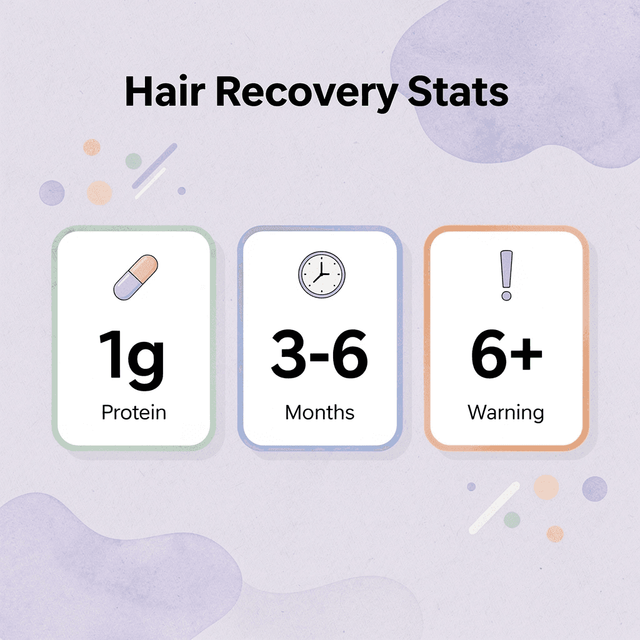
The fix depends on what's causing the shedding. If you're losing weight quickly and not eating enough protein, slow down the weight loss if safe, eat more protein (at least 1 gram per kilogram of body weight daily), and give your hair follicles time to recover. If shedding continues for more than six months after your weight and protein intake stabilize, you likely have a nutrient deficiency or underlying condition requiring evaluation by a doctor.
"Hair follicles need adequate protein and nutrients to maintain their growth cycle - at least 1 gram per kilogram of body weight daily is essential during weight loss." — Dermatology Research, 2023
Timeline | Action Required | Expected Outcome |
|---|---|---|
0-3 months | Increase protein intake, slow weight loss | Hair shedding may continue |
3-6 months | Maintain stable weight, monitor nutrition | New growth should begin |
6+ months | Consult a doctor for testing | Rule out underlying conditions |
1. Prioritize Protein
Hair is almost entirely keratin, a structural protein your body builds from amino acids. When appetite suppression makes eating difficult, protein intake often drops below the level needed to support hair growth. Your body prioritizes survival systems over cosmetic functions during nutrient shortage. Aim for around 1g of protein per kilogram of body weight daily from sources like eggs, fish, pulses, tofu, yogurt, or protein supplements. Hair follicles in the telogen phase won't reverse overnight, but adequate protein ensures new growth cycles aren't compromised by the same nutritional shortfall.
2. Ensure a Nutrient-Dense Diet
Hair that continues to shed despite adequate protein intake may indicate nutrient deficiencies. Iron deficiency prevents hair follicles from receiving sufficient oxygen. Zinc and selenium enable the chemical processes controlling hair growth. B-vitamins and vitamin D regulate cell turnover and inflammation. Omega-3 fats reduce scalp inflammation. Eat balanced meals with iron-rich foods like red meat, lentils, and spinach. Add zinc and selenium from shellfish, nuts, and seeds. Include foods rich in B vitamins and vitamin D. Wellman/Wellwoman blood tests reveal your actual nutrient levels and help you select appropriate supplements, rather than relying on basic multivitamins. If your ferritin is low, you need iron, not biotin.
3. Avoid Excessively Rapid Weight Loss
Rapid weight loss can trigger telogen effluvium by stressing your body's metabolism, pushing hair follicles into a resting phase prematurely. Slower, steady weight loss minimizes this stress. If you're losing more than 1-2% of body weight per week, consult a doctor, who can adjust your GLP-1 dosage or caloric intake. When your body experiences less stress, fewer hair follicles enter the resting phase simultaneously, reducing your risk of prolonged telogen effluvium. While this won't stop ongoing hair shedding, it can prevent new cycles from beginning.
4. Be Gentle With Your Hair
Use less heat styling, harsh chemical treatments, and tight hairstyles that stress hair follicles. Gentle scalp care products, such as caffeine- or peptide-based serums, may help create a healthier environment by improving blood flow to the scalp or reducing swelling. These steps won't stop hair loss caused by metabolic stress, but they prevent further damage that could worsen the problem.
5. Manage Stress, Sleep, and Hydration
Long-term stress raises cortisol levels, which prolong hair loss by maintaining the physiological state that triggered it. Insufficient sleep impairs growth hormone release and cellular repair. Dehydration prevents nutrients from reaching hair roots. Stress-reduction techniques—meditation, exercise, and time outdoors—combined with adequate sleep and water intake (at least 2 liters daily), support hair regrowth by removing obstacles to recovery rather than forcing the process.
But knowing what to do and catching the problem early enough to act on it are two different challenges.
Don't Wait Until GLP1 Hair Loss Becomes Harder to Reverse
Hair shedding improves when you address its root cause. If you've been tracking your GLP-1 journey through scattered notes or separate apps, you're carrying an unnecessary mental load. The habits that protect against telogen effluvium—protein intake, hydration consistency, gradual weight loss pacing—are the ones most people struggle to maintain once appetite suppression takes hold.
MeAgain brings together dose tracking, protein goals, hydration targets, and weight trends into one app built for GLP-1 users. Instead of wondering whether hair loss connects with a dose change three weeks ago or a protein shortfall last month, you can identify patterns immediately. The app helps you notice when nutrition habits slip before symptoms like increased shedding appear.
"Early intervention is key—once telogen effluvium progresses to noticeable shedding, recovery can take 3-6 months even with optimal nutrition." — Dermatology Research, 2023
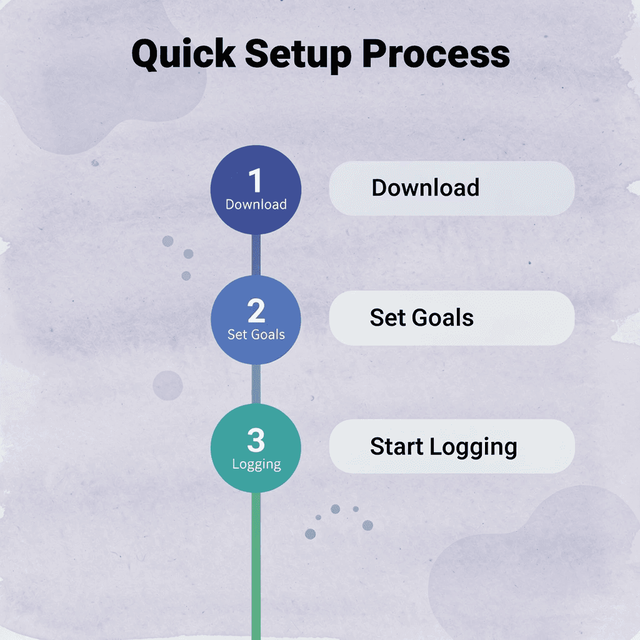
Download MeAgain, set your daily protein and hydration benchmarks, and start logging within two minutes. You'll get a personalized habit tracker that treats small, consistent actions as foundational, not afterthoughts. The Journey Card feature captures your transformation over time, so progress is measured by the routines you've built and sustained, not just the scale.
Feature | Benefit |
|---|---|
Integrated tracking | See connections between dose, nutrition, and symptoms |
Protein goals | Maintain hair-protective intake levels |
Clinical access | Get a professional evaluation when needed |
Journey Cards | Track long-term habit consistency |
If hair shedding has become a concern, the most productive step is to gain visibility into the factors you can control. Track what you're eating, how much water you're drinking, and how your weight is trending week over week. Those data points matter more than guessing and give your provider something concrete to work with if clinical evaluation becomes necessary. Start today: waiting until shedding becomes severe only narrows your options and extends recovery time.