

Starting Zepbound often means navigating an unexpected side effect: persistent fatigue that can make daily life feel harder than expected. Many people wonder how long Zepbound fatigue lasts, what is causing it, and whether there is anything they can do to feel more like themselves while staying on track with their weight loss goals.
The tiredness is usually tied to how the body adjusts to tirzepatide, reduced calorie intake, and shifts in blood sugar, and it does tend to improve with time. Tracking symptoms, spotting energy patterns, and getting personalized guidance can make a real difference, which is exactly what the GLP-1 app from MeAgain is designed to help with.
Table of Contents
- Does Zepbound Cause Fatigue?
- How Long Does Zepbound Fatigue Last?
- How to Get Rid of Zepbound Fatigue
- Don't Guess What's Causing Your Zepbound Fatigue. Track the Pattern for 7 Days.
Summary
- Fatigue is a confirmed side effect of Zepbound, not a coincidence or a nocebo effect. Clinical trial data from the SURMOUNT trials showed that fatigue was reported by 5% of participants on the 5 mg dose, 6% on the 10 mg dose, and 7% on the 15 mg dose, compared with just 3% in the placebo group. The dose-dependent pattern means fatigue tends to become more noticeable as the medication is titrated every 4 weeks upward.
- The fatigue associated with Zepbound rarely has a single cause. The medication directly suppresses appetite through GIP and GLP-1 hormone mimicry, and a 2023 study found that tirzepatide users consumed nearly 200 fewer calories per meal within eight weeks of starting treatment. At the same time, GI side effects like nausea (reported in up to 28% of users) reduce fluid and food intake, which leads to dehydration, reduced blood volume, and a compounding cycle of exhaustion that is easy to misread as a direct medication effect.
- Most Zepbound-related fatigue peaks within the first 72 hours after each injection and typically resolves within 2 to 4 weeks after starting the medication or after a dose increase, though individual responses vary. Titration resets this adjustment window each time the dose steps up, so fatigue that seemed to be fading may return temporarily. Fatigue that improves steadily, even slowly, is consistent with normal adjustment. Fatigue that never recovers between doses or that worsens progressively without any window of improvement is a different pattern worth discussing with a prescriber.
- Nutrition and hydration are the two most actionable levers when fatigue persists. Zepbound can reduce daily caloric intake by up to 500 calories, and when portions shrink dramatically, protein and complex carbohydrates are often the first casualties. Separately, GI symptoms quietly accelerate fluid loss while reducing intake, and that dehydration is frequently misattributed to the medication itself rather than identified as its own addressable problem. The recommended baseline is 9 to 13 cups of water daily, adjusted upward after any vomiting or diarrhea.
- Not all fatigue that coincides with Zepbound is caused by it. Thyroid dysfunction, iron deficiency, sleep apnea, blood sugar fluctuations, and other medications can all produce fatigue that happens to overlap with the treatment timeline. If energy levels remain consistently low past the 6 to 8 week mark despite adequate food and fluid intake, the medication may not be the primary driver, and targeted testing through a prescriber is worth initiating rather than continuing to wait it out.
- Tracking fatigue with severity ratings alongside shot day, water intake, and food intake for just seven days converts a vague complaint into a readable pattern. Fatigue that clusters in the 48 to 72 hours after injection and fades by day five points to titration adjustment. Fatigue that stays flat across the week regardless of dose timing suggests the cause lies elsewhere. That distinction changes the clinical conversation from guessing to knowing.
- MeAgain's GLP-1 app addresses this by consolidating fatigue severity, dose timing, hydration, and food intake into one daily view, so the correlation between injection day and energy level becomes visible without relying on memory.
Does Zepbound Cause Fatigue?
Yes, fatigue can occur while taking Zepbound
Fatigue is a documented side effect of Zepbound, listed in the drug's official prescribing information alongside GI symptoms and injection site reactions. According to Healthline, fatigue was reported in up to 11% of people taking Zepbound in clinical trials. If you feel unusually tired after starting Zepbound, the medication is a legitimate suspect.
Does fatigue increase as the Zepbound dose goes up?
In the SURMOUNT trials, 5% of participants on the 5 mg dose reported fatigue, 6% on 10 mg, and 7% on 15 mg, compared to 3% in the placebo group. This dose-dependent pattern is evident: fatigue reports increase with dose. This matters during titration, when your dose increases every four weeks, as symptoms often become more noticeable at these intervals.
Dose | Participants | Reported Fatigue |
|---|---|---|
958 | 3% | |
5 mg | 630 | 5% |
6 mg | 948 | 6% |
15 mg | 941 | 7% |
Is Zepbound fatigue always caused by the medication directly?
Zepbound fatigue rarely stems from a single cause. Direct medication effects combine with indirect fatigue from changes in appetite, digestion, and hydration. Conflating these mechanisms makes it harder to address either one effectively.
Why Zepbound might make you feel tired
Tiredness from Zepbound rarely has a single cause. It typically occurs through several overlapping pathways rather than the medication directly draining your energy.
What are the main pathways that cause fatigue on Zepbound?
The most direct way is reducing calories. Zepbound copies GIP and GLP-1 hormones to suppress appetite and slow gastric emptying. A 2023 study found that within eight weeks of starting Zepbound, participants consumed nearly 200 fewer calories at lunch compared to before treatment. Fewer calories means less fuel, which translates to lower energy.
GI side effects create a second pathway. Nausea, vomiting, and diarrhea cause fluid loss, and even mild dehydration produces fatigue and sluggishness. Disrupted sleep from GI discomfort adds another layer: waking repeatedly or lying awake with an unsettled stomach creates tiredness the next day. Blood sugar changes, increased physical activity, and interactions with other medications can each contribute as well.
How do you identify which trigger is causing your fatigue?
A more useful question is whether tiredness appeared right after you increased your dose, coincided with eating less food, or accompanied poor sleep and stomach problems. When you connect the symptom to a specific trigger, it stops being a mystery and becomes a signal. A GLP-1 app like MeAgain helps you track dose timing, side effects, hydration, and food intake so conversations with your clinician are based on real data rather than unclear impressions.
When should Zepbound fatigue prompt medical attention?
While most tiredness from Zepbound is temporary and manageable, it doesn't always resolve quickly. According to Ubie Health's doctor's note on Zepbound fatigue, tiredness lasting longer than 6 to 8 weeks, particularly when accompanied by chest discomfort, high fever, sudden weakness, or changes in thinking, may require prompt medical attention.
If tiredness is expected, how long should it last?
Related Reading
- Zepbound Long Term Side Effects
- Does Zepbound Make You Sleepy
- Zepbound Not Working
- Do You Have To Take Zepbound Forever
- Why Am I Still Hungry On Zepbound
- How Many Calories Should I Eat On Zepbound
- What to Expect After First Dose of Zepbound
- Does Zepbound Give You Energy
- Does Zepbound Cause Hair Loss
How Long Does Zepbound Fatigue Last?
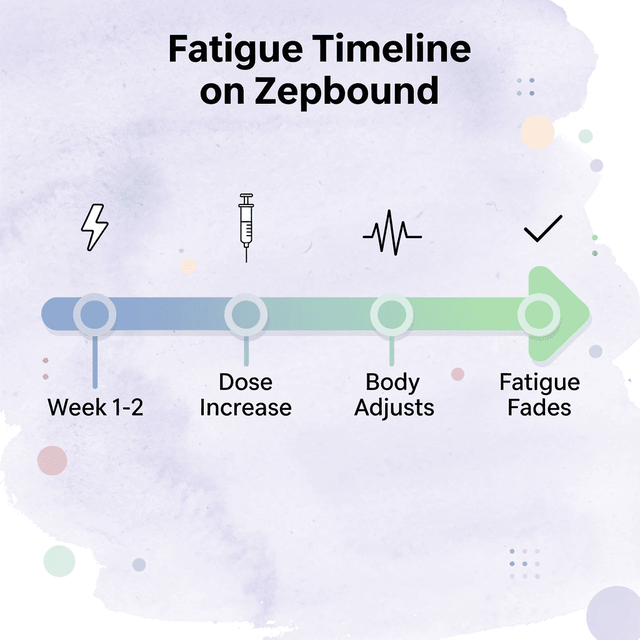
Tiredness from Zepbound doesn't follow one simple pattern. For many people, it's most noticeable in the early weeks of treatment or after a dose increase, and it tends to get better as the body adjusts. There is no set timeline that applies to everyone.
"Fatigue is most commonly reported during the early weeks of treatment or following a dose increase — and for most users, it improves significantly as the body adapts to the medication."
Fatigue Phase | When It Typically Occurs | What to Expect |
|---|---|---|
Early Treatment | First few weeks of starting Zepbound | Most noticeable tiredness |
Post-Dose Increase | Days following a dose increase | Temporary spike in fatigue |
Adjustment Period | Weeks after a stable dose | Gradual improvement in energy |
Long-Term Use | Ongoing, consistent dosing | Fatigue typically resolves or lessens |
What fatigue may look like after your first dose?
When your body first responds to tirzepatide, physical changes occur: your stomach empties more slowly, you feel less hungry, and your body processes energy differently. According to Fella Health, most side effects, including fatigue, are strongest in the first 72 hours after each injection. If you feel tired in the first few days after your shot, you're likely seeing the medication working at its strongest. Mild tiredness that improves over the next few days is typically a normal early adjustment response.
What happens after a dose increase?
Zepbound increases in 2.5 mg steps every four weeks, and each step can temporarily bring back symptoms. Energy dips that had improved may return briefly, which is easy to misread as the medication not working. The body needs time to adjust at each new dose level.
How do you tell adjustment from a real problem?
Watch whether fatigue improves between dose increases, even if it spikes immediately after each one. If that pattern holds, your system is adjusting. If fatigue remains flat or worsens across the full four-week window, flag this with your prescriber rather than waiting another cycle. Do not adjust or stop the medication on your own based on fatigue alone.
Why does tracking data matter more than memory at appointments?
Most people rely on memory to describe symptoms at their next appointment, but memory compresses and distorts. A week that felt "pretty rough" might have had three good days and four bad ones—a distinction that changes the clinical picture. Our GLP-1 app brings together dose timing, energy levels, food intake, and hydration into a single daily log, so you arrive at appointments with actual data instead of vague impressions. MeAgain makes it easy to track these details consistently, giving your doctor a clearer picture of your experience.
When should Zepbound fatigue start improving?
Focus on trajectory rather than a fixed deadline. Fella Health reports that fatigue typically resolves within 2 to 4 weeks after starting Zepbound or after a dose increase, provided you maintain adequate nutrition, hydration, and sleep. If caloric intake drops sharply as appetite suppression takes hold, the body may conserve energy and fatigue can persist beyond that window. Even slow improvement is meaningful. Fatigue showing no movement over several weeks warrants a different conversation.
How long is too long?
The mistake is treating all tiredness as the same. Mild tiredness that matches your injection schedule and resolves gradually differs from tiredness that impairs work, driving, or self-care. When tiredness is severe, persists through a full dose cycle, or accompanies dehydration, ongoing nausea, dizziness, or confusion, the "wait and see" approach ends. Your prescriber has real options: slower titration, a temporary dose hold, or remaining at a lower dose until side effects improve. These are legitimate medical decisions, not failures.
But knowing when to act requires knowing what's happening.
Related Reading
- How Long Do Zepbound Side Effects Last
- Where to Inject Zepbound for Best Results
- Does Zepbound Make You Pee More
- How Long Does It Take For Zepbound To Work
- How Long Does It Take For Zepbound To Suppress Appetite
How to Get Rid of Zepbound Fatigue
General energy advice — like getting more sleep, reducing stress, and drinking water — doesn't explain how Zepbound works in your body. The best solutions are ones that connect directly to the specific reasons you're tired and when that tiredness happens.
"The most effective fatigue remedies are those tailored to the specific mechanism causing exhaustion — not generic wellness tips." — Clinical GLP-1 Research Guidance
Generic Advice | Zepbound-Specific Approach |
|---|---|
Drink more water | Address GLP-1 receptor-driven appetite suppression |
Get more sleep | Target post-injection fatigue windows specifically |
Reduce stress | Identify metabolic adjustment phases causing tiredness |
Eat more energy foods | Align nutrition with Zepbound's dosing schedule |
If your appetite is sharply reduced, nutrition is the first lever to check
Fella Health reports that Zepbound can reduce caloric intake by up to 500 calories per day, creating an energy shortage your body will notice. Smaller portions feel filling, making it easy to consume less protein and complex carbohydrates unintentionally. The solution is ensuring your diet contains nutrient-dense foods: lean proteins, whole grains, and quality fats. If you struggle to meet your basic nutrition needs regularly, consult your healthcare provider.
If GI symptoms are draining you, hydration is doing more work than you think
Nausea, loose stools, and reduced appetite reduce fluid intake while accelerating fluid loss. Dehydration worsens fatigue in ways easily attributed to the medication itself. Aim to drink 9 to 13 cups of water daily, more if you experience vomiting or diarrhea, and discuss ongoing stomach and digestive problems with your prescriber rather than tolerating them.
Why does informal fatigue tracking leave your prescriber without answers?
Most people tracking Zepbound fatigue do it informally: a mental note here, a complaint to a friend there. Informal tracking produces no pattern, leaving your prescriber without useful information. A GLP-1 app like MeAgain lets you log fatigue severity, shot day, water intake, and food in one place, so when fatigue spikes after a dose increase, you have data showing the connection.
If fatigue persists despite eating and drinking well, stop assuming Zepbound is the cause
The failure point is usually this: people blame all their tiredness on Zepbound and stop investigating other causes. If you're eating enough, drinking plenty of water, and tiredness continues past the 6 to 8 week mark, the medication may not be the main culprit. Thyroid problems, low iron, blood sugar changes, sleep apnea, and other medications can all cause tiredness coinciding with your Zepbound timeline. Your prescriber can order specific tests to rule these out. Start this investigation sooner rather than later.
When to keep monitoring versus when to act
According to PEAK Wellness and Aesthetics, tiredness related to Zepbound is typically worst during the first 2 to 4 weeks of treatment and after each dose increase. Mild tiredness that resolves within this period warrants continued monitoring. However, seek immediate medical attention if tiredness interferes with daily tasks, persists well after a dose increase, or accompanies other symptoms such as high fever, chest pain, severe dizziness, or inability to retain fluids.
The harder question is figuring out what's causing fatigue when the answer isn't obvious.
Don't Guess What's Causing Your Zepbound Fatigue. Track the Pattern for 7 Days.
Figuring out why fatigue lingers is harder than managing it once you know the cause. Most people guess whether it was the shot, sleep, or food intake by reconstructing the past week from memory, but memory is unreliable when you're exhausted.
"Tracking fatigue severity alongside shot day, water intake, and food intake for seven days turns a vague complaint into readable data." — MeAgain Health Insight
Tracking fatigue severity alongside shot day, water intake, and food intake for seven days turns a vague complaint into readable data. If fatigue clusters 48–72 hours after injection and fades by day five, that's a dose adjustment signal. If it stays flat across the week regardless of dose timing, the cause is likely elsewhere. That distinction matters when you talk to your prescriber.
Fatigue Pattern | What It Suggests | Next Step |
|---|---|---|
Spikes 48–72 hrs post-injection, fades by day 5 | Likely dose-related response | Discuss dose adjustment with prescriber |
Flat and consistent all week | Cause is likely unrelated to injection timing | Investigate sleep, hydration, or nutrition |
Worsening over time | Possible underlying issue | Bring tracked data to healthcare provider |
Improving week over week | Body is adjusting normally | Continue monitoring for confirmation |
Our GLP-1 app consolidates these data points into one daily view, so the connection between dose day and energy level becomes visible without manual effort. Spend 5 minutes setting up your routine, then track your Zepbound dose, daily fatigue, appetite, food intake, hydration, sleep, and GI symptoms in one place. Over 7 days, you'll see whether your fatigue follows a pattern and whether it's improving as your body adjusts.
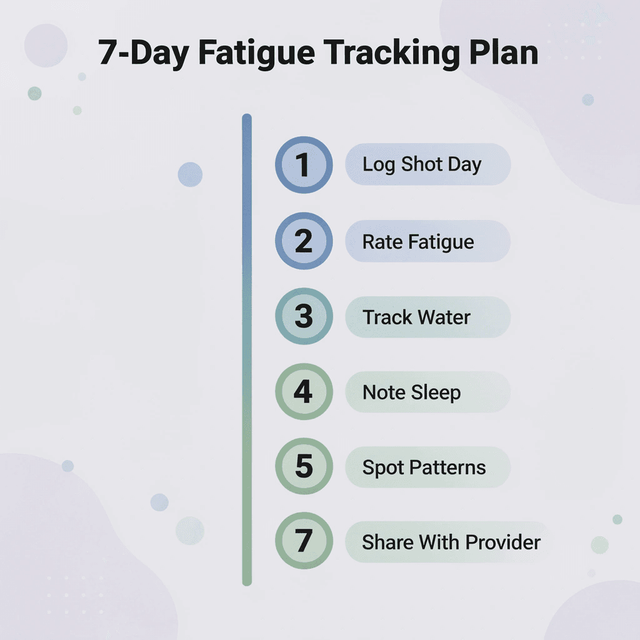
If fatigue is improving, you have a clearer sign your body is adjusting. If it's persistent, worsening, or interfering with daily life, you'll have a useful record to bring to your healthcare provider instead of simply saying, "I feel tired."
Download MeAgain and set up your personalized GLP-1 routine in under 5 minutes. Track the signals that matter and turn a vague feeling into a pattern you can understand.