
Key takeaways
- Frequent urination isn't a listed side effect of Mounjaro (tirzepatide) — the common ones are stomach-related, so more bathroom trips usually come from changes around the medication, not the drug itself.
- The most common reasons are drinking more water to ease side effects, early fluid shifts as weight comes off, caffeine changes, and add-on diabetes medications like SGLT2 inhibitors that genuinely increase urination.
- Peeing more alongside intense thirst, fatigue, or blurry vision can signal high blood sugar, while burning, urgency, or a strong odor points to a possible urinary tract infection — both are worth a same-week call to your care team.
- In clinical trials tirzepatide protected kidney function rather than harmed it, with slower eGFR decline and lower urine albumin, so frequent urination is not a sign of kidney damage.
- Don't cut fluids to reduce bathroom trips — dehydration is the bigger risk; instead front-load water earlier in the day if nighttime trips disrupt your sleep.
Table of contents
- Does Mounjaro actually make you pee more?
- What's actually behind more bathroom trips on Mounjaro?
- When should more urination make you pay attention?
- How to manage peeing more without making things worse
- Is peeing more a sign of kidney damage from Mounjaro?
Does Mounjaro actually make you pee more?
Does Mounjaro make you pee more? Not directly — frequent urination isn't a listed side effect of the drug. It doesn't appear as a common adverse reaction in the tirzepatide prescribing information, and it wasn't one of the effects the SURPASS trials were built to track. The effects that show up again and again are stomach-related, not bladder-related. So if you're making more bathroom trips since starting your medication, the drug itself is rarely the direct cause. Something around it usually is.
What Mounjaro's side effects actually are
The documented effects cluster in the gut. The Cleveland Clinic's tirzepatide overview lists nausea and diarrhea as the common ones, and a tirzepatide review in Drugs in Context describes the side effects as predominantly gastrointestinal — the stomach and gut, meaning nausea, vomiting, and loose stools that tend to ease over time. None of the main trials flagged peeing more as a standout effect. That tells you where to look first: digestion and appetite, not your kidneys or bladder.
- Nausea — the most common, reported in about 12–24% in SURPASS-3
- Diarrhea — around 15–17%
- Decreased appetite — about 6–12%, often the whole point of the medication
- Vomiting — roughly 6–10%
- Low blood sugar — uncommon on its own (about 1–2%), more likely alongside insulin
So why isn't urination on that list? Mostly because no one measured it. The trials were designed to track blood sugar, weight, and stomach side effects, so anything outside that — like counting bathroom trips — was never a formal outcome. When people report peeing more, that's lived experience, not a proven drug effect. Real-world safety tracking backs this up: FAERS pharmacovigilance data on tirzepatide stay centered on the same gut complaints, with a reassuring overall profile.
So why are you peeing more?
If the drug isn't the direct cause, why the extra trips? Almost always, it's something that changed alongside your medication rather than the medication itself. Starting a GLP-1 shifts a lot at once — what you eat, how much you drink, how much weight you're carrying — and several of those changes push more fluid through you. The rest of this post walks through the usual suspects one by one.
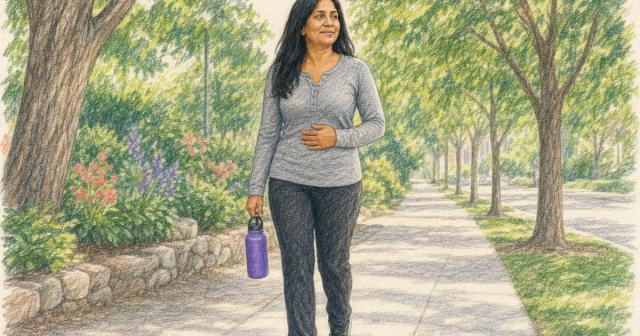
Think about how much changes in the first couple of months. Your appetite drops, so what and how much you eat looks different. Many people start carrying a water bottle everywhere to settle a queasy stomach. Coffee habits shift when nothing sounds good in the morning. Each of those quietly changes how often you pee — and none of them is the drug reaching into your bladder. It's the ripple effect of eating and drinking differently.
One more thing shapes this question: who tirzepatide was studied in. Its big trials, the SURPASS program, enrolled people with type 2 diabetes, and a couple of the real urinary causes only apply to that group. If you take Mounjaro for weight management without diabetes, some of what you'll read about — especially certain add-on diabetes drugs — simply won't be part of your picture. It's worth knowing which bucket you're in before you worry.
It's worth being straight about the evidence here. Because peeing more was never measured directly in these trials, most of what circulates is anecdote — real experiences, but not the same as a proven effect. That doesn't mean your extra trips aren't real. It means the honest answer is usually about habits and other medications, not a hidden action of the drug itself.

So here's the map for the rest of this post. More bathroom trips almost always fall into one of three buckets. The first is everyday habit changes — mostly drinking more water. The second is add-on medications, the diabetes drugs sometimes taken alongside Mounjaro that genuinely increase urination. The third is the short list of warning signs that mean you should call your care team. Most people land squarely in the first bucket.
Here's the reassuring part. If anything about fluid is worth watching on Mounjaro, it's the opposite problem — losing too much through nausea or diarrhea, not making a few extra bathroom trips. Peeing more is usually a sign you're drinking enough, which is exactly what you want. We'll get to the warning signs, but for most people this is a plumbing story, not a health scare.
What's actually behind more bathroom trips on Mounjaro?
Most of the time, it's one of four things — and the first is the simplest. You're probably drinking more. The four usual causes are: drinking more water, early weight loss shifting your body's fluid, changes to your caffeine habit, and, for some people with type 2 diabetes, an add-on medication that genuinely makes you pee more. Let's take them in order, easiest first.
Are you just drinking more water?
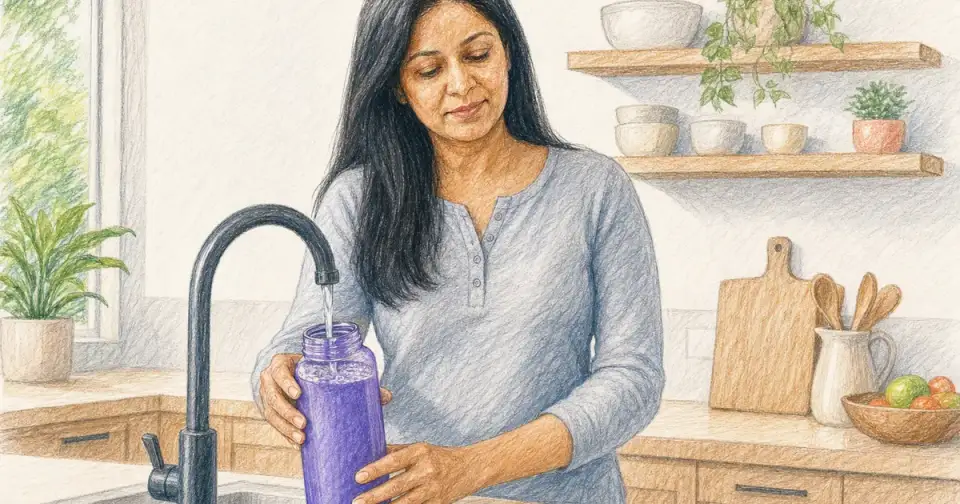
This is the big one. On a GLP-1, a lot of people start drinking noticeably more water — to ease dry mouth, to take the edge off nausea, or just because a big glass of water helps a queasy stomach settle. More fluid in means more fluid out. The Cleveland Clinic's own checklist for frequent urination starts with exactly these questions: how much are you drinking, and are you drinking more than usual? Often that alone explains it.
Cause | What you'd notice | Expected? |
|---|---|---|
Drinking more water | More trips, pale urine, all day | ✅ Yes, very common |
Early weight loss | Extra trips in the first weeks | ⚠️ Likely, less studied |
Caffeine changes | Trips cluster after coffee | ✅ Yes, but short-lived |
SGLT2 add-on drug | Steady rise, type 2 diabetes only | ✅ Yes, known effect |
Rapid weight loss and fluid shifts
As the weight starts coming off — especially in the first few weeks — your body sheds some of the water it was holding onto. That released fluid has to go somewhere, and some of it leaves as urine. This one is more common sense than settled science; it wasn't measured in the trials, so treat it as a reasonable explanation rather than a proven one. If you want the background on how GLP-1 medications drive weight loss and losing fat, those are covered separately.
Caffeine and everyday triggers
Your coffee habit counts too. Caffeine is a mild diuretic — the Cleveland Clinic notes that the caffeine in coffee or tea makes you pee more, though the effect doesn't last long. So when your appetite drops and you swap breakfast for a second coffee, or start sipping tea through the afternoon, the bathroom trips can follow. It's not the Mounjaro. It's the cup in your hand acting like a gentle water pill.

More water in means more water out. For most people that's plumbing, not a drug reaction.
Add-on diabetes medications
Now the cause that's easy to overlook: what else is in your medicine cabinet. Per the FDA's Mounjaro trials snapshot, tirzepatide is often used alongside other diabetes medications — metformin, sulfonylureas, SGLT2 inhibitors, or insulin. One of those classes changes urination directly. If you take Mounjaro purely for weight and nothing else, this part likely doesn't apply to you. If you have type 2 diabetes and a longer medication list, it might be the real answer.
The class to know is SGLT2 inhibitors. They lower blood sugar by pushing extra glucose out through your urine — which, by design, means more urine and a higher chance of urinary tract infections. Two of them are strongly tied to frequent urination (the medical name is pollakiuria): dapagliflozin carried roughly a tenfold higher odds versus placebo, and empagliflozin close to sixfold. If one of these is on your list, more bathroom trips are expected, not a surprise.
- Common names: dapagliflozin, empagliflozin, canagliflozin, ertugliflozin
- Linked to more frequent urination and urinary tract infections
- Only relevant if you take one for type 2 diabetes
- Check your medication list for these drug names
- Ask your care team or pharmacist if you're unsure
- Never stop a prescribed medication on your own
One firm guardrail here. SGLT2 inhibitors are type 2 diabetes medications — if you take Mounjaro for weight alone, you're almost certainly not on one, and this whole cause is off your list. And if you do have diabetes and think one of these might be behind the change, that's a question for your care team, not a reason to skip or stop anything on your own. They can look at your full list and sort out what's driving it.
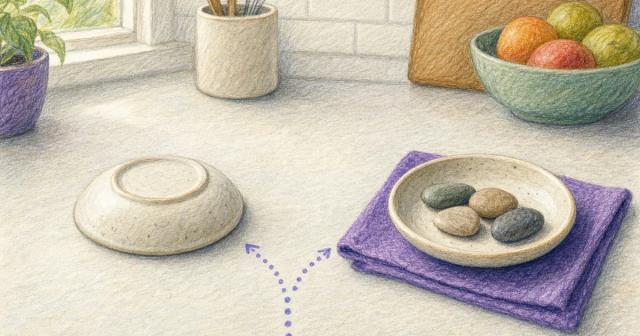
So run down the list: more water, early fluid shifts, caffeine, or an add-on drug. If one of those fits, the extra trips are almost certainly harmless. But if none of them explain it — if the change came on suddenly, with no new habit — that's when it's worth a closer look. The next section covers the warning signs that mean you should pick up the phone.
When should more urination make you pay attention?
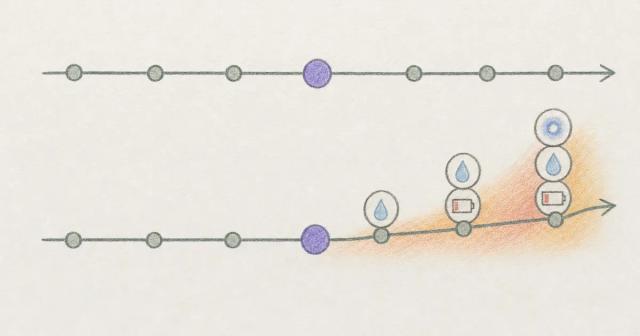
Most of the time, more bathroom trips are harmless — they track the new habits around your medication, not the drug itself. But three patterns are worth a call to your care team: extra trips with real thirst and fatigue, trips with burning or a strong odor, or a sudden change you can't explain. Here's how to tell them apart.
Peeing more with thirst, fatigue, or blurry vision
If the extra trips come with intense thirst, unusual fatigue, or blurry vision, that combination is worth paying attention to. It can mean your blood sugar is running high rather than that you're simply drinking more. Check your blood sugar if you can, and reach out to your care team. Mayo Clinic stresses checking your blood sugar often when you start tirzepatide, especially around meals and bedtime, exactly so patterns like this don't slip by. If the low energy is new, note when it hits.
- Excessive or constant thirst
- Needing to pee far more than usual
- Fatigue that doesn't lift with rest
- Blurry vision
- Unusual hunger between meals
- Waking overnight to go
Signs of a urinary tract infection
Burning when you go, a sudden urge you can't ignore, or cloudy, strong-smelling urine point somewhere else — a possible urinary tract infection. These tend to be more common in women, and they don't clear on their own, so they're worth a same-week call rather than a wait-and-see. A UTI is its own problem; it isn't your medication's doing, but it still needs treating.
Here's the reassuring part on the drug itself. Tirzepatide hasn't been clearly linked to a higher rate of urinary tract infections compared with placebo or other diabetes treatments, so a UTI usually isn't the medication's fault — it just needs its own treatment. There's one unusual exception on record: in a published case report, one person's urinary and genital symptoms flared within a day or two of each weekly shot and eased before the next, then resolved for good about ten days after they stopped. That's a single documented case, not the norm.
The question isn't whether you're peeing more. It's what comes with it — and how quickly that means you should call.
Symptom pattern | What it might mean | What to do |
|---|---|---|
More trips with thirst, fatigue, or blurry vision | Blood sugar may be running high | Check it and contact your care team |
Burning, urgency, cloudy or strong-smelling urine | Possible urinary tract infection | Call your care team this week |
Suddenly can't pee, with lower-belly pain | Possible urinary retention | ⚠️ Treat as urgent, seek care right away |
Sudden changes and trouble urinating
The opposite problem is the urgent one. If you suddenly can't pass urine, or can only go very small amounts even though your bladder feels full, and you have pain in your lower belly, that's urinary retention. Cleveland Clinic calls acute urinary retention a medical emergency and says to seek care right away when trouble urinating comes on suddenly, especially with abdominal pain. This is rare on Mounjaro, but it's the one urinary change you don't wait on.
When to consider stopping Mounjaro
Never stop your medication on your own to chase away a urinary symptom. In that rare case report, the symptoms did clear after the person stopped — but that was a decision made with a clinician, not a solo call. If something feels off, your care team can look for the real cause; simple blood and urine tests, the kind that show up in blood work, help rule out infection or other effects. Bring them the pattern and let them steer.
The takeaway: most extra trips are just your new routine catching up with you, not a warning. But the three combinations above — high-sugar signs, UTI signs, or a sudden inability to go — are your cue to call. Once you've ruled those out, the rest is about managing the trips so they don't run your day, which is where we head next.
Related reading
How to manage peeing more without making things worse
A handful of safe tweaks can smooth out the bathroom trips — but check with your care team before you change anything about your routine. Nothing here means adjusting your dose or your prescription; it's about the ordinary levers around it, like when you drink and how you track what you're noticing. Start with timing, protect your hydration, and keep the medication basics steady.
Front-load your fluids earlier in the day
Drink more of your water in the morning and afternoon, then ease off in the evening. If you're building a hydration habit to handle side effects, the water still has to come out — and if most of it goes in late, you'll be up overnight. Shifting the bulk earlier means the trips happen while you're awake instead of wrecking your sleep. If nighttime trips already have you trouble sleeping or feeling more tired than usual, this one change tends to help the most.
- Front-load most of your fluids in the morning and afternoon
- Ease off drinking in the last few hours before bed
- Limit evening caffeine, which nudges you toward the bathroom
- Empty your bladder right before you turn in
- Keep a clear, safe path to the bathroom for night trips
- Don't restrict water during the day to compensate
- Note it if nighttime trips keep disrupting your sleep

Don't cut water to cut bathroom trips
The worst move is to drink less so you pee less. Cutting fluids to dodge the trips backfires fast, especially on a medication where stomach side effects like nausea and diarrhea can already pull fluid out of you. The Mounjaro Medication Guide points the other way — it frames staying hydrated as something that helps reduce your chance of dehydration, not something to ration.
On this medication, the real urinary worry runs in the opposite direction. The concern the label flags isn't too much peeing — it's too little fluid, the kind that comes from vomiting or diarrhea drying you out. Frequent, comfortable trips are almost never the problem. Losing more water than you take in is. So the goal is steady hydration you can predict, not a smaller total.
Do | Don't |
|---|---|
✅ Front-load fluids earlier in the day | ❌ Cut water to reduce trips |
✅ Note the timing and any symptoms | ❌ Ignore burning or urgency |
✅ Keep your weekly rhythm steady | ❌ Skip or double up doses |
Make sure the basics are right
Steady, correct use is its own kind of symptom management. The FDA's drug trials snapshot describes Mounjaro as injected once weekly under the skin of the abdomen, thigh, or upper arm. The prescribing information's Instructions for Use add the details that matter for comfort: rotate the site with each dose so you're not using the same spot, and use a new needle every time. The approved areas are the abdomen, thigh, or the back of the upper arm.
Timing matters as much as technique. The Mounjaro Medication Guide says that if you miss a dose, you can take it within four days, but if more than four days have passed you skip it and go back to your regular day — and never take two doses within three days of each other. Keeping that weekly rhythm steady keeps your blood sugar steadier too, which means fewer of the swings that drive thirst and extra trips.
Track the pattern, not just the trips
This is where a little data settles the question. In MeAgain, you can log your water intake right alongside when you're actually going to the bathroom. Watch them together for a week or two and the picture usually gets obvious — the trips climb on the days you drink more and settle when you don't, which means they're tracking your new hydration habit, not something new in your body. And if the trips ever climb while your water stays flat, that's the signal worth bringing to your care team.
Once you've ruled out the warning signs and settled your hydration, one worry usually remains: your kidneys. It's the most common fear behind more bathroom trips, and it's worth answering head-on — because the trial evidence actually points in a reassuring direction.
Is peeing more a sign of kidney damage from Mounjaro?
No — frequent urination is not a sign of kidney damage from Mounjaro. It's the fear that sends most people searching, but the trial evidence actually points the other way. In studies of tirzepatide (Mounjaro's active ingredient), the drug protected kidney markers rather than harming them. More bathroom trips are almost always about your changing habits, not your kidneys.
The real kidney risk is the opposite: dehydration
If there's a kidney concern with Mounjaro, it's too little fluid, not too much peeing. The FDA label flags monitoring kidney function in people having adverse reactions that can lead to volume depletion — meaning the stomach side effects. The label notes Mounjaro has been associated with gastrointestinal adverse reactions, sometimes severe. Hard vomiting or diarrhea drains fluid, and that's what can strain the kidneys.
So more peeing does not equal kidney harm. The thing worth watching is the reverse: losing too much fluid when nausea or diarrhea hits and you're not replacing it. That's exactly why cutting your water to reduce trips backfires. If nausea or diarrhea is part of your picture, staying hydrated matters more than the extra bathroom runs.
What the trials found about tirzepatide and kidneys
The kidney data is reassuring. In SURPASS-4, a post-hoc analysis found tirzepatide slowed how fast kidney filtration (eGFR, a filtering score) declined and lowered the amount of albumin leaking into the urine, compared with insulin glargine. A separate meta-analysis in the World Journal of Diabetes pooled 15 trials and saw the same protective direction on urine albumin.
- Filtration fell more slowly on tirzepatide — about -1.4 versus -3.6 per year against insulin glargine.
- Less albumin in the urine — down roughly 27% at the 10 mg dose versus placebo across 15 trials.
- Fewer serious kidney events — a composite kidney risk about 42% lower than insulin glargine (hazard ratio 0.58).
- No rise in kidney injury, UTIs, or kidney stones versus placebo.
- The benefit was strongest in people with type 2 diabetes.
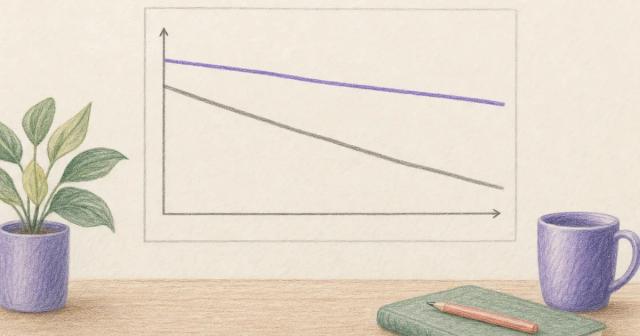
One nuance worth knowing: in SURPASS-4, researchers saw an early reversible dip (3 months) in eGFR that showed up on tirzepatide, the same milder pattern seen with SGLT2 inhibitors, and eGFR climbed back up after stopping the drug. They read it as a shift in over-filtration, not damage — the kidney easing off, then recovering.
On tirzepatide, the kidney numbers move in the protective direction — the trials point toward preservation, not harm.
Major diabetes guidelines now reflect that. The BMJ's living diabetes guideline gives a strong recommendation in favour of SGLT-2 inhibitors or GLP-1 receptor agonists for higher-risk patients — partly because of their kidney and heart benefits — and backs tirzepatide for adults with obesity. These medications are increasingly chosen for organ protection, not just blood sugar or weight.
Two honest caveats keep this in perspective. Most of this evidence comes from people with type 2 diabetes, not weight-loss-only users, and it's short-to-medium term. The World Journal of Diabetes review says plainly that larger RCTs are warranted to prove the longer-term renal benefits. Encouraging direction, not the final word.
When frequent urination is worth a kidney check
There are a few times more trips do deserve a closer look. Call your care team if the extra urination comes with swelling in your legs, ankles, or face, foamy or bubbly urine, or the high-blood-sugar signs covered earlier. Those can point to a kidney or blood-sugar issue, and simple blood and urine tests can sort it out quickly.
Bottom line: more bathroom trips are almost always your new habits — more water, less food, a body shedding early fluid — not your kidneys. If you want the fuller picture, a few of these same markers can show up in blood work your care team can order.
Related reading
- Your appetite starts to drop
- How GLP-1 medications drive weight loss
- Losing fat
- Visceral fat
- Joint pain
- Show up in blood work
- Changes to your period
- Anxiety
- Acid reflux
- Low energy
Frequently Asked Questions
Should I drink more water if I'm peeing a lot on Mounjaro?
In most cases, yes — don't cut your water to reduce bathroom trips. On a medication where stomach side effects can already drain fluid, dehydration is the bigger risk, and the FDA label's kidney concern is volume depletion, not extra peeing. If nighttime trips wreck your sleep, front-load fluids earlier in the day and ease off in the evening rather than restricting overall. Check with your care team before changing anything major. So if you're wondering does Mounjaro make you pee more, protecting your hydration matters more than restricting it.
When should I stop taking Mounjaro because of urinary changes?
Never stop on your own — that's a care-team decision. In rare cases urinary symptoms can settle after stopping, but frequent urination by itself is not a reason to quit your medication. If it comes with burning, intense thirst and fatigue, or trouble passing urine, contact your care team promptly; they'll decide whether anything about your prescription needs to change.
Does rapid weight loss on Mounjaro make you pee more?
It can, especially in the early weeks. As weight comes off quickly, your body tends to shed some of the fluid it was holding, and that can mean a few more bathroom trips for a while. The data here is thin because it was never measured directly in the trials, so treat it as a common-sense pattern rather than a proven drug effect. It usually settles as your weight stabilizes.
How much urination is normal on Mounjaro?
There's no set number — normal is really about change from your own baseline. A gradual uptick that tracks with drinking more water or cutting back on food is expected and harmless. What matters is the company it keeps: trips paired with burning, strong odor, extreme thirst, blurry vision, or a sudden change with no habit shift are worth a same-week call to your care team.
This article is for informational purposes only and is not medical advice. Always talk to your doctor or care team about your medication, symptoms, or treatment plan.