
Key takeaways
- Red, itchy, or swollen spots at your Mounjaro injection site are common, usually mild, and typically clear on their own within a few days.
- In adult trials, about 3.2% of people on tirzepatide had an injection site reaction versus 0.4% on placebo, and these reactions were not linked to anti-drug antibodies.
- Rotating your shot between the abdomen, thigh, and back of the upper arm with each weekly dose, using a fresh needle, and letting the alcohol dry first are the main ways to lower your odds of a reaction.
- Call your care team if the spot spreads, gets warmer or more painful after the first day or two, oozes pus, or comes with a fever, since those can signal infection rather than a routine reaction.
- A reaction limited to the shot site is different from a body-wide rash or a true allergic reaction, which needs its own evaluation.
Table of contents
- Is a red, itchy, or swollen spot after your Mounjaro shot normal?
- How common are Mounjaro injection site reactions, and does your dose matter?
- Normal reaction or a warning sign? How to tell the difference
- How to inject Mounjaro to prevent reactions: rotation and technique
- What helps a sore spot, and when should you call your care team?
Is a red, itchy, or swollen spot after your Mounjaro shot normal?
A Mounjaro injection site reaction — a red, itchy, or slightly swollen spot right where you gave your shot — is usually nothing to worry about. For most people it is a routine, mild reaction to the needle and the medication settling under the skin. It tends to fade on its own within a few hours to a few days. It is one of the more common local effects of an injectable, and on its own it rarely means anything is wrong with your medication or with how you injected.
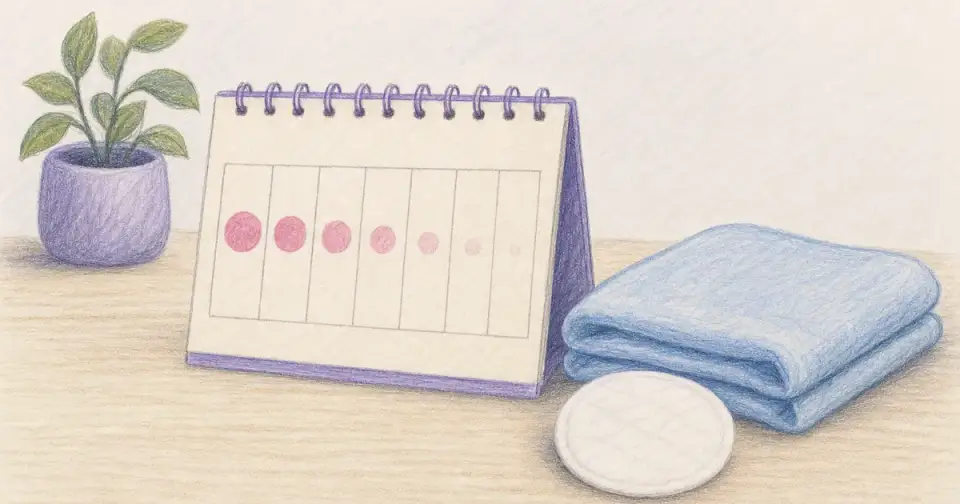
A routine reaction is small and stays put. You might see a little redness, feel some warmth, notice an itch, or find a small raised bump right at the spot where the needle went in. Mild tenderness if you press on it is normal too. The whole thing is usually about the size of a coin or smaller, and it does not creep outward across your skin over the following days.
What a routine reaction feels like
- Mild redness right at the shot site, not spreading
- A little itch that comes and goes
- A small, firm bump you can feel under the skin
- Mild tenderness only when you press on it
- Fades within hours to a few days rather than growing
How common is a Mounjaro injection site reaction?
These reactions are uncommon, but they do happen more on the medication than off it. In the FDA's review of adult trials, injection site reactions were reported by about 3.2% of people on tirzepatide compared with 0.4% on placebo. So the medication does raise the odds of a local reaction, but the great majority of people never report one at all, and those who do usually have a mild version like the kind described above.

Here is the reassuring part. A red or itchy spot at the injection site is local irritation from the poke and the medicine settling under it — and in the placebo-controlled trials these reactions stayed uncommon overall, at 3.2% versus 0.4%. It is local irritation, and local irritation settles down.
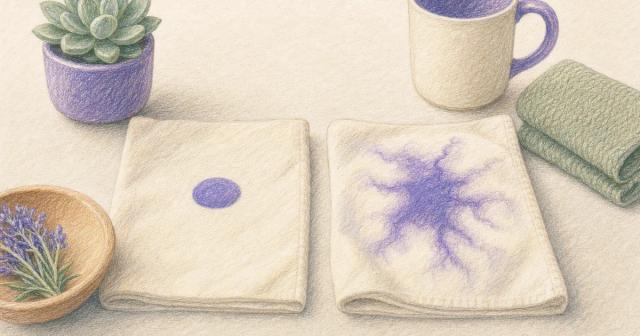
A routine reaction stays at the spot and shrinks. A reaction that spreads beyond where you injected is a different story.
Most normal reactions last a few hours to a few days. The key pattern is direction: a routine spot gets smaller and calmer over time, not bigger and angrier. If the redness or bump is a little more noticeable the first day and clearly fading by day two or three, that is the ordinary course. You do not usually need to do anything for it beyond leaving it alone.

Why does it happen at all? Two everyday things. The needle briefly breaks the skin, and the medication settles into the tissue just under it. Your skin responds to both with a little local inflammation. This is common to almost any injectable, which is why a mild spot afterward is more of an expected footnote than a red flag.
Most spots really are nothing. But a few signs mean a reaction has crossed from routine into something worth a closer look, and telling them apart is the next thing to get straight.
How common are Mounjaro injection site reactions, and does your dose matter?
Injection site reactions are uncommon, but the reported rate shifts with your dose and with which study you look at. The numbers run higher in the weight-loss trials than in the diabetes ones, and they inch up at higher doses. None of that means the reaction is severe. It mostly reflects how long people spent climbing the dose and how carefully each study logged small skin effects.
Reaction rates in the weight-loss studies
In the weight-management program, the range is wider. Across the SURMOUNT studies, injection site reactions were reported in 2.1% to 11.1% of people taking tirzepatide, according to Lilly Medical's summary of that data. That spread looks large, but even the top of the range means the clear majority of participants never reported one. The low end sits close to the diabetes figures covered above.
Study or dose | Reported reaction rate | Population |
|---|---|---|
SURMOUNT studies (range) | 2.1%–11.1% | Weight management |
Zoom out and the range itself is the useful anchor. Across the SURMOUNT weight-management studies, reported injection-site reaction rates spanned roughly 2.1% to 11.1% depending on the study — so when a headline throws a double-digit figure at you, it sits at the top of a wide range, not the middle.
Does a higher dose mean more reactions?
There may be a gentle dose pattern, with somewhat more reactions reported as doses step up — but the shift is small, and it is far from a guarantee. A higher dose is one input among several, not a switch that turns reactions on.

So why do the weight-loss numbers read higher than the diabetes ones? Two ordinary reasons, not a different drug. The weight-management studies used longer dose-escalation windows, so people had more weeks of shots for a small spot to show up at least once. And studies differ in how closely they capture minor skin effects. Same tirzepatide, different measuring stick.
What the numbers mean for your odds
Here is the honest translation. Your personal odds hinge on your dose, your injection technique, and your own skin far more than on any single headline percentage. A trial average pools thousands of people across different doses and habits. Whether you get a spot this week comes down to where and how you inject, and whether that patch of skin has had a rest, which are things you can actually influence.
And the reassurance holds even at the high end. Most people on tirzepatide never report an injection site reaction at all, and the ones who do usually describe the mild, short-lived kind. A reaction is the exception, and a serious one is rarer still.

Knowing a reaction is common, and usually minor, matters less than knowing when a spot has stopped being routine. That line is what to get clear on next.
Normal reaction or a warning sign? How to tell the difference
Most reactions are routine. A red, itchy, or slightly swollen spot right where you injected usually settles and shrinks over a few days, and that's nothing to worry about. The signs worth a call are different: a spot that keeps spreading, gets warmer or more painful after the first day or two, oozes pus, or shows up with a fever. Those can point to an infection rather than the normal skin irritation from a shot.
What a warning sign actually looks like
- Redness that keeps spreading outward instead of fading
- Warmth or pain that grows after day two
- Pus, oozing, or drainage from the spot
- A hard lump that keeps getting bigger
- A fever alongside the sore spot
- Skin that feels hot and tight, not just itchy
Why sharing a pen is never safe
A true injection-site infection is uncommon, but it's the reason technique matters. If the redness, warmth, and pain build instead of easing, and especially if a fever joins them, treat it as a possible infection and call your care team. One rule the Mounjaro Medication Guide is blunt about: never share your pen or needles with anyone, even after changing the needle. Sharing can pass a serious infection between people, and a fresh needle doesn't remove that risk.

A routine spot settles and shrinks; one that spreads, oozes, or brings a fever is your cue to call.
Sign | What it usually means | What to do |
|---|---|---|
Redness that shrinks over days | Routine reaction | ✅ Watch and wait |
Itch or a small firm bump | Routine reaction | ✅ Watch and wait |
Warmth or pain growing after day 2 | Possible infection | ⚠️ Call your care team |
Pus, drainage, or a spreading lump | Possible infection | ⚠️ Call your care team |
Fever with a sore spot | Possible infection | ⚠️ Call your care team |
Lip or face swelling, breathing trouble | Possible allergic reaction | ❌ Seek urgent care |
When it's an allergic reaction, not a rash
Once in a while a reaction isn't local at all. A true allergic reaction shows up beyond the injection site: hives spreading across your body, swelling in your face or lips, or trouble breathing. That's not a shot-spot problem you watch and wait on. Swelling around your mouth or any tightness in your throat or chest means urgent care or 911, not a next-day phone call. Local irritation stays where the needle went in; an allergic reaction travels.
Keep the two apart. A shot-site reaction is limited to the patch of skin where you injected. What spreads across your arms, chest, or back is a body-wide Mounjaro rash, a different story with its own causes and its own triage. If your skin reaction reaches well past the injection point, that's the guide to read next, and this one can stay focused on the spot itself.
Your call-now list
- Swelling in your face, lips, or tongue
- Any trouble breathing or throat tightness
- Hives spreading well beyond the shot site
- A high fever with a hot, painful spot
- Red streaks running out from the injection site
Here's the reassuring part: most of what turns a routine spot into a sore, angry one is preventable. Where you inject, how often you move the site, and a few small habits at shot time do most of the work. The next section walks through exactly how to inject so your skin has the easiest time with it.
Related reading
- Where to inject your GLP-1 for the best results
- Tirzepatide, the active ingredient in Mounjaro
- A body-wide Mounjaro rash
- How Wegovy and Mounjaro side effects compare
- Mounjaro stomach pain
- Diarrhea on Mounjaro
How to inject Mounjaro to prevent reactions: rotation and technique
The two biggest levers are where you inject and how clean your routine is. You can't control your skin, but you can rotate your sites so no single patch takes every shot, and you can keep each injection clean and gentle. The Mounjaro prescribing information spells out both, and the rest of this section turns those instructions into a simple weekly habit. None of it is complicated; it's mostly about not doing the same thing to the same spot every week.
The three places you can inject
You have three approved places to inject. Per the Mounjaro label, tirzepatide, the active ingredient in Mounjaro, goes under the skin of your abdomen, your thigh, or the back of your upper arm. The abdomen and thigh are easy to reach yourself. The back of the upper arm is the spot another person injects for you, since it's awkward to do one-handed. All three go just under the skin, not into muscle, which keeps the dose where it belongs.
Area | Notes | Who injects |
|---|---|---|
Abdomen (stomach) | Stay a couple inches from the navel | You |
Thigh | Front or outer thigh works well | You |
Back of upper arm | Hard to reach one-handed | Another person |
Rotate every single week
Rotate your site with every dose. The label is explicit: rotate injection sites with each dose, and don't reuse the same spot week after week. Giving the same patch of skin every single shot is what leaves it irritated, lumpy, or sore. Think of it as spreading the work around: abdomen one week, a different area or a different part of the same area the next. Even a couple inches over from last week's spot counts as rotating.
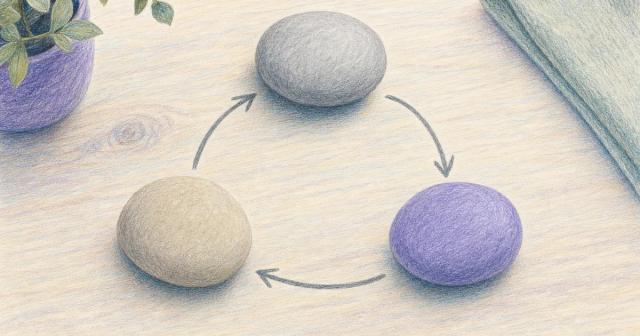
Rotate your injection site with every weekly dose, so no patch of skin ever takes back-to-back shots.
Mounjaro and insulin: same area, not touching
If you also take insulin, you don't have to inject it far away. The Mounjaro label says the two can go in the same body region, like your stomach area, as long as the injections aren't right next to each other. Keep them a bit apart and give them as two separate shots, never combined into one. Same area is fine; the same exact spot is not. This mostly matters for readers managing type 2 diabetes alongside weight, and it's one less thing to overthink on shot day.
Clean technique that calms the skin
- Use a fresh needle and syringe for every single shot
- Let the pen come to room temperature first
- Let the alcohol dry fully before the needle goes in
- Inject just under the skin, not into muscle
- Look the spot over and pick clean, intact skin
- Don't rub or scratch the site afterward
Fresh needle, every time, no exceptions. If you use vials, the Mounjaro label says to draw each dose with a new syringe and needle, never a reused one. And this is worth repeating in a different key than the triage section: never share a pen with another person, even after changing the needle, because it can pass blood-borne infections between you. A reused or shared needle is also duller, which makes the shot sting more and irritates the skin.

Make the shot hurt less
A few small moves make the shot barely register. Let the pen sit out until it's room temperature, since cold medication stings more going in. Relax the muscle under the site instead of tensing it. And give the alcohol a few seconds to dry completely, because injecting through wet alcohol is what causes that sharp burn. Rotate, keep it clean, and reach out to your care team when a pattern shows up, and most spots will stay boring.
What helps a sore spot, and when should you call your care team?
For a routine sore spot, simple comfort measures are usually enough while it settles on its own. A cool compress, loose clothing, and leaving the spot alone will carry most reactions through the day or two they take to fade. The moment to reach out is when a spot does the opposite of settling: it spreads, gets warmer or more painful after the first day, or comes with a fever. Comfort at home for the routine ones, a call for the ones that grow.
Simple comfort measures for a routine sore spot
- Lay a cool compress or wrapped cold pack on the spot for a few minutes.
- Don't scratch or rub it, even when the itch is loud.
- Wear loose clothing over the site so nothing presses or chafes.
- Keep it clean and dry, and let it breathe.
- Note it in your log: the date, the site, and what it felt like.
For the itch itself, over-the-counter options can help but they aren't automatic. An oral antihistamine or a dab of 1% hydrocortisone cream is what many people reach for, and both are widely available. The catch is that they interact differently for different people, so clear either one with your care team or pharmacist before you start. That's a quick text or call, not a hurdle, and it means the fix you pick actually fits your medication and your skin.
What to do when reactions keep coming back
A reaction every so often is normal noise. A reaction every single week is a signal. When they keep coming, the fix usually isn't a new cream, it's going back to the basics of where and how you inject. Revisit your rotation so no patch of skin takes every shot, double-check you're landing in one of the approved areas, and slow the technique down. The details on where to inject your GLP-1 for the best results and clean-shot habits live in the technique section above, and recurrence is exactly when they earn a second read.
This is where your own record does the detective work. Log each shot's site and any reaction right in your MeAgain tracker, and a few weeks of dots start to talk. Maybe every sore spot lands on your left side, or always on shot day when you're rushing. A pattern you'd never hold in your head shows up on the screen, and that's what turns a vague "I keep getting these" into a specific thing you and your care team can actually fix.

Day-to-day, a sore spot mostly just wants to be left alone. Give it a day before you plan anything that rubs against it, so pick the shot site with your week in mind. Loose waistbands over an abdomen spot, softer sleeves over an upper-arm one. Showering is fine; use lukewarm water and pat the area dry instead of scrubbing. If you like to work out, a gentle session is usually no problem, but skip pressing heavy equipment or a tight strap directly on a tender, fresh site until it calms down.
When should you call your care team?
- The redness or pain is spreading or worsening after day two.
- The spot is oozing pus or any drainage.
- You develop a fever alongside the reaction.
- You get a reaction at every single shot, week after week.
- A spot that won't heal and just lingers.
Not every call is an emergency, and knowing the difference keeps you calm. The list above is care-team territory: message or call in your normal way, describe what the spot is doing, and let them decide the next step. The urgent-care rule from earlier still stands for the rare true-allergy signs. Everything short of that is a routine conversation, and your care team would far rather hear about a spot that's bugging you than have you wait it out and wonder.
Here's the reassuring part: a shot-site reaction almost never means the medication has to stop. These spots are local skin irritation, not a verdict on your prescription. When something does need adjusting, your care team has options, from tweaking your routine to changing how you inject. The decision is theirs to make with you, and it usually lands on "keep going, a little differently," not "give this up."
So the whole playbook fits on a sticky note: track, rotate, and reach out when a pattern shows. Comfort the routine spots, move your sites so no patch takes every shot, and let your log flag the trend before you feel it. Do that, and most injection-site reactions stay exactly what they usually are, a small, passing part of shot day rather than the thing you dread.
Related reading
- Burping on Mounjaro
- Mounjaro heartburn
- Joint pain on Mounjaro
- Mounjaro brain fog
- Mounjaro fatigue
- GLP-1 side effects women notice most
- Long-term GLP-1 side effects
- GLP-1 pills versus injections
- What to eat on Mounjaro
- How GLP-1 medications compare
Frequently Asked Questions
Should I put ice or a cool compress on a Mounjaro injection site reaction?
A cool compress or wrapped cold pack is a reasonable, gentle way to ease redness and itch at a routine spot. Apply it for a few minutes at a time rather than leaving ice directly on bare skin, which can irritate it further. Cold soothes, it doesn't cure, so if the spot is spreading or getting more painful after the first day, that's a reason to call your care team rather than reach for more ice.
Does the needle gauge change how likely I am to get a reaction?
Needle length and thickness can affect how a shot feels going in, but there isn't strong, specific data tying a particular gauge to fewer site reactions with tirzepatide. What reliably helps is the technique your care team already recommends: a fresh needle every time, rotating sites, and injecting under the skin rather than into muscle. If you think your needle setup is part of the problem, that's a good, concrete thing to raise with your care team or pharmacist.
Can I use hydrocortisone cream or an antihistamine for the injection site itch?
Many people use an oral antihistamine or a thin layer of 1% hydrocortisone cream to calm itch at a routine spot, and both are common over-the-counter choices. They aren't automatically right for everyone, though, so clear either one with your care team or pharmacist before starting, especially if you take other medications. Treat them as short-term comfort for a mild reaction, not a fix for a spot that's spreading, draining, or coming with a fever.
How long should I wait before injecting into the same spot again?
The label's guidance is to rotate your injection site with each weekly dose, so you're not landing on the same patch of skin week to week. In practice that means giving any single spot several weeks off before you return to it, which lets the skin fully recover between shots. Rotating across your approved areas, the abdomen, thigh, and back of the upper arm, is the simplest way to make sure no one spot takes every shot.
Is bruising at the injection site the same as an injection site reaction?
Not quite. A bruise is bleeding under the skin from the needle nicking a small blood vessel, and it shows up as a bluish or purple mark that fades through the usual bruise colors. A reaction is more about redness, warmth, itch, and a small raised bump right at the site. Both are usually minor and pass on their own. Either one is worth mentioning to your care team if it keeps happening or the area spreads, worsens, or looks infected.
This article is for informational purposes only and is not medical advice. Always talk to your doctor or care team about your medication, symptoms, or treatment plan.