
Starting Mounjaro for weight loss or blood sugar control can feel promising until your stomach starts acting up. Why Does Mounjaro Cause Diarrhea? Many people ask this when they notice loose stools, nausea, or sudden changes in bowel movements after beginning tirzepatide or other GLP-1 medication. This article explains common gastrointestinal causes, from shifts in gut motility to how dose titration and food choices affect symptoms, and gives clear, practical steps to take Mounjaro safely without experiencing diarrhea so that you can manage your weight or blood sugar comfortably and confidently. Additionally, we will touch upon what to expect with semaglutide.
To help with that, MeAgain's GLP-1 app offers easy symptom tracking, simple tips, and timely reminders so you can spot triggers, adjust habits, and stay on course to take Mounjaro safely without experiencing diarrhea, allowing you to manage your weight or blood sugar comfortably and confidently.
Table of Contents
- Why Does Mounjaro Cause Diarrhea?
- Can You Prevent Diarrhea When Taking Mounjaro?
- Download our GLP-1 app to Turn Your Weight Loss Journey into Your Favorite Game
Why Does Mounjaro Cause Diarrhea?
Mounjaro contains tirzepatide, and the FDA approved it in 2022 for type 2 diabetes. It was later approved as Zepbound for obesity.
How Mounjaro Changes Your Gut and Why That Can Cause Diarrhea
Tirzepatide works as a GLP-1 and GIP receptor agonist. That means it activates hormone receptors in the gut and brain that control appetite, digestion, and the rate at which food moves through the system. Activation slows gastric emptying, alters gut motility, and shifts hormone signals that change fluid and bile handling in the intestines so that stool can become looser or more frequent. Those are real physical effects on digestion that explain why some people develop diarrhea while on the medication.
How Tirzepatide Slows the Stomach and Shifts Motility
One explicit action is slower gastric emptying. When your stomach releases food more slowly, the timing of digestion changes, and the small intestine gets a different mix of nutrients and enzymes than it expected. That can upset the absorption process and change stool water content. For some people, the small bowel then moves contents faster or in an uncoordinated way, which produces loose stools rather than constipation.
Other Physical Reasons Diarrhea Appears on Mounjaro
Tirzepatide can increase bile acid secretion and intestinal fluid secretion, both of which can loosen stool. There is also emerging evidence that GLP-1 receptor agonists alter the gut microbiome, which affects stool consistency and frequency. Changes in hormone signaling affect secretion and motility at multiple levels in the gut, allowing for the occurrence of diarrhea through several biological pathways at once.
Direct Effects Versus Indirect Effects That Change Digestion
Which effects are direct and which are indirect? Direct effects include altered gut motility, slowed gastric emptying, increased bile and fluid secretion, and receptor-driven changes in intestinal cells. Direct effects can lead to either slower transit or paradoxically faster transit through the small bowel in some people. Indirect effects come from appetite and diet changes when people start Tirzepatide. If you eat different foods, take more sugar alcohols or increase fats or fiber quickly, those diet shifts can cause loose stools as well. Rapid weight loss and changes in gallbladder function can also contribute to diarrhea in some patients.
How Common Is Diarrhea with Mounjaro and What Symptoms Show Up
Diarrhea is a common gastrointestinal side effect, but it does not affect everyone. Clinical trials reported diarrhea in roughly 12 percent to 17 percent of people taking tirzepatide. Many people also report:
- Nausea
- Low appetite
- Vomiting
- Indigestion
- Constipation
- Stomach pain along with or instead of diarrhea
Higher doses and dose increases raise the chance of GI symptoms, and studies of Zepbound showed similar patterns. Most cases reported in trials were mild, and many people chose to continue the medication despite symptoms.
How Long Does Diarrhea Last on Mounjaro
Duration varies from person to person, and the clinical trials did not give a single clear timeline. Researchers observed that diarrhea tended to ease after patients reached their goal dose and the body adjusted, but they did not specify precisely how long that took. If diarrhea is severe, leads to dehydration, or lasts beyond a few weeks, a clinician should evaluate you for other causes or management options.
Turning GLP-1 Side Effect Management into a Fun, Trackable Challenge
Starting Ozempic, Wegovy, or Mounjaro? MeAgain turns the hard work of avoiding muscle loss and severe constipation into a game with our adorable capybara, who helps you hit protein, fiber, water, and exercise goals in our GLP-1 app. Capture your transformation with our Journey Card and download MeAgain to make your weight loss journey your favorite game.
Related Reading
- Why Am I So Hungry on Wegovy
- What Should I Expect the First Week of Wegovy
- Zepbound vs Wegovy Side Effects
- Wegovy vs Mounjaro Side Effects
- Wegovy vs Saxenda Side Effects
- Why Does Mounjaro Cause Burping
- Why Am I Still Hungry on Mounjaro
- Does Wegovy Make You Tired
- Can Wegovy Cause Sulfur Burps
- Can Wegovy Cause Yeast Infection
Can You Prevent Diarrhea When Taking Mounjaro?

Mounjaro contains tirzepatide, a drug that acts on GLP-1 and GIP receptors. Those gut hormone effects change gastric emptying and intestinal transit. They can alter fluid secretion, bile acid handling, and gut motility. Changes in stool frequency, abdominal cramping, nausea, and shifts in the gut microbiome can follow. These are common gastrointestinal side effects that explain why some people get loose stools while others do not.
Start Slow to Help Reduce Diarrhea
“Slower dose increases often ease gastrointestinal side effects.”
Practical Steps to Treat Mild to Moderate Diarrhea
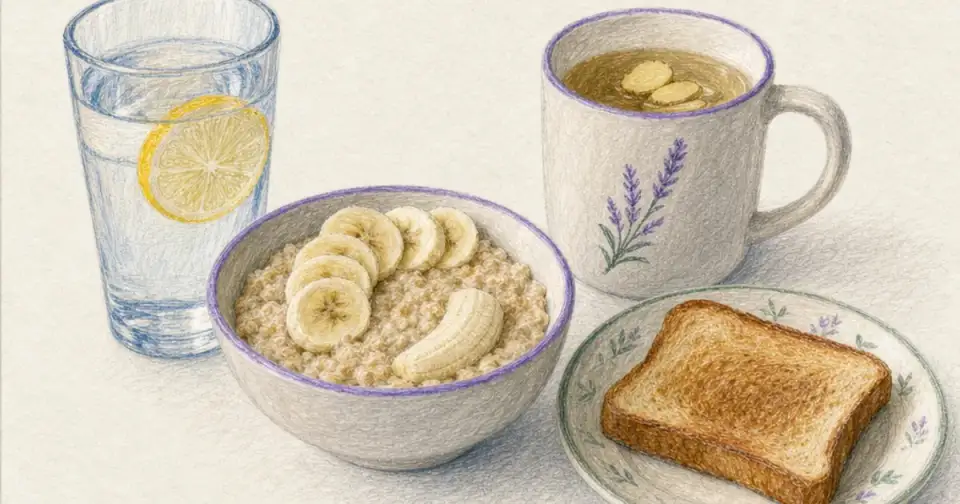
Most Mounjaro-related diarrhea settles as your body adjusts, but you can ease symptoms now. Stay hydrated. Sip plain water and low-sugar electrolyte drinks to replace fluids and salts without dumping extra sugar into your gut. Choose easy-to-digest foods. Bland options and starchy items help firm stools. Try the BRAT choices:
- Bananas
- Rice
- Applesauce
- Toast
Also include:
- Cooked eggs
- Lean meats
- Low-fat dairy
- Cooked vegetables
- Soft fruits
Avoid greasy and high-fat foods that speed gut transit and worsen nausea. Keep a simple symptom log so you can see if foods or dose changes link to worse stools.
Drinks and Stimulants to Avoid While Diarrhea Persists
Coffee and alcohol can increase bowel movements and make diarrhea worse, so pause them until symptoms improve. Avoid sugary sports drinks that contain a lot of simple sugar because high sugar can draw water into the bowel and prolong loose stools. Choose low-sugar electrolyte solutions instead.
Safe Over-the-Counter Options and Probiotics
You can consider over-the-counter agents like loperamide or bismuth subsalicylate to slow stool frequency. Always check with your clinician first because these medicines are not right for everyone and can interact with other conditions. Probiotics or probiotic-rich foods may help support the gut microbiome. Strains such as Lactobacillus and Bifidobacterium are commonly used. Try a short course and watch for improvement, and let your provider know what you try.
When to Seek Medical Care for Mounjaro-Related Diarrhea
Most diarrhea is mild, but get prompt care if you have any of the following:
- More than four stools per day
- Worsening diarrhea over time
- Stomach pain with diarrhea
- Blood in stool
- Inability to eat or drink
- Dizziness or lightheadedness when standing
- Chest pain or rapid heartbeat
- Making less urine than usual
- Urine that looks darker than normal
- Fainting
Call your healthcare team right away if these occur so they can check for dehydration or other complications.
How to Work With Your Care Team to Find the Right Middle Ground
Share your stool log, symptom timing, and any OTCs or supplements you use. Your clinician may slow the titration schedule, lower the dose, pause treatment briefly, or suggest an alternate medication. They will weigh the severity of side effects against the benefits for blood sugar control and weight loss. Some people manage symptoms with self-care and dose pacing; others need a formal dose change or medical advice. Keep the conversation open and ask specific questions about options and timing.
Quick Practical Checklist To Try Now
- Start or increase fluids and low-sugar electrolyte drinks.
- Follow bland, starchy meals and avoid fatty and spicy foods.
- Skip coffee and alcohol until stools normalize.
- Consider OTC loperamide or bismuth only after checking with your provider.
- Try a probiotic and monitor for change.
- Track stool number, appearance, and timing versus doses.
- Contact your healthcare team if you hit any red flag signs listed above.
Related Reading
- Can Ozempic Cause Muscle Pain
- Does Semaglutide Increase Heart Rate
- Does Semaglutide Cause Bruising
- Does Ozempic Cause Hiccups
- Does Wegovy Cause Insomnia
- Does Ozempic Cause Hair Loss
- Does Ozempic Cause Tooth Decay
- Can Ozempic Cause Gallbladder Issues
- Does Ozempic Make You Tired
- Can Ozempic Cause Muscle Pain
- Does Ozempic Cause Kidney Stones
Download our GLP-1 app to Turn Your Weight Loss Journey into Your Favorite Game
MeAgain turns the hard work of safe weight loss into a clear, enjoyable routine. You get daily targets for protein, fiber, water, and movement, tracked with a friendly capybara that rewards wins and nudges you when you slip. Capture progress with the Journey Card so every milestone is saved as a photo or note. The app bundles medication reminders, symptom tracking, and behavior nudges in one place so you can focus on staying healthy while the pounds drop.
Why Mounjaro Causes Diarrhea: The Biology In Plain Language
Tirzepatide, sold as Mounjaro, activates two gut hormones. It works on GIP and GLP-1 receptors. That mix changes gut signals that control secretion and movement. Increased intestinal secretion and faster transit can produce loose stools and urgent bowel movements. Changes in bile acid handling and shifts in gut bacteria after starting the drug also show up in some people as diarrhea. Diet shifts that often accompany rapid appetite change can make loose stools worse, especially when sugar alcohols or high-fat foods enter the picture.
Common GI Issues You May See On Tirzepatide And Similar Drugs
Expect nausea, vomiting, diarrhea, constipation, abdominal cramping, and bloating in varying degrees. On Mounjaro, diarrhea can range from mild loose stools to frequent watery stools that disrupt daily life. Some people have foul-smelling or greasy stools, which hints at fat malabsorption. Others get intermittent episodes that correlate with dose increases or certain meals.
How To Reduce Diarrhea Right Away: Practical Steps That Work
Start with pace and choice. Slow dose escalation when possible and hold on uptitration if symptoms spike. Swap sugar alcohols and high fructose foods for whole fruit and plain foods. Add soluble fiber like oats, psyllium, or cooked apples to thicken stools. Limit fatty, heavy meals and limit lactose if you suspect intolerance. Stay hydrated and replace electrolytes after heavy losses. Try over-the-counter loperamide for the short term for immediate control but check with your prescriber before regular use. If stools are greasy or oily, test for fat malabsorption and discuss pancreatic or bile testing with your clinician.
Diet Details That Make A Real Difference
Protein supports muscle and helps form stool. Aim for high-quality protein at each meal and consider split doses throughout the day. Favor soluble over insoluble fiber when diarrhea is the problem. Soluble fiber absorbs water and slows transit; examples include oats, bananas, cooked carrots, and psyllium. Cut or test sugar alcohols and artificial sweeteners which commonly cause osmotic diarrhea. Monitor dairy tolerance and reduce simple sugars that draw water into the gut.
Protect Muscle While You Lose Weight On GLP-1 Meds
Rapid weight loss can strip lean mass if you do not plan. Protein targets around 1.2 to 1.6 g/kg help protect muscle. Add resistance training two to three times a week to preserve and build muscle. Time some protein after workouts and spread intake across meals.
Medication Start Plan: Clear Steps For Ozempic, Wegovy, Or Mounjaro
Begin low and go slow. Follow the prescribed titration schedule and report persistent GI symptoms during uptitration. Keep a simple food log for two weeks after each dose increase so you can spot triggers like:
- Sugar alcohols
- High-fat meals
- Lactose
Ask your prescriber about adjusting dose schedules rather than stopping abruptly if side effects flare.
When Diarrhea Becomes A Medical Problem
Seek urgent care for signs of severe dehydration, fever, bloody stools, or dizziness with fainting. Call your prescriber if diarrhea lasts more than a week, causes substantial weight loss, or produces lightheadedness despite hydration.
How Meagain Fits Into Every Step Of Safe Medication Use
MeAgain tracks medication timing, dose changes, and symptoms so you and your clinician see patterns. The capybara nudges you toward protein and fiber goals that protect muscle and stool form. Water reminders cut the risk of dehydration from diarrhea, and Journey Cards document changes so you know what worked and when. The behavioral game loops keep you consistent with exercise plans that preserve lean mass while you lose weight.
Questions For You Right Now
Are your loose stools tied to dose increases or certain foods? Do you notice greasy stools, urgency, or signs of dehydration? If you share one recent meal and your current dose, I suggest targeted changes you can try tonight.
Related Reading
- Does Mounjaro Lower Cholesterol
- How to Make Wegovy Work Better
- What to Eat While on Wegovy
- What to Eat on Mounjaro
- Does Mounjaro Affect Fertility
- Does Ozempic Cause Eye Problems
- How Long Do Side Effects of Wegovy Last
- Wegovy Mental Side Effects
- Zepbound Side Effects Muscle Pain
- Tirzepatide Side Effects Long-term
- How Much Water Should I Drink on Semaglutide
- Tummy problems on GLP‑1