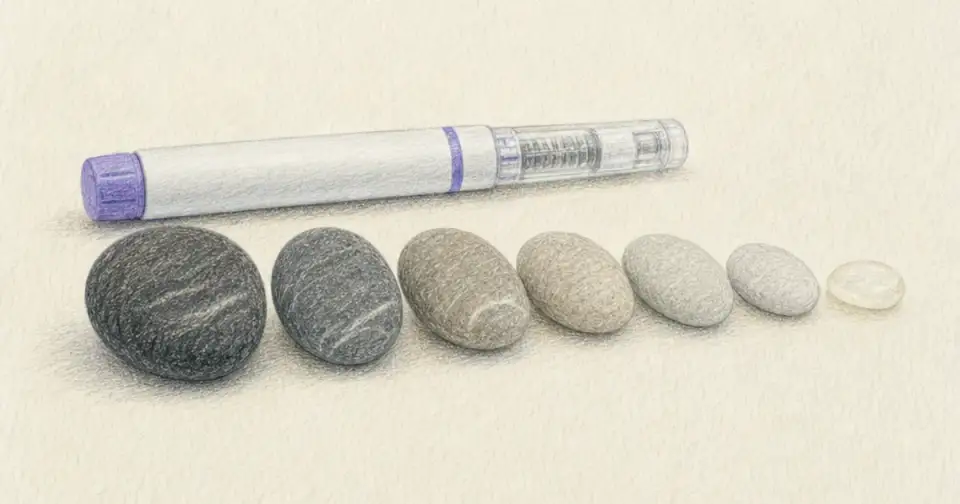

When starting GLP-1 medications, many people want to know how long the drug stays in the body. That matters for side effects, dose timing, surgery planning, and decisions about stopping or switching treatment. Understanding the timing helps you make more informed choices about your GLP-1 plan.
MeAgain’s GLP-1 app can help you achieve these goals with ease. This helpful tool tracks your response to GLP-1 medications, allowing you to manage side effects, adjust dosing, and determine when to stop treatment based on your personal experience.
Table of Contents
- How Long Does GLP-1 Stay in Your System?
- Do You Have to Take GLP-1s Forever?
- Download our GLP-1 app to Turn Your Weight Loss Journey into Your Favorite Game
How Long Does GLP-1 Stay in Your System?
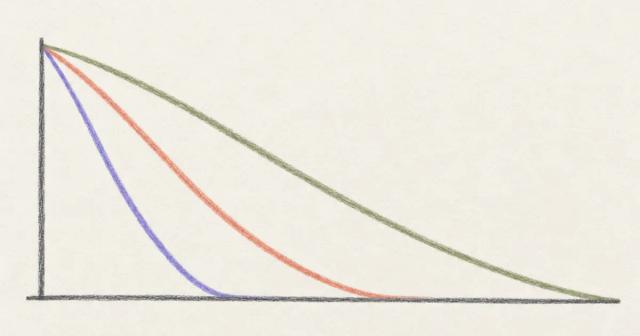
The length of time GLP-1 medications remain in your body depends on the specific drug and its half-life (the time it takes for half the drug to be eliminated from your system). Here’s a general breakdown of some common GLP-1 medications:
- Ozempic® (semaglutide): Stays in your system for about 5-6 weeks after the last dose due to its long half-life of approximately 7 days per dose.
- Wegovy® (semaglutide): Similar to Ozempic, it takes several weeks to fully clear from the body.
- Mounjaro® (tirzepatide): Has a half-life of about 5 days, meaning it could take 4-6 weeks to be eliminated.
- Zepbound (tirzepatide): Similar to Mounjaro, the half life is about 5 days.
Victoza® (liraglutide): A daily GLP-1 with a much shorter half-life of 13 hours, clearing from the system within 2-3 days of stopping.
Even though the medication remains in your system for weeks, its effects on appetite and metabolism can start wearing off sooner, sometimes within days to a couple of weeks.
Factors That Affect How Long GLP-1 Stays in Your System
Several personal health and lifestyle factors can impact GLP1 duration in your body:
Kidney Function
The kidneys help eliminate GLP-1s. If kidney function is impaired, the drug may remain in the system for an extended period. Renal monitoring is crucial, especially if you experience dehydration from side effects like vomiting or diarrhea.
Liver Function
Unlike many oral medications, GLP-1 drugs are not heavily processed by the liver, so liver disease generally does not slow how long they stay in the body.
GLP-1's Half-Life and Dosing Timeline
Long-acting GLP-1 receptor agonists such as semaglutide have an elimination half-life of about 7 days, which allows for once-weekly dosing. Treatment typically begins with a low starter dose (0.25 mg weekly for 4 weeks), followed by gradual increases (0.5 mg, then up to 1–2 mg weekly for Ozempic®, or up to 2.4 mg for Wegovy®), depending on tolerability and clinical response.
Appetite suppression may begin within days, but full weight-loss effects develop over weeks to months. After the final dose, semaglutide can remain in the body for approximately 5–7 weeks, with conservative clinical guidance often citing up to 8 weeks for near-complete washout. As drug levels decline, effects gradually taper rather than stopping abruptly.
Related Reading
- Why Am I Not Losing Weight on Semaglutide
- How Long Does It Take for Glp-1 to Work
- Who Can Prescribe GLP-1
- GLP-1 vs Wegovy
- Is GLP-1 the Same as Ozempic?
- Semaglutide vs Metformin for Weight Loss
- How Fast Does GLP-1 Work
- How Long Can You Take GLP-1
Do You Have to Take GLP-1s Forever?

Long-term use of GLP-1 medications may be necessary for some patients as they work to lose weight and maintain their results over time. Research has shown that individuals who stay on GLP-1s for an extended period (68 weeks or more) can achieve significant weight loss and maintain their results.
Long-Term Use and Lifestyle Integration
How Long Can You Stay on GLP-1 Medications?
GLP-1 medications are approved for long-term use and have been studied extensively for safety and effectiveness over time. Clinical trials lasting 68 weeks and longer show that people who continue treatment are more likely to achieve and sustain meaningful weight loss compared to those who stop therapy.
That said, GLP-1s are not a cure or a standalone solution. They work best when used alongside sustainable nutrition, movement, and behavior changes. These medications help regulate appetite and satiety, creating a more supportive biological environment for weight loss, but long-term success still depends on building habits that can be maintained over time.
For many people, excess weight is influenced by underlying factors such as insulin resistance, hormonal shifts, genetics, or metabolic adaptation. Addressing those contributors, while using a GLP-1 as a supportive tool, can improve both results and durability. As these factors are managed, a healthcare provider can help determine whether continuing, adjusting, or eventually discontinuing medication makes sense.
Addressing Root Causes
To maintain your weight loss over time, you’ll need to continue making healthy lifestyle choices, such as addressing any underlying issues contributing to your weight gain, including:
- Hormonal imbalances
- Dietary changes
- Regular exercise
- Other root causes
What Are the Risks of Taking GLP-1s Long-Term?
The long-term safety profile of GLP-1s is encouraging. The most common side effects of GLP-1s are:
- Nausea
- Diarrhea
- Constipation
- Vomiting
- Abdominal pain
- Headache
In most cases, these side effects improve as your body adjusts to the medication. Nevertheless, some people experience more severe or persistent symptoms that require adjusting their dose or stopping treatment altogether.
Potential Long-Term Risks of GLP-1s
There are also potential long-term risks associated with the use of GLP-1, although further research is needed to understand these effects fully. These may include:
- Pancreatitis (inflammation of the pancreas)
- Gallbladder problems
- Increased risk of thyroid tumors (seen in animal studies)
- Changes in kidney function
- Interactions with other medications
Can You Stop GLP-1s at Any Time?
You have the power to make your own health decisions, but it is advisable to consult with a medical professional before making them. We do not recommend stopping GLP-1s abruptly. Doing so can lead to a rebound effect, where your appetite and cravings return in full force, making it harder to maintain your weight loss progress.
Gradual Tapering of GLP-1 Medications
Instead, we recommend working with your doctor to taper off the medication gradually. The tapering process typically involves slowly reducing your dose of GLP-1s over several weeks or months. This allows your body to adjust to the change, minimizing the risk of experiencing withdrawal symptoms or adverse effects.
Why Do People Stop Taking GLP-1s?
There are various reasons why someone might choose to stop using GLP-1s. While GLP-1 shots are generally well-tolerated, some patients may experience side effects that make it difficult or undesirable to continue treatment. Others don’t get results, even after using the medication for months.
What Happens If You Stop Taking GLP-1s?
If you are considering discontinuing GLP-1s, it’s essential to understand the potential consequences and how to navigate them. A common concern is weight regain. It’s true that when you discontinue the medication, you may experience a gradual increase in appetite and cravings, which can make it more challenging to maintain your weight loss progress. Still, this does not mean regaining weight is inevitable. Continuing healthy habits and making a maintenance plan with your clinician can help reduce that risk.
Related Reading
- Best Time of Day to Take Semaglutide for Weight Loss
- Does GLP-1 Make You Tired
- How Long Does It Take for GLP-1 to Work
- GLP-1 Dosage for Weight Loss
- GLP-1 Constipation
- How Long Does It Take for Semaglutide to Suppress Appetite
Download our GLP-1 app to Turn Your Weight Loss Journey into Your Favorite Game
Starting Ozempic, Wegovy, or Mounjaro? The medication will help you lose weight, but avoiding nasty side effects like muscle loss and severe constipation takes work. MeAgain turns that work into a game with our adorable capybara that helps you hit your protein, fiber, water, and exercise goals. Plus, capture your incredible transformation with our Journey Card, because when you're changing this fast, you'll want to remember every milestone. It's the only all-in-one GLP-1 app that makes staying healthy as addictive as the results it delivers. Download MeAgain and turn your weight loss journey into your favorite game.
Related Reading
- Tirzepatide vs Semaglutide Side Effects
- Microdosing Semaglutide
- How Long Do You Stay on Semaglutide for Weight Loss
- How Fast Does Semaglutide Work for Weight Loss
- Does Semaglutide Make You Tired
- Can You Take Semaglutide With High Blood Pressure Medication
- How to Speed Up Weight Loss on Semaglutide
- Best GLP-1 Supplements
- Which GLP-1 is Best for Weight Loss