
Weight loss can feel like an uphill battle. Even when you find a solution that works, sometimes side effects and the costs of treatment can make it feel like you are fighting a losing battle. If you’ve started semaglutide to help achieve and maintain your weight loss goals, you may have heard of microdosing semaglutide. This emerging strategy could help you achieve a leaner, more confident body by using semaglutide, which offers fewer side effects, lower costs, and greater control over your results.
MeAgain offers a simple solution to help you get there. With our GLP-1 app, you can successfully track your progress, manage side effects, and make any necessary adjustments to your weight loss plan. This app can help you achieve your body composition goals while using semaglutide.
Table of Content
- What are Microdosing Semaglutide, Tirzepatide, and GLP-1s?
- Why Are People Creating Their Custom Doses and is It Safe?
- Download our GLP-1 app to Turn Your Weight Loss Journey into Your Favorite Game
What are Microdosing Semaglutide, Tirzepatide, and GLP-1s?
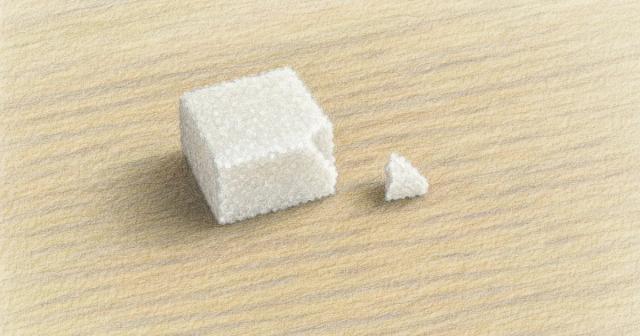
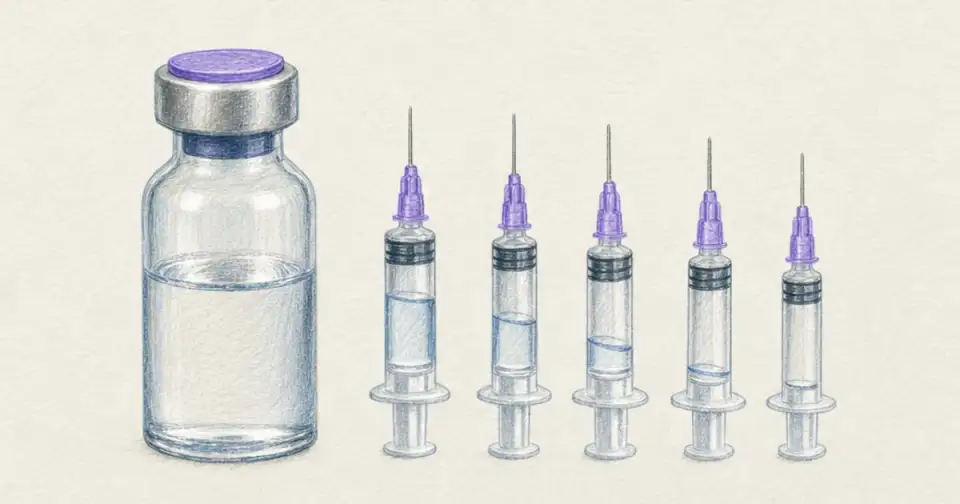
Microdosing refers to administering much smaller amounts of a medication than standard therapeutic doses. In the case of GLP-1 receptor agonists, such as semaglutide (Ozempic, Wegovy) and tirzepatide (Mounjaro, Zepbound), microdosing involves using a fraction of the typical dose to achieve benefits with potentially fewer side effects.
This emerging practice is gaining interest for its potential role in metabolic optimization, weight maintenance, and managing side effects.
Fewer Side Effects and More Flexibility
Anytime you microdose, you run the risk of not putting enough of a drug in your system to get its benefits, but experimenting with lower doses may also come with upsides, including fewer side effects. In addition, flexible dosing lets your doctor cater your treatment plan to your individualized needs instead of sticking strictly with the standard dose options.
When we talk about GLP-1s, a microdose is an amount that’s less than what the manufacturer recommends for weight loss. For example, semaglutide is available in doses of up to 2.4mg, but you can also take 0.25 mg, 0.5 mg, 1mg, or 2mg.
A Gentle Approach to GLP-1s
“Microdosing GLP-1s means you use the smallest amount you can to get to the results you desire,” says Midi’s Chief Medical Officer Kathleen Jordan, M.D. Dr. Jordan built the weight loss program at Midi and has overseen care for thousands of women, with a focus on weight loss at midlife.
That care can include GLP-1s, and in Dr. Jordan’s experience, “many women don’t need to go to the maximum dose when they’re using GLP-1s for weight loss.”
What Are the Benefits of Microdosing Semaglutide?
While the majority of patients on GLP-1s take them at the standard doses, more and more people are starting to talk about microdosing instead. The idea is that microdosing can:
Reduce side effects
It’s common to experience side effects when taking GLP-1s, especially gastrointestinal issues including:
- Nausea
- Vomiting
- Diarrhea
The smaller the dose, the lower the odds of side effects, so microdosing can help someone feel good enough to stay on the medication.
Support a more tailored approach
No two bodies are the same, and so the “right” dose of a medication may be very different for you than it is for someone else. By including the option of microdosing, your provider will be able to personalize your treatment plan to your unique needs.
For instance, if you’ve reached your goal weight on a GLP-1, a microdose may be appropriate for maintaining your current weight over a long period of time.
An Uncharted Frontier: Microdosing and the FDA
The FDA does not currently have guidelines on microdosing GLP-1 medications, and it’s clear that more study is needed to understand the risks, benefits, and efficacy of doses that are lower than those recommended by current prescription guidelines. For example, it’s not yet known whether microdosing can achieve the same level of weight loss as standard doses.
If looking to use a GLP-1 for help with weight loss, you will start with what is essentially a micro-dose: you start on the lowest .25mg dose of semaglutide and then gradually increase the dosing as tolerated, and as needed, as long as it dovetails with your weight loss goals.
Finding Your Maintenance Dose
Once you reach a healthy weight-loss pace, which is one to two pounds a week, you’ll stay at that dose until you achieve your healthy weight goal, even if it’s less than the maximum 2.4mg. “And as soon as you hit your goal weight, you can go back down in doses until you reach the minimum amount you need to keep the weight off,” says Dr. Jordan.
“We want to help avoid gaining everything back. So we go down on the dosing– essentially a trial of what some would call “micro-dosing” -- and check in periodically to make sure you aren’t drifting away from the weight loss goals you achieved.” Dr. Jordan notes that some patients may only require lower doses.
In contrast, others may only require GLP-1 intermittently—for example, every other week—while still others may be able to discontinue it completely. “We work with you to see what’s the least amount of the medication needed to support you in maintaining your best health.”
Who Should Consider Microdosing GLP-1s?
GLP-1s in general are typically recommended and usually only covered by insurance for people with obesity (defined as a BMI greater than 30) as well as those with a BMI greater than 27 and one or more weight-related conditions such as high blood pressure, type 2 diabetes, or high cholesterol.
Custom Dosing for Nuanced Weight Loss
Many experts know that BMI is an imperfect measurement, and these cut-offs leave out many people whose health can still benefit from weight loss. Compounded versions of the drug can be a solution as they are more affordable and also offer more flexibility in dosing. The dosing can be customized— allowing more nuanced micro-dosing.
If you rule out the above and are cleared to take GLP-1s, you still won’t know if the drug is working for you (at either standard doses or a microdose) until you start taking it. You essentially need to try the medication out so your provider can see how quickly you’re losing weight.
“We may start you on a lower dose and as soon as we see that you’re dropping one to two pounds a week, we can keep you there,” says Jordan. You might also consider microdosing if you’ve reached your goal weight and want to reduce the amount of drugs in your system, which is more of a personal preference.
“Many people don’t want to be so dependent on pharmaceuticals, which microdosing supports,” says Jordan. “For some, the time spent on GLP-1s has supported a change in habits and lifestyle that can help them maintain their weight loss on a low dose.”
Navigating Side Effects with Microdosing
Users of the blockbuster GLP-1 drugs may also adjust doses up or down in tiny increments to manage common side effects, such as:
- Nausea
- Vomiting
- Diarrhea
Though microdosing specifically contradicts drugmaker instructions, some people report that they are doing so with the full approval of their doctor or even that it was their doctor’s idea in the first place.
Medical Supervision and Microdosing
Beverly Tchang, MD, an endocrinologist and obesity specialist at NewYork-Presbyterian and Weill Cornell Medicine in New York City, instructs some of her patients to microdose to help balance side effects with weight loss goals. The technique, she says, can be both safe and effective when used under medical supervision.
But some experts worry that some patients who microdose may be acting unsafely.
Related Reading
- Why Am I Not Losing Weight on Semaglutide
- How Long Does It Take for Glp-1 to Work
- GLP-1 vs Wegovy
- Who Can Prescribe GLP-1
- Semaglutide vs Metformin for Weight Loss
- Is GLP-1 the Same as Ozempic?
- How Fast Does GLP-1 Work
- How Long Can You Take GLP-1
- How Long Does GLP-1 Stay in Your System
Why Are People Creating Their Custom Doses and is It Safe?
The Risks of Microdosing Semaglutide
Microdosing semaglutide is considered an off-label and experimental approach, which carries inherent risks. Tchang says, “Errors in microdosing could result in ‘overdosing,’ where you might be exposed to much higher doses than intended.” Obesity medicine experts emphasize that any use of lower-than-approved doses should only occur under close medical supervision and with individualized guidance. Because semaglutide is a potent medication, dosing errors, whether intentional or accidental, can lead to unintended exposure to higher amounts than planned and increase the risk of side effects. Clinicians also caution that dosing strategies are not interchangeable across formulations or strengths, and inappropriate dose adjustments can result in clinically meaningful errors. These risks are amplified when people attempt to modify their treatment without professional oversight. Some experts express concern that microdosing is increasingly pursued for unproven or non-medical reasons, such as longevity or other off-label uses, rather than for carefully managed clinical indications.
Is Microdosing Semaglutide Safe?
Using injectables in this way has not been researched, so the safety has not been established. Nevertheless, it’s unlikely that lower doses would lead to higher safety concerns. Logically, lower doses are likely to mean fewer side-effects. But these drugs do expire after a few weeks, and microdosing could increase the risk of inadvertently using them after their expiration date.
The Dangers of Going Solo
Injecting out-of-date medication can be a significant health risk. For example, it could cause infection if bacteria has started to grow. The biggest concern around the safety of microdosing is if patients are doing it without the knowledge of their treating team (such as their GP, dietitian, and pharmacist).
Since there are no clear guidelines regarding microdosing, patients should approach it with caution and under medical supervision. Their team can assist with issues such as accounting for the limited shelf-life of the medication.
Is Microdosing Semaglutide Effective?
As lower doses than recommended for weight loss have not been tested, we cannot answer this question yet. Nonetheless, reduced side effects at lower doses make it likely there are also reduced therapeutic effects. In my experience, there’s a reason patients increase their doses as recommended: they simply don’t lose enough weight on the starting doses.
A Diabetes-Specific Approach
At the height of semaglutide shortages in 2023, experts from the American Diabetes Association published recommendations around how to prescribe lower doses for patients with diabetes. But these recommendations were for diabetes management, not for patients using the drug for weight loss.
It’s also important to note that for patients using Wegovy to reduce heart attack and stroke risk, which Australia’s Therapeutic Goods Administration recently approved it for, there’s no evidence that cardiovascular benefits will be achieved at lower-than-recommended doses.
Is There Any Role for Microdosing Weight Loss Drugs?
There may be a role for microdosing in certain scenarios, such as when side effects are not manageable or intolerable for patients, even at the lowest introductory dose. There may be a role for individualized approaches. Nevertheless, this is best achieved through clear communication and regular monitoring, ensuring patients are not under-treated.
Dose Adjustments for Supply and Maintenance
Supply disruption: if there’s a supply disruption, lowering the dose or lengthening the time between doses may be preferable to ceasing the medication altogether. Maintenance of weight loss: Once therapeutic levels have helped patients achieve their goal weight, lowering the dose may be a helpful, longer-term approach to maintaining it.
We know stopping these drugs altogether results in rebound weight gain. We await evidence on the effectiveness of microdosing for weight maintenance.
So what’s the take-home message?
Patients who use injectables as part of their approach to weight loss should be under the care of an experienced team, including a GP, who can monitor their progress and ensure they achieve their weight loss safely and sustainably.
Microdosing weight-loss drugs currently has no clear evidence base, but if a person wants to attempt it, they should do so with the full knowledge of their treating team.
Related Reading
- Best Time of Day to Take Semaglutide for Weight Loss
- Does GLP-1 Make You Tired
- How Long Does It Take for GLP-1 to Work
- GLP-1 Dosage for Weight Loss
- GLP-1 Constipation
- How Long Does It Take for Semaglutide to Suppress Appetite
Download our GLP-1 app to Turn Your Weight Loss Journey into Your Favorite Game
Starting a GLP-1 medication like Ozempic, Wegovy, or Mounjaro can feel overwhelming. MeAgain makes it easier. This fun app gamifies healthy habits for people taking GLP-1 medications to lose weight. As you embark on this journey, MeAgain will help you avoid nasty side effects like muscle loss and severe constipation.
Why Do I Need GLP-1s?
GLP-1 meds are life-changing. They help you lose weight by decreasing appetite and increasing feelings of fullness. As you lose weight, your risk for obesity-related conditions like heart disease, diabetes, and certain cancers decreases.
Nevertheless, losing weight too quickly can lead to muscle loss, which can negatively impact your health and appearance. Using MeAgain can help you avoid these side effects and maintain your health while losing weight.
How Does MeAgain Work?
MeAgain gives you goals, and then it helps you reach them. When you start, you will meet your adorable capybara, who will guide you through the process and make it fun. First, you will focus on getting enough protein to help you maintain muscle as you lose weight.
Combating Side Effects with Fiber and Movement
You will work on increasing your fiber intake to help with digestive issues that can occur with GLP-1 medications. You will get moving. Exercise is essential for overall health and can help you keep your transformation goals.
Ready to turn your weight loss journey into your favorite game? Download MeAgain today!
Related Reading
- Tirzepatide vs Semaglutide Side Effects
- How Long Do You Stay on Semaglutide for Weight Loss
- How Fast Does Semaglutide Work for Weight Loss
- Does Semaglutide Make You Tired
- Can You Take Semaglutide With High Blood Pressure Medication
- How to Speed Up Weight Loss on Semaglutide
- Best GLP-1 Supplements
- Which GLP-1 is Best for Weight Loss