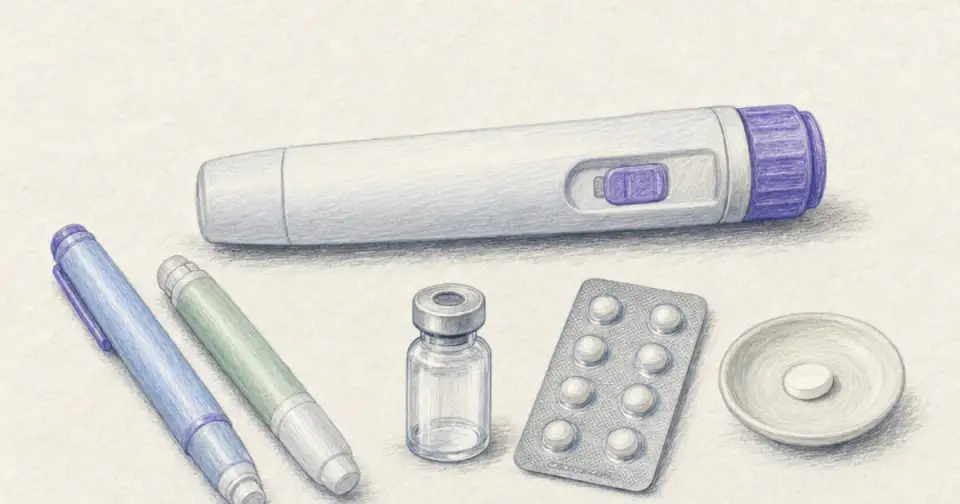

When comparing medications for weight loss or diabetes, it is common to feel confused about how GLP-1 drugs relate to Ozempic. Ozempic is one example of a GLP-1 medication, but it is not the only one, and the broader drug class includes several options with different indications, dosing patterns, and effects.
A solid understanding of GLP-1 Medication Management can help you evaluate which treatment may align best with your health goals. To support better decisions about your treatment plan, our GLP-1 app helps manage your research, track your experience, and compare options like Ozempic and other GLP-1 medications.
Table of Contents
- Is GLP-1 the Same as Ozempic?
- Key Differences Between Ozempic and Other GLP-1 Meds for Weight Loss
- Download our GLP-1 app to Turn Your Weight Loss Journey into Your Favorite Game
Is GLP-1 the Same as Ozempic?

Ozempic The Buzzy Weight Loss Drug
Ozempic is a prescription drug with the active ingredient semaglutide. It is FDA-approved for type 2 diabetes management in adults. Taken weekly via injection, it helps control blood sugar and may promote weight loss. It is not intended for type 1 diabetes or diabetic ketoacidosis. Developed by Novo Nordisk, Ozempic belongs to a class of medications called GLP-1 receptor agonists. Its growing popularity is tied to both its medical effectiveness and its off-label use for weight loss.
Understanding how it works helps explain why it falls under the GLP-1 category. For more information, see types of GLP‑1 Drugs. Always consult a doctor before starting any new medication.
How Ozempic Works as a GLP-1 Drug
Ozempic mimics GLP-1 to manage blood sugar in type 2 diabetes. It prompts the pancreas to release insulin when glucose levels rise. It also reduces glucagon, a hormone that raises blood sugar.
This dual action stabilizes glucose effectively. Beyond diabetes, Ozempic slows gastric emptying, helping users feel full longer.
This reduces appetite, supporting weight loss. Its once-weekly dosing is convenient compared to daily medications.
These effects make it a powerful GLP-1 receptor agonist. Learn more about Appetite on GLP‑1 medications and how it impacts your journey.
Benefits of Ozempic as a GLP-1 Agonist
Ozempic offers multiple benefits due to its GLP-1 mechanism. Clinical studies highlight its effectiveness for diabetes and weight management.
Key advantages include:
- Improved blood sugar control
- Support for weight loss
- Reduced risk of cardiovascular events
- Appetite suppression and improved satiety
These make Ozempic a popular choice for many patients.
Improved Blood Sugar Control
Ozempic lowers HbA1c levels by 1–2% in most users. This metric reflects long-term blood sugar control and is a key indicator in managing type 2 diabetes.
The medication reduces both fasting and post-meal glucose spikes, promoting more stable daily blood sugar levels.
Consistent use helps reduce the risk of diabetes-related complications such as nerve damage. For additional tips on GLP-1 injection management, visit the guide.
Significant Weight Loss
Users often lose 5–10% of body weight, and in some cases, even more. This is primarily due to reduced appetite and slower digestion.
This level of weight loss can lead to meaningful improvements in conditions such as hypertension and sleep apnea.
Because of these effects, off-label use for obesity management has increased dramatically.
Not seeing results? Discover Why Am I Not Losing Weight on Semaglutide.
Cardiovascular Benefits
Ozempic reduces the risk of heart attack, stroke, and cardiovascular death in high-risk patients. Studies show a 26% lower risk in some groups. This is a major advantage for those with diabetes and heart disease. It supports overall health. Explore more in A Closer Look at Top GLP-1s vs Wegovy for weight loss and heart health.
Convenient Dosing
The once-weekly injection simplifies treatment compared to daily pills or injections. Pre-filled pens make administration easy. This improves adherence, leading to better outcomes. Patients appreciate the low maintenance.
Related Reading
- Why Am I Not Losing Weight on Semaglutide
- How Long Does It Take for Glp-1 to Work
- GLP-1 vs Wegovy
- Who Can Prescribe GLP-1
- Semaglutide vs Metformin for Weight Loss
- How Fast Does GLP-1 Work
- How Long Can You Take GLP-1
- How Long Does GLP-1 Stay in Your System
Key Differences Between Ozempic and Other GLP-1 Meds for Weight Loss
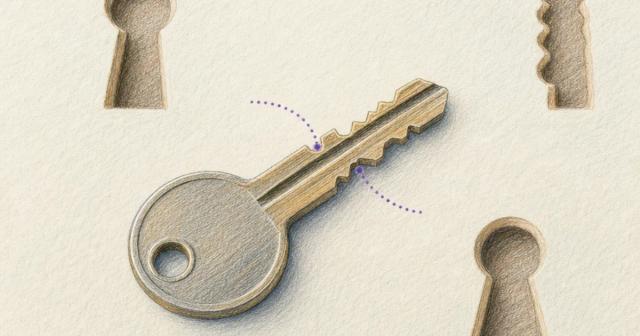
Off-Label, On-Track Most Weight Loss Drugs Aren’t Approved for Weight Loss
Most drugs being used for weight loss weren’t even intended for that purpose. Most of the GLP-1 drugs like Rybelsus, Victoza, Trulicity, and Byetta are intended for the treatment of Type 2 diabetes with beneficial side effects that include weight loss.
One Is Available in Oral Format
Rybelsus is the only GLP-1 medication currently available in an oral format.
Some of Them Are Approved for Weight Loss and Weight Management
Ironically, while the most well-known of the bunch isn’t even approved for weight loss, the majority of the others are. Wegovy, Saxenda, and Zepbound (Tirzepatide) are GLP-1 agonists intended for weight loss and weight management rather than the treatment of Type 2 diabetes.
Some Are More Effective Than Others
Ozempic is a once-weekly injection approved to treat Type 2 diabetes in adults. It can also lower the risk of major adverse cardiovascular events (heart attack, stroke, or cardiovascular death) if a person has both diabetes and heart disease. If someone has diabetes, Ozempic effectively lowers hemoglobin A1C (HbA1C or A1C), which is the average blood glucose level over three months. It also carries a low risk of hypoglycemia (dangerously low blood glucose) and may lead to weight loss. The following sections outline a few Ozempic alternatives with similar features.
Rybelsus The Oral Version of Ozempic
Rybelsus is an oral version of semaglutide, the active ingredient in Ozempic. Instead of injecting Ozempic once weekly, Rybelsus is a pill taken by mouth every day. Compared to other alternatives, Rybelsus may be one of the easiest switches to make. That’s because the manufacturer provides instructions for how to switch from Ozempic to Rybelsus, and vice versa.
However, there are a few reasons why switching to Rybelsus may not be appropriate: the following points summarize key considerations:
Limitations on Dosage
- You’re taking higher Ozempic doses. You can only switch to Rybelsus if you’re taking the 0.5 mg Ozempic dose. If you’re taking higher doses (1 mg or 2 mg), Rybelsus may not be an option since comparable doses aren’t available yet.
Cardiovascular Benefit Considerations
- Rybelsus hasn’t been officially approved for the same cardiovascular benefits as Ozempic, but a 2024 trial found that oral semaglutide cuts cardiovascular risks by 14%.
Difficulty Swallowing Pills
- You have difficulty taking pills. If you can’t or don’t like to swallow pills whole, Rybelsus may not be a good option. It must be taken first thing in the morning every day, at least 30 minutes before food, drink, or other medications.
Trulicity Another Ozempic Alternative
Trulicity (dulaglutide), like Ozempic, is a once-weekly injectable GLP-1 agonist. It functions similarly by helping manage blood glucose levels and offers proven cardiovascular benefits. Weight loss is also possible with Trulicity. The highest Trulicity dose (4.5 mg) appears to have a comparable effect on A1C levels to the 1 mg Ozempic dose. However, it may not be as effective as the highest Ozempic dose (2 mg), and it may lead to less weight loss.
A person's current Ozempic dose and treatment goals can help determine whether switching to Trulicity is appropriate. For those needing additional help lowering A1C or managing weight, Mounjaro—discussed next—may offer better results. The starting Trulicity dose (0.75 mg) should be readily available.
Mounjaro A Newer Ozempic Alternative
Mounjaro (tirzepatide) is a newer once-weekly injection for Type 2 diabetes. It works on the same targets in the body as Ozempic, plus an additional target.
This results in greater A1C reduction and weight loss compared to Ozempic. However, Mounjaro has not been approved for the same cardiovascular benefits yet.
Switching from Ozempic to Mounjaro is possible. A lower starting dose of Mounjaro (2.5 mg) is typically recommended, with gradual increases to find the most effective dose.
Ozempic Alternatives for Weight Loss
Ozempic isn’t approved for weight loss, but it can cause weight loss as a side effect. Because of this, Ozempic is often prescribed off-label for people without diabetes to help them lose weight.
Currently, there are three medications that work in a similar way that are approved for weight loss.
Wegovy The Higher-Dose Ozempic
Wegovy (semaglutide) is a higher-dose version of Ozempic that’s approved for weight loss in adults and adolescents ages 12 and older. For individuals prescribed Ozempic off-label for weight loss, switching to Wegovy may be a logical choice.
If an individual also has heart disease, Wegovy offers proven cardiovascular benefits.
Saxenda The Daily Injection
Saxenda (liraglutide) is another injectable GLP-1 agonist approved for weight loss. Unlike Ozempic, which is administered weekly, Saxenda requires daily injections.
Compared to Wegovy, Saxenda may lead to less weight loss. Depending on product availability and the specifics of the treatment plan, a healthcare team can determine if Saxenda is a suitable option.
Zepbound A New Weight Loss Drug
Zepbound (tirzepatide) is a once-weekly injection that contains the same active ingredient as Mounjaro. Zepbound, though, is specifically approved for weight loss in adults. Because of how it works, Zepbound may result in greater weight loss than Ozempic or Wegovy.
It hasn’t been approved for the same cardiovascular benefits yet. The starting Zepbound dose (2.5 mg) should be available.
Are There Any Over-the-Counter (OTC) Ozempic Alternatives?
Medications that work like Ozempic are only available with a prescription. However, OTC supplements such as berberine are often promoted as natural Ozempic alternatives for weight loss.
There are small studies suggesting that some of these compounds may boost GLP-1 levels, but more research is needed to confirm this. Some individuals may experience modest weight loss with berberine, but there isn't strong evidence supporting its effectiveness.
While berberine may be a helpful addition to other Type 2 diabetes medications, it may not be safe for everyone. It's important to consult a healthcare provider before adding it to a treatment plan.
Natural ways to boost GLP-1 levels include eating healthy fats, lean protein, and soluble fiber such as flaxseeds.
Related Reading
- Best Time of Day to Take Semaglutide for Weight Loss
- Does GLP-1 Make You Tired
- How Long Does It Take for GLP-1 to Work
- GLP-1 Dosage for Weight Loss
- GLP-1 Constipation
- How Long Does It Take for Semaglutide to Suppress Appetite
Download our GLP-1 app to Turn Your Weight Loss Journey into Your Favorite Game
Starting Ozempic, Wegovy, or Mounjaro? These medications can support weight loss, but avoiding unpleasant side effects such as muscle loss and severe constipation requires intentional effort.
MeAgain transforms that effort into an engaging experience through an adorable capybara character that helps users meet their goals for protein intake, fiber, hydration, and physical activity.
Users can also document their progress with the Journey Card, a visual tracker that captures every milestone—ideal when transformation happens quickly.
It’s the only all-in-one GLP-1 app that makes staying healthy feel as rewarding as the results themselves.
Related Reading
- Tirzepatide vs Semaglutide Side Effects
- Microdosing Semaglutide
- How Long Do You Stay on Semaglutide for Weight Loss
- How Fast Does Semaglutide Work for Weight Loss
- Does Semaglutide Make You Tired
- Can You Take Semaglutide With High Blood Pressure Medication
- How to Speed Up Weight Loss on Semaglutide
- Best GLP-1 Supplements
- Which GLP-1 is Best for Weight Loss