

Weight loss can be a challenging journey, especially when you feel stuck and aren’t sure what to do next. If you’ve recently started semaglutide for weight loss, you might be wondering how long you will need to stay on it to reach your goals. While this medication can help you lose weight effectively, you may have questions about its long-term use, such as, “How long do you stay on semaglutide for weight loss?” With the right knowledge, you can use semaglutide to reach your weight loss goals and maintain results without long-term dependency.
MeAgain’s GLP-1 app can help you achieve your objectives, such as losing weight with semaglutide, and understanding how long you need to stay on it to reach your goals and maintain results over time. This tool provides ongoing support and guidance throughout your journey, making it easier to transition off semaglutide when the time is right.
Table of Content
- How Long Do You Stay on Semaglutide for Weight Loss?
- Factors That May Impact How Long You Might Take Semaglutide For
- Is it Possible to Keep Weight off After Stopping Semaglutide?
- Download our GLP-1 app to Turn Your Weight Loss Journey into Your Favorite Game
How Long Do You Stay on Semaglutide for Weight Loss?
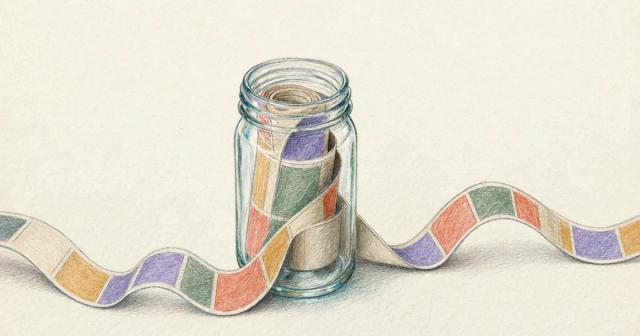
If you’ve been taking Ozempic® or Wegovy® (both of which contain the active ingredient semaglutide), you might wonder, How long can you take semaglutide for weight loss?
You can take semaglutide for weight loss as needed, and it can be taken indefinitely. There’s no set cut-off time, as the drug was initially designed as a diabetes medication and intended for long-term use. If you’re tolerating it well and it’s working for you, you can take semaglutide until you reach your goal weight and then beyond for long-term weight management. This could be for the rest of your life.
Not bad, right?
We’ll share more info on long-term semaglutide use, including how long it takes to start working for weight loss and potential long-term effects.
How Long Can You Take Semaglutide for Weight Loss?
There’s no cut-off for when you need to stop taking semaglutide; you may be able to take it long-term. That applies whether you’re taking Ozempic or Wegovy.
Semaglutide was originally developed to help people with type 2 diabetes manage their blood sugar levels. That means it’s intended for long-term (even life-long) use. If you’re tolerating semaglutide well and it’s helping you lose or manage your weight, you can take it indefinitely. You’ll start on a low dose, gradually increase it, and then maintain a semaglutide dose for weight loss and management.
Studies on Long-Term Wegovy® Use
Wegovy contains the active ingredient semaglutide and is approved by the U.S. Food and Drug Administration (FDA) for chronic weight management in adults with obesity or adults who are overweight with at least one weight-related health condition, such as high cholesterol, heart disease, or sleep apnea, when used with a reduced-calorie diet and increased physical activity. Long-term data from the STEP 5 clinical trial show that once-weekly semaglutide 2.4 mg produced sustained weight loss and was generally well tolerated over two years of treatment.
Four-Year Study Confirms Wegovy®'s Lasting Impact
Participants lost weight during the first 65 weeks of treatment and then maintained their weight loss for the remainder of the experiment. The four-year trial didn’t show any new safety concerns.
Semaglutide in Clinical Trials
The clinical trials typically involved participants taking semaglutide for 68 weeks or more. During these trials, participants experienced significant reductions in body weight, often exceeding 10-15% of their initial weight.
Semaglutide has been found to have positive effects on blood glucose levels, blood pressure, and other cardiometabolic risk factors, making it a valuable medication for individuals with type 2 diabetes or other medical conditions related to excess weight.
STEP 1 Clinical Trial
The STEP 1 trial, published in the New England Journal of Medicine in 2021, was a randomized, double-blind, placebo-controlled study that evaluated the efficacy and safety of semaglutide 2.4 mg for weight management in 1,961 adults with overweight or obesity.
The key findings of this landmark study included:
- Significant weight loss: Participants who received semaglutide 2.4 mg experienced a mean weight loss of 14.9% from baseline, compared to only 2.4% in the placebo group after 68 weeks.
- High responder rate: Approximately 86% of participants in the semaglutide group achieved at least 5% weight loss, and about 69% achieved at least 10% weight loss, compared with 32% and 15% in the placebo group, respectively.
- Improvements in cardiometabolic risk factors: Semaglutide treatment was associated with significant reductions in waist circumference, blood pressure, and triglycerides, as well as improvements in glycemic control and quality of life measures.
- Favorable safety profile: The most common adverse events were gastrointestinal, including nausea and diarrhea, which were generally mild to moderate in severity and decreased over time.
Wegovy®: A Game-Changer in Obesity Management and Its Weight Loss Timeline
The magnitude of weight loss achieved with semaglutide was unprecedented among pharmacologic interventions for obesity, making it a game-changer in the field of obesity management. These findings have led to the approval of semaglutide 2.4 mg (marketed as Wegovy) by regulatory agencies, including the FDA, for chronic weight management in adults with overweight or obesity.
Expected weight loss timeline:
- After 4 weeks: Some weight loss is typically observed within the first month of starting semaglutide, although the amount varies widely between individuals. Early reductions in body weight are seen during the dose-escalation phase, but large changes are not expected this early.
- After 12 weeks: By about three months, participants in the STEP 1 trial showed meaningful weight loss, with averages generally in the mid-single-digit percentage range, compared with minimal changes in the placebo group.
- After 6 months: At around six months, participants receiving semaglutide 2.4 mg had lost approximately 10-12% of their baseline body weight on average, compared with about 3-4% with placebo.
- After 12 months: After one year of treatment with once-weekly semaglutide 2.4 mg combined with lifestyle intervention, average weight loss is approximately 15%, with some individuals losing more than 20% of their baseline body weight and others experiencing more modest reductions of 5-10%.
When Weight Loss May Plateau
For most people, the weight loss achieved with semaglutide begins to plateau around 9 to 12 months of treatment, provided the individual adheres to the medication and lifestyle recommendations. The overall weight loss sustained at 1 to 2 years is often 10 to 15% in responders.
Why You Might Stop Taking Semaglutide
While there’s no official cut-off point, a few factors could mean you have to stop taking semaglutide injections.
These include:
- If you want to get pregnant
- If you experience troubling side effects
Your prescribing healthcare provider can make sure GLP-1 (glucagon-like peptide-1) receptor agonist drugs are right for you before prescribing them. If not, they can recommend an alternative weight loss drug.
Individual Responses and Timelines for Semaglutide
Let your provider know about any changes in your circumstances or if the side effects of semaglutide are causing you concern. They may want to adjust your dose or recommend medication to help manage common side effects.
Do You Have to Take Semaglutide Forever?
Semaglutide is intended for long-term use in weight management, and stopping the medication often leads to weight regain. While treatment can be discontinued because of side effects or other medical reasons, most people will need ongoing therapy, or an alternative long-term strategy, to maintain weight loss after reaching their goal. Decisions about stopping semaglutide should be made with a healthcare provider and paired with a sustainable nutrition and lifestyle plan.
Some people do stop treatment because of side effects, pregnancy plans, cost, or personal preference. In those cases, long-term maintenance usually depends on consistent lifestyle strategies and ongoing clinical follow-up, and some people may need a different medication approach.
Key takeaway: semaglutide can be used long term, but whether you stay on it depends on effectiveness, tolerability, life circumstances, and the long-term plan you build with your clinician.
Related Reading
- Why Am I Not Losing Weight on Semaglutide
- How Long Does It Take for Glp-1 to Work
- GLP-1 vs Wegovy
- Who Can Prescribe GLP-1
- Semaglutide vs Metformin for Weight Loss
- Is GLP-1 the Same as Ozempic?
- How Fast Does GLP-1 Work
- How Long Can You Take GLP-1
- How Long Does GLP-1 Stay in Your System
Factors That May Impact How Long You Might Take Semaglutide For

1. Efficacy: The Key to Staying on Semaglutide for Weight Loss
How long you take semaglutide for weight loss depends on whether your body is responding to it. If you’ve lost adequate weight and aren’t struggling with side effects, your prescribing provider may suggest that you take the drug long-term.
Since the medications often help by decreasing your appetite, they can be beneficial in both losing weight and maintaining weight loss. If you haven’t lost at least 5% of your body weight after taking the full dose of a drug for three to six months, your provider may discontinue or change your weight loss treatment. Together, the two of you may decide to try a different drug to see if it works better or stop using medications altogether.
2. Tolerance to Semaglutide and Weight Loss Medications
As you just read, all medications come with the potential for side effects. Some people experience no side effects, whereas others may find them overwhelming. If you’re finding your medication is more bothersome than you can bear, especially if it is interfering with your daily life and activities, let your health care team know.
Your prescribing provider might be able to adjust the medication dosage to reduce your symptoms. Another option is to try a different weight-loss drug to see if it’s effective and you tolerate it better.
3. Administration Matters for Semaglutide and Weight Loss
Many weight-loss medications require that you inject yourself with the drug. You may face challenges such as needle phobia or have difficulty with proper injection techniques. Injection site reactions, such as:
- Redness
- Swelling
- Itching
It can also be a deterrent. While these reactions are usually mild and transient, they can still be uncomfortable.
Contact your provider to ensure you have thorough training on proper injection techniques to ensure a confident, accurate, and comfortable self-injection. A different type of needle also may help reduce discomfort during injections. Make sure to alter your injection sites regularly and use mild, non-irritating cleansers to help keep the sites clean and reduce the likelihood of a reaction.
4. Cost of Semaglutide and Weight Loss Treatment
Weight-loss medications can be costly, and they’re not always covered by insurance or paid for in the long term. You may want to explore financial assistance programs, as some pharmaceutical companies offer patient assistance programs or co-pay assistance programs to help offset the cost of medications. Your prescribing provider may also be able to prescribe alternative drugs or therapies that are more affordable or have better insurance coverage.
5. Health Status and Semaglutide Treatment for Weight Loss
It may be necessary to stop the medication if you have a change in health conditions. That’s why it’s essential to have ongoing conversations with your health care team to assess your medication. Keep in mind that a lifestyle intervention program can continue to support you on your weight-loss journey regardless of whether you’re taking a weight-loss medication. Stick with the program, even if you don’t take the drugs.
Related Reading
- Best Time of Day to Take Semaglutide for Weight Loss
- Does GLP-1 Make You Tired
- How Long Does It Take for GLP-1 to Work
- GLP-1 Dosage for Weight Loss
- GLP-1 Constipation
- How Long Does It Take for Semaglutide to Suppress Appetite
Is it Possible to Keep Weight off After Stopping Semaglutide?
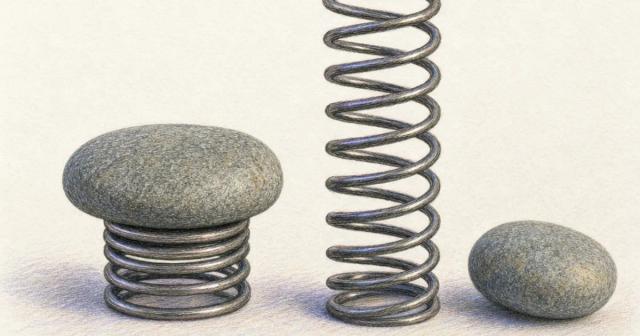
Research and real-world experience suggest that regaining weight after discontinuing semaglutide is a common occurrence. This isn’t a reflection of a lack of willpower or poor choices. It’s the body’s natural response to an increased appetite and decreased feelings of fullness after discontinuing the medication.
Dr. Lauren Lemieux,“an obesity medicine specialist in Boston”, notes that the research suggests that maintaining weight loss after discontinuing semaglutide is a challenging task, even for individuals who adhere to healthy lifestyle interventions.
What happens after stopping semaglutide? Long-term weight management strategies must be employed to achieve sustained results.
How to Keep Weight Off After Stopping Semaglutide
While it’s common to regain weight after stopping semaglutide, there are several strategies that may help you keep the weight off. Here’s what to know.
Keep Up With Your Exercise Routine
Staying active may help reduce weight regain after stopping semaglutide.
Start by aiming for the Centers for Disease Control and Prevention’s recommendations of at least 150 minutes of moderate-intensity aerobic exercise weekly, along with 2 days of strength training. This may help you maintain your weight loss after discontinuing semaglutide. However, you will likely need to engage in more exercise to help maintain your weight loss.
“I always encourage my patients at FORM to build physical activity into their routines from the very beginning,” Dr. Lemieux says. “Our long-term goal is to work up to at least 250 minutes weekly of moderate intensity physical activity, which has been shown to be helpful for weight loss maintenance.”
Mimic Fullness Through Food Choices
Semaglutide works by slowing down gastric emptying, which creates the sensation of being full for longer. Once you stop semaglutide, you can mimic this sensation by adding protein to meals.
Protein has been shown to help slow digestion. Dr. Lemieux also recommends eating “lots of produce, which takes up more space in the stomach but with fewer calories than other foods due to the extra water and fiber content.”
Continue With Professional Guidance
Weight management is a complex issue that can benefit from a team approach. Working with professionals, such as an obesity specialist, a personal trainer, and a registered dietitian, may help you maintain forward momentum for long-term weight management.
What to Do If You Gain Weight Back Quickly
If you gain weight back quickly after stopping semaglutide, Dr. Lemieux recommends taking a close look at everything that’s changed since discontinuing the medication. “Have they moved away from the behaviors that were helping them lose weight in the first place, like tracking foods?” she proposes. You may not realize just how much your lifestyle has changed after stopping semaglutide.
To help you identify patterns that may contribute to rapid weight gain, consider keeping a daily food diary and an activity journal, as well as consulting with a doctor to rule out underlying causes of weight gain. While a doctor may place you back on semaglutide, Lemieux added that not everyone responds to Wegovy. Other weight loss medications may be a better fit for you.
Related Reading
- Tirzepatide vs Semaglutide Side Effects
- Microdosing Semaglutide
- How Fast Does Semaglutide Work for Weight Loss
- Does Semaglutide Make You Tired
- Can You Take Semaglutide With High Blood Pressure Medication
- How to Speed Up Weight Loss on Semaglutide
- Best GLP-1 Supplements
- Which GLP-1 is Best for Weight Loss
Download our GLP-1 app to Turn Your Weight Loss Journey into Your Favorite Game
Starting a GLP-1 medication like Ozempic, Wegovy, or Mounjaro can be a daunting process. These medications help people lose weight, but there are serious side effects you need to be aware of before you begin.
With MeAgain, you can avoid nasty side effects like muscle loss and severe constipation. Our adorable capybara helps you hit your protein, fiber, water, and exercise goals so you can transition to life on a GLP-1 medication with ease.
Track Your Transformation with the MeAgain Journey Card
Capture your incredible transformation with our Journey Card, because when you're changing this fast, you'll want to remember every milestone. It's the only all-in-one GLP-1 app that makes staying healthy as addictive as the results it delivers.
Download MeAgain and turn your weight loss journey into your favorite game.