

Receiving a compounded semaglutide prescription with an unexpected reddish tint can be concerning for anyone relying on this medication for weight management. This color change may indicate issues with the medication's formulation, storage conditions, or quality that could affect both safety and effectiveness. Understanding the cause of this discoloration helps determine whether the medication remains safe to use or requires replacement.
Distinguishing between normal variations and problematic changes in compounded medications requires reliable guidance and tracking tools. MeAgain's GLP-1 app provides essential support for monitoring medication appearance, following proper storage protocols, and knowing when to contact healthcare providers about potential concerns.
Table of Contents
- Why Is My Compounded Semaglutide Red? (And Whether It’s Normal)
- What Changes the Color of Compounded Semaglutide (And Why It Varies by Pharmacy)
- When Red Semaglutide Is Safe and When It’s a Problem (What to Check Before Using It)
- If You're Checking Your Medication This Closely, Don't Miss This Next Step
Summary
- Compounded semaglutide often appears red or pink when vitamin B12 (cyanocobalamin) is added to the formulation. The reddish tint comes from B12's natural cobalt-based pigment, which many compounding pharmacies include to offset fatigue or reduce gastrointestinal side effects during treatment. If your prescription documentation lists B12 as an ingredient, that distinctive color is expected and safe.
- Compounded medications lack the visual standardization of FDA-approved products because each pharmacy sources ingredients independently and follows its own preparation protocols. While all must meet USP Chapter 797 standards for sterile preparations, those standards don't dictate which specific excipients to use or require visual uniformity across pharmacies. This means two patients receiving "semaglutide with B12" from different sources might notice subtle differences in shade intensity, and that variability isn't inherently dangerous.
- The FDA issued warnings in 2023 about compounded semaglutide products, noting concerns about potency variations and the use of unapproved salt forms, such as semaglutide sodium or semaglutide acetate. These salt forms differ chemically from the base peptide in approved products and may behave differently in your body even if the dose looks equivalent on paper. Some pharmacies use these salts because they're easier to source, but that choice introduces variables affecting both appearance and biological activity.
- Unexpected color changes without documented explanation raise legitimate concerns. If your medication suddenly looks different from previous batches and your pharmacist can't provide a clear reason, don't use it until you get answers. Visible particles, cloudiness, discoloration beyond the expected pink or red tint, or any unusual smell all warrant immediate contact with your pharmacy or prescriber before continuing treatment.
- Tracking medication appearance alongside dose timing and side effects creates a baseline that helps you spot changes before they become problems. When you know your semaglutide arrives pink because of B12, you'll immediately notice if it shifts to brown or develops sediment. That pattern recognition matters because the gap between "normal variation" and "genuine concern" often shows up visually first, and most people rely on memory across weeks of injections rather than building a concrete timeline.
- GLP-1 app addresses this by letting you log medication use alongside symptoms and progress, creating a visual record that makes deviations obvious, rather than relying on scattered notes or mental tallies.
Why Is My Compounded Semaglutide Red? (And Whether It’s Normal)
Compounded semaglutide appears red or pink when vitamin B12 (cyanocobalamin) is added. The reddish color comes from B12's cobalt-based pigment, which compounding pharmacies include to reduce tiredness and gastrointestinal side effects. If your prescription lists B12 as an ingredient, this color is normal and safe.

"Cyanocobalamin contains a cobalt ion at its center, which gives vitamin B12 its characteristic red-pink color in pharmaceutical preparations." — National Center for Biotechnology Information

Why do compounding pharmacies add vitamin B12?
Compounding pharmacies customize semaglutide formulations based on individual patient needs, particularly during supply constraints. When they add vitamin B12, the reasoning is clear: semaglutide can trigger fatigue as your body adjusts to reduced caloric intake and metabolic shifts, and B12 helps maintain energy levels. Some pharmacies believe it may ease nausea or vomiting, two of the most commonly reported side effects in early treatment phases. The colored liquid serves a practical purpose: it creates a visual distinction that helps you and your healthcare provider confirm you're using the correct compound, particularly if you're managing multiple medications.
What other additives can change the appearance?
Other additives can shift appearance too. L-carnitine, included for its potential fat-metabolism benefits, typically doesn't change color but indicates that your pharmacy is tailoring the formula beyond the base peptide. Stabilizers and preservatives required for multi-dose vials may introduce slight changes in clarity or color. Each pharmacy follows its own compounding protocols within regulatory guidelines, so two patients receiving "semaglutide with B12" from different sources might notice subtle differences in shade intensity. This variability isn't inherently dangerous, but it underscores the need to know exactly what your prescription should look like.
What are the warning signs to watch for?
Not every red solution deserves your trust. If your prescription paperwork doesn't mention B12 or any other coloring agent, but your vial arrives with a reddish tint, stop before you inject. That difference suggests a labeling error, formulation mistake, or contamination during preparation. Similarly, if your medication starts clear and develops color during storage, something has changed chemically. Degradation or bacterial contamination can alter a solution's appearance, and neither belongs in your body.
Why do cloudiness and particles matter more than color?
Cloudiness or visible particles matter more than color considerations. Semaglutide should remain clear throughout its shelf life, regardless of B12 tinting. Floating solids indicate contamination, while haziness suggests the peptide has broken down or that sterility has been compromised. The FDA has issued clear warnings about unregulated sources distributing fake or improperly made GLP-1 medications, particularly those using unapproved salt forms of semaglutide that lack safety and efficacy testing. Obtaining compounded medication from an unlicensed or uninspected pharmacy risks formulation quality with each dose.
How can tracking help you spot problems early?
Keeping track of your medication's appearance each time you use it establishes a baseline for spotting changes before they become problems. When you know your semaglutide arrives pink because of B12, you'll immediately notice if it shifts to brown or develops sediment. Our GLP-1 app lets you log medication appearance, dose timing, and side effects, building a visual record that makes deviations obvious. Rather than relying on memory over weeks of injections, you create a timeline that connects what you see in the vial to how you feel afterward. But knowing when color is normal only solves half the equation; the real question is why your pharmacy made that choice in the first place.
Related Reading
- How Much Is Compounded Semaglutide
- How to Get Compounded Semaglutide
- Why is Semaglutide Compounded With B12
What Changes the Color of Compounded Semaglutide (And Why It Varies by Pharmacy)
Compounded semaglutide varies in appearance across pharmacies, unlike FDA-approved products. Each pharmacy sources its own active pharmaceutical ingredients and stabilizing agents, so color changes can vary by pharmacy. This variation stems from different compounding choices, not from a defective product.

"Each compounding pharmacy uses different stabilizing agents and excipients, which naturally results in color variations across different sources." — FDA Compounding Guidelines

How does FDA oversight differ between brand-name and compounded semaglutide?
Brand-name semaglutide is under FDA review, with batch-to-batch consistency enforced through standardized manufacturing. Every Ozempic pen looks identical because Novo Nordisk controls the entire production chain. Compounding pharmacies operate differently: they purchase semaglutide powder from USP-standard suppliers, then mix it with buffering agents, preservatives, and tonicity adjusters. The formulation varies by pharmacy based on supplier relationships, preparation protocols, and their approach to optimizing stability or patient experience.
What factors cause visual differences in compounded preparations?
Compounding pharmacies must follow USP Chapter 797 standards for sterile preparations, which control the environment and testing. However, these standards don't specify which ingredients to use or require uniform appearance across pharmacies. One pharmacy might source semaglutide from a European supplier, another from a domestic manufacturer—both meeting purity requirements, but differences in peptide synthesis or storage can alter the final product's appearance. The pH of the buffering solution matters. Semaglutide is stable within a narrow pH range, and different buffering systems (phosphate versus acetate) can create small visual differences while the medication remains chemically sound.
How do salt forms affect semaglutide quality?
In 2023, the FDA warned about compounded semaglutide products due to inconsistent potency and the use of salt forms like semaglutide sodium or semaglutide acetate. These salt forms differ chemically from the base peptide in approved products and may function differently in the body, potentially producing different effects despite identical stated doses. Some pharmacies use these salts because they are easier to source or dissolve more readily, which affects how the product looks and functions in your body.
What causes peptide degradation during compounding?
Semaglutide is a peptide sensitive to light, temperature, and oxidative stress. If a pharmacy's compounding hood isn't properly calibrated or if the solution sits under fluorescent lighting during preparation, peptide degradation can begin before the vial reaches you. Degraded peptides sometimes produce a faint discoloration: a subtle yellow or amber tint that signals molecular breakdown. Properly compounded semaglutide should appear clear and colorless regardless of concentration, so any significant color change (yellow, brown, pink beyond B12 addition, or cloudiness) warrants immediate consultation with a pharmacist before use.
How can tracking help identify quality changes?
When you track your doses in our GLP-1 app, you're creating a visual record that connects what the vial looks like to how you feel afterward. Photographing each vial and noting changes in appearance alongside symptoms or efficacy reveals patterns your memory alone might miss. If your pharmacy changes suppliers or adjusts its formula, that record helps you notice changes quickly, rather than wondering weeks later whether something changed.
Why does standardization matter for patients?
The American Society of Health-System Pharmacists states that compounding should be used only when an FDA-approved product cannot meet a patient's specific medical needs, not to reduce costs. Recent shortages of Ozempic and Wegovy drove many patients toward compounded versions because alternatives were unavailable. This shift means more people are seeing vial-to-vial variation for the first time. The assumption that "medication should always look the same" no longer applies. You're comparing one pharmacy's formulation to its previous batches or to a formulation prepared independently by another pharmacy.
How can you tell normal variation from dangerous problems?
Knowing why color changes matters only if you can distinguish between normal changes and dangerous problems, a line that isn't always obvious when holding the vial.
Related Reading
- What Color Is Compounded Semaglutide
- How To Travel With Semaglutide Compound
- Does Insurance Cover Compounded Semaglutide
When Red Semaglutide Is Safe and When It’s a Problem (What to Check Before Using It)
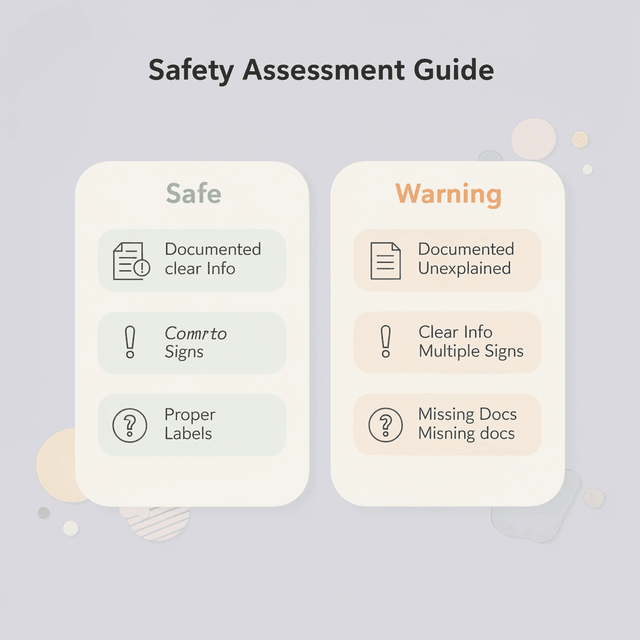
Red or pink coloringin compounded semaglutide isn't inherently unsafe, but it requires verification. If your pharmacy documents what was added (such as vitamin B12) and explains it clearly, you're likely safe. Unexplained color, particularly if accompanied by other signs of contamination, warrants concern.

"Unexplained discoloration in compounded medications should never be ignored, as it can indicate contamination or improper storage that may compromise both safety and efficacy." — Pharmaceutical Safety Guidelines

Safe Indicators | Warning Signs |
|---|---|
Documented additives (B12, etc.) | Unexplained color changes |
Clear pharmacy explanation | Multiple contamination signs |
Consistent coloring | Unusual odor or texture |
Proper labeling | Missing documentation |
What indicates your compounded semaglutide is likely safe?
Your compounded semaglutide is probably fine if it was prescribed by a licensed healthcare provider, prepared by a reputable compounding pharmacy, and the pharmacist can explain its appearance. Most red or pink colors trace back to cyanocobalamin (B12) or other documented additives listed on your prescription label. The solution should remain clear, without floating particles, cloudiness, or unusual smell. Verify that the vial seal is intact, storage instructions were followed (refrigerated between 36°F and 46°F), and the beyond-use date has not passed.
How can you verify pharmacy quality standards?
Pharmacies operating under 503A compounding standards follow clean preparation processes to reduce the risk of contamination. Accreditation through the Pharmacy Compounding Accreditation Board (PCAB) or registration as a 503B outsourcing facility indicates higher oversight. Check pharmacy licensure through your state board of pharmacy or the NABP. Transparency about their process, willingness to answer questions, and documentation such as certificates of analysis are positive indicators.
What warning signs should you watch for?
If your medication suddenly looks different from previous batches and your pharmacist can't explain why, don't use it. Compounded medications from unverified online sources, international suppliers, or sellers outside U.S. regulatory frameworks carry a higher risk of contamination. Visible particles, cloudiness, discoloration beyond the expected pink or red tint, or unusual smell warrant immediate contact with your pharmacy or prescriber.
When should you seek medical attention?
Unexpected side effects after switching batches, particularly severe injection-site reactions (spreading redness, heat, or swelling beyond mild irritation), fever, or systemic symptoms, warrant medical attention. Contaminated compounded products have occasionally caused serious infections, though these cases remain rare. Report adverse events to the FDA's MedWatch program, which helps regulators identify patterns indicating broader safety issues.
How should you contact healthcare providers about medication concerns?
Call your doctor or pharmacist before using medicine that looks different from what you expected. Ask specific questions: What causes this color? Is this form different from my last prescription? Can you verify the source of the active ingredient? Most trusted pharmacies welcome these questions because they understand that patient safety depends on honesty and openness. If you receive unclear answers, defensiveness, or resistance to providing documentation, consider it a sign to seek care elsewhere.
Why is tracking your medication and symptoms important?
Tracking your medication alongside symptoms, side effects, and progress clarifies whether your treatment is working as expected. Our GLP-1 app combines dose tracking, symptom logging, and progress monitoring in one place, making changes in your medication or response easy to spot quickly rather than lost in daily life. Checking that your medication is safe is only half the battle. The other half is knowing what to do when you feel confident it's safe but still aren't seeing the expected results.
If You're Checking Your Medication This Closely, Don't Miss This Next Step
If you're paying close attention to details like the color of your semaglutide, you're on the right track. But once you've confirmed your prescription is safe, the next challenge is supporting your body properly while on it.

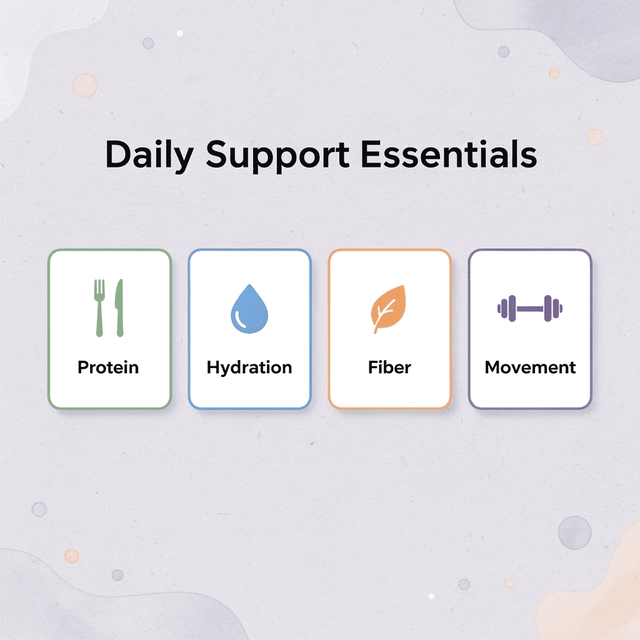
Medications like Ozempic, Wegovy, and Mounjaro can drive weight loss quickly, but without sufficient protein, hydration, fiber, and movement, side effects such as muscle loss and severe constipation become more likely. Knowing what's safe is step one. Executing daily habits is what protects your results.

"Without proper nutritional support, patients on GLP-1 medications can lose up to 40% muscle mass instead of primarily fat." — Clinical Nutrition Research, 2024
Essential Daily Target | Why It Matters | Common Miss |
|---|---|---|
Protein intake | Prevents muscle loss | Skipping meals entirely |
Fiber consumption | Reduces constipation | Focusing only on calories |
Hydration levels | Supports digestion | Forgetting water intake |
Movement/Exercise | Maintains metabolism | Relying on medication alone |
MeAgain helps you do that without overthinking it. Our app transforms your daily GLP-1 routine into a simple game, guiding you to hit your protein, fiber, water, and exercise targets with your capybara companion. Track your progress with your Journey Card to see how your body changes over time.
Download MeAgain, set your daily targets, and track your first day so you're using your medication safely while achieving results you can sustain.