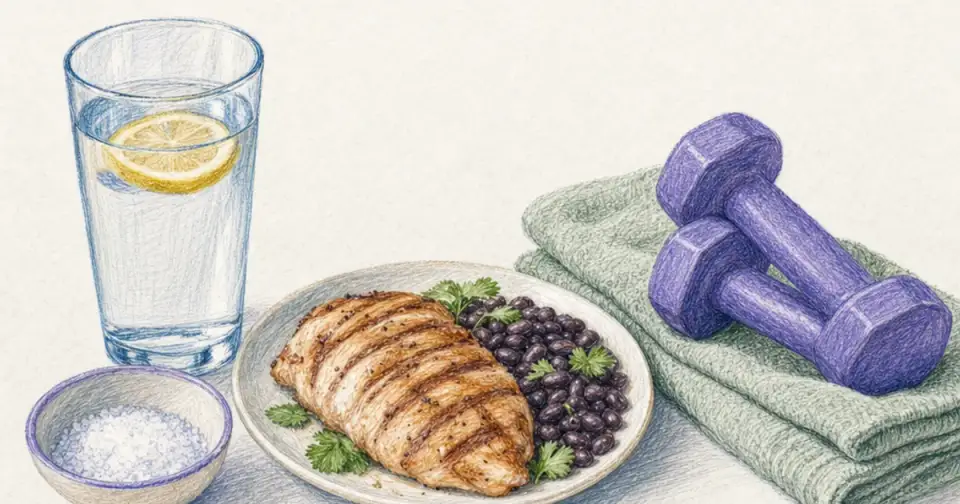

Zepbound is the brand name for tirzepatide, a once-weekly medication for weight loss — the same molecule is sold as Mounjaro for type 2 diabetes. Most people on Zepbound experience some side effects in the first 1 to 4 weeks. Muscle pain is uncommon and not listed among the labeled adverse events in the Zepbound prescribing information, but rapid weight loss on any GLP-1 medication can lead to muscle loss when protein intake and resistance training are not prioritized. This guide covers the 16 most commonly reported Zepbound side effects with FDA-labeled rates, what muscle pain on Zepbound usually means, when to call your clinician, and a daily routine that protects muscle while you lose weight.
Last updated April 2026 · Medically reviewed by Ana Reisdorf, MS, RD · Sources verified against the Mounjaro/Zepbound FDA prescribing information, NEJM SURMOUNT-1, and Lilly’s Zepbound consumer page.
Is Muscle Pain a Side Effect of Zepbound?
Muscle pain is not listed as a direct, labeled side effect in Zepbound clinical trial reports or in the official prescribing information. Trial safety data and the product label focus mainly on gastrointestinal reactions and injection site events, not generalized myalgia or muscle ache. That said, some users report muscle soreness or cramps while taking Zepbound, and those reports deserve attention.
What The Clinical Trials and Prescribing Information Show About Adverse Reactions
Pivotal trials and the Zepbound label show the most frequent adverse reactions as:
- Nausea
- Diarrhea
- Vomiting
- Constipation
- Decreased appetite
- Injection site reactions
Serious events that have been discussed with GLP-1 class medications include pancreatitis and gallbladder-related problems.
Muscle pain or myalgia does not appear among the commonly listed or frequently tabulated adverse events in the prescribing information, so it was not observed at a frequency that placed it on the standard lists of common or uncommon side effects.
How Zepbound Might Indirectly Lead To Muscle Discomfort
Gastrointestinal side effects such as persistent vomiting or severe diarrhea can cause dehydration and electrolyte loss. Dehydration and low electrolytes commonly produce muscle cramps and aches. Rapid or large weight loss can change activity patterns, muscle usage, and recovery needs, which may cause soreness.
Drug interactions or concurrent medicines that cause myalgia could surface while a person starts Zepbound and create the impression that the new drug caused the pain.
Gallbladder Problems Can Mimic Muscle Pain
Weight loss and some GLP-1 medications increase the incidence of gallbladder stones and gallbladder pain in some people. Pain from gallbladder pain often appears in the upper abdomen or right upper quadrant and can radiate into the back or shoulder region.
People sometimes describe pain as muscular or as a deep ache, so that gallbladder pain can be mistaken for muscle pain.
Allergic Reaction And Systemic Inflammation As Possible Causes Of Muscle Soreness
A proper allergic reaction to any injectable medication can produce systemic symptoms, including fever, malaise, and muscle aches. That outcome is uncommon. They should treat that as a possible systemic reaction and seek immediate care if someone develops:
- Hives
- Swelling of the face or throat
- Shortness of breath
- High fever
- Widespread muscle pain after an injection
Practical Steps If You Develop Muscle Pain While On Zepbound
- Check hydration and electrolytes. Increase fluids and consider electrolyte oral solutions if you have ongoing vomiting or diarrhea.
- Review recent activity. Ask if you recently increased exercise or performed unusual physical work.
- Review other medicines. Statins, fibrates, some antivirals, and interactions can produce myalgia. Share a full medication list with your clinician.
- Use conservative measures for mild soreness: rest, gentle stretching, and over-the-counter pain relief when appropriate. Be cautious with nonsteroidal anti-inflammatory drugs if you have ongoing gastrointestinal upset.
- Keep a symptom log noting onset, location, severity, timing relative to injections, associated symptoms such as fever or dark urine, and any GI losses.
When To Contact Your Clinician Now
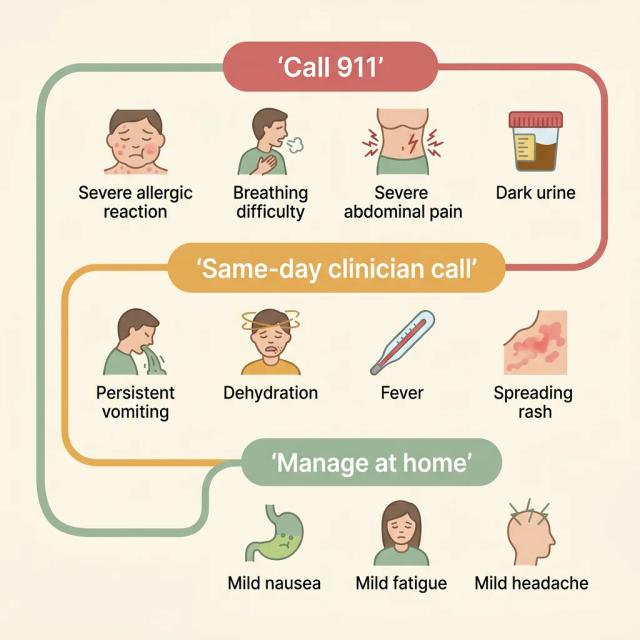
Call your prescriber or seek urgent care if you have any of the following:
- Severe or rapidly worsening muscle pain
- New muscle weakness
- Dark colored urine
- Fever with muscle pain
- Inability to walk or perform usual tasks
- Signs of allergic reaction, such as:
- Breathing difficulty
- Throat swelling
These symptoms can signal serious conditions such as significant electrolyte disturbance, rhabdomyolysis, or a systemic allergic response and require prompt evaluation.
How To Track Symptoms And Talk To Your Clinician
Record dates and times of:
- Injections
- Onset and pattern of muscle pain
- Other symptoms
- Fluid intake
- Stool frequency
- Recent exercise
- All medications and supplements
Bring this log to your visit or message it to your clinician so they can compare timing and triggers. Depending on your signs and history, ask whether they want blood tests such as:
- Basic metabolic panel
- Creatine kinase
- Liver panel
- Imaging for gallbladder disease
I’ve been on MeAgain for about 3 weeks to help me stay on track with my protein, fiber and water needs while taking my Zepbound. I really like the ease of tracking foods and the fact that I can see my progress.
Possible Follow-Up Actions Your Clinician May Consider
Your clinician may evaluate for dehydration and electrolyte imbalance, review other medicines that can cause muscle pain, run a creatine kinase blood test if muscle breakdown is suspected, or order an ultrasound if gallbladder pain is suspected.
They may advise a temporary pause of:
- Nonessential medications
- Adjust treatment for nausea and diarrhea
- Change therapy if they judge a drug-related cause likely
Can Individual Differences Explain Reports Of Muscle Pain
Yes. People vary in sensitivities, other health conditions, and concurrent therapies. Anecdotal reports of muscle ache while on Zepbound can reflect individual reactions that vary from person to person, unmasked underlying conditions, interactions, or secondary effects such as dehydration and altered activity.
Related Reading
16 Possible Zepbound Side Effects

The table below pulls directly from the Zepbound FDA prescribing information adverse-reactions table for the SURMOUNT-1 trial. Rates are pooled across the trial population at each weekly maintenance dose. Most reactions are mild to moderate, peak in the first 4 weeks, and improve as your body adjusts.
Side effect | 5 mg | 10 mg | 15 mg | Placebo |
|---|---|---|---|---|
Nausea | 25% | 29% | 28% | 8% |
Diarrhea | 19% | 21% | 23% | 8% |
Constipation | 17% | 14% | 11% | 5% |
Vomiting | 8% | 11% | 13% | 2% |
Stomach pain | 9% | 9% | 10% | 5% |
Indigestion (dyspepsia) | 9% | 9% | 10% | 4% |
Injection-site reactions | 6% | 8% | 8% | 2% |
Fatigue | 5% | 6% | 7% | 3% |
Hair loss | 5% | 4% | 5% | 1% |
Burping (eructation) | 4% | 5% | 5% | 1% |
Acid reflux (GERD) | 4% | 4% | 5% | 2% |
Less commonly reported reactions in the same trial included flatulence (3 to 4%), abdominal distension (3 to 4%), dizziness (4 to 5%), and low blood pressure (1 to 2%). Hair loss is reported more often in female users (about 7%) than male users (under 1%), and is associated with the rate of weight reduction rather than tirzepatide itself.
For consumer-friendly side-by-side comparisons of Zepbound side effects across users, see the GoodRx Zepbound body aches guide and the Lilly Zepbound side-effects page.
Serious but less common side effects
Beyond the common reactions in the table above, five less common but more serious side effects warrant detailed attention. Each appears in less than 1 to 1.1 percent of trial participants but needs prompt evaluation if symptoms develop.
Hypoglycemia: Low Blood Sugar Risk and Response
Hypoglycemia is more likely in people with type 2 diabetes who use insulin or sulfonylureas alongside Zepbound. About 4 percent of users with diabetes experienced low blood sugar.
Symptoms include:
- Shakiness
- Sweating
- Blurred vision
- Dizziness
Check your blood sugar when symptoms appear.
How to Treat Low Blood Sugar
- If blood glucose is 70 mg per deciliter or less, take 15 grams of fast-acting carbohydrate such as glucose tablets or juice.
- Recheck in 15 minutes and repeat if still low
- Call emergency services if you do not respond to sugar or your level is below 55 mg per deciliter.
- Discuss medication dose changes with your clinician
Allergic Reactions: Recognizing A Serious Response
Severe allergic reactions are rare, under 1 percent. Watch for hives, swelling of the face or throat, trouble breathing, or a sudden drop in blood pressure. Stop the medication and seek immediate emergency care if you experience these signs.
Pancreatitis: Rare But Serious Inflammation of the Pancreas
Pancreatitis occurs in less than 1 percent of users but is serious. Symptoms include severe upper abdominal pain that may radiate to the back and persistent vomiting. Seek emergency medical care right away if you have these symptoms. Do not restart Zepbound after a confirmed episode of pancreatitis.
Gallstones: Signs And What To Do
Gallstones (cholelithiasis) are reported in about 1.1 percent of Zepbound-treated users in clinical trials. Symptoms that suggest gallbladder problems include:
- Severe abdominal pain
- Fever
- Clay colored stools
- Yellowing of the skin or eyes
Contact your clinician for testing and prompt evaluation.
Kidney Injury: Risk Factors And Prevention
Kidney injury has been reported in some users. Because Zepbound can cause nausea, vomiting, and diarrhea, dehydration can occur and worsen kidney function. Watch for swelling, a change in urine output, or very dark urine.
Contact your clinician if you notice these signs.
How to Reduce Kidney Risk
- Drink adequate fluids, especially if you have vomiting or diarrhea
- Seek care for persistent gastrointestinal losses
- Report any changes in urination or swelling promptly
Managing Side Effects and Individual Treatment Plans
Not everyone will experience side effects. A clinician can help manage symptoms, adjust dosing, or decide if Zepbound remains the right option for you.
More Related Reading
Frequently Asked Questions
Can Zepbound affect your muscles?
Zepbound (tirzepatide) does not list muscle weakness or myalgia among the labeled adverse events in its FDA prescribing information. The SURMOUNT-1 clinical trial published in NEJM (2022) did not flag muscle pain as a frequent treatment-related event. That said, rapid weight loss on any GLP-1 medication can lead to lean-mass loss — a 2025 review in PubMed found GLP-1 users can lose up to 15-40% of total weight as lean mass without protein and resistance work. Most reported muscle aches on Zepbound trace to dehydration, low protein, or electrolyte changes — not the medication itself.
How long does Zepbound muscle pain last?
Most muscle discomfort on Zepbound resolves within 1 to 4 weeks once you stabilize hydration, protein intake, and dose. Side effects from the medication itself peak in the first month and typically fade as your body adjusts. If pain persists beyond 4 weeks at a stable dose, talk to your clinician — persistent pain may signal a different cause that needs evaluation, such as dehydration, low electrolytes, or a separate medical condition.
Is muscle pain on Zepbound ever a sign of a serious reaction?
Most muscle pain on Zepbound is mild and self-limiting. Severe or sudden muscle pain combined with dark urine, weakness, or fever is a red flag for rhabdomyolysis or another serious condition and needs immediate medical attention. Pain spreading beyond muscles into joints with swelling, or muscle pain alongside breathing difficulty or facial swelling, also warrants emergency care. When in doubt, contact your clinician the same day.
Does tirzepatide cause muscle loss during weight loss?
All rapid weight loss can include some lean-mass loss, including weight loss on tirzepatide. Adequate protein intake (1.2 to 1.6 grams per kilogram of body weight per day) plus regular resistance training reduce muscle loss substantially. Tracking daily protein is the single most important habit for muscle preservation. People who keep protein high and add 2 to 3 strength sessions per week generally hold on to more lean mass than people who only restrict calories.
When should I stop Zepbound because of muscle pain?
Do not stop Zepbound based on muscle pain alone unless your clinician advises it. Most muscle pain has a non-medication cause: dehydration, low protein, or a recent dose change. Stop and call your clinician immediately if muscle pain comes with dark urine, severe weakness, or fever; if pain spreads with new joint swelling; or if you have shortness of breath or facial swelling alongside the muscle symptoms.
Why am I suddenly getting muscle pain on Zepbound?
Sudden muscle pain on Zepbound usually has 1 of 4 explanations: dehydration (you lose more water at higher doses), low electrolytes (especially potassium and magnesium when GI symptoms are active), inadequate protein during rapid weight loss, or starting/intensifying exercise without adjusting recovery. New muscle pain a few weeks into a dose increase is most often dehydration plus electrolyte loss combined. Drink an electrolyte beverage, hit your protein target, and the pain typically resolves within a few days. If it doesn't, or if it comes with dark urine or weakness, contact your clinician — that combination can signal a more serious condition like rhabdomyolysis.
What are the rare side effects of Zepbound?
Rare but serious Zepbound side effects (less than 1% of trial participants in most cases) include pancreatitis, severe allergic reactions including anaphylaxis, gallbladder disease (cholelithiasis 1.1%, cholecystitis 0.7%), acute kidney injury (0.5%), and rare reports of suicidal thoughts or vision changes from rapid blood-sugar shifts. The Zepbound boxed warning is for thyroid C-cell tumors, observed in rats but unconfirmed in humans — Zepbound is contraindicated for anyone with a personal or family history of medullary thyroid carcinoma. Call your clinician immediately for severe abdominal pain, breathing difficulty, swelling, or any symptom you cannot explain.
Download our GLP-1 app to Turn Your Weight Loss Journey into Your Favorite Game
GLP-1 medications drive rapid weight loss. They also change appetite and digestion in ways that can cause:
- Muscle loss
- Myalgia
- Muscle cramps
- Constipation
- Fatigue
Users inquiring about Zepbound side effects, particularly muscle pain, are noticing a consistent pattern: rapid weight loss, followed by muscle weakness if no action is taken.
MeAgain turns those risks into tasks you can finish each day. Track protein, fiber, water, and movement while your capybara cheers you on.
Protecting Muscle and Avoiding Myopathy When You Lose Weight Fast
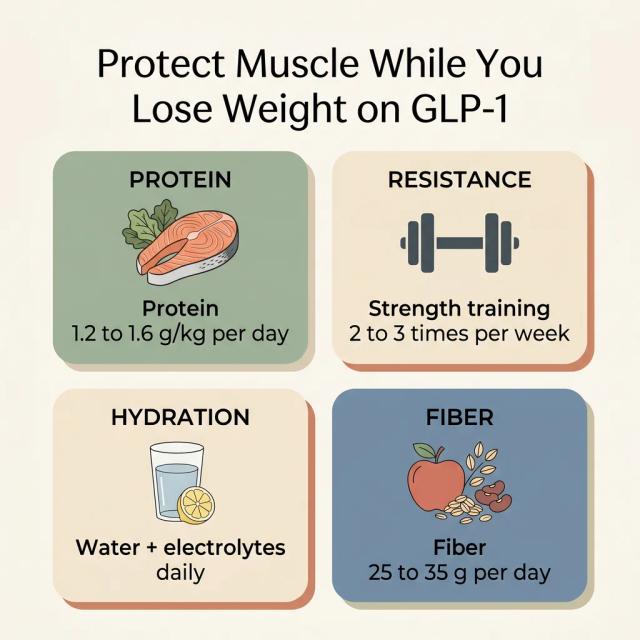
Want to protect strength while losing weight? Aim for protein at every meal. Targets in the 1.2 to 1.6 grams per kilogram bodyweight range reduce muscle wasting and lower the chance of muscle weakness and soreness.
I tried them all, Me Again is the only app I kept and paid the subscription fee. Everything I need in one app: shot /dosage tracking, exercise, food, weight, and macros. Me Again has it *ALL*!
Prioritize leucine-rich sources like dairy, eggs, lean meat, and whey after workouts. Split protein across meals to keep muscle protein synthesis active and use the app to hit timed reminders.
Build Strength With A Short, Focused Resistance Plan
Strength training prevents sarcopenia and eases muscle pain related to deconditioning. Two to four sessions weekly of compound movements, slow controlled reps, and progressive loading preserve lean mass and improve function.
If muscle soreness appears that feels different than normal training pain, log it as myalgia or muscle ache and consider pacing intensity until you check labs or talk to your clinician.
Constipation Control: Practical Steps That Actually Work
GLP-1 drugs slow gastric emptying and change bowel habits. Increase soluble fiber slowly to 25 to 35 grams daily, drink more fluids, and add daily movement to stimulate transit. If stool becomes hard, consider increasing the osmotic agents, such as polyethylene glycol or a magnesium supplement, and try prunes or prune juice as a gentle option.
Track your fiber, water, and bowel logs in MeAgain to see what helps.
When Muscle Pain Means Call Your Clinician Now
Mild muscle soreness is common. Severe muscle pain with marked weakness, swelling, or dark urine could signal rhabdomyolysis or a significant myopathy. Increased creatine kinase is the objective marker clinicians use.
If you notice persistent myalgia, new weakness, or declining ability to do daily tasks, stop intense exercise and contact your prescriber for labs and evaluation.
How MeAgain Gamifies Safe Routines So You Never Miss The Basics
Micro tasks beat vague lists. The capybara rewards points for achieving protein goals at:
- Each meal
- Drinking water every two hours
- Taking a 10-minute movement break
- Logging fiber or bowel movements
Streaks and small rewards make habit formation feel immediate. You set the rules; the app nudges, reminds, and records so you keep muscle protective behavior front and center.
Using the Journey Card to Capture Changes and Side Effects
Rapid change distorts memory. The Journey Card saves photos, measurements, medication doses, and a side effect timeline so you can show your clinician exactly when muscle pain or constipation began relative to dose changes.
Capture strength tests, such as a 30-second sit-to-stand or a push-up count, to document functional gains or losses.
How MeAgain Fits with Zepbound Tirzepatide and Semaglutide Therapies
Tirzepatide and semaglutide produce similar gastrointestinal effects and similar risks for muscle loss when calorie intake falls and activity drops.
Expect shared side effects such as:
- Myalgia
- Muscle stiffness
- Intermittent joint pain
Use MeAgain to standardize protein intake and resistance work while you follow your prescriber's advice about dosing changes and monitoring.
Daily Targets To Track Right Now
Set clear daily numbers and let the app keep score.
- Protein intake should be 20 to 40 grams per meal or 1.2 to 1.6 grams per kilogram per day.
- Fiber intake should be 25 to 35 grams daily, increasing gradually.
- Drink two to three liters of water daily, unless your clinician provides different guidance.
- Movement: 150 minutes weekly of moderate cardio plus two strength sessions.
Log each target and check patterns when muscle soreness or constipation flares.
If you are in your GLP-1 journey, this app will be your best friend. It tracks all your food intake and macros, your activity level, medication level, side effects. 100% recommended.
Safety Checks And Basic Labs To Discuss With Your Prescriber
Ask your clinician about baseline and follow-up labs:
- Kidney function
- Liver enzymes
- Lipids
- Glucose control
If you develop significant myalgia, ask about creatine kinase testing.
Keep a side effect record in MeAgain so labs and symptoms match the timeline and your clinician can act quickly.