

When you use semaglutide for safe weight loss and your care team brings up tirzepatide, the immediate gains can feel promising while questions about long-term safety start to pile up. What should you watch for months and years out, common gastrointestinal symptoms, blood sugar swings and HbA1c shifts, or rarer concerns like pancreatitis, thyroid changes, kidney effects, or cardiovascular signals? This article breaks down Tirzepatide Side Effects Long term with clear evidence, practical monitoring tips, and simple steps so you can feel confident and prepared to manage your health safely and effectively. Additionally, What to Expect With Semaglutide?
Last updated April 2026 · Medically reviewed by Ana Reisdorf, MS, RD · Sources verified against the Zepbound FDA prescribing information, NEJM SURMOUNT-1 (Jastreboff 2022), JAMA SURMOUNT-4 (Aronne 2023), and Lilly’s Zepbound consumer page.
To help with that, MeAgain’s GLP-1 app lets you log symptoms, track labs and dosing, get timely reminders, and turn clinical signs into easy actions so you spot trends and talk to your clinician with confidence.
Understanding long-term safety is essential when purchasing GLP-1 online to ensure you maintain healthy monitoring throughout your treatment journey.
Before you order tirzepatide online, consult with your physician to establish a clear baseline for your metabolic health and ensure your long-term monitoring plan is safely in place.
Securing your semaglutide prescriptions through a dedicated medical service provides the continuous clinical oversight necessary to track your progress and address any long-term health considerations as your body reaches its goal weight.
How Long Do Tirzepatide Side Effects Typically Last?

Tirzepatide activates both GLP-1 and GIP receptors. That double action lowers blood sugar and reduces appetite while slowing or changing digestive rhythm. When those receptors change signaling in the gut and brain, you get weight loss benefits, and the same pathways also cause many of the side effects people feel.
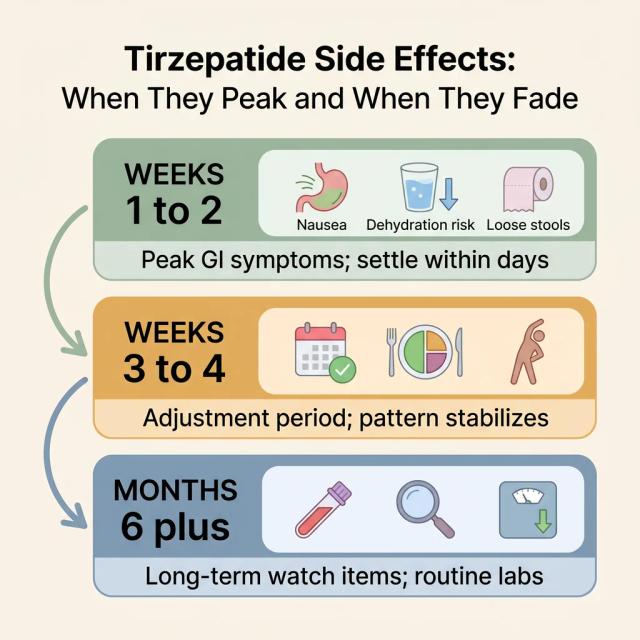
Why Side Effects Occur And Why Timing Varies
Stimulation of GLP-1 and GIP affects:
- Nausea centers
- Gastric emptying
- Bowel motility
- Appetite control
Dose size, how fast a clinician escalates the dose, prior gut sensitivity, other medicines, age, kidney function, and metabolic health all change how someone responds. Some side effects typically appear right after a dose increase and fade as the body adapts. Others may persist or require intervention if underlying conditions interact with the drug.
Common Side Effects You Will See With Tirzepatide
- Nausea: A frequent early reaction as appetite and digestion shift
- Diarrhea: Increased gastrointestinal activity can cause loose stools
- Constipation: Slowed transit can produce harder stools in some people
- Decreased appetite: An intended and often strong effect when weight loss is the goal
Injection site reactions, mild vomiting, and transient fatigue can also occur.
Serious but uncommon events reported in trials or post-market include:
- Pancreatitis
- Gallbladder disease
- Acute kidney injury related to:
- Volume loss
- Allergic reactions
Hypoglycemia can happen when tirzepatide is combined with insulin or certain oral diabetes drugs.
Short-Term Timeline: What Many People Experience In The First 1 To 2 Weeks
Nausea commonly peaks during the first week or two, especially after initial doses or after each upward dose change. Diarrhea also tends to appear early and often resolves within days to a couple of weeks once the body adjusts. These early gastrointestinal reactions are usually dose-related and tied to the escalation schedule clinicians use.
Moderate-Term Timeline: What Can Last Up To About 4 Weeks
Appetite suppression may feel strongest in the first three to four weeks before hunger signals settle into a new pattern. Constipation sometimes continues beyond the first week and often resolves with hydration, fiber, or stool softeners within the first month. Injection site discomfort may continue, but usually remains mild and manageable.
Longer-Term Timeline: Effects Beyond About 4 Weeks, And What We Still Do Not Know
Most people see a decline in common side effects by four weeks. Persistent symptoms lasting beyond a month deserve clinical review because they may need dose adjustment or treatment. Serious but rare problems, such as pancreatitis or gallbladder disease, can present after more prolonged exposure and require immediate attention. Long-term safety signals, such as thyroid C-cell tumor risk, were seen in rodents but are unproven in humans; trials report limited data beyond about 72 weeks, so post-marketing surveillance will further define chronic adverse events and long-term safety.
Clinical Trial Evidence: What The Data Shows About Timing And Persistence
Large clinical programs for tirzepatide included diabetes and weight management trials with follow-up that often extended to 52 to 72 weeks. Trial reports show that gastrointestinal adverse events were most common during dose escalation and decreased over time. Serious adverse events were uncommon in these trials, but rare outcomes and longer-term cardiovascular, renal, or oncologic risks require ongoing surveillance beyond trial lengths.
Factors That Make Side Effects Last Longer Or Become More Severe
Faster dose escalation increases early GI symptoms. Concomitant medications that lower blood sugar raise the risk of hypoglycemia. Pre-existing gastrointestinal disease, impaired kidney function, dehydration, and advanced age can prolong or worsen side effects. Immune response to the drug, known as antibody formation, may alter effectiveness or tolerability in some users.
Management And Practical Steps People Can Use Now
Ask your clinician for a gradual dose escalation plan. Eat smaller, lower-fat meals when you start therapy and avoid large volumes that trigger nausea. Stay hydrated and gradually increase your intake of soluble fiber to help alleviate constipation. Use anti-nausea medication short-term if advised. If you take insulin or a sulfonylurea, discuss dose changes to avoid low blood sugar. Report immediately for:
- Severe abdominal pain
- Persistent vomiting
- Signs of pancreatitis
- Dark urine
- Yellowing skin
- Fainting
Questions To Ask Your Clinician
- How fast will my dose increase?
- Which of my current medicines need adjustment?
- What signs would require stopping the drug or urgent evaluation?
- Will you monitor my kidney, liver, and pancreas while I am on this medicine?
What To Expect During The Adjustment Period
Expect early fluctuations in appetite and bowel habits linked to dose changes. The body often adapts over days to weeks as receptors settle into new signaling patterns. If side effects persist or grow worse with each dose increase, clinicians usually slow escalation, reduce the dose, or suspend therapy while investigating other causes. Withdrawal effects are not well defined, but appetite and glucose levels typically return toward baseline after stopping.
Long-Term Safety Signals And Monitoring Priorities
Watch for rare but serious events that trials could not fully characterize. Pancreatitis and gallbladder issues have been reported in related drugs and in tirzepatide studies at low frequency. Rodent thyroid C cell findings represent a theoretical concern but have not been shown in humans. Cardiovascular outcomes have been studied in diabetes programs, but long-term cardiovascular and renal effects need continued follow-up through registries and post-marketing safety data.
When To Contact Your Clinician Without Delay
It requires immediate contact with your physician if you experience:
- Severe or persistent abdominal pain
- Persistent vomiting or diarrhea causing dehydration
- Fever with severe abdominal pain
- Signs of low blood sugar that you cannot manage
- Sudden bile duct type symptoms
- Allergic reactions at the injection site or system-wide
Realistic Expectations Without Promises
Link Individual response varies, and long-term safety beyond trial periods needs more data. If side effects limit quality of life, your clinician can change the dose, slow escalation, or stop therapy and provide alternative strategies for weight and metabolic management.
Related Reading
- Why Am I So Hungry on Wegovy
- What Should I Expect the First Week of Wegovy
- Zepbound vs Wegovy Side Effects
- Wegovy vs Mounjaro Side Effects
- Wegovy vs Saxenda Side Effects
- Why Does Mounjaro Cause Diarrhea
- Why Does Mounjaro Cause Burping
- Why Am I Still Hungry on Mounjaro
- Does Wegovy Make You Tired
- Can Wegovy Cause Sulfur Burps
- Can Wegovy Cause Yeast Infection
20 Possible Tirzepatide Side Effects Long-term

The table below pulls directly from the Zepbound FDA prescribing information adverse-reactions table for the SURMOUNT-1 trial. Rates are pooled across the trial population at each weekly maintenance dose. Most reactions are mild to moderate, peak in the first 4 weeks, and improve as your body adjusts.
Side effect | Placebo | 5 mg | 10 mg | 15 mg |
|---|---|---|---|---|
Nausea | 8% | 25% | 29% | 28% |
Diarrhea | 8% | 19% | 21% | 23% |
Constipation | 5% | 17% | 14% | 11% |
Vomiting | 2% | 8% | 11% | 13% |
Stomach pain | 5% | 9% | 9% | 10% |
Indigestion (dyspepsia) | 4% | 9% | 9% | 10% |
Injection-site reactions | 2% | 6% | 8% | 8% |
Fatigue | 3% | 5% | 6% | 7% |
Hypersensitivity reactions | 3% | 5% | 5% | 5% |
Burping (eructation) | 1% | 4% | 5% | 5% |
Hair loss | 1% | 5% | 4% | 5% |
Acid reflux (GERD) | 2% | 4% | 4% | 5% |
Less commonly reported reactions in the same trial included flatulence (3 to 4%), abdominal distension (3 to 4%), dizziness (4 to 5%), and low blood pressure (1 to 2%). Hair loss is reported more often in female users (about 7%) than male users (under 1%) and is associated with the rate of weight reduction rather than tirzepatide itself.
For consumer-friendly side-by-side comparisons, see the Lilly Zepbound side-effects page. Two side-effect themes that are commonly discussed online but not labeled in the FDA prescribing information are vivid dreams (post-marketing case reports only) and facial volume loss — both are observed across rapid weight loss generally, not unique to tirzepatide.
Serious but less common side effects
Beyond the common reactions in the table above, several less common but more serious side effects warrant detailed attention. Each appears in roughly 1% or less of trial participants but needs prompt evaluation if symptoms develop.
Serious Pancreatic Risk: Pancreatitis
Acute pancreatitis has been reported rarely in users using tirzepatide. Presenting signs include:
- Severe, persistent upper abdominal pain radiating to the back
- Persistent vomiting
- Fever
- Jaundice
Stop the drug and seek emergency care if these symptoms appear because pancreatitis can progress quickly and require hospitalization.
gallbladder system: Gallbladder Disease And Gallstones
Gallstones and cholecystitis occur rarely and may be linked to rapid weight loss in addition to medication effects. Symptoms overlap with pancreatitis and include:
- RUQ or epigastric pain
- Nausea
- Vomiting
- Fever
- Jaundice
Ultrasound and surgical consultation may be necessary if gallbladder disease is suspected.
Renal Outcomes: Kidney Injury Risk
Tirzepatide may protect renal function chronically, but acute kidney injury can arise from severe vomiting or diarrhea that causes dehydration. Maintain hydration and treat GI side effects early; check serum creatinine and electrolytes when dehydration or persistent GI losses occur.
Endocrine Oncology Warning: Thyroid C-Cell Tumor Risk
Animal studies showed thyroid C-Cell tumors, and labeling carries a boxed warning based on those findings. Human causation remains unproven, but the drug is contraindicated in people with a personal or family history of medullary thyroid carcinoma or multiple endocrine neoplasia type 2. Monitor for neck masses, dysphagia, or persistent hoarseness and evaluate promptly.
Immunologic And Local Reactions: Injection Site And Allergic Reactions
Local reactions such as redness, itching, and mild swelling at the injection site occur commonly and resolve within days. Systemic allergic reactions are rare but can be severe with airway compromise.
Rotate injection sites and seek immediate emergency care for symptoms of anaphylaxis, such as:
- Throat tightness
- Breathing difficulty
- Facial swelling
Mental Health: Anxiety And Depressive Symptoms
Some users report anxiety or changes in mood while on the medication. Clinical evidence is limited, but anecdotal reports underscore the need for vigilance, especially in people with prior mood disorders. Screen for worsening depression or suicidal thoughts and involve mental health professionals when symptoms escalate.
Hepatic Safety: Hepatotoxicity And Liver Injury
Liver injury is uncommon but documented. Watch for:
- Jaundice
- Dark urine
- Persistent right upper quadrant pain
- Unexplained elevations in liver enzymes
Obtain liver function tests if symptoms arise and stop the medication if there is clear evidence of clinically significant hepatic injury.
Related Reading
- Can Ozempic Cause Muscle Pain
- Does Semaglutide Increase Heart Rate
- Does Semaglutide Cause Bruising
- Does Ozempic Cause Hiccups
- Does Wegovy Cause Insomnia
- Does Ozempic Cause Hair Loss
- Does Ozempic Cause Tooth Decay
- Can Ozempic Cause Gallbladder Issues
- Does Ozempic Make You Tired
- Does Ozempic Cause Kidney Stones
When Should I Contact My Clinician about Tirzepatide Side Effects?

Nausea, mild vomiting, diarrhea, and stomach cramping are the most common reactions to tirzepatide. These often improve with time as your body adjusts. Try smaller, more frequent meals, lower-fat choices, and plain foods like rice, toast, and bananas. Stay hydrated and sip electrolyte solutions if you have loose stools. Over-the-counter options such as meclizine for nausea or loperamide for diarrhea can help, but check with your clinician before starting any new medicine, especially if you take other prescriptions. If taste changes or mild injection site redness occurs, clean technique and rotating injection spots usually resolve the issue.
When To Call Your Clinician Versus When to Head to the Emergency Department
Call your clinician promptly if symptoms last more than a few days, get worse, or stop you from doing daily tasks like working or keeping fluids down.
Seek urgent care or the emergency room if you have:
- Severe abdominal pain
- Repeated vomiting
- Fainting
- Signs of severe dehydration
- Trouble breathing
- Symptoms of low blood sugar that you cannot correct.
Ask yourself: Can I eat and hold down fluids? If not, get medical help now.
Recognize Allergic Reactions Early And Act Fast
Watch for hives, widespread rash, swelling of the face, lips, tongue, or throat, difficulty breathing, or sudden lightheadedness after an injection. These signs suggest a severe allergy and require emergency care. Stop using the medication and seek immediate treatment if you notice these symptoms.
Spotting Pancreatitis and Why It Demands Immediate Attention
Severe, persistent upper abdominal pain that may radiate to the back, often accompanied by nausea and vomiting, can signal pancreatitis. Pain that is worse when lying flat or that lasts for hours requires urgent evaluation. If you have this pattern, stop the medication and go to the emergency department so blood tests and imaging can be done right away.
Gallbladder Warning Signs To Watch For During Rapid Weight Loss
Rapid weight loss, whether from medication or other means, raises the chance of gallstones. Sharp pain in the upper right belly, pain after fatty meals, fever, jaundice, or clay colored stools need same-day assessment. These symptoms may indicate gallbladder inflammation or bile duct obstruction and usually require imaging and specialist input.
Recognising Red Flag Digestive Symptoms and When to Seek Emergency Care
When gastrointestinal distress becomes dangerous: dehydration, severe vomiting, and bleeding
Persistent vomiting that prevents you from keeping fluids down can cause dehydration, electrolyte imbalance, and fainting. Profuse diarrhea accompanied by lightheadedness or very low urine output requires urgent medical attention. Black or bloody stools or repeated vomiting with blood are red flags; seek emergency care for evaluation and possible blood work or endoscopy.
Managing Lasting Body Changes and Planning for Healthy Weight Maintenance
Long-term changes to appearance, weight, and metabolism to discuss with your clinician
Some people report facial thinning or changes in facial fat with prolonged use. Rapid weight loss can lead to gallstones and loose skin. Stopping tirzepatide may cause rebound weight gain as appetite and metabolic signals reset. Ask about strategies to preserve lean mass, such as resistance training and protein targets, and discuss a plan for tapering or switching therapy to reduce rebound effects.
Chronic Safety Topics Your Clinician Will Want To Monitor
Long-term safety questions include possible effects on the pancreas, gallbladder, thyroid, and bone. Thyroid C-Cell tumors arose in rodent studies of similar drugs, so report neck lumps, hoarseness, or difficulty swallowing. Monitor blood sugars closely if you take insulin or sulfonylureas to avoid low blood sugar episodes. Ask about periodic labs and imaging when clinically indicated.
Practical Steps To Reduce Side Effects Right Away
Use the prescribed dose schedule; increasing the dose too fast raises the risk of side effects. Take injections at the same time of day if advised. Favor low-fat meals for a few hours around dosing. Sip clear liquids when you feel nauseated and avoid alcohol. Keep a symptom log noting timing, food, and dose to share with your clinician.
What To Do If Side Effects Feel Excessive Or Persistent
If symptoms are severe, stop the medication and contact your clinician or go to emergency care for immediate evaluation. For persistent but not acute problems, request a phone or telehealth visit to review:
- Dose changes
- Anti-nausea or antidiarrheal options
- Alternative therapies
Ask about referral to a specialist such as a gastroenterologist, endocrinologist, or nutritionist when long-term management is needed.
Questions To Ask Your Clinician To Protect Safety Over Time
- Are there labs or imaging you recommend at baseline and during treatment?
- How should we adjust other diabetes medicines to prevent low blood sugar?
- What is the plan if I develop persistent nausea or lose a lot of weight quickly?
- What strategies do you recommend to reduce the risk of rebound weight gain if I stop the drug?
Use these questions to guide a clear monitoring plan.
Frequently Asked Questions
How long do tirzepatide side effects last?
Most tirzepatide side effects — especially GI events like nausea, diarrhea, and constipation — peak in the first 1 to 2 weeks of starting and after each dose increase. About 75% of users see GI symptoms clear within 4 weeks at a stable dose, per the Zepbound FDA prescribing information. A smaller subset (about 4 to 7% of trial participants) experience GI events severe enough to discontinue. If symptoms persist past 8 weeks at a stable dose, contact your clinician.
What are the long-term side effects of tirzepatide?
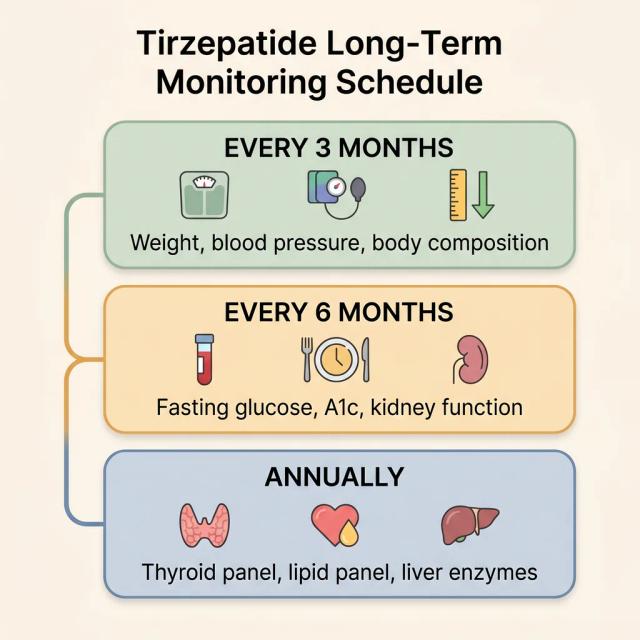
Long-term watch items — beyond the common GI events that fade within weeks — include gallbladder disease (cholelithiasis 1.1% in trials), acute kidney injury (0.5%), and rare cases of pancreatitis (under 1%). The Zepbound FDA prescribing information also carries a boxed warning for thyroid C-cell tumors based on rat studies; relevance to humans is unconfirmed but the medication is contraindicated for anyone with a personal or family history of medullary thyroid carcinoma. Routine 6-month and annual labs help catch any signal early.
Can tirzepatide cause permanent side effects?
Most tirzepatide side effects resolve when treatment is paused or stopped. Permanent effects are uncommon but can occur with rare serious events (acute pancreatitis with complications, gallbladder removal after gallstones, or rare kidney injury that does not fully recover). Stopping tirzepatide reverses most ongoing GI side effects within 1 to 2 weeks. The medication itself does not cause cumulative organ damage in healthy adults at labeled doses.
Is rebound weight gain after stopping tirzepatide common?
Yes. The SURMOUNT-4 trial (Aronne 2023, JAMA) showed that adults who stopped tirzepatide after 36 weeks regained an average of 14.0% of body weight over the next 52 weeks, while those who continued tirzepatide lost an additional 5.5% — a 19.4% between-group difference. About 89.5% of those continuing tirzepatide maintained at least 80% of their lead-in weight loss versus 16.6% of those who switched to placebo. If you’re considering stopping, work with your clinician on a tapered transition plus ongoing nutrition and resistance training.
Does tirzepatide damage the kidneys long-term?
No direct kidney damage from tirzepatide has been documented in the SURMOUNT trials. Acute kidney injury occurred in 0.5% of Zepbound-treated users versus 0.2% on placebo per the FDA prescribing information, and was generally tied to dehydration from severe vomiting or diarrhea — not the drug itself. Maintaining hydration during GI flare-ups is the main prevention. Ask your clinician for a baseline kidney function panel and rechecks every 6 months while on tirzepatide.
Download our GLP-1 app to Turn Your Weight Loss Journey into Your Favorite Game
MeAgain turns weight loss medication management into an easy habit. The app pairs a friendly capybara coach with daily goals for:
- Protein
- Fiber
- Water
- Movement
Track meals and workouts, log symptoms, and capture photos on your Journey Card so you see how your body changes. The game rewards consistent behavior that prevents common complications seen with drugs like semaglutide and tirzepatide. Looking for an app that helps you protect your muscles and digestion while losing weight?
Which Medicine Should I Start: Ozempic, Wegovy, or Mounjaro?
Ozempic and Wegovy use semaglutide, a GLP-1 medication. Mounjaro is tirzepatide, a GIP and GLP-1 dual medication. Both produce consequential weight loss, but they differ in dosing, side effect profiles, and clinical data. Semaglutide often causes nausea, vomiting, diarrhea, or constipation and has robust long-term trial data for safety in some populations. Tirzepatide adds GIP activity and can produce greater average weight loss. Still, clinicians watch for tirzepatide long-term side effects such as gastrointestinal intolerance, changes in heart rate, and potential impact on the pancreas and gallbladder. Which one fits your health profile, insurance, and tolerance? Your prescriber will weigh efficacy, diabetes status, and personal risk factors.
How Meagain Helps Prevent Muscle Loss and Protect Body Composition
Rapid weight loss can remove fat and lean mass. MeAgain focuses on intake targets and resistance exercise to preserve muscle. The app sets daily protein goals based on your body weight and activity, suggests strength training sessions, and times protein to support recovery. It also flags low-calorie days and prolonged deficits that raise the risk of sarcopenia. Looking for a practical protein plan to follow every day?
I have been on my GLP-1 journey for just over 4 months and this app has helped me stay accountable to myself. I’m down almost 30lbs and I haven’t missed a day logging my water intake, food, and my weekly shot! I even showed my dietitian the app and she was impressed with it! I highly recommend this app if you are looking for an all-in-one app for your GLP-1 journey.
Practical Steps Inside The App To Avoid Severe Constipation and Other GI Side Effects
Constipation and nausea are common with GLP-1 and GIP therapies. MeAgain makes it simple to get fiber, fluids, and regular movement. The capybara nudges you to drink water after meals, log fiber-rich foods, and choose stool softening choices when needed. The app also offers gentle bowel routines and reminders to split doses or slow dose ramp-up if your clinician agrees. Do you prefer quick tips, a checklist, or step-by-step guidance for GI symptoms?
Monitoring For Tirzepatide Long-Term Side Effects And Other Safety Signals
Long-term safety monitoring matters. Clinicians watch for pancreatitis, gallbladder disease, pancreatitis symptoms, kidney stress from dehydration, and rare thyroid C-cell concerns reported in rodent studies. MeAgain helps collect symptom trends and flags red alerts like severe abdominal pain, dark urine, or rapid heart rate so you can contact your clinician fast. The app stores medication start dates and dose changes to support post-marketing surveillance and real-world evidence collection. How would automated symptom reports help your clinician manage risk?
Lab Tracking, Vital Signs, And What To Review With Your Prescriber
MeAgain encourages baseline labs and regular checks:
I’ve been using this app since October and it’s really helped me stay motivated and consistent. I like the interface and the reminders. Highly recommend for anyone on glp1.
- Kidney function
- Liver enzymes
- HbA1c for people with diabetes
- Electrolytes
- Lipid panels
Track blood pressure and resting heart rate trends after dose changes. If you take diabetes meds, watch for hypoglycemia when GLP-1 or GIP agents add glucose-lowering effect. The app can remind you to bring a symptom log to appointments and export data for clinicians. Which labs do you want to automate reminders for?
dose ramp-up, Dosing, and Handling Discontinuation or Rebound Weight Gain
Slow dose ramp-up reduces nausea and improves tolerability. The app guides dose ramp-up schedules, dose change reminders, and prompts to pause escalation when symptoms appear. If you stop medication, MeAgain helps plan calorie and protein adjustments to limit rapid rebound weight regain. The app also documents reasons for discontinuation and gathers patterns that inform safe transitions. Do you prefer a clinician-shared plan or a self-guided path for dose ramp-up?
Red Flags And When To Seek Immediate Care
Specific symptoms require urgent attention:
- Severe abdominal pain or vomiting could indicate pancreatitis
- Jaundice or dark urine
- Fainting
- Chest pain
- Sudden shortness of breath
- Severe mood changes
- Suicidal thoughts
MeAgain highlights these red flags and offers quick contact templates for your clinician or emergency services. How comfortable are you with having a clear escalation plan readily available?
How Meagain Supports Long-Term Tolerability And Sustainable Habits
Sustained success depends on:
I’ve enjoyed the features that help me REMEMBER where I am in the journey. Scanning foods makes tracking a breeze! And the symptom tracker keeps me body aware!
- Nutrition
- Exercise
- Monitoring
The capybara game rewards consistent protein, fiber, water, and strength work, so those habits stick. The Journey Card records progress photos and measurements so you can spot healthy trends like preserved muscle mass and improved body composition. The app also tracks tolerability signals like injection site reactions, mood shifts, and sleep changes to help your clinician assess ongoing therapy. Looking for tools to make maintenance as routine as a daily habit?
Insurance, Contraindications, And Clinician Communication Made Simple
MeAgain stores medication lists, allergies, and contraindications to help you discuss options with prescribers and pharmacies. It can export a one-page summary for appointments showing:
- Symptoms
- Labs due
- Adherence
That reduces friction when clinicians review risks such as a personal history of medullary thyroid carcinoma, severe pancreatitis, or other contraindications. Would a clean export help your next visit?
Why The Journey Card And Capybara Matter For Real-World Outcomes
Photodocumented milestones reduce doubt during rapid change. The capybara offers bite-sized nudges rather than guilt and collects small wins tied to behavior that prevents issues like malnutrition, electrolyte imbalance, and falls from low muscle mass. The Journey Card becomes a clinical quality of life and safety record that you and your clinician can use during long-term follow-up. Ready to turn daily prevention into a habit you actually enjoy?
Download MeAgain and Turn Medication Management Into A Daily Practice
MeAgain is built to make adherence, safety monitoring, and lifestyle protection simple while you use:
- Ozempic
- Wegovy
- Mounjaro
The app supports dose ramp-up, symptom logging, lab reminders, and habit formation for protein, fiber, water, and resistance training, so you can keep the results without trading away health. Want to try the capybara coach in your first week?
Related Reading
- Does Mounjaro Lower Cholesterol
- How to Make Wegovy Work Better
- What to Eat While on Wegovy
- What to Eat on Mounjaro
- Does Mounjaro Affect Fertility
- Does Ozempic Cause Eye Problems
- How Long Do Side Effects of Wegovy Last
- Wegovy Mental Side Effects
- Zepbound Side Effects Muscle Pain
- How Much Water Should I Drink on Semaglutide
- Overview of GLP‑1 Side‑Effects