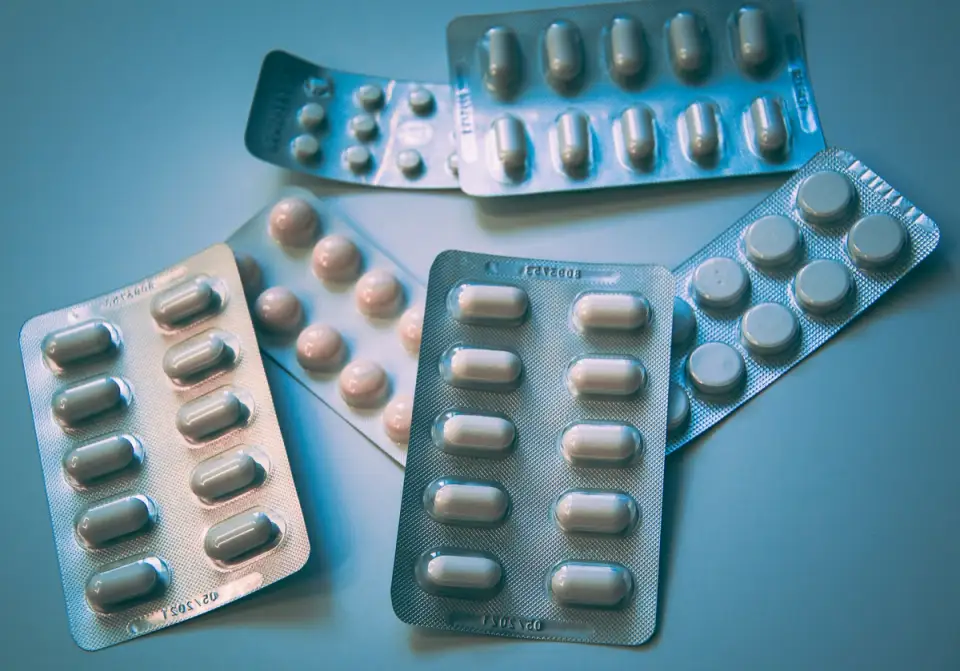

Managing type 2 diabetes or pursuing weight loss goals often means facing a daily choice: injections or pills. For many people, the thought of daily or weekly shots creates hesitation, even when they know GLP-1 medications could change their health outcomes. Understanding how oral GLP-1 medications stack up against their injectable counterparts helps determine which option fits your lifestyle, preferences, and treatment goals. Choosing between a pill and a needle isn't just about convenience.
Oral semaglutide and other tablet options differ from injectable GLP-1 treatments in absorption rates, dosing schedules, effectiveness data, and side effect profiles. These differences matter when selecting the right treatment approach for your body and daily routine. Having clear information makes conversations with healthcare providers more productive and leads to better treatment decisions. MeAgain's GLP-1 app provides personalized insights tailored to your situation, making it easier to compare these treatment options.
Table of Contents
- Why Oral GLP-1 Medications Are Changing the Treatment Game
- 5 Things to Know About the Oral GLP-1 Era
- Available Oral GLP-1 Medications and How They Work
- How Oral GLP-1s Could Fit Into Your Treatment Plan
- Make Oral GLP-1s Work for You with MeAgain
Summary
- Oral GLP-1 medications remove the injection barrier that keeps up to two-thirds of adults with needle anxiety from starting or maintaining treatment. Clinical trials demonstrate that oral semaglutide delivers comparable weight-loss outcomes to injectable versions, with adherent patients achieving 15% weight loss over 64 weeks. However, the daily dosing format requires different adherence patterns than weekly injections, which some patients find harder to sustain long-term.
- Strict fasting protocols create hidden friction that compounds over months of treatment. Rybelsus and Wegovy must be taken on an empty stomach with minimal water, followed by a 30-minute wait before eating, drinking coffee, or taking other medications. This rigid morning ritual disrupts patients with unpredictable schedules, and inconsistent timing reduces drug absorption enough that appetite suppression becomes unreliable, creating the perception that the medication isn't working.
- Small-molecule drugs like orforglipron eliminate cold-storage requirements and dosing restrictions that complicate peptide-based formulations. Unlike oral semaglutide, which requires absorption enhancers and fasting windows, orforglipron can be taken with or without food at any time of day. This flexibility matters for patients managing complex medication regimens or traveling frequently, though FDA approval remains pending, and real-world adherence data outside controlled trials remains limited.
- Oral formulations expand access without reducing costs for most patients. While manufacturing and distribution savings exist (no refrigeration, simpler logistics), insurance-based pricing remains nearly identical to injectables. Patients with employer-sponsored coverage see no meaningful reduction in copays, and pharmacy benefit managers negotiate rebates based on tier placement rather than on production economics, so the cost advantage shows up in profit margins rather than in patient savings.
- Primary care physicians prescribe oral GLP-1s earlier in disease progression than they do injectables. The pill format lowers the psychological threshold for intervening in patients with mild type 2 diabetes, prediabetes with cardiovascular risk factors, or those who haven't responded adequately to metformin alone. This earlier access prevents progression to insulin dependence and reduces complications, though it also increases total utilization and accelerates pharmacy spending growth that employers and payers are struggling to manage.
- MeAgain's GLP-1 app supports both oral and injectable GLP-1 therapies with personalized tracking for protein intake, hydration, side effects, and progress visualization, addressing the daily adherence fundamentals that determine whether any medication format delivers sustainable results.
Why Oral GLP-1 Medications Are Changing the Treatment Game
For years, GLP-1 therapy meant weekly injections that required refrigeration and needles that caused anxiety. This major barrier prevented many people from starting treatment or staying with it. Oral GLP-1 medications enable significantly more people to access and maintain this life-changing treatment.
"Oral GLP-1 medications represent a paradigm shift in diabetes and weight management, removing the logistical and psychological barriers that have limited treatment access for millions of patients." — Endocrinology Research, 2024
The injection barrier was never trivial
Needle phobia is a significant barrier to GLP-1 therapy. Healthcare providers cite fear of injections as a primary reason patients avoid the treatment or discontinue it after starting. Weekly injections present adherence challenges, and the requirement to keep medication refrigerated compounds difficulties for frequent travellers. According to a PwC analysis published in 2025, 15% of U.S. adults are currently taking or have taken GLP-1 medications, yet this figure would likely be higher without injection barriers deterring potential patients from initiating treatment.
How oral formulations actually work
Oral GLP-1s, like injectable versions, mimic the glucagon-like peptide-1 hormone, reducing hunger and slowing digestion, so you feel full sooner and for longer. For blood sugar control, they trigger insulin release and reduce glucagon after meals. The challenge has been that peptide-based drugs like semaglutide are destroyed by stomach acid and digestive enzymes. Rybelsus, the first FDA-approved oral GLP-1 for type 2 diabetes, addressed this by using an absorption enhancer that protects semaglutide long enough for it to enter the bloodstream. The Wegovy pill, approved in December 2025, uses the same approach at higher strengths for weight loss and cardiovascular risk reduction in adults with obesity or overweight.
How do small-molecule drugs change the chemistry?
Orforglipron, currently seeking FDA approval from Eli Lilly, is a small-molecule drug taken by mouth. In the ATTAIN-1 trial with 3,127 patients, those taking orforglipron lost between 7.8% and 12.4% of their body weight over 72 weeks, depending on dose (6mg, 12mg, or 36mg daily), compared to 2.1% for placebo.
Dr. Louis Aronne, lead investigator at Weill Cornell Medicine, noted that while average weight loss was less than that of injectable therapies, the heart and metabolic improvements were substantial: reductions in waist circumference, blood pressure, cholesterol, triglycerides, and HbA1c, all of which matter for long-term health.
What advantages do oral formulations offer for global access
Small-molecule drugs don't require refrigeration, reducing shipping costs and enabling production in regions lacking cold-storage infrastructure. With worldwide demand for GLP-1 therapy already exceeding supply, oral formulations address a critical distribution barrier that prevents millions from accessing treatment.
How can you maximize success with either delivery method?
Whether you choose an oral or injectable GLP-1, success depends on tracking nutrition (especially protein), managing side effects thoughtfully, and monitoring your progress over time. Our GLP-1 app supports both delivery methods with personalized tracking for meals, protein goals, water intake, side effects, and progress—because the medication format matters less than having the right tools to navigate your journey.
Related Reading
- How Long Have GLP-1 Been Around
- Glp-1 Vs Semaglutide
- Wegovy Pill Vs Injection
- Orforglipron Phase 3
- Oral Wegovy Vs Injection
5 Things to Know About the Oral GLP-1 Era
The FDA approval of oral semaglutide for weight management in December 2025 was an important milestone, but it didn't solve the basic tension between access and cost. Oral GLP-1s give patients more choices, especially those who want to avoid injections. However, early pricing signals show they're not positioned as budget-friendly alternatives. For employers watching pharmacy spending climb, oral formulations may increase the number of people using them faster than they reduce costs.
"Oral GLP-1 formulations represent a significant advancement in patient choice, but early pricing signals suggest they're positioned as premium options rather than cost-saving alternatives." — Healthcare Economics Analysis, 2025
Factor | Injectable GLP-1s | Oral GLP-1s |
|---|---|---|
Patient Preference | Lower for needle-averse | Higher convenience |
Pricing Position | Established market rates | Premium positioning |
Adoption Potential | Steady growth | Accelerated uptake |
Cost Impact | Predictable | Potentially higher |

1. How do oral GLP-1s affect treatment accessibility?
The Wegovy pill removes needle anxiety as a barrier to GLP-1 therapy. According to NPR's reporting on oral GLP-1 medications, a 64-week phase 3 trial showed 15% weight loss in patients who took the medicine as directed, comparable to that seen with injectable semaglutide.
Why don't oral medications reduce patient costs?
Even though oral medications cost less to produce (no refrigeration required, easier delivery), insurance-based pricing remains nearly identical to injectable medications. Cash-paying patients might save a few hundred dollars, but those with employer-sponsored health insurance see no reduction in copays or out-of-pocket costs.
This pricing reflects how pharmacy benefit managers negotiate rebates and tier placement rather than production costs. Manufacturing advantages appear in profit margins rather than patient savings when insurance intermediates the transaction.
2. How does utilization growth impact budgets more than unit costs?
GLP-1 therapies dominate pharmacy spending growth and budget conversations despite serving a relatively small percentage of covered members. Oral formulations appeal to injection-averse populations who previously avoided treatment entirely. This expanded access is clinically valuable but amplifies cost pressures that employers and payers struggle to manage. When demand broadens without a meaningful price reduction, total spending accelerates.
What challenges do employers face with immediate budget impact?
Employers face a growing challenge: workforce health improvements from GLP-1 therapy (reduced heart disease risk, better metabolic control, improved mobility) create real value, but budget impact occurs immediately while health outcomes take years to materialise. Oral options make therapy feel more accessible to employees hesitant about starting treatment, intensifying cost pressure.
3. Why do strict dosing requirements create adherence challenges?
One core assumption behind the enthusiasm for oral GLP-1 is better adherence than with weekly injections. However, real-world evidence remains limited, and strict dosing requirements introduce friction absent with injectables.
Oral semaglutide must be taken on an empty stomach with minimal water, followed by a 30-minute fasting period before eating or drinking anything else. Missing this window or taking it inconsistently significantly reduces absorption.
How does daily dosing compare to weekly injections in real-world settings?
Taking a pill daily for months and years differs from getting a shot once a week. People who travel frequently, work irregular shifts, or lack a consistent morning routine may find weekly injections easier to maintain than daily pills.
Insurance companies remain cautious about relinquishing control until real-world data demonstrate that pills work better in the long term. Clinical trials select for highly motivated, closely monitored participants; whether that translates when someone juggles work stress, family obligations, and inconsistent sleep schedules is the question that matters for real-world value.
Success with pill or shot GLP-1 therapy depends on tracking the basics: consistent protein intake, hydration, side effect patterns, and progress over time. Our MeAgain GLP-1 app supports both delivery methods with personalized tracking for meals, protein goals, water intake, side effects, and progress, since the medication format matters less than having the right tools to navigate your journey.
4. How are managed care organizations adapting their utilization management strategies?
Managed care organisations are improving how they manage medicine use in response to growing demand for GLP-1 drugs. They are using prior authorisation, step-therapy protocols, and medical-necessity documentation to control access. Plans must decide whether to offer oral versions as a first choice or require patients to try other therapies first.
Some prefer oral GLP-1s to reduce injection-related support costs and improve member satisfaction, while others use step edits requiring patients to try injectable versions before approving oral options.
How do pharmacy benefit managers use oral formulations in negotiations?
Pharmacy benefit managers are using oral forms of GLP-1 drugs as bargaining tools to negotiate better prices across the entire drug class. This affects which tier a drug is placed in and how much patients pay out of pocket, making oral options easier or harder to access depending on the insurance plan's structure.
The result is inconsistent coverage across plans. Patients with similar health needs may face different approval processes and out-of-pocket costs depending on their insurance.
5. How do employers balance workforce health against rising drug costs?
Surveys of employers show that expensive specialty drugs, including GLP-1 receptor agonists, risk making benefits unaffordable. Employees want access to effective weight management therapies, and employers recognise that healthier workers benefit the company in the long term.
But when pharmacy costs jump 20-30% year over year due to GLP-1 use, benefits teams feel compelled to impose limits that seem to undermine employee health.
Why do oral GLP-1s create additional coverage challenges?
Oral GLP-1s intensify this pressure. The pill format makes therapy feel less clinical and more routine, likely increasing employee inquiries and prescription requests.
Employers are responding with targeted strategies: enhanced eligibility criteria requiring documented weight-related comorbidities, vendor-managed programs bundling medication with coaching or lifestyle interventions, and integration with existing wellness initiatives.
These approaches aim to control utilization while maintaining access, but they create administrative friction that delays or denies coverage for employees who don't fit narrow criteria.
What complexities do oral GLP-1 therapies reveal?
Oral GLP-1 therapies expand treatment options, but challenges persist with cost, adherence, and appropriate use. Understanding which oral medications are available and how they work reveals complications most people overlook.
Available Oral GLP-1 Medications and How They Work
Three oral GLP-1 medications are the options available: Rybelsus (approved for type 2 diabetes and cardiovascular risk reduction), Wegovy pill (approved for weight loss and cardiovascular protection), and orforglipron (seeking FDA approval for both indications). They differ significantly in how they survive digestion, the doses required, and whether they must be taken with meals.
"Oral GLP-1 medications represent a breakthrough in diabetes and weight management treatment, offering convenient pill form instead of daily injections."
Medication | Primary Indication | FDA Status |
|---|---|---|
Rybelsus | Type 2 diabetes + CV risk | Approved |
Wegovy pill | Weight loss + CV protection | Approved |
Orforglipron | Both diabetes + weight loss | Pending approval |
What makes Rybelsus different from injectable semaglutide?
Rybelsus contains semaglutide, the same active ingredient as injectable Wegovy and Ozempic, paired with an absorption enhancer called SNAC that protects the peptide from stomach acid. Without SNAC, oral semaglutide would break down before reaching therapeutic levels.
The medication comes in two formulation schedules: R1 (3 mg, 7 mg, 14 mg) with 0.4-1% bioavailability, and R2 (1.5 mg, 4 mg, 9 mg) with 1-2% bioavailability. Your provider selects one based on your needs, with gradual titration over 30-60 days to minimize gastrointestinal side effects.
How should you take Rybelsus for the best results?
Take Rybelsus on an empty stomach with no more than 4 ounces of plain water, then wait at least 30 minutes before eating, drinking, or taking other medications. Smaller water amounts and longer fasting windows increase drug absorption; inconsistent absorption creates the "up and down appetite control" that makes patients feel the medication isn't working.
List price is $997.58 monthly, though manufacturer savings programs reduce it to $10 for eligible insured patients.
What is Wegovy, and how does it differ from other semaglutide options?
Ro reports that the Wegovy pill launched in December 2025 as the first oral GLP-1 approved specifically for weight loss rather than diabetes management. It uses the same SNAC-protected semaglutide chemistry as Rybelsus but reaches a maximum daily dose of 25 mg, compared to Rybelsus's 14 mg ceiling.
Weight management typically requires greater GLP-1 receptor activation than blood sugar control alone. The titration schedule spans 90 days, starting at 1.5 mg and progressing through 4 mg and 9 mg to reach the full 25 mg maintenance dose.
How effective is 25 mg, and what does it cost?
The dosing restrictions mirror those of Rybelsus: an empty stomach, minimal water, and a 30-minute wait before consuming anything else. At 25 mg, 90% of patients show semaglutide levels ranging from 27 to 186 nmol/L, compared to the narrower 51–110 nmol/L range achieved with 2.4 mg weekly injections.
This unpredictability frustrates people who experience variable day-to-day appetite suppression. List price reaches $1,349.02 monthly, though direct channels like Ro offer $149–299 pricing for cash-pay patients.
How does orforglipron's small molecule design change the chemistry?
Orforglipron represents a fundamentally different approach. Rather than protecting a peptide drug with an absorption enhancer, Eli Lilly engineered it as a small molecule from the start, designed for oral delivery without requiring fasting protocols. You can take orforglipron with or without food, eliminating the strict morning routine that creates adherence friction with semaglutide formulations.
Clinical trials tested doses from 3 mg to 45 mg, though the final approved titration schedule remains pending FDA review. This flexibility matters for people whose work schedules, travel patterns, or family obligations make consistent empty-stomach dosing impractical.
What are the pricing and storage advantages?
The projected pricing starts at $149 for out-of-pocket patients and reaches $399 for higher doses, positioning orforglipron below current oral semaglutide options if these prices hold at launch. The small-molecule structure eliminates the need for cold storage, which is important for patients in areas with limited refrigeration or while travelling.
MeAgain's GLP-1 app works with all oral and injectable GLP-1 therapies, offering personalized tracking of protein intake, water consumption, side-effect patterns, and progress visualization. Success depends on having the right tools to navigate your journey, regardless of which medication you use.
But understanding which oral medication is available doesn't answer the harder question: which one fits your specific situation, and when does an oral option make more sense than injections?
Related Reading
How Oral GLP-1s Could Fit Into Your Treatment Plan
Oral GLP-1s make practical sense for people who avoid injections, patients with early-stage type 2 diabetes needing metabolic support before complications develop, and anyone whose lifestyle makes daily medication easier to maintain than weekly shots. They work best with consistent nutrition tracking (especially protein intake), hydration habits, and side effect monitoring. The question isn't whether oral GLP-1s work, but whether they fit your routine, medical history, and willingness to manage strict dosing requirements.
"Oral semaglutide shows comparable efficacy to injectable forms when patients maintain consistent daily dosing and follow strict timing requirements." — Clinical studies demonstrate that adherence is the primary factor in treatment success

Needle anxiety creates a real treatment barrier
Up to two-thirds of adults report needle fear, which prevents them from starting GLP-1 therapy or causes them to quit after a few weeks when weekly shots become difficult to maintain. Oral formulations remove this barrier. Clinical outcomes remain comparable (semaglutide works the same way whether injected or swallowed), but the delivery method shifts from something that triggers avoidance to something routine. If weekly injections have prevented you from starting GLP-1 therapy, an oral option changes the calculation entirely.
Early-stage diabetes benefits from lower prescribing thresholds
Primary care doctors often hesitate to prescribe injectable GLP-1s for mild type 2 diabetes, viewing the treatment as disproportionate to disease severity. Oral formulations like Rybelsus lower that threshold, enabling earlier intervention before blood sugar control deteriorates. Patients with HbA1c levels above target, inadequate response to metformin alone, or prediabetes with significant cardiovascular risk become candidates for GLP-1 therapy without specialist referrals or prior authorisation delays. The pill format simplifies patient-provider conversations, which matters when early intervention prevents progression to insulin dependence.
Why do strict dosing requirements create adherence challenges?
Rybelsus and the Wegovy pill require you to take them on an empty stomach with minimal water, then wait at least 30 minutes before eating, drinking coffee, or taking other medications. Running late for work, travelling across time zones, or unpredictable family obligations can disrupt this routine.
People who struggle with taking daily medications on schedule or managing multiple morning medications may find the fasting requirement harder to maintain than a weekly injection they can schedule intentionally. Orforglipron's flexibility (take it anytime, with or without food) addresses this issue, but it's not yet FDA approved. If your mornings are chaotic or your schedule changes frequently, the dosing protocol matters as much as the medication format.
How does daily consistency differ from weekly injections?
Doing something every day for months requires a different discipline than a weekly injection. The strict fasting routine and 30-minute wait before coffee create friction that accumulates over time. Missing doses or taking them at different times reduces drug absorption, making appetite suppression feel unreliable.
The medication only works if you build a routine around it, and for some patients, daily pills are harder to maintain than weekly shots.
How does combining oral GLP-1s with other medications affect your treatment plan?
If you're taking insulin, the risk of low blood sugar increases when you add a GLP-1 medication. Your healthcare provider must adjust insulin doses carefully and monitor blood sugar patterns closely during the first few months.
Patients on multiple morning medications (thyroid hormones, blood pressure drugs, supplements) face timing conflicts with oral semaglutide's fasting requirement, requiring staggered doses that complicate daily routines. Orforglipron eliminates that coordination problem, but until approval, patients managing complex medication regimens may find injectables simpler to integrate.
What should you discuss with your provider before starting oral GLP-1s?
Talk to your provider about whether an oral GLP-1 is appropriate for your specific medication list, medical history (especially thyroid cancer risk), and daily routine.
But knowing when oral GLP-1s make sense doesn't prepare you for the side effects that occur regardless of format, or for how to manage them.
Make Oral GLP-1s Work for You with MeAgain
Oral GLP-1 medications remove the injection barrier, but results depend on the same fundamentals: hitting protein targets, staying hydrated, tracking side effects, and maintaining consistency. Most people underestimate the discipline required or how quickly inconsistent dosing creates appetite fluctuations that cast doubt on the medication's effectiveness.
"The medication format matters less than having tools that make healthy habits feel rewarding." — Weight management requires systematic tracking and behavioral consistency.
Instead of managing spreadsheets, food journals, and side effect notes across multiple apps, you need a system that makes tracking stick. MeAgain's GLP-1 app gamifies the habits that matter: protein intake, fibre goals, hydration, and exercise milestones. A capybara guides you through daily targets, the Journey Card captures transformation photos, and real-time progress tracking shows whether you're building momentum or slipping. Whether you're taking Rybelsus, waiting for orforglipron approval, or using the Wegovy pill, the medication format matters less than having tools that make healthy habits feel rewarding.
Download MeAgain today and turn your weight loss journey into your favorite game. Rediscovering yourself happens one tracked meal, one logged workout, and one intentional choice at a time.