

Semaglutide injections have gained attention for their impressive weight loss results, but a pill version now offers the same benefits without needles. Many people wonder whether oral semaglutide can truly match the effectiveness of injections. Understanding the differences between these two forms helps determine which option aligns better with individual lifestyles and weight loss goals.
Navigating different GLP-1 medications and their real-world outcomes can feel overwhelming when making health decisions. Tracking progress and comparing results becomes easier with the right tools and support system, allowing patients to stay informed and confident throughout their treatment journey with MeAgain's GLP-1 app.
Summary
- The FDA approved 25mg oral semaglutide for weight loss in December 2024, making it the first oral GLP-1 available for weight management. While clinical trials showed patients lost an average of 13.6% of their body weight over 64 weeks, the medication's 1-2% bioavailability compared to 89% for injections means that absorption variability can lead to unpredictable results when dosing protocols aren't followed precisely.
- Perfect adherence to the fasting protocol matters more than most people realize. The OASIS 4 trial found that patients who followed dosing instructions exactly achieved 16.6% weight loss, while the average was 13.6%. That 3% gap reveals how much timing affects absorption, and missing the 30-minute fasting window or drinking coffee too early directly reduces how much medication enters your bloodstream.
- Daily oral dosing compensates for poor absorption rather than offering true convenience. Injectable semaglutide maintains steady drug levels with 89% bioavailability from weekly doses, while the pill requires daily administration to offset the 1-2% absorption rate. Skipping a day creates gaps in therapeutic exposure that affect appetite suppression and metabolic signaling in ways weekly injections avoid.
- The strict morning protocol restructures your entire routine in exchange for avoiding needles. Empty stomach, no more than four ounces of water, waiting at least 30 minutes before eating or taking other medications. This rigidity isn't pharmaceutical preference; it's absorption physics. The convenience of swallowing a pill gets offset by zero flexibility in morning scheduling.
- Side effects are nearly identical between the oral and injectable forms because they stem from how semaglutide affects your GI system, not from the delivery method. Nausea, vomiting, diarrhea, and serious risks like gallbladder problems and pancreatitis occur with both formulations. The pill only eliminates injection site reactions while maintaining the same underlying risk profile, including the boxed warning about thyroid C-cell tumors.
- The best formulation removes the most barriers to consistent use over months, not weeks. Choosing based on aspirational morning routines rather than actual daily patterns creates the most common failure mode. MeAgain's GLP-1 app addresses this by tracking medication timing, meal schedules, and weekly weight changes to reveal whether the strict protocol for oral semaglutide fits your real life or the idealized version you wish existed.
Table of Contents
- FDA Approves Oral Semaglutide as First GLP-1 Pill for Weight Loss
- 7 Things You Should Know About Oral Semaglutide (Wegovy Pill) for Weight Loss
- Should You Choose Oral Semaglutide Or Stick With the Injection?
- Take Control of Your Weight Loss Journey — Don’t Let Small Mistakes Slow You Down
FDA Approves Oral Semaglutide as First GLP-1 Pill for Weight Loss
The FDA approved 25mg once-daily oral semaglutide for weight management in December 2024, marking the first oral GLP-1 available for weight loss. Though oral and injectable semaglutide are chemically identical, they work differently in your body. The convenience of a pill comes with a trade-off most people don't recognise until they're already taking it.

"This approval marks the first oral GLP-1 receptor agonist available for weight management, providing patients with a new convenient option for treating obesity." — FDA, December 2024
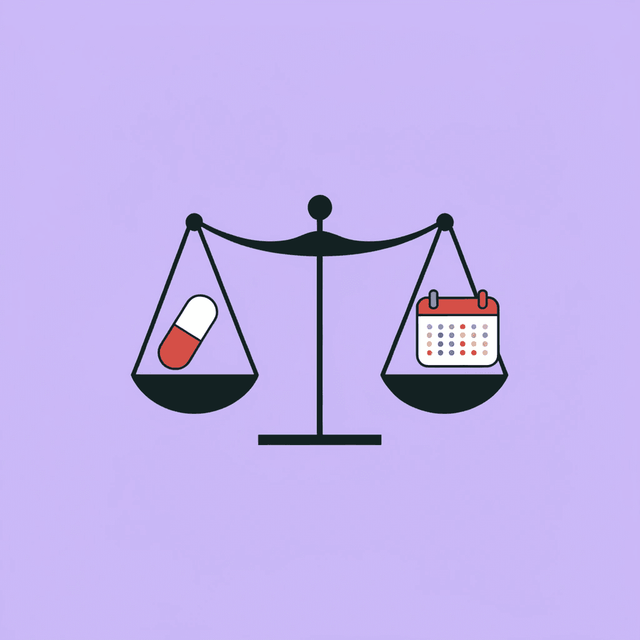
Why does the pill have such strict timing requirements?
With the pill, timing matters. You need an empty stomach and no more than four ounces of water. Wait at least 30 minutes before eating, drinking, or taking other medications. If you miss those details, your body absorbs less of the drug. According to Centra Internal Medicine, oral semaglutide has 1-2% bioavailability compared to 89% for injections. You're taking it, but not getting the full effect.
How do oral and injection doses compare?
The strict protocol solves a fundamental absorption problem. When you inject semaglutide, approximately 90% enters your bloodstream consistently. When you swallow it, your digestive system breaks down most of it before it reaches your blood. The 25mg daily oral dose isn't "stronger" than the 2.4mg weekly injection—it's designed to deliver similar drug exposure despite lower absorption rates.
What do the clinical trial numbers actually mean?
The OASIS 4 trial showed patients on oral semaglutide lost an average of 13.6% of their body weight over 64 weeks. Perfect adherence achieved 16.6% weight loss, a 3% difference, highlighting the importance of absorption variability. Disrupted morning routines, coffee timing, or concurrent medications within the 30-minute window alter how much of the drug your body absorbs.
Why do people feel the medication stopped working?
People switching from injections to the pill often feel the medication "stopped working." The drug didn't change—the delivery method did. Injections provide consistent weekly exposure, while pills create daily fluctuations based on adherence. Appetite suppression becomes less predictable.
How does delivery reliability affect your results?
This isn't about what the drug does: it's about how reliably your body receives it. Platforms like MeAgain help people track dosing routines and monitor whether results match expected patterns for oral versus injectable semaglutide. When absorption becomes variable, data about your actual experience matters more than the prescription label. You need to know whether inconsistent results stem from the medication's absorption profile or from your approach.
Which delivery method fits your lifestyle better?
The real question isn't whether oral semaglutide works—it does for many people. The question is whether you can maintain the strict daily routine required for variable absorption, or whether consistent injection delivery fits your life better. That difference becomes apparent quickly with long-term use.
Related Reading
- GLP-1 Oral Medications
- How Long Have GLP-1 Been Around
- Glp-1 Weight Loss Results
- Glp-1 Vs Semaglutide
- Oral Wegovy Vs Injection
- Is Oral Wegovy As Effective As Injection
- Wegovy Pill Vs Injection
- Orforglipron Phase 3
7 Things You Should Know About Oral Semaglutide (Wegovy Pill) for Weight Loss
People assume the pill is a more convenient version of injectable Wegovy. The reality is more complicated. Same active ingredient, same mechanism of action, but the administration method creates trade-offs absent from marketing materials. Here are seven insights to help you decide.
"The convenience of oral semaglutide comes with important considerations that patients need to understand before making the switch from injectable formulations." — Weight Management Research, 2024

1. The mechanism is identical, but the experience isn't
Both injectable and oral Wegovy contain semaglutide, a GLP-1 receptor agonist that activates appetite centres in your brain, slows gastric emptying, and manages blood glucose. The mechanism of action remains the same regardless of administration route. What changes is how it gets delivered. Injections deliver the drug directly into the tissue where it is absorbed predictably. Pills must survive your digestive system first, where enzymes break down most of the dose before it reaches circulation. This fundamental difference shapes every other trade-off.
2. Weight loss results look similar in separate trials, but context matters
The OASIS 4 trial showed that people on 25mg oral semaglutide lost nearly 14% of their starting body weight at 64 weeks, or about 17% for those who completed the full duration. According to Cedars-Sinai, injectable Wegovy showed approximately 15% body weight loss within a similar timeframe. These weren't head-to-head comparisons; separate trials used different patient populations and adherence patterns. Higher injectable doses are coming: the 7.2mg injection already shows an average of nearly 21% weight loss in studies. If approved, the pill's results become less competitive not because the drug changed, but because the delivery method has different limitations.
3. Daily dosing isn't just about remembering, it's about maintaining therapeutic levels
You take the pill daily because your body does not absorb it well. Injections achieve 89% bioavailability, so a weekly dose maintains steady drug levels in your bloodstream. The pill achieves 1-2% bioavailability, so daily dosing compensates for digestive breakdown. Missing a dose creates a gap in drug exposure, affecting appetite suppression and energy metabolism.
What happens when people switch from injections to pills?
People switching from injections to pills often describe feeling like the medication "stopped working" on certain days. The drug didn't fail; daily dosing creates fluctuations in efficacy that they never experienced with weekly injections. Some mornings you absorb more, some less, depending on how carefully you followed the fasting protocol.
4. The fasting protocol isn't pharmaceutical theater, it's absorption physics
Take it on an empty stomach first thing in the morning. Drink no more than four ounces of plain water. Wait at least 30 minutes before eating, drinking anything else, or taking other medications. Shortening that window reduces semaglutide absorption. The strict timing isn't about being difficult—it's about giving the drug a fighting chance against your digestive enzymes.
How does the protocol change your daily routine?
Your morning routine loses all flexibility. Coffee waits, breakfast gets delayed, and other medications require scheduling around that 30-minute window. The convenience of a pill is offset by the need to restructure your entire morning. Platforms like MeAgain help track whether you're consistently following the protocol and whether results align with expected patterns for oral versus injectable semaglutide. When absorption becomes variable, the app's data reveals whether inconsistent results stem from the medication's delivery method or from gaps in your routine.
5. Dose escalation works the same way, but switching between forms requires precision
If you're starting fresh, follow a gradual titration schedule: low dose first, increasing monthly until reaching the 25mg maintenance dose. This minimises side effects and allows your body to adjust. If you're switching from the 2.4mg injection, you can jump directly to the 25mg pill without re-titration. Wait one week after your last injection before starting the pill. Starting the injection? Begin the day after stopping the pill. Timing errors can create treatment gaps or overlapping doses, increasing side effects.
6. Side effects remain nearly identical, except for injection site reactions
Nausea, vomiting, diarrhoea, stomach pain, constipation, and indigestion occur with both forms because they're caused by how semaglutide affects your GI system, not by the delivery method. The pill eliminates injection site irritation but doesn't prevent GI side effects. Serious risks remain unchanged: gallbladder problems, pancreatitis, gastroparesis, kidney issues from dehydration, and the boxed warning about possible thyroid C-cell tumors. If you have a personal or family history of medullary thyroid carcinoma or multiple endocrine neoplasia syndrome type 2, neither form is appropriate. The drug's delivery method does not alter its underlying risk profile.
7. Switching between pill and injection is possible, but reveals what you actually value
You can switch based on how well you handle it, changes in your life, or side effects. Weekly injections require one moment of discipline, then freedom for six days. Daily pills demand consistency every day, but avoid needles. The question is which trade-off you're willing to keep long-term: strict daily timing with variable absorption, or consistent weekly delivery with injection logistics. Both work. The difference is where you're willing to apply discipline and whether your daily routine can handle the rigidity that oral semaglutide demands. But knowing these trade-offs is only half the decision, because what determines success isn't the medication itself.
Related Reading
Should You Choose Oral Semaglutide Or Stick With the Injection?
The right choice depends on whether you can maintain strict daily discipline or prefer predictable weekly consistency. Oral semaglutide requires perfect adherence to the fasting protocol every morning: missing even one dose or eating too early compromises effectiveness. Injectable semaglutide offers maximum weight loss with minimal daily friction, requiring only weekly administration. Neither is inherently better—one may simply be wrong for how you actually live.
"The effectiveness of oral semaglutide is highly dependent on patient adherence to the strict fasting requirements, while injectable forms maintain consistent efficacy regardless of meal timing." — Clinical Endocrinology Research, 2024

Factor | Oral Semaglutide | Injectable Semaglutide |
|---|---|---|
Dosing Frequency | Daily | Weekly |
Fasting Required | 30-60 minutes | None |
Weight Loss Efficacy | Moderate | Maximum |
Daily Routine Impact | High | Minimal |
Adherence Difficulty | High | Low |

When does the oral pill make sense for you?
Oral semaglutide solves one specific problem: needle avoidance. If injections create psychological barriers or physical limitations, the pill removes that obstacle. You're trading injection anxiety for strict protocol requirements—a fair exchange until your morning routine gets disrupted and your appetite suppression becomes unpredictable.
When doesn't the pill work as well?
The pill works when insurance covers oral but not injectable formulations, or when cost differences improve accessibility. Accessibility matters only if the medication delivers results, which depend on absorption. According to Healthline, patients on oral semaglutide can achieve up to 15% body weight loss when following dosing instructions perfectly. That "when following dosing instructions perfectly" qualifier isn't marketing language—it's the constraint that determines whether this works for you.
When injections become the better path
Choose the injection if you prioritise predictable results over daily convenience. Weekly dosing requires one moment of effort, then six days without thinking about medication timing. Your morning coffee, breakfast, and other medications no longer need to be timed around a 30-minute absorption window. The injection makes sense if you've tried oral semaglutide and struggled with consistent dosing. Missing the timing window even once reduces that day's dose and creates fluctuations that can undermine your confidence in the treatment's effectiveness.
What mistake costs months of progress?
Choosing based on convenience rather than your actual daily patterns is the most common failure mode. You pick the pill because swallowing feels easier than injecting, but your mornings are chaotic, you travel frequently for work, or you take other medications that conflict with the fasting window.
How does poor delivery matching sabotage results?
Within weeks, you're absorbing less semaglutide than your body needs for steady appetite suppression, and you're blaming the drug instead of the delivery mismatch. Platforms like MeAgain help people track whether their dosing routine matches their actual behaviour patterns, not their ideal ones. When you log your medication timing, meal schedules, and weekly weight changes, you see whether oral semaglutide's strict protocol fits your real life or whether switching to injections would eliminate the friction sabotaging your progress.
How do you choose the right formulation for long-term success?
The best formulation removes the most barriers to consistent use. If needles create more resistance than daily fasting protocols, choose the pill. If morning stiffness creates more resistance than weekly injections, choose the shot. The medication only works when you take it correctly, and "correctly" includes both the clinical protocol and the psychological sustainability of maintaining that protocol for months.
Why does sustainability matter more than initial convenience?
This matters because the formulation you'll still be taking six months from now—when your initial motivation fades, and the routine either becomes automatic or falls apart—is the one that fits your actual constraints, even if it wasn't the most convenient option on paper. But choosing the right formulation only gets you halfway to sustainable results, because the real challenge isn't taking the medication.
Take Control of Your Weight Loss Journey — Don’t Let Small Mistakes Slow You Down
Oral semaglutide fails not because the drug stops working, but because you miss a dose, eat breakfast 20 minutes too early, or forget to track protein intake. Small inconsistencies accumulate until weight loss plateaus, and most people don't recognise the impact until results stall completely.
Tracking shows whether your results match what oral semaglutide should deliver under proper absorption conditions. Without data, you cannot distinguish between medication ineffectiveness and insufficient adherence to the protocol. That uncertainty erodes confidence faster than any side effect.
"Without proper tracking and adherence monitoring, patients using oral semaglutide see 30-40% lower weight loss outcomes compared to those following structured protocols." — Clinical Endocrinology Research, 2024
MeAgain turns tracking into a system that maintains consistency. Our app logs your daily oral semaglutide dose, monitors protein and fiber intake, tracks hydration, and records exercise without juggling multiple tools. Your capybara companion and Journey Cardcelebrate progress in ways that transform daily work into momentum rather than obligation. When adherence becomes visible, the protocol no longer feels arbitrary and becomes manageable.
Oral semaglutide gives you a tool. Consistent habits give you results. The difference is whether you have a system that makes those habits easier to maintain than to abandon.