
What does GLP‑1 stand for?
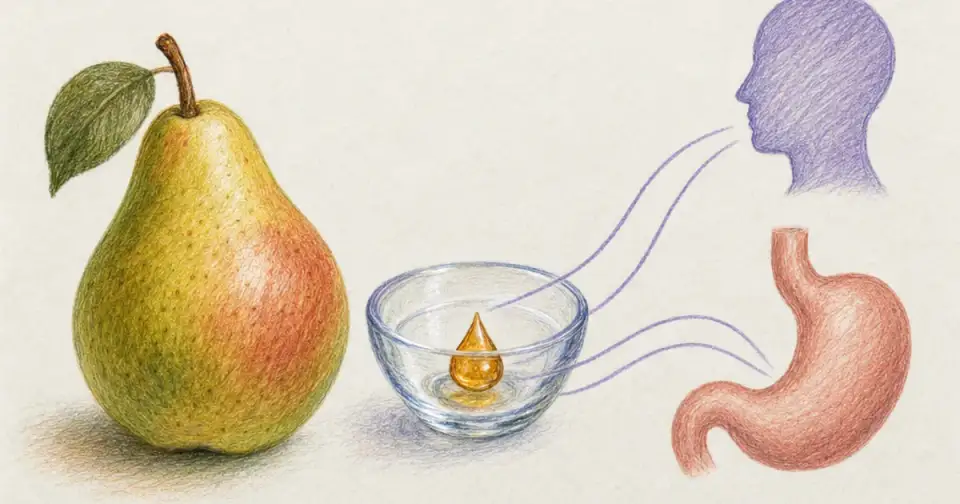
GLP‑1 means glucagon‑like peptide‑1, a hormone released from intestinal L‑cells after eating. GLP‑1 tells the brain you are full, slows stomach emptying, and prompts pancreas insulin only when blood sugar is high. These are all key signals modern GLP‑1 drugs aim to mimic.
How does a GLP‑1 agonist cause weight loss?
By mimicking native GLP‑1, these medicines dampen appetite in the hypothalamus, delay gastric emptying so smaller meals feel filling, and flatten post‑meal glucose spikes. The combined effect lowers daily calorie intake without requiring willpower, creating the steady energy deficit needed for fat loss.
What is the mechanism of action of a GLP‑1 drug in the gut and brain?
Injected or oral GLP‑1 analogs bind to GLP‑1 receptors along the vagus nerve, stomach, pancreas, and brainstem. Receptor activation slows peristalsis, boosts glucose‑dependent insulin, cuts glucagon, and quiets reward pathways, synchronizing gut signals and satiety centers for controlled eating.
Is GLP‑1 a natural hormone in the body?
Yes. Endogenous GLP‑1 is secreted every time you ingest nutrients. Prescription GLP‑1 medicines are synthetic peptides engineered to resist rapid breakdown, letting one weekly dose imitate thousands of tiny post‑meal hormone pulses while preserving the hormone’s normal feedback controls.