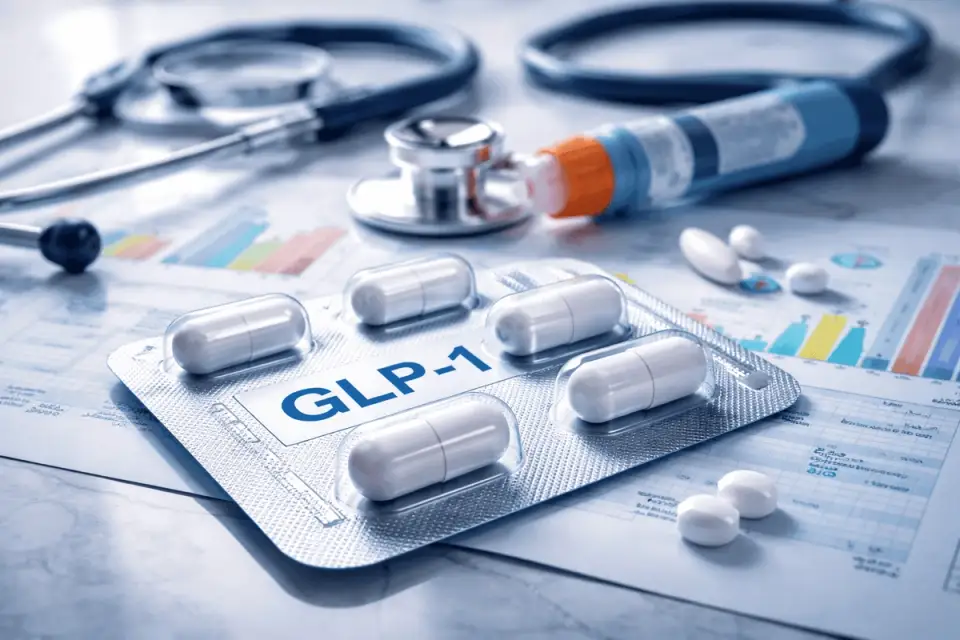

Oral GLP-1 medications for weight loss have generated significant interest, but many people question whether swallowing a pill delivers the same results as weekly injections. Newer tablet forms of semaglutide and other GLP-1 receptor agonists offer a needle-free alternative that appeals to those who prefer oral medications. Understanding the effectiveness, realistic weight loss outcomes, and potential side effects helps set proper expectations. Success with these medications often depends on proper timing, absorption strategies, and consistent monitoring.
Tracking progress and managing side effects becomes crucial for maximizing results with oral GLP-1 treatments. Real-time monitoring helps identify patterns and optimize medication timing for better absorption. Personalized insights transform complex medical information into practical steps that support long-term success. MeAgain's GLP-1 app provides evidence-based guidance and progress-tracking tools designed specifically for those navigating their weight-loss journey with oral GLP-1 medications.
Table of Contents
- Yes, Oral GLP-1 Works (What Clinical Results Actually Show)
- What's Changed in the Oral GLP-1 Era And Why It Works Now
- How to Make Oral GLP-1 Work the Way It's Supposed To
- Oral GLP-1 Works — Make Sure You See the Results With MeAgain
Summary
- Oral GLP-1 medications deliver weight loss ranging from 7.8% to 12.4% of initial body weight over 72 weeks, according to the ATTAIN-1 trial published in the New England Journal of Medicine. These results unfold gradually across 12 to 18 months of consistent daily use, not through rapid drops in the first few weeks. The medication works by mimicking a natural hormone that regulates blood sugar, digestion, and hunger, creating compound effects over months rather than forcing immediate changes.
- Needle aversion keeps an estimated 63.2% of adults from starting injectable therapies, according to a 2022 PLOS One survey. This psychological barrier represents a significant obstacle to treatment initiation, particularly for patients already navigating shame and stigma around obesity. Oral formulations remove this barrier and enable earlier intervention in primary care settings where patients might otherwise never have considered GLP-1 therapy.
- The strict dosing protocol for oral semaglutide requires taking the pill on an empty stomach with no more than 4 ounces of water, followed by a 30-minute wait before eating, drinking, or taking other medications. This fasting window exists because SNAC (the absorption compound) needs time to facilitate drug delivery before food particles or additional liquids interfere with the process. Skipping this wait or drinking coffee 15 minutes later can drop drug exposure enough to eliminate appetite suppression effects entirely.
- Despite a six-year head start, Rybelsus (the first oral GLP-1 for diabetes) generated just $2.7 billion by the end of 2023, compared to Ozempic's $14 billion, capturing only 14% of the GLP-1 market. This gap reflects the real-world challenges of maintaining strict daily dosing protocols outside controlled clinical settings. The difference between clinical trial adherence and actual patient behavior determines whether oral GLP-1s fulfill their promise or become another medication people quietly abandon within months.
- Metabolic improvements from oral GLP-1 therapy extend beyond weight loss to include reductions in waist circumference, systolic blood pressure, non-HDL cholesterol, triglycerides, and glycated hemoglobin. These cardiovascular and metabolic changes reduce the risk of heart attacks, strokes, chronic kidney disease, and sleep apnea. For patients managing obesity alongside hypertension or prediabetes, these improvements can be life-altering and matter as much as the numbers on the scale for long-term health outcomes.
- MeAgain's GLP-1 app addresses these adherence challenges by helping users track progress with oral GLP-1 medications, monitor side effects in real time, and provide evidence-based tips for correct medication timing to improve absorption and results.
Yes, Oral GLP-1 Works (What Clinical Results Actually Show)
Oral GLP-1 medications deliver measurable weight loss and metabolic improvements when taken consistently. Clinical trials show weight loss ranging from 7.8% to 12.4% of initial body weight over 72 weeks, depending on dosage, with reductions in cardiovascular risk factors.
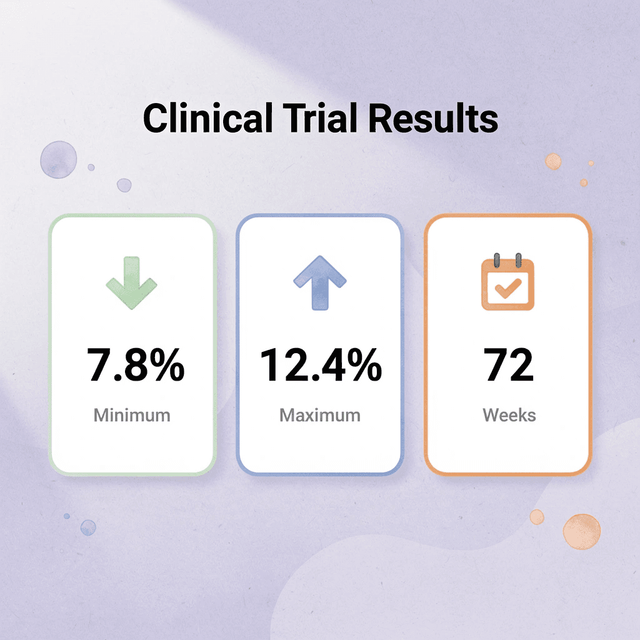
"Clinical trials show weight loss ranging from 7.8% to 12.4% of initial body weight over 72 weeks with oral GLP-1 medications." — Clinical Trial Data

How does weight loss happen with oral GLP-1 medications?
The ATTAIN-1 trial, published in the New England Journal of Medicine in September 2024, tracked 3,127 people without diabetes who had obesity over 72 weeks. People taking orforglipron, an oral GLP-1 drug, lost an average of 7.8%, 9.3%, and 12.4% of their body weight at low, medium, and high doses, respectively, compared to 2.1% in the placebo group. This required approximately 18 months of daily medication paired with healthy eating and physical activity.
Why do oral GLP-1s take time to show results?
Oral GLP-1s work by copying a natural hormone that controls blood sugar, digestion, and hunger. The medication doesn't force weight loss; it changes how your body responds to food, reducing appetite and slowing gastric emptying so you feel fuller longer. These changes build over months, not days.
Why do people respond differently to the same dose?
The dose-dependent range in the ATTAIN-1 trial reveals that responses vary significantly. Some participants at the medium dose lost more weight than others at the high dose. Factors including baseline metabolism, adherence to the dosing protocol (empty stomach, 4 ounces of water or less, 30-minute wait before eating or taking other medications), and lifestyle habits all influence outcomes.
According to PMC12498447, patients on injectable GLP-1 therapies can achieve over 15% long-term weight loss, though oral formulations typically show lower average weight loss while providing substantial metabolic benefits.
What habits lead to the strongest results?
This difference stems from biology. People who see the best results take the medication as prescribed, maintain consistent eating patterns, and stay physically active. Those who struggle often miss doses, eat within the 30-minute window, or expect the pill to compensate for unchanged habits.
What metabolic changes occur beyond weight loss?
Weight loss gets significant attention, but changes in heart health and metabolism matter equally for long-term health. Patients in the ATTAIN-1 trial showed greater reductions in waist circumference, systolic blood pressure, non-HDL cholesterol, triglycerides, and glycated hemoglobin than those in the placebo group.
Scientific American reported that Eli Lilly's oral GLP-1 orforglipron achieved greater reductions in blood sugar levels and weight in head-to-head trials, demonstrating that oral formulations deliver meaningful health outcomes across multiple areas.
How do these improvements reduce long-term health risks?
These improvements reduce the risk of heart attacks, strokes, chronic kidney disease, and sleep apnea. For someone managing obesity alongside high blood pressure or prediabetes, those changes can be life-changing: less about fitting into smaller clothes and more about reducing cardiovascular risk over the next decade.
What does rapid adoption tell us about oral formulations?
When oral GLP-1 launched in January 2026, 170,000 people received prescriptions within three weeks, outpacing previous GLP-1 medications. This rapid uptake reflects demand for needle-free options and growing confidence in oral formulations as legitimate therapy.
For people delayed by needle aversion or cold storage concerns, oral GLP-1 removes practical barriers while delivering results comparable to injections. Platforms like MeAgain's GLP-1 app help people track progress with precision, monitor side effects in real time, and access zero-markup prescriptions, making it easier to maintain consistency.
But understanding what works now matters only if you know why it didn't work before.
Related Reading
- GLP-1 Oral Medications
- How Long Have GLP-1 Been Around
- Glp-1 Weight Loss Results
- Glp-1 Vs Semaglutide
- Oral Wegovy Vs Injection
- Is Oral Wegovy As Effective As Injection
- Wegovy Pill Vs Injection
- Orforglipron Phase 3
What's Changed in the Oral GLP-1 Era And Why It Works Now
Oral GLP-1 medications became possible when absorption technology solved the challenge of delivering peptide hormones through the digestive system. The breakthrough came from SNAC (sodium N-(8-[2-hydroxybenzoyl] amino) caprylate), a compound that protects semaglutide molecules as they pass through stomach acid, allowing roughly 0.4% to 1% to reach the bloodstream. This bioavailability required careful formulation work, strict dosing protocols, and clinical testing before the FDA approved the first oral GLP-1 for weight management in December 2025.
"The 0.4% to 1% bioavailability of oral semaglutide, while seemingly low, represents a significant scientific achievement in peptide drug delivery." — FDA Clinical Review, 2025

How do oral formulations overcome treatment barriers?
Pills remove the psychological barrier that keeps an estimated 63.2% of adults from starting injectable therapies, according to a 2022 PLOS One survey. Needle fear is significant: half of the surveyed adults avoid blood draws, and a third skip vaccinations entirely. For someone managing obesity while dealing with shame, stigma, and failed diet attempts, weekly self-injections can feel like another barrier to treatment. Oral formulations lower that barrier, enabling earlier intervention in primary care settings where patients might not otherwise consider GLP-1 therapy.
How does SNAC technology enable oral absorption?
SNAC works by creating a localized pH shift in the stomach lining, temporarily increasing permeability so semaglutide molecules can pass through before digestive enzymes break them down. Take the pill on an empty stomach with no more than four ounces of water, then wait 30 minutes before eating, drinking, or taking other medications. This fasting window maintains SNAC's activity at sufficient strength for absorption without interference from food particles, coffee, or dilution.
What challenges do patients face with daily dosing protocols?
The strict protocol creates daily friction that clinical trials often miss. Patients who work early shifts, manage chronic conditions requiring morning medications, or forget the 30-minute rule experience reduced effectiveness. Real-world adherence data remains limited, but Rybelsus (the first oral GLP-1 for diabetes, launched in 2019) offers a preview.
Despite a six-year head start, Rybelsus generated $2.7 billion compared to Ozempic's $14 billion by the end of 2023, capturing only 14% of the GLP-1 market. Dosing constraints created an ongoing trade-off between convenience and consistency.
How do clinical trial results compare to real-world adherence?
The FDA cleared oral semaglutide 25mg based on a 64-week Phase 3 OASIS 4 trial, which showed an average weight loss of 16.6% among protocol adherents, matching the efficacy of injectable semaglutide in earlier studies.
However, the trial participants received structured support, regular check-ins, and close monitoring, which are unavailable to those managing medication independently at home. The gap between adherence in clinical trials and real-world behavior will determine whether oral GLP-1s deliver on their promise or become another medication people abandon within months.
Which oral GLP-1 options offer the best long-term adherence?
Eli Lilly's orforglipron, expected to launch later, can be taken at any time, with or without food, eliminating the fasting requirement that makes oral semaglutide difficult to sustain. This flexibility comes with slightly lower efficacy (12.4% average weight loss in trials), but Goldman Sachs projects orforglipron will capture 60% of the oral GLP-1 market by 2030 compared to Novo Nordisk's 21%. Daily convenience drives long-term adherence.
The medication you take consistently beats the one with marginally better results that you abandon after three months.
How do injectable options compare in terms of structured support?
Platforms like MeAgain's GLP-1 app support people on injectable GLP-1 therapies with zero-markup compounded semaglutide and tirzepatide, complete tracking tools, and transparent pricing that doesn't increase with dosage changes. For patients seeking proven results with organized support, injectable options offer established real-world outcomes and careful monitoring to maintain consistency.
The real test isn't whether oral GLP-1s work in trials, but whether people can make them work in the middle of ordinary, complicated lives.
Related Reading
- Compounded Glp-1
- Oral Semaglutide For Weight Loss
- Oral Semaglutide Cost
- Orforglipron Mechanism Of Action
- Wegovy Oral Pill
- How To Qualify For Glp-1
- GLP-1 Foods to Avoid
How to Make Oral GLP-1 Work the Way It's Supposed To
Success with oral GLP-1 requires building a sustainable routine, not perfect discipline. The medication works when taken consistently for months, not when enthusiasm fades after six weeks. Staying on treatment matters more than any single dose: translate clinical instructions into habits that fit your actual morning.

"Long-term adherence to GLP-1 therapy is the strongest predictor of sustained weight loss and metabolic improvements over 12+ months of treatment." — Endocrine Society Guidelines, 2023

Why is the 30-minute window so critical?
Take the pill on an empty stomach with no more than 4 ounces of water, then wait 30 minutes before eating, drinking anything else, or taking other medications. SNAC requires this time to allow the body to absorb the medicine before food or liquids interfere with it.
Skipping the wait or drinking coffee 15 minutes later can lower drug absorption enough that you feel minimal appetite suppression, leading to the false belief that the medication "isn't working."
How can you make the waiting period easier?
Set an alarm for the same time every morning and keep the pill bottle, water glass, and timer on your nightstand. Use the 30 minutes for a consistent routine: shower, get dressed, check email, or walk the dog.
This makes the waiting period part of your everyday routine rather than something that disrupts your day. Consistent timing yields steady drug exposure rather than variable absorption, which undermines results.
How does gradual dosing progression work?
Oral semaglutide follows a slow step-up schedule: 1.5mg daily for 30 days, then 4mg for 30 days, then 9mg for 30 days, before reaching the maintenance dose of 25mg. This 90-day ramp allows your digestive system to adjust to slower gastric emptying and reduced appetite without triggering severe nausea.
Jumping doses too quickly increases the risk of disruptive side effects, while gradual progression allows your body time to recalibrate.
What should you expect during dose increases?
Nausea typically worsens in the first few days after each dose increase, then improves as your body adjusts. Eating smaller, frequent meals and avoiding high-fat foods during this period helps.
Some people feel sick to their stomach for 24 to 36 hours after each dose increase, then feel better; others experience mild discomfort that resolves within a week. Those who struggle most often interpret temporary nausea as a sign the medication isn't right for them, rather than recognizing it as a normal phase that passes with continued use.
How should you measure weight loss progress effectively?
Weight loss happens slowly, often in plateaus followed by drops rather than a steady decline. Measure waist circumference, energy levels, hunger patterns, and how your clothes fit alongside the scale. These additional markers reveal progress during weeks when weight stalls, a common experience for nearly everyone.
According to research published in PMC12498447, patients can achieve a 10-15% reduction in body weight with sustained GLP-1 therapy over 12 to 18 months. Tracking multiple metrics helps you focus on the bigger picture rather than fixating on daily fluctuations.
What tools can help track your GLP-1 journey?
Platforms like MeAgain's GLP-1 app support people on injectable GLP-1 therapies with zero-markup compounded semaglutide and tirzepatide, complete tracking tools for injections and meals, and transparent pricing that remains fixed regardless of dosage changes.
Injectable options offer proven efficacy when paired with structured support and careful monitoring, which promote consistency over time. However, knowing how to take the medication matters only if you understand what realistic success looks like.
Related Reading
- Microdosing Glp 1
- 503a Pharmacy Tirzepatide
- Cost Of Oral Wegovy
- Tirzepatide Compound Cost
- Best Place To Get Semaglutide
- Top Semaglutide Providers
- Best Place To Get Mounjaro
- Best Place To Get Wegovy Online
Oral GLP-1 Works — Make Sure You See the Results With MeAgain
Oral GLP-1 delivers real, measurable weight loss when taken consistently. Results depend on staying on the medication despite side effects, hitting daily health goals that protect muscle mass, and maintaining the habits that sustain 12% average weight loss into lasting metabolic change.
"The 12% average weight loss achieved with consistent GLP-1 therapy represents a significant metabolic transformation when supported by proper nutrition and lifestyle habits." — Clinical Research Data, 2024
The gap between clinical trial outcomes and your personal results lives in daily details. Missing protein targets accelerate muscle loss. Skipping hydration worsens constipation. Letting fiber intake drop impairs digestion when gastric emptying is already slowed. These friction points cause people to quit before the medication delivers its full benefit.
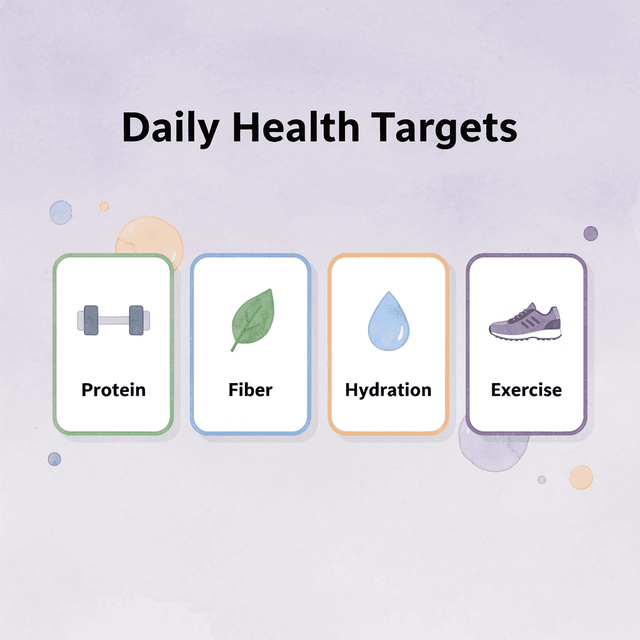
That's where MeAgain steps in. Our all-in-one GLP-1 app turns effort into something addictive. Your adorable capybara companion helps you hit protein, fiber, hydration, and exercise targets daily. Your Journey Card captures every milestone, letting you watch your transformation unfold across the markers that matter for long-term success.
Staying on track despite side effects becomes easier with tools that anticipate challenges. MeAgain helps you avoid setbacks like constipation or muscle loss that derail consistency, so your weight loss stays steady rather than stalls after three months. With zero-markup compounded semaglutide and tirzepatide, transparent pricing that never increases with dosage changes, and comprehensive tracking in one place, you get the support structure that makes injectable GLP-1 therapy sustainable in the long term.