
Many people considering Wegovy for weight loss wonder whether oral versions can match the effectiveness of weekly injections. The appeal of swallowing a pill instead of administering a shot is obvious, but questions remain about whether oral alternatives deliver the same weight loss results and metabolic benefits. Research shows important differences between these delivery methods that affect absorption, dosing, and overall outcomes.
Understanding these differences helps patients make informed decisions about their treatment approach. Finding the right medication format and tracking progress effectively becomes easier with tools designed specifically for GLP-1 treatments, such as MeAgain's GLP-1 app.
Table of Contents
- “Same Drug, Same Results”… Right? Not Quite
- The Hidden Math That Makes Oral Wegovy Underperform
- The Only Decision That Actually Matters (And How to Make It)
- If You Can’t Stay Consistent, the Delivery Method Doesn’t Matter
Summary
- Injectable Wegovy delivers roughly 89% of its dose into circulation, while oral semaglutide achieves only 1-2% bioavailability despite requiring 25 mg daily to approximate the same exposure as a 2.4 mg weekly injection. This absorption gap isn't just a technical detail. It's why appetite suppression feels less predictable with pills, and why one day you feel satisfied after a small meal while hunger returns by mid-afternoon the next.
- The oral pill creates 365 decision points per year where adherence can break down, compared to 52 with weekly injections. Each missed timing window or protocol slip doesn't just cost that day's dose. It reduces cumulative drug exposure, which means appetite control weakens, results stall, and motivation erodes. About 25% of oral patients don't achieve even 5% weight loss, not because the medication failed, but because real-world adherence broke the absorption pathway.
- Daily oral semaglutide requires strict timing protocols to compensate for poor absorption. Take it on an empty stomach with exactly four ounces of water, then wait 30 full minutes before eating, drinking, or taking other medications. Break this protocol by even 10 minutes, and you risk hours of stomach distress while the drug fails to absorb properly. Injectable semaglutide has no such requirements and works the same way regardless of meal timing or daily routine.
- The pill creates persistent, low-grade nausea that becomes background noise rather than a predictable spike. With injections, you know the pattern: two rough days after dosing, then five good ones you can plan around. Oral formulations don't offer that predictability because absorption variability means side effects show up inconsistently based on how well you follow the timing protocol each day.
- Trial data show comparable efficacy across formats, but trials closely monitor adherence and exclude people who can't follow the protocol. Real life doesn't work that way. The gap between theoretical effectiveness (13.6% body weight loss) and actual results isn't about the molecule. It's about the interaction between your behavior and the delivery method under real-world constraints.
- GLP-1 app addresses this by tracking dose timing, meals, and daily responses, making adherence patterns visible before they become failure patterns.
“Same Drug, Same Results”… Right? Not Quite
Two people start Wegovy. Same molecule. Same goal. One loses twice the weight. The difference isn't genetics or willpower—it's the delivery method. The false belief is simple: "If it's semaglutide, the form doesn't matter." Pills feel easier to take, so people assume they're equally powerful. But ease doesn't equal effectiveness. This assumption costs months of progress and thousands in wasted treatment cycles.
"Bioavailability can vary by up to 90% between different formulations of the same drug, directly impacting therapeutic outcomes." — Clinical Pharmacology Research, 2023

The problem isn't the drug. It's how your body absorbs it and how your behavior interacts with it. Absorption rates, metabolic pathways, and patient compliance determine whether you'll achieve maximum effectiveness or disappointing results.

How do injection and pill absorption pathways differ?
The injection delivers semaglutide directly under the skin, where it enters the bloodstream and works steadily over several days. The pill must survive digestion and absorption through the gastrointestinal tract, resulting in lower and more variable bioavailability. According to Clinical and Experimental Pharmacology & Physiology, this difference in absorption fundamentally changes how much medicine reaches your system.
Why does timing matter so much for the pill?
The pill requires strict timing: empty stomach, first thing in the morning, with minimal water, then wait at least 30 minutes before eating, drinking, or taking other medicines. Breaking this protocol risks stomach distress and poor absorption. The injection has no such requirements: inject anytime and eat normally before or after.
How does dosing frequency affect adherence?
The pill is taken daily, while the injection is given once a week. Daily dosing creates 365 chances per year for missed doses, inconsistent timing, or broken protocols; weekly injections create 52. One person who switched from injection to pill described the 30-minute fasting window as something they "thought would be the dealbreaker" in the first week. The behavioral friction is real, even when motivated.
What side effect patterns can you expect?
The pill shows a higher frequency of gastrointestinal side effects: persistent nausea and vomiting rather than occasional spikes. The injection creates a predictable pattern: two difficult days followed by five good ones, allowing you to plan around it. With the pill, side effects are ongoing and less predictable because absorption depends on adherence to the daily timing schedule.
When the Same Molecule Isn't the Same Treatment
Choosing between a pill and an injection depends on how your body processes each form and whether you'll sustain the behaviour needed to maximise results. Platforms like MeAgain's GLP-1 app help you track progress with either format, monitor how your body responds, and log meals to ensure consistent protein intake. The app clarifies the results of that decision through actionable data.
But here's what most people miss: the math behind those absorption differences affects how you feel day to day.
Related Reading
- GLP-1 Oral Medications
- How Long Have GLP-1 Been Around
- Glp-1 Weight Loss Results
- Glp-1 Vs Semaglutide
- Oral Wegovy Vs Injection
- Wegovy Pill Vs Injection
- Orforglipron Phase 3
The Hidden Math That Makes Oral Wegovy Underperform
Injectable semaglutide has been shown to deliver roughly 15% body weight loss in clinical trials. Oral semaglutide delivers 13-16% of the dose. Those numbers appear similar, but they mask two structural problems: the absorption gap and the compounding effect of behavioral inconsistency. Though the molecule is identical, outcomes diverge when real life interferes.
"Injectable semaglutide delivers roughly 15% body weight loss while oral semaglutide delivers 13-16% - numbers that look similar but hide critical structural problems." — Clinical Trial Data, 2023
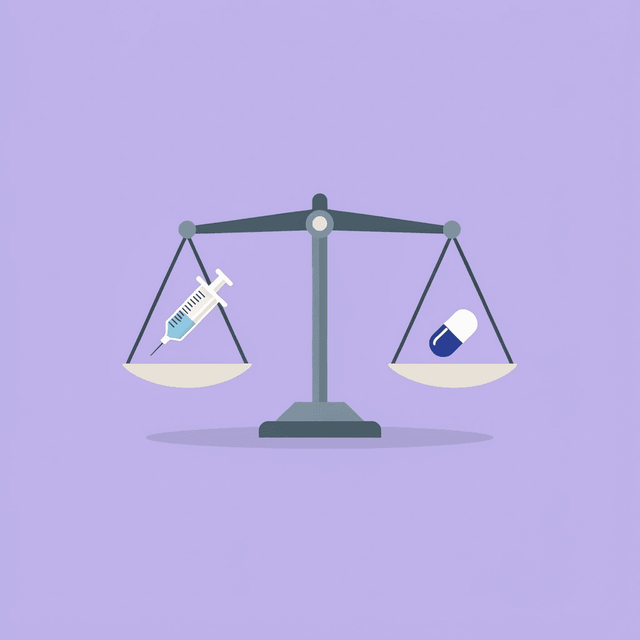
How does injection delivery compare to oral absorption?
Think of the injection as a direct deposit into your bloodstream. You inject 2.4 mg weekly, and roughly 89% reaches circulation. The oral pill requires 25 mg daily to achieve similar exposure, but only 1–2% survives digestion and enters your system. Mercer's analysis confirms that the 50 mg dose requires three tablets daily. The absorption enhancer in the pill helps, but it remains a leaking pipeline compared to subcutaneous delivery.
Why does the pill's effectiveness feel inconsistent?
This explains why the pill's appetite suppression feels less predictable. One day, you feel satisfied after a small meal; the next, hunger returns by mid-afternoon. The difference isn't willpower—it's whether you timed the dose perfectly, drank the right amount of water, and waited the full 30 minutes before eating. Miss any variable, and absorption drops. The injection works consistently regardless of timing or food intake.
How does the frequency difference affect adherence?
The oral pill creates 365 decision points per year where adherence can break down, compared to 52 for the injection. People slip—waking up late, forgetting the fasting window, or taking the pill with coffee instead of plain water. Each slip reduces cumulative drug exposure, weakening appetite control, stalling results, and eroding motivation.
What do patients say about the daily routine burden?
Patients describe the daily routine as something they "genuinely thought would be the dealbreaker" after the first week. The 30-minute fasting window requires delaying your morning routine, skipping your usual coffee ritual, and planning around your daily medication. The injection removes that friction entirely: you dose once, then live your life for the next six days without thinking about timing protocols or absorption windows.
Why does the pill create unpredictable side effects?
The pill creates a constant, low-level feeling of sickness rather than predictable spikes. With the injection, you know what to expect: two difficult days after dosing, then five good ones. You can plan around it.
The oral form lacks predictability because how your body absorbs it varies, meaning side effects occur at different times. One day you feel fine; the next, you feel nauseous for hours because something in your routine changed how much medicine entered your system.
What's the real challenge with daily protocols?
The real question isn't "Can I handle a needle?" It's "Can I stick to a daily routine for months without slipping, knowing that each mistake weakens the medication's effectiveness?"
Our GLP-1 app helps you track whether your routine is working by logging dose timing, meals, and daily symptoms. If your weight loss stalls or appetite control becomes erratic, the app reveals whether inconsistent timing is the cause. It makes the cost of that gap visible before you've wasted months on a format that doesn't fit your life.
Trial data show "comparable efficacy," but trials monitor adherence closely and exclude people unable to follow the protocol. Real life doesn't work that way.
Related Reading
- Orforglipron Mechanism of Action
- Oral Semaglutide For Weight Loss
- Wegovy Oral Pill
- How To Qualify For GLP-1
The Only Decision That Actually Matters (And How to Make It)
The question isn't which form of semaglutide works better, but which one you'll use correctly for six months straight. Injectable Wegovy shows better results in trials because trial participants are monitored and held accountable. Oral Wegovy works when you follow the plan perfectly every day. Most people overestimate their ability to do so, then blame the medication when results slow down.
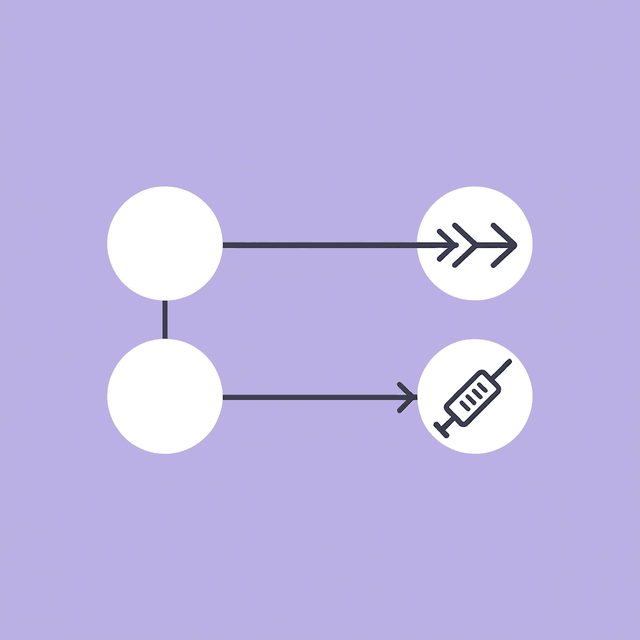
"Trial participants are watched and held accountable - that's why injectable Wegovy shows better results in clinical studies." — New England Journal of Medicine

What should you prioritize when choosing between formats?
You're optimizing for one of two outcomes: maximum fat loss speed or minimum friction. Injectable semaglutide wins for speed—it delivers higher bioavailability, more consistent appetite suppression, and fewer adherence failures. Oral wins if needles create a psychological barrier you can't overcome. Something you'll take beats something you won't.
Why do most online comparisons miss the point?
Glen Allsopp's analysis of search results found that 169 out of 250 top-ranking pages for "best X software" queries were affiliate-driven list posts. This pattern dominates online advice on GLP-1 medications. Lists treating needle aversion and absorption gaps as equally weighted trade-offs miss a crucial distinction: one is a psychological hurdle, the other a biological limitation that worsens over time.
Can you actually follow the strict daily dosing requirements?
Can you follow strict morning-dosing rules for 7 consecutive days? Not "do you think you can" or "you'll try your best." Can you do it? Wake up, take the pill with exactly 4 ounces of water, then wait 30 full minutes before drinking coffee, eating food, or taking any other medications. Every single day. No exceptions for early meetings, travel, or weekends when your routine shifts. If the answer is no or maybe, you already know which format fits your life. Oral semaglutide doesn't forgive inconsistency. The injection doesn't require it.
How do you know if your lifestyle supports daily adherence?
Some find the 30-minute fasting window "fits into the routine" after three weeks. Others find that rigidity creates daily friction that erodes motivation faster than the medication can work. The difference isn't discipline—it's whether your existing life structure supports a daily protocol that cannot bend.
Platforms like MeAgain's GLP-1 app help you track dose timing, meal schedules, and how your body responds across weeks, making adherence patterns visible before they become failure patterns. Our app won't make you more consistent, but it will show you whether you're consistent enough for oral semaglutide to work at full potency.
Why isn't the most effective drug always the best choice?
Injectable semaglutide delivers 15% body weight loss with weekly adherence. Oral semaglutide delivers 13.6% with perfect daily execution. Yet about 25% of oral patients don't achieve even 5% weight loss, not because the medication failed, but because real-world adherence disrupted the absorption pathway.
The gap between theoretical effectiveness and actual results stems from how your behaviour and delivery method work together, not the molecule itself.
What makes a treatment truly effective?
Being effective isn't about what works in theory—it's about what works in your life, given your limits, schedule, and ability to adapt when needed.
Knowing which format fits your life matters only if you can stick with it long enough for it to work.
If You Can’t Stay Consistent, the Delivery Method Doesn’t Matter
The real problem isn't the medication: it's whether you can execute consistently enough for it to work.
Consistency is where most GLP-1 treatments fail, not the molecule itself. You can choose the perfect delivery method, but if you miss protein targets, skip hydration, or let daily habits slip, the medication can't do its job. The drug suppresses appetite. It doesn't build muscle, prevent constipation, or ensure you're eating enough to fuel fat loss instead of muscle loss.
Most people focus on which semaglutide format to use while ignoring the execution layer that determines whether it works. They track doses but not meals. They celebrate appetite suppression without noticing they're consuming only 800 calories and losing strength alongside weight. The medication creates the conditions for success. Your behaviour determines whether you capitalize on those conditions or waste them.
"The medication creates the conditions for success. Your behavior determines whether you capitalize on those conditions or waste them."
The Execution Problem No One Talks About
The gap between starting treatment and seeing results isn't the drug. It's whether you consistently hit protein, fibre, water, and movement targets for your body to respond as trials predict. Trials control for these variables; real life doesn't. You're managing nausea, adjusting to lower hunger cues, and tracking water intake while your routine shifts around you. The medication works, but only if the infrastructure around it holds.
That's where MeAgain comes in. Our app gamifies protein, fibre, water, and movement into a simple daily tracker. It handles the execution side so your medication can work at full strength. You log meals, track hydration, monitor your injection schedule, and see weekly progress through a Journey Card that shows whether you're building momentum or drifting off course. It's built around an adorable capybara, because consistency is easier when it doesn't feel like punishment.
If you can follow a streak, you can get results. The question isn't whether oral or injectable semaglutide is more effective, but whether you can execute the daily habits that make either one work. Download MeAgain and test yourself: Can you hit your targets for seven days straight? If you can, your results become inevitable.