

Starting a weight-loss medication like Foundayo brings excitement, along with natural concerns about potential reactions. Understanding the 13 possible Foundayo side effects helps patients prepare for their journey and maintain consistent treatment. Most people experience manageable symptoms that decrease over time with proper strategies and support.
Tracking symptoms and managing discomfort becomes much easier with the right tools and guidance. Patients can navigate nausea, digestive changes, and other common reactions while staying focused on their weight loss goals. For comprehensive support throughout your treatment, consider using MeAgain's GLP-1 app to monitor progress and maintain consistency.
Summary
- GLP-1 medications like Foundayo work by slowing gastric emptying, which means some of the side effects you experience (prolonged fullness, reduced appetite, digestive changes) are evidence that the medication is functioning as designed.
- Genetic factors significantly influence the intensity of someone's response to GLP-1 medications.
- Most people don't quit GLP-1 medications because they don't work. They quit during the first few weeks or immediately after dose increases, mistaking temporary adjustment symptoms for permanent intolerance, when staying at the current dose for another two weeks might allow their body to adapt and turn severe nausea into manageable discomfort.
- Daily behaviors determine whether side effects stay manageable or become intolerable. Low protein intake amplifies fatigue and accelerates muscle loss, inadequate fiber worsens constipation, poor hydration slows an already sluggish digestive system, and eating large or high-fat meals triggers intense nausea because your stomach can't process them at its slow pace.
- Discontinuation rates vary significantly across GLP-1 medications, suggesting that tolerability isn't uniform within this drug class. The line between uncomfortable but manageable and intolerable is intensely personal, with the same constipation that responds quickly to fiber and hydration for one patient becoming a persistent, painful problem for another.
- Consistent tracking during the first 30 days of treatment helps identify which specific behaviors reduce symptoms and which ones worsen them, revealing patterns that would otherwise remain invisible until side effects become intolerable. MeAgain's GLP-1 app addresses this by logging meals, symptoms, and injection timing in one place, helping you maintain the consistency needed to manage side effects without quitting treatment.
Table of Contents
- Are Foundayo Side Effects a Sign It's Not Working or That It Is?
- 13 Side Effects To Watch Out For With Foundayo
- Why Do Some People Struggle With GLP1 Side Effects More Than Others?
- How Do You Manage Foundayo Side Effects Without Quitting?
- Don’t Let Foundayo Side Effects Be the Reason You Quit
Are Foundayo Side Effects a Sign It's Not Working or That It Is?
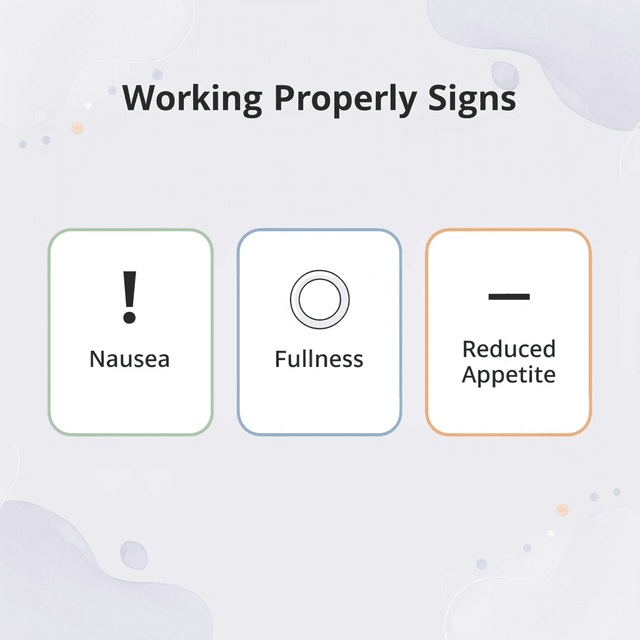
When you feel nauseous after taking Foundayo, you might wonder if something is wrong. That feeling of fullness, the sudden lack of interest in food you once wanted—these aren't signs of failure. They're proof that the medication is doing exactly what it's designed to do.

"These gastrointestinal side effects are direct evidence that the medication is actively engaging with your body's hunger and satiety signals."
How does the mechanism create side effects?
GLP-1 medications like Foundayo work by slowing gastric emptying: food stays in your stomach longer, making you feel full for extended periods. Your brain receives fullness signals more quickly and strongly than before, which naturally reduces daily food intake.
How does appetite suppression work in your body?
The appetite suppression is your gut-brain signaling pathway responding to the medication. Foundayo activates GLP-1 receptors that communicate directly with brain centers that regulate appetite, altering how your body processes hunger cues. When you feel satisfied after a few bites, your body responds to fullness signals that may have been muted for years.
How does temporary discomfort indicate your body is adapting?
Many people worry that daily side effects mean they'll feel bad forever. Nausea and digestive changes typically worsen during the first few weeks as your body adjusts to slower gastric emptying, then gradually improve. The same process causing temporary discomfort also shifts how you think about food, portion sizes, and hunger patterns.
Why do people quit right when the medication starts working?
The fear of "feeling like crap every day" often drives people to stop medication too early, when their body is learning to work with the drug rather than against it. What feels unbearable in week two frequently becomes manageable by week six. Our MeAgain GLP-1 app helps you track these patterns over time, showing when symptoms are decreasing despite day-to-day fluctuations. The app's AI assistant, Capy, helps distinguish between normal adjustment periods and symptoms requiring medical attention, giving you confidence to continue when the medication is working as intended.
The paradox of effective treatment
The same stomach slowdown that causes constipation also stops blood sugar spikes and reduces overall caloric intake. The nausea that makes you skip your afternoon snack connects directly to gut hormone signaling that reduces appetite between meals. These aren't separate issues; they're connected effects of a single biological process fundamentally changing how your body processes food and manages weight. But here's what most people don't anticipate: the side effects that prove the medication is working can also become the reason you stop taking it.
Related Reading
- What is Foundayo
- How Is Foundayo Different From Zepbound?
- Which Is Better: Foundayo Or Oral Wegovy?
- Who Makes Foundayo?
- How Can I Get Foundayo?
13 Side Effects To Watch Out For With Foundayo
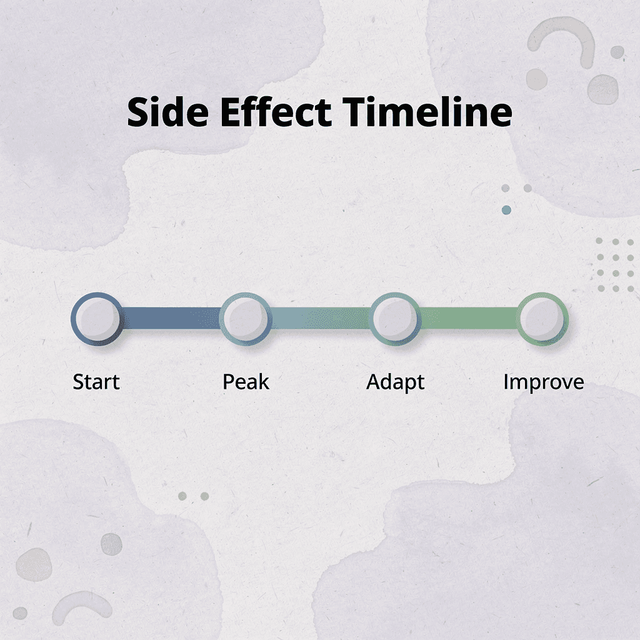
Foundayo, like other GLP-1 medications, causes digestive-related side effects, especially in the early stages of treatment. These effects peak during the first few weeks and often worsen temporarily when your dose is adjusted, then gradually improve as your body adapts. Slower gastric emptying and reduced appetite aren't side effects separate from the treatment: they are the treatment.

"Slower gastric emptying and reduced appetite aren't side effects separate from the treatment—they are the treatment."
1. Nausea or vomiting
Nausea is one of the most common side effects reported with Foundayo, particularly when starting the medication or increasing the dose. This occurs because Foundayo slows gastric emptying, causing food to remain in your stomach longer and creating a sensation of fullness that your body interprets as discomfort.
How can you manage nausea from Foundayo?
Your prescriber should slowly increase your dose to minimize this problem. Eat smaller portions, avoid heavy or greasy meals, and eat slowly. Drink fluids throughout the day in small sips rather than large amounts at once. For many people, nausea improves as the body adjusts to the medication.
When should you contact your prescriber about vomiting?
If you keep vomiting or it's severe, call your doctor. In rare cases, intense vomiting can increase your risk of kidney problems.
2. Constipation or diarrhea
Foundayo can change how quickly your digestive system moves, leading to constipation or diarrhea, depending on the individual. The same process that slows gastric emptying affects how long food takes to move through your entire digestive tract. For constipation, gradually increase dietary fiber, drink adequate fluids, and engage in gentle physical activity. For diarrhea, consume water or electrolyte drinks and avoid greasy or spicy foods. If either symptom persists or becomes difficult to manage, your healthcare team can suggest treatments compatible with your medication.
3. Indigestion and abdominal pain
Some people experience indigestion or belly discomfort while taking Foundayo, including bloating, fullness, or stomach upset after eating. This occurs because food remains in the stomach longer than normal. These symptoms may improve with smaller meals and time to digest before lying down. Limiting fatty or acidic foods can also help. If belly pain becomes severe, persistent, or differs from your normal indigestion, contact your prescriber right away to rule out serious conditions such as pancreatitis.
4. Headache
Headaches can occur while taking Foundayo, though they're usually mild. They may be connected to dehydration, changes in appetite, or shifts in blood glucose. Drinking enough fluids and eating regularly can help reduce their frequency. If headaches become frequent or severe, your healthcare team can help identify the cause: Foundayo may not be the only reason. Over-the-counter pain relievers and adequate rest may also help.
5. Hair loss or thinning
Some people notice hair loss or increased shedding while taking GLP-1 medications. This may stem from weight loss or nutritional changes rather than the medication itself. Rapid weight loss can trigger telogen effluvium, where hair follicles simultaneously enter a resting phase. Supporting your body with enough protein and essential nutrients helps keep your hair healthy. Avoid overly restrictive eating patterns, especially during rapid weight loss. If hair loss feels significant or concerning, your prescriber can evaluate possible causes and next steps.
6. Low blood sugar
Foundayo has a low risk of causing low blood sugar on its own, but the risk increases significantly if you have diabetes and take it with insulin or sulfonylureas like glipizide. According to DailyMed's FOUNDAYO Medication Guide, the risk is highest during the 30 days after starting FOUNDAYO and for 30 days after each dose increase.
How should you monitor blood sugar when taking Foundayo?
If you have diabetes, check your blood sugar regularly when you start taking Foundayo or change your dose. Keep a fast-acting sugar source nearby (glucose tablets or orange juice), as your prescriber may adjust other diabetes medications to lower your risk. Don't ignore symptoms like shakiness, sweating, or sudden confusion. Severe low blood sugar episodes require emergency medical attention.
7. Pancreatitis
Pancreatitis is a rare but serious side effect reported with GLP-1 medications, including Foundayo. It causes severe, ongoing belly pain that may spread to your back, along with nausea and vomiting. Stop taking Foundayo and seek emergency medical help immediately if you experience these symptoms.
8. Other gut-related health problems
Because Foundayo slows gastric emptying, it can worsen existing digestive problems. Serious stomach and intestinal reactions and gallbladder problems like gallstones have been reported in rare cases.
When should you contact your healthcare team?
If you have ongoing vomiting, severe stomach pain, or trouble keeping food or fluids down, contact your healthcare team. They can determine whether to change or stop Foundayo.
How can tracking symptoms help identify patterns?
Tracking symptoms sporadically makes patterns hard to spot. Without consistent records, you cannot tell if symptoms are improving or worsening, or identify triggers such as specific foods or timing. Our MeAgain GLP-1 app lets you log symptoms daily alongside your medication schedule, creating a clear timeline to show whether side effects are decreasing and what triggers them.
9. Acid reflux
Acid reflux occurs when stomach contents flow back into the esophagus, causing a burning sensation in your chest or throat. Because Foundayo slows gastric emptying, food and stomach acid remain in your stomach longer, increasing the risk of reflux. Symptoms include heartburn, a sour taste in your mouth, or difficulty swallowing. To reduce reflux symptoms, eat smaller meals, avoid lying down after eating, and limit caffeine, alcohol, chocolate, and spicy or acidic foods. If acid reflux becomes frequent or interferes with your daily life, your prescriber may recommend medications or other management strategies.
10. Thyroid C-cell tumors
Foundayo carries a boxed warning about possible thyroid C-cell tumor risk based on animal studies. Though human risk remains unknown, Foundayo is contraindicated for people with a personal or family history of medullary thyroid cancer or multiple endocrine neoplasia syndrome type 2. Contact your prescriber if you develop a neck lump, hoarseness, or trouble swallowing while taking this medication.
11. Severe allergic reactions
Stop taking Foundayo and get help right away if you have symptoms of a serious allergic reaction: trouble breathing or wheezing, a racing heart, fever, swollen lymph nodes, swelling of the face, lips, mouth, tongue, or throat, trouble swallowing, throat tightness, itching, skin rash, hives (red, pink, white, or brown depending on skin tone), nausea, vomiting, dizziness, lightheadedness, fainting, stomach cramps, or joint pain.
12. Hypoglycemia symptoms
Foundayo may cause low blood sugar, especially when used with insulin or other medicines that increase insulin levels. Low blood sugar can be serious and may lead to death if left untreated. Contact your healthcare provider immediately if you experience symptoms. Early warning signs include headache, irritability or anxiety, hunger, dizziness or confusion, and blurry vision. Slurred speech, sweating, feeling jittery or shakiness, fast heartbeat, and seizures indicate severe low blood sugar requiring immediate medical attention.
13. Dehydration
Foundayo may cause diarrhea, nausea, and vomiting, which can lead to dehydration and kidney damage. Drink plenty of water if you experience these symptoms. Call your healthcare provider immediately if you have severe vomiting or persistent diarrhea. Signs of serious dehydration include weakness, unusual tiredness, confusion, decreased urination, swelling in the legs, ankles, or feet, loss of appetite, difficulty breathing, chest pain or pressure, seizures, and extreme thirst. Seek medical attention if you experience any of these symptoms.
How does your body's adaptation timeline affect side effects?
The pattern of when side effects appear shows how your body adapts to changes. Early symptoms in the first few weeks occur because your digestive system encounters a fundamentally different pace: food that once moved through your stomach in two hours now takes four or five. Your brain receives satiety signals at unprecedented intensity.
What happens when you increase your dose?
When you increase your dose, you're starting an adjustment period again at a higher level of medication activity. Side effects that improved during your first month may return briefly, then subside as your body adapts to the new dose. This isn't a sign that the medication has stopped working or that your body is rejecting it; it's proof that the dose change is working as intended.
How can you tell the difference between normal adjustment and concerning symptoms?
Understanding this timeline helps you distinguish between normal adjustment periods and symptoms requiring medical attention. Mild nausea that gradually improves over two weeks follows the expected pattern, while severe, ongoing vomiting that prevents you from retaining fluids does not.
Why do some people tolerate side effects better than others?
The challenge isn't whether side effects will happen, but whether they'll become severe enough to stop taking the medication. Research shows that discontinuation rates due to gastrointestinal side effects vary significantly across GLP-1 medications, suggesting that tolerability differs within this drug class. The line between "uncomfortable but manageable" and "intolerable" is intensely personal. What one person experiences as mild nausea, another finds debilitating. The same constipation that responds to fiber and hydration for one patient becomes persistent and painful for another.
When do benefits outweigh the discomfort?
This creates a tough choice. You know the medication is working when you feel less hungry, eat smaller portions, and see the scale moving down. But if those results mean dealing with daily nausea that prevents you from focusing at work or digestive issues that make you hesitant to leave your house, the cost is too high. Why do some people have barely any discomfort while others struggle with side effects severe enough to stop treatment completely?
Why Do Some People Struggle With GLP1 Side Effects More Than Others?
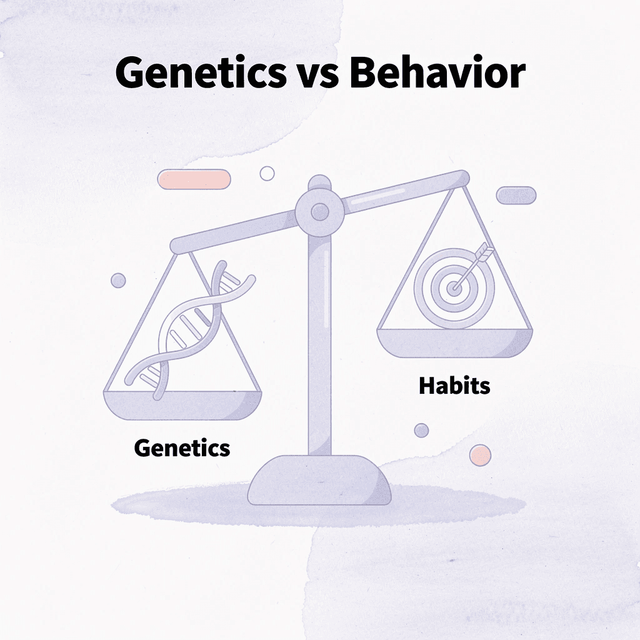
The variation isn't random. Genetic differences affect how the gut processes GLP-1 medications and how sensitive the digestive system is to slower gastric emptying. Dose escalation speed matters too. But biology explains only part of the story: behavior is the bigger factor. Low protein intake amplifies fatigue and accelerates muscle loss. Inadequate fiber worsens constipation. Poor hydration slows an already sluggish digestive system. Large meals or high-fat foods trigger intense nausea because your stomach cannot process them at its new, medication-slowed pace.

"Genetic differences affect how the gut processes GLP-1 medications and how sensitive the digestive system is to slower gastric emptying."
How do genetic markers predict your response?
Research has identified specific genetic markers that predict how strongly someone will respond to GLP-1 drugs. Patients with certain high-risk genetic profiles were five times more likely to experience severe nausea compared to those with low-risk scores. This genetic variation also affects weight loss results: some bodies respond more strongly to both the benefits and the discomfort.
Why does your gut's baseline sensitivity matter?
Your gut's baseline sensitivity matters too. If you've had digestive problems in the past, slower gastric emptying affects you more. If you've never experienced constipation, the sudden change in how fast food moves through your system feels more surprising. These are individual differences in how your digestive system has functioned over the years, now encountering a medication that disrupts its rhythm.
Dose escalation speed determines tolerance
The "marathon, not a sprint" principle exists for a reason. Increasing your dose too quickly overwhelms your system before it has time to adjust. Your stomach needs weeks to acclimate to each new dosage level, and your brain needs time to reset hunger signals. Rushing through titration triggers side effects with greater intensity and longer duration. Many people quit during escalation periods, mistaking temporary adjustment symptoms for permanent intolerance. Staying at the current dose for another two weeks might allow their body to catch up, turning severe nausea into manageable discomfort. The medication didn't fail them. The timeline did.
How do daily choices affect medication side effects?
Your daily choices determine whether side effects stay manageable or become unbearable. Eating a greasy burger when your stomach is moving food at half speed guarantees nausea. Skipping protein while losing weight rapidly speeds up muscle loss and deepens fatigue. Drinking coffee all morning but minimal water by afternoon worsens constipation when your gut is already sluggish. These choices mean the difference between tolerating treatment and abandoning it.
Why do some people handle the same medication better than others?
The common view treats side effects as something that happens to you, beyond your control. Yet when someone on the same medication at the same dose experiences mild discomfort while you struggle to function, the gap often stems from hydration habits, meal composition, portion sizes, and eating speed. Our GLP-1 app helps you connect these patterns by tracking meals, symptoms, and medication timing in one place, revealing which specific behaviors worsen your experience and which provide relief. MeAgain's GLP-1 app makes it easy to identify your personal triggers and optimize your daily routine for better tolerance.
What causes people to quit their medication?
Most people don't quit because of side effects. They quit because they expected to feel normal within days, didn't understand why symptoms worsened after dose increases, and never learned which daily habits were making everything worse.
Related Reading
- Who Makes Foundayo?
- Foundayo Side Effects
- How Is Foundayo Different From Zepbound?
- Which Is Better: Foundayo Or Oral Wegovy?
- How Can I Get Foundayo?
How Do You Manage Foundayo Side Effects Without Quitting?
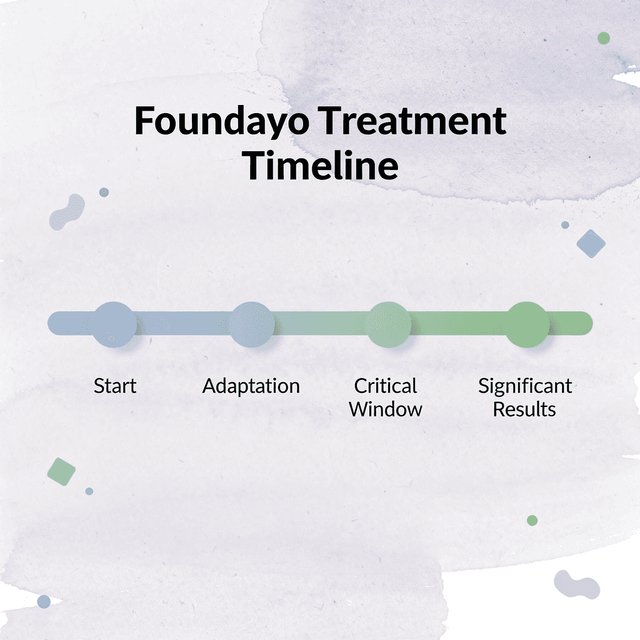
Success means staying on Foundayo long enough to see meaningful weight loss while keeping side effects tolerable. Most people need at least three to six months of consistent treatment before results become significant. Quitting during week four because of nausea or constipation means stopping when your body is adapting, abandoning progress before it becomes visible.
"Most people need at least three to six months of consistent treatment before results become significant."

How can you eat smaller, more frequent meals?
Smaller meals prevent your stomach from becoming overwhelmed. Split your usual portions in half and eat more frequently throughout the day. Avoid heavy, greasy foods during the first few hours after injection when the medication concentration peaks. Eating slowly gives your brain time to register fullness signals before you consume more than your stomach can comfortably process.
What foods and positions help reduce nausea?
Ginger tea, plain crackers, and bland foods help ease nausea. Stay upright for at least two hours after meals; lying down worsens symptoms because gravity no longer aids digestion. If nausea prevents you from eating or drinking, contact your prescriber immediately. This signals your current dose may be too high or your dose increase occurred too quickly.
How can you increase fiber intake safely while on Foundayo?
Getting enough fiber is more important on Foundayo than before treatment, since your gut moves more slowly and waste sits in your intestines longer. Gradually increase fiber through vegetables, fruits, whole grains, and legumes. Adding too much fiber too quickly without sufficient water can worsen constipation. Drinking enough water becomes critical when digestive transit time doubles: aim to drink fluids steadily throughout the day rather than only when thirsty.
What role does physical activity play in preventing constipation?
Regular movement helps. Walking after meals stimulates gut motility even when medication slows digestion. Gentle, consistent activity signals your digestive system to keep moving. If constipation persists despite these changes, over-the-counter stool softeners or fibre supplements can help. Severe constipation becomes harder to resolve and increases the likelihood you'll abandon treatment.
Why is protein intake crucial during weight loss?
Eating enough protein helps prevent muscle breakdown, which worsens fatigue and weakness. When eating less food, protein becomes the priority nutrient. Try to eat protein at every meal: Greek yogurt, eggs, lean meats, fish, and protein shakes help you reach your goals even when your appetite is low. Losing weight too quickly without adequate protein causes muscle loss alongside fat loss, slowing your metabolism and causing exhaustion.
How does strength training preserve muscle mass?
Strength activity keeps your muscles from shrinking during treatment. Bodyweight exercises, resistance bands, or light weights two to three times per week signal your body to preserve muscle as your overall weight decreases. Energy levels improve when you lose fat while preserving the muscle needed for daily activities.
How can you maintain consistency with healthy habits?
Eating smaller meals, drinking enough water, adding fiber gradually, prioritizing protein, and moving regularly are straightforward. The difficulty lies in maintaining these habits consistently when you feel nauseous, tired, or frustrated. Tracking these habits early reveals which specific behaviors reduce symptoms and which worsen them. Start by tracking the first 30 days of protein intake, fiber consumption, hydration, and symptoms alongside your medication schedule. MeAgain's GLP-1 app makes this consistency easier by logging meals, symptoms, and injection timing in one place, helping you identify patterns before side effects become intolerable. Side effects don't stop progress. Unmanaged side effects do.
Don’t Let Foundayo Side Effects Be the Reason You Quit
Most people quit GLP-1 medications like Foundayo because of side effects: nausea, constipation, low energy, not because they don't work. These aren't random; they're part of how Foundayo works. Without the right habits, they become overwhelming enough to stop progress. Managing them comes down to daily choices: sufficient protein to protect muscle and energy, meeting fiber and hydration targets to keep digestion moving, and staying consistent when routines slip.

MeAgain is an all-in-one GLP-1 app designed to help you stay consistent while taking medications like Foundayo. Your capybara companion keeps you on track with protein, fiber, hydration, and movement goals, while your Journey Card shows progress across every milestone—not just the scale. Track your habits, manage side effects, and give your body the consistency it needs to deliver results.
"78% of patients who quit GLP-1 medications cite side effects as the primary reason, yet those who maintain consistent daily habits are 3x more likely to continue treatment successfully." — Clinical Weight Management Research, 2024
Side effects don't stop progress. Quitting does. Download MeAgain and make staying on track easier than falling off.