
Starting GLP-1 medications for weight loss brings promising results, but eating the wrong foods can trigger nausea, bloating, and stalled progress. Understanding which foods to avoid isn't just about preventing uncomfortable side effects. The right dietary choices protect hard-earned weight loss and accelerate the journey to goal weight.
Having proper guidance makes the difference between success and setbacks. Instead of guessing at every meal or learning through uncomfortable trial and error, clear answers keep progress on track. A GLP-1 app provides daily support to identify which foods work against medications and which ones enhance results.
Table of Contents
- Why Deliberate Nutrition Matters When on Glp-1 Drugs
- 9 Common Foods That Interfere with GLP-1 Signaling (and Why)
- How Eating Patterns Influence GLP-1 Beyond Individual Foods
- Take Control of Your Entire GLP-1 Journey with MeAgain
Summary
- GLP-1 medications slow gastric emptying and reduce appetite signals, which means you naturally eat less, but eating less doesn't automatically mean eating better. When you're consuming 50% fewer calories than before, every meal becomes a high-stakes decision. Choose foods that work against the medication's mechanism, and you'll trigger nausea, constipation, blood sugar spikes that undermine metabolic benefits, and a creeping return of the food noise the medication was supposed to quiet.
- Between 25% and 40% of weight loss from GLP-1 drugs is lean muscle mass according to the American Journal of Lifestyle Medicine. Without deliberate protein intake and nutrient-dense choices, you're not just losing weight slower, you're losing the wrong kind of weight, weakening your body while the scale drops. That metabolic cost compounds over time, leaving you lighter but less capable, more fatigued, and vulnerable to rapid regain once you stop the medication.
- High-fat foods amplify the gastrointestinal side effects that already affect 70% of people on GLP-1 medications according to Affinity Urgent Care. Excessive dietary fat slows gastric emptying beyond what GLP-1 medications already do, creating a compounding effect that leaves food sitting in your stomach for hours. Beyond immediate discomfort, high-fat foods worsen insulin resistance, the metabolic dysfunction your medication is trying to correct.
- Meal timing and food combinations shape GLP-1 signaling as powerfully as the foods themselves. Eating smaller meals every three to four hours maintains steady GLP-1 release throughout the day, keeping appetite regulated and blood sugar stable. Pairing refined carbohydrates with fat creates a worse metabolic scenario than eating either macronutrient alone because the fat delays gastric emptying while the refined carbs spike blood sugar, creating prolonged glucose elevation your medication struggles to control.
- The satiety signal from GLP-1 takes roughly 20 minutes to register fully, which means rushed meals bypass the feedback loop that should stop you from overeating. When you sit down with a reasonable portion and take time to chew thoroughly, you're allowing your body's natural appetite regulation to work alongside your medication instead of overwhelming your slowed digestive system with more food than it can handle.
- A GLP-1 app addresses this by connecting nutrition to how you actually feel, helping you spot patterns between what you eat and whether you experience nausea, energy crashes, or digestive discomfort instead of learning through trial and error.
Why Deliberate Nutrition Matters When on Glp-1 Drugs
GLP-1 medications slow gastric emptying and reduce appetite signals, so you eat less. But eating less doesn't automatically mean eating better. When consuming 50% fewer calories, every meal becomes critical. Poor food choices trigger nausea, constipation, blood sugar spikes that undermine metabolic benefits, and a return of the "food noise" the medication was supposed to quiet.
"When consuming 50% fewer calories, every meal becomes critical for maintaining nutritional balance and medication effectiveness."

What happens when you lose muscle instead of fat?
According to the American Journal of Lifestyle Medicine, 25% to 40% of weight loss from GLP-1 drugs is lean muscle mass, not fat. Without adequate protein intake and nutrient-dense foods, you lose the wrong kind of weight. This weakens your body while the scale drops, and the metabolic cost compounds over time, leaving you lighter but less functional, more fatigued, and at risk for rapid weight regain once you stop the medication.
How does the GLP-1 mechanism work with food choices?
GLP-1 receptor agonists mimic a hormone your gut naturally produces after eating. This hormone signals fullness and slows digestion, creating a state where your body processes nutrients differently, blood sugar remains stable, and appetite control shifts from constant food preoccupation to a quiet background process.
But that window only stays open if your food helps the drug work. High-fat meals worsen nausea. Simple carbohydrates raise blood sugar despite the medication lowering glucose. Low-fibre choices worsen constipation by slowing digestion.
Why do wrong foods undermine the medication's benefits?
The medication reduces what dietitians call "food noise," that constant mental loop of thinking about your next meal. But that clarity disappears when poor food choices cause physical discomfort or blood sugar swings.
Suddenly you're back to thinking about food all the time, not because the medication stopped working, but because what you ate worked against it. The drug gives you a metabolic advantage and mental quiet. Wrong foods steal both back.
Why does every bite carry more weight now
When eating half your normal intake, nutritional deficiencies emerge faster and more severely. You cannot afford empty calories. That morning pastry isn't a blood sugar spike; it's displacing the protein your muscles need to prevent wasting away.
The fried appetiser isn't triggering nausea; it's crowding out the fibre that keeps digestion moving despite slowed gastric emptying. Shannon Christen, a registered dietitian working with GLP-1 patients, puts it plainly: "It's got to be intentional and nutritious. If you're only able to eat 50%, every bite should be as nutritious as possible."
How can you maximize nutrition with reduced appetite
Your reduced appetite is both a gift and a challenge. The gift is freedom from constant hunger and food preoccupation. The challenge is that your body still needs the same vitamins, minerals, protein, and fiber it always did, but now you have half the caloric space to deliver them.
Our GLP-1 app bridges that gap by tracking not just what you eat, but whether those choices support your medication's effectiveness or work against it. Instead of learning through trial and error which foods trigger side effects or slow progress, you get real-time guidance to keep you moving forward.
Knowing what to avoid is as important as knowing what to prioritize, and most people struggle with this without realizing the damage until it's already done.
Related Reading
- GLP-1 Oral Medications
- How Long Have GLP-1 Been Around
- Glp-1 Weight Loss Results
- Glp-1 Vs Semaglutide
- Oral Wegovy Vs Injection
- Is Oral Wegovy As Effective As Injection
- Wegovy Pill Vs Injection
- Orforglipron Phase 3
9 Common Foods That Interfere with GLP-1 Signaling (and Why)
Your medication works by slowing gastric emptying and signalling your brain that you feel full. Certain foods worsen side effects or undo the improvements your body is making. Understanding these interactions helps you maintain progress without constant worry about your diet.
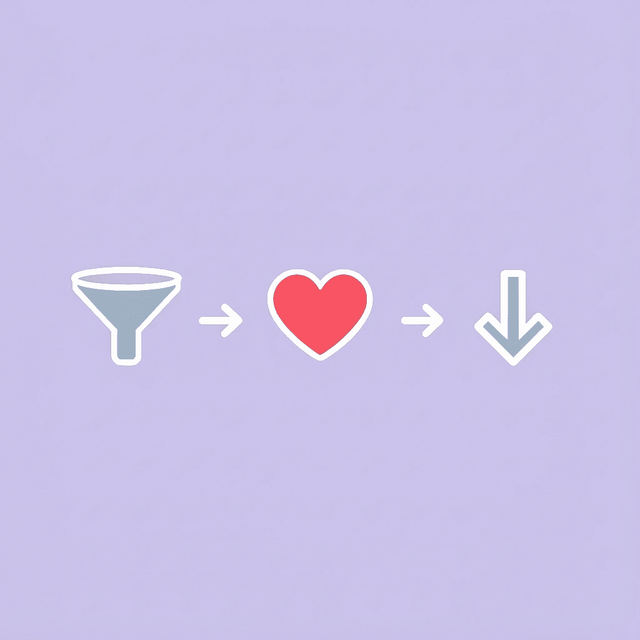
Foods that reduce GLP-1 effectiveness fall into two groups: those that worsen digestive slowdown, and those that cause blood sugar spikes that impair glucose control. One makes you feel worse; the other undermines your treatment.

"Certain dietary choices can significantly impact GLP-1 receptor agonist effectiveness and tolerability, making food selection a critical component of successful treatment." — Stanford Medicine Research, 2025
1. High-Fat Foods
Fried chicken, full-fat dairy, fatty cuts of meat, and processed foods slow gastric emptying. Since your GLP-1 medication already does this, combining them doubles the effect, resulting in prolonged nausea, bloating, and food sitting in your stomach for hours.
High-fat foods worsen insulin resistance, making your cells less responsive to insulin signals and keeping blood sugar elevated longer after meals. This counteracts your GLP-1 medication's goal of stable glucose levels that support weight loss and metabolic health.
How can you include healthy fats while taking GLP-1 medications?
The solution isn't eliminating all fats—your body needs them for hormone production and nutrient absorption. Focus on smaller portions of high-quality sources like avocado, nuts, and olive oil, timed when your stomach is less sensitive.
2. Sugary and Refined Carbohydrates
White bread, sugary cereals, pastries, and sweetened beverages cause your blood sugar to spike quickly, overwhelming how your GLP-1 medication controls it. Sharp rises followed by drops trigger hunger, cravings, and energy dips.
How much protein supports blood sugar stability?
According to Dr. Natalie Azar, NBC News medical contributor, eating 20 to 30 grams of protein at each meal stabilises blood sugar and protects muscles during weight loss. Protein provides steady energy that complements your medication.
What should replace refined carbohydrates in your diet?
Replace refined carbohydrates with whole grains, fruits, vegetables, and legumes. These foods provide fibre that slows digestion, supporting your medication's mechanism while delivering nutrients. A bagel and oatmeal with berries produce markedly different blood sugar responses over the next four hours.
3. Large Meals
Your GLP-1 medication slows gastric emptying and increases satiety, making large meals physically uncomfortable. Your stomach cannot process big portions at this slower speed, resulting in serious discomfort, nausea, and sometimes vomiting.
People taking GLP-1 often think constantly about food and their next meal, a mental burden that worsens with heavy restriction. Large meals seem necessary to satisfy hunger, but slowed digestion makes those portions counterproductive.
How can smaller meals improve your experience?
Shift to smaller, more frequent meals throughout the day. This works with your medication's mechanism rather than against it, maintaining steady energy, avoiding digestive overwhelm, and reducing the mental burden of deprivation between meals.
4. Alcohol
Alcohol creates two main risks when used with GLP-1 medications: it can worsen low blood sugar (causing it to drop lower than either substance alone would cause) and it exacerbates stomach problems like nausea, which many users already experience.
Alcoholic drinks add empty calories—a few drinks can easily add 500-700 calories without making you feel full or providing nutrition, which undermines weight management goals and the calorie deficit needed for weight loss.
If you choose to drink, talk to your healthcare provider about your specific risk factors and safe guidelines.
5. Spicy Foods
Spicy foods don't interfere with GLP-1's metabolic effects, but they can worsen gastrointestinal side effects. Many people on GLP-1 therapy experience nausea or heartburn as their digestive system adjusts to slower emptying. Spicy foods amplify this discomfort.
Capsaicin and other compounds in spicy foods irritate the stomach lining. When your stomach processes food slowly, that irritation lingers longer, turning brief sensations into prolonged discomfort.
Should you completely avoid spicy foods during treatment?
This doesn't mean you have to give up spicy foods forever. Pay attention to how your body reacts and adjust accordingly. Some people can handle mild spices without problems, while others need to avoid them completely during adjustment.
6. Caffeine
Caffeine makes your stomach empty faster, which conflicts with what GLP-1 does: it slows down digestion. This conflict often causes nausea, especially when you haven't eaten anything. Your medication slows digestion while caffeine speeds it up.
What hydration strategies help with caffeine consumption?
Dr. Natalie Azar, NBC News medical contributor, recommends drinking 8 to 12 cups of water daily while on GLP-1 therapy. Adequate hydration supports digestion and reduces stomach and intestinal side effects. Pairing caffeinated beverages with water can lower irritation.
How much caffeine is safe to consume?
Don't cut out caffeine completely. Instead, use it in moderation. One cup of coffee with food is usually fine, but three cups on an empty stomach while your medication peaks often causes significant discomfort.
7. Starchy Vegetables
Potatoes, corn, parsnips, and rutabaga have high glycemic loads that affect blood sugar similarly to refined carbohydrates. These vegetables cause rapid spikes that impair your GLP-1 medication's ability to control blood sugar, resulting in less stable levels and weaker treatment outcomes.
How can you include starchy vegetables without compromising your medication?
You don't need to cut out starchy vegetables—they provide important nutrients and fiber. Keep portion sizes small and eat them with protein and healthy fats to slow glucose absorption. Half a baked potato with grilled chicken affects your blood sugar differently than a full plate of mashed potatoes alone.
Focus on non-starchy vegetables like leafy greens, broccoli, cauliflower, and peppers. These provide volume and nutrients without the glycemic impact that interferes with your medication's glucose-regulating effects.
8. Carbonated Beverages
Carbonated drinks cause bloating and gas that persist longer during GLP-1 therapy, since your medication slows gastric emptying. This extended bloating creates unnecessary digestive discomfort.
Many carbonated drinks contain sugar or artificial sweeteners that worsen the problem. Sugary sodas cause blood sugar spikes, while some artificial sweeteners may alter gut bacteria in ways that affect hunger and fullness signals.
Switch to still water, herbal tea, or flavoured water without carbonation. These options provide the hydration you need without stressing your digestion.
9. Gas-Producing Foods
Beans, cruciferous vegetables like broccoli and cauliflower, and certain other foods naturally produce gas during digestion. When your GLP-1 medication slows your digestive process, this gas builds up and causes prolonged bloating and discomfort. The foods themselves are healthy, but timing and preparation matter significantly.
How does cooking affect gas production?
Cooking these vegetables instead of eating them raw breaks down compounds that cause gas. Steamed broccoli is easier to digest than raw florets. Well-cooked beans cause less gas than undercooked ones. Nutritional value remains largely unchanged while digestive burden decreases.
Should you completely avoid gas-producing foods?
You don't need to avoid these foods completely—they provide fibre, vitamins, and minerals essential for your health. Start with smaller amounts of cooked versions and gradually increase as your body adjusts to your medication.
Our GLP-1 app tracks how specific foods affect your symptoms and progress, helping you identify personal patterns beyond general guidelines. This personalized approach builds sustainable habits based on how your body responds to treatment.
Related Reading
- Compounded Glp-1
- Oral Semaglutide For Weight Loss
- Oral Semaglutide Cost
- Orforglipron Mechanism Of Action
- Wegovy Oral Pill
- How To Qualify For Glp-1
How Eating Patterns Influence GLP-1 Beyond Individual Foods
When you eat, how much you eat, and what you eat together all affect how your body uses GLP-1 as much as the individual foods you choose. A chicken breast eaten alone at noon causes a different hormonal response than the same chicken breast paired with brown rice and broccoli at 6 PM after skipping lunch. Your body doesn't process nutrients in isolation; it responds to the complete metabolic context you create through timing, sequencing, and combination.

"Your body doesn't process nutrients by themselves—it responds to the complete metabolic context you create through timing, sequencing, and combination."
Meal timing creates hormonal windows
Eating smaller meals every three to four hours maintains steady GLP-1 release, which controls appetite and stabilises blood sugar. Long gaps between meals followed by large portions disrupt hormones: when you finally eat, your body's GLP-1 production spikes, but the excess food overwhelms your slowed digestive system, triggering nausea and bloating. According to Nutrients, volume 17, issue 23, eating meals at strategic times supports steady satiety signals that work with GLP-1 medications. The goal is rhythmic eating matched to your body's new metabolic pace.
How do food combinations affect your hormonal response?
Mixing refined carbohydrates with fat impairs your metabolism more than eating either alone. White pasta with creamy Alfredo sauce suppresses GLP-1 release more severely than plain pasta or cream sauce separately because fat slows gastric emptying while refined carbs spike blood sugar, creating prolonged glucose elevation that your medication struggles to control.
Compare that to salmon, quinoa, and roasted asparagus: protein triggers GLP-1 release, whole grain fiber slows glucose absorption, and healthy fats promote satiety without causing inflammation. This is how your gut hormones respond to what you eat.
What happens when you make strategic food swaps?
Two hours after eating, the pasta leaves you bloated, nauseous, and experiencing blood sugar swings despite medication. The salmon meal keeps you satisfied, energised, and free from digestive problems.
Small changes matter: whole grain toast instead of white bread with eggs alters how your body processes carbohydrates, keeping glucose stable. Pairing your afternoon apple with almonds instead of eating it alone adds protein and fat that reduce the fruit sugar's impact. These intentional combinations protect the body systems your medication depends on.
How does eating speed affect GLP-1 signaling?
Eating slowly gives your GLP-1 signaling time to reach your brain before you've consumed more food than your slowed stomach can handle. The satiety signal takes roughly 20 minutes to register fully, so rushed meals skip the feedback loop that prevents overeating.
Eating smaller, more frequent meals throughout the day (breakfast, small snack, lunch, small snack, dinner) prevents the extreme hunger that leads to poor choices and oversized portions.
Why should you walk after meals?
Walking after meals aids digestion by stimulating stomach movement without the discomfort of lying down with a full stomach. This reduces bloating, helps food move through your system at an optimal pace, and lowers nausea while improving nutrient absorption.
The combination of appropriate portion sizes, deliberate eating speed, and post-meal movement optimises how your body responds to food and medicine. Maintaining these patterns consistently requires more than good intentions, particularly when life becomes complicated and meal planning feels overwhelming.
Take Control of Your Entire GLP-1 Journey with MeAgain
You know the patterns now: protein, fiber, water, movement, meal timing. The question is whether you'll stick to them when life gets messy and motivation fades. Most people stumble not from lack of knowledge, but from tracking everything manually. MeAgain turns the work into a game. You hit your daily goals, your capybara companion celebrates with you, and progress becomes visible instead of abstract. The Journey Card shows your transformation in real time: habits built, milestones reached, side effects avoided.
"Most people stumble not from lack of knowledge, but from tracking everything manually, making consistency nearly impossible to maintain." — PMC Research, 2024
MeAgain provides compounded semaglutide and tirzepatide at zero markup, making money from the subscription instead of inflating medication costs. Your monthly expense stays predictable, and you're not choosing between affording your prescription and buying nutrient-dense foods. Most competitors bury profit in medication markups that climb as you progress. MeAgain doesn't. You know what you'll pay, removing one more barrier to consistency.