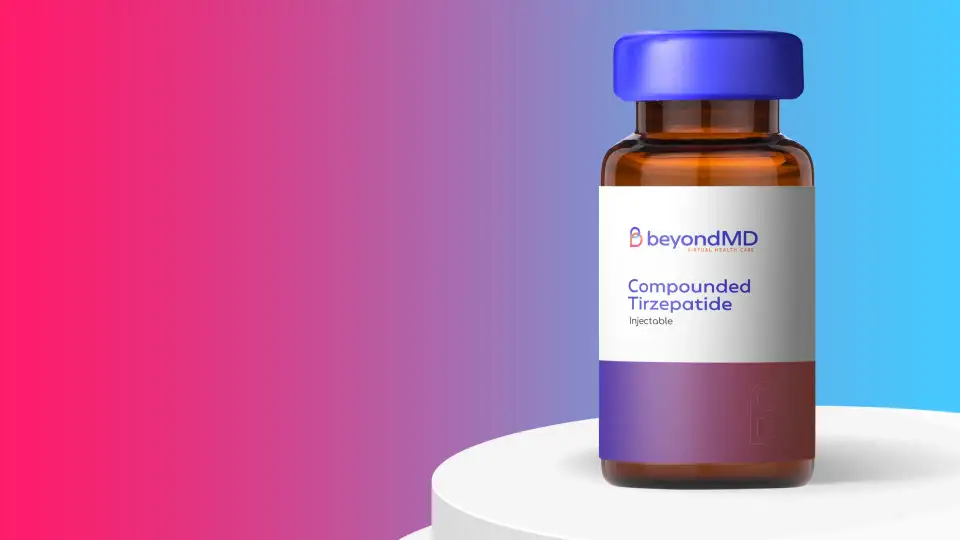

Tirzepatide has gained attention for its weight-loss effects, but the brand-name version carries a hefty price tag. Many people wonder whether compounded tirzepatide delivers the same results as the FDA-approved medication. This concern makes sense when considering a weekly injection regimen for stubborn weight that other approaches haven't addressed. Several factors determine effectiveness, including dosage accuracy, formulation quality, consistency, lifestyle choices, and oversight by healthcare providers.
Having the right support system makes navigating treatment decisions much easier. Whether someone is already using compounded tirzepatide or is still weighing options, tracking progress and monitoring real-world effectiveness helps identify patterns between dosing schedules and actual weight changes. This data enables informed discussions with medical teams about what truly works. MeAgain's GLP-1 app provides a practical way to track progress, understand how the body responds to treatment, and maintain consistency with habits that amplify results.
Table of Contents
- Does Compounded Tirzepatide Actually Work for Weight Loss?
- Why Compounded Tirzepatide Results Can Vary From Person to Person
- How To Decide Whether Compounded Tirzepatide Is Right for You
- If You Want GLP-1 Treatment To Work Long Term, Focus on More Than the Injection
Summary
- Compounded tirzepatide can support weight loss when prescribed appropriately and sourced from legitimate pharmacies, but clinical evidence shows inconsistent results compared to FDA-approved formulations. A 2025 HEOR study documented only 5% weight loss over four weeks at 7.5 mg weekly doses despite rigorous diet and exercise, with all weight regained within two weeks of stopping treatment. This contrasts sharply with systematic reviews showing that branded tirzepatide produced a 26% reduction in body weight in controlled trials, revealing a significant performance gap between compounded preparations and FDA-approved versions when tested under standardized conditions.
- Formulation variability across compounding pharmacies creates unpredictable outcomes that patients struggle to anticipate. Many pharmacies use tirzepatide acetate salt forms rather than the exact molecular structure found in Mounjaro or Zepbound, which affects dissolution rates, storage stability, and absorption patterns once injected. Without the manufacturing oversight and quality control protocols required for FDA approval, one pharmacy's 5 mg dose may deliver a different potency than another's, and peptides can degrade depending on compounding dates and storage conditions before reaching patients.
- The FDA ended tirzepatide shortage designations in October 2024 and upheld that decision in December 2024, fundamentally changing the legal landscape for compounding pharmacies. Under federal guidelines, pharmacies lose authorization to regularly compound medications once shortages are resolved, except in limited cases, such as documented allergies to inactive ingredients. Cost alone does not qualify as a valid reason to compound commercially available medications, though enforcement complexity and state-level oversight create gaps that allow some operations to continue despite federal guidance.
- Individual biological differences determine medication response far more than most patients expect, making effectiveness highly variable across users. Genetic variations in GIPR receptors alter how bodies respond to tirzepatide's dual-action mechanism, potentially shifting effects toward side effects rather than weight loss. Metabolic adaptation as weight decreases can create plateaus that feel like treatment failure when dosage actually needs recalibration, and underlying conditions like PCOS or hypothyroidism compound this variability even when adherence remains consistent.
- Sustainable results depend on nutritional patterns, consistent hydration, and adherence tracking, rather than on access to medication alone. The 2025 HEOR study documented profound thirst requiring double normal water consumption and side effects described as intolerable in work environments, revealing how hydration and lifestyle factors influence treatment tolerability. Adequate protein and fiber intake determine whether appetite suppression translates into muscle-preserving weight loss or metabolically damaging lean mass depletion, making daily habit tracking as critical as securing affordable medication.
- MeAgain's GLP-1 app addresses this by consolidating medication timing, protein, fiber, water intake, side effects, and weight changes into one tracking system that reveals patterns between dosing schedules and actual body responses.
Does Compounded Tirzepatide Actually Work for Weight Loss?
Compounded tirzepatide can support weight loss for some patients when prescribed appropriately and sourced from legitimate pharmacies, though it is not automatically equivalent to FDA-approved Mounjaro or Zepbound. Results depend on formulation quality, dosage consistency, medical supervision, individual adherence, nutrition patterns, and treatment duration.

"Compounded medications may have different bioavailability and potency variations compared to FDA-approved formulations, potentially affecting clinical outcomes." — FDA Safety Communication, 2023

What factors drive patients toward compounded alternatives?
The surge in demand for GLP-1 medications led to widespread shortages, prompting patients to turn to compounded alternatives. Many faced a choice between branded medications costing over $1,000 monthly without insurance and compounded options offering the same active ingredient at a lower cost.
Social media spreads both success stories and cautionary tales, making it difficult to separate fact from hype. Patients encounter effectiveness claims ranging from dramatic transformations to complete disappointment, with little guidance on what "working" should mean for their situation.
What does the research on branded tirzepatide show?
A systematic review and meta-analysis published in 2025 showed tirzepatide produced a 26% reduction in body weight in patients without diabetes using branded formulations. The first medical journal article examining compounded tirzepatide appeared in a 2025 HEOR analysis published in PubMed, revealing a critical evidence gap: all previous literature referenced only FDA-approved formulations.
How effective is compounded tirzepatide in real-world use?
The HEOR study tested 7.5 mg weekly injections of compounded tirzepatide over four weeks in a male investigator with a BMI of 27. Despite daily exercise, a nutrient-dense vegan diet, intermittent fasting, and comprehensive supplementation, he achieved only 5% weight loss and regained it all within two weeks of stopping.
The study documented an "undulating pattern" where injections sometimes failed to produce satiety or delayed digestion. Side effects included bloating, gas, intestinal rapid emptying comparable to excessive laxative use, and profound thirst requiring double normal water consumption, described as "intolerable in a work environment with nearby colleagues."
How do patients define success differently?
Some patients measure success by scale numbers, expecting double-digit weight loss percentages from social media posts. Others focus on appetite suppression and changes in eating patterns. A few prioritize what the HEOR study called "lasting neuroplasticity-like changes in memory, rewards, and elimination of one or more particular food cravings" over temporary weight reduction.
The investigator eliminated craving for one high-caloric sugary snack and overcame an endurance barrier in lap swimming, outcomes he valued despite disappointing weight metrics. When effectiveness varies this dramatically based on individual goals, the question shifts from "does it work" to "what does working mean for your specific situation, and how will you know."
What factors influence compounded tirzepatide effectiveness?
How well compounded tirzepatide works depends less on the medication itself and more on everything surrounding it: taking your dose at the same time each day, eating enough protein and fiber, drinking enough water, managing side effects, and noticing patterns between when you take the medication and how your body responds. The HEOR study found that people temporarily gained weight and felt bloated, with the extent depending on their carbohydrate intake, suggesting that results vary by individual diet.
Our MeAgain GLP-1 app helps you track your medication timing, meals, protein, fiber, water intake, side effects, and weight changes in one place. This enables you to spot patterns in how your body responds and to have more informed conversations with your doctor about the effectiveness of your treatment.
How does quality control affect compounded tirzepatide results?
The FDA has not approved compounded tirzepatide, and quality control varies significantly across compounding pharmacies. Formulation consistency, proper storage, accurate dosing, and sterility standards all influence whether a compounded preparation delivers the expected therapeutic effect.
Patients cannot assume that because a medication contains the same active pharmaceutical ingredient, it will produce identical results to branded versions tested in clinical trials. The gap between controlled trial outcomes and real-world compounded experiences, which show inconsistent effectiveness, creates legitimate uncertainty that patients struggle to navigate without proper tracking and medical guidance.
Understanding whether compounded tirzepatide works in general tells you almost nothing about whether it will work for you, because individual variation determines outcomes far more than most patients realize.
Related Reading
Why Compounded Tirzepatide Results Can Vary From Person to Person
Many people assume tirzepatide produces the same results for everyone who takes it regularly. However, compounded formulations differ from FDA-approved versions in manufacturing processes, salt form differences, and quality control steps. Your individual body, dosage escalation patterns, nutrition quality, and consistency all affect your results.

"Individual variability in medication response can lead to significantly different outcomes even when using the same active ingredient due to formulation differences and personal factors."

Compounding Pharmacy Standards Create Formulation Variability
Compounding pharmacies source active pharmaceutical ingredients from various suppliers, often using salt forms like tirzepatide acetate rather than the exact base structure in Zepbound or Mounjaro. Salt forms affect drug dissolution rate, stability, and absorption speed. A 503A-compliant pharmacy follows state regulations but is not required to repeat the clinical testing that FDA-approved medications undergo. Consequently, one pharmacy's 5 mg dose may perform differently from another's, and peptides can degrade depending on the manufacturing date and storage conditions.
How do genetics influence your medication response?
Your genes influence whether you experience strong appetite suppression or mainly nausea and fatigue. Some people carry GIPR variants that alter how their GIP receptors respond to tirzepatide's dual-action mechanism, shifting the drug's effectiveness away from weight loss and toward side effects. Metabolic adaptation also plays a role: as you lose weight, your body requires fewer calories to maintain its new mass, creating plateaus that feel like the medication stopped working when dosage recalibration is needed. Underlying conditions such as PCOS, hypothyroidism, or chronic stress compound this variability and slow results despite consistent medication adherence.
Why doesn't exercise intensity predict weight loss success?
When someone exercises hard five times per week but loses only 1 pound over 8 weeks, it can be frustrating. You're putting in effort without seeing desired results. Exercise accounts for roughly 5% of total daily energy expenditure, so missed workouts rarely explain slow progress. The real reasons for slow weight loss are consistency with your plan, progressive increases in activity, adequate protein intake, and whether strict calorie restriction caused NEAT decline (your body unconsciously reduces spontaneous movement, such as fidgeting and casual steps).
How do dosage patterns affect treatment predictability?
Starting at a lower dose produces minimal results in some people, while others respond dramatically. Missing doses or frequent stopping and restarting disrupt the medication's steady-state concentration in your bloodstream, reducing its effectiveness unpredictably. Clinical trials showing 15% body weight loss used standardized escalation schedules and controlled adherence monitoring that real-world compounded use rarely replicates. Without structured tracking of dose timing, nutrition quality (especially protein and fiber), hydration, and side effect patterns, it becomes impossible to determine whether poor results stem from formulation issues, inadequate dosing, lifestyle factors, or biological non-response.
What tracking methods improve treatment outcomes?
Platforms like MeAgain consolidate medication timing, meals, protein, fiber, water, side effects, and weight into one daily tracking system. This comprehensive approach reduces stress while helping you determine whether slow progress stems from missed doses, insufficient protein intake, dehydration patterns, or formulation inconsistencies that might warrant switching pharmacies. But knowing all these variables leaves the hardest question unanswered: how do you decide whether compounded tirzepatide is the right choice for your situation?
How To Decide Whether Compounded Tirzepatide Is Right for You
The question isn't whether compounded tirzepatide works—it's whether this path fits your medical needs, budget, supervision setup, and tolerance for variability. According to StatPearls - NCBI Bookshelf, tirzepatide is a dual agonist for the glucagon-like peptide-1 (GLP-1) and glucose-dependent insulinotropic polypeptide (GIP) receptors, with a well-established mechanism. Obtaining that mechanism through compounded formulations versus FDA-approved products involves different trade-offs deserving honest evaluation.

"Tirzepatide is a dual agonist for the glucagon-like peptide-1 (GLP-1) and glucose-dependent insulinotropic polypeptide (GIP) receptors, with a well-established mechanism." — StatPearls, NCBI Bookshelf

When compounded, tirzepatide may make sense
Compounded tirzepatide became a reasonable choice during medication shortages. When Mounjaro entered shortage status in December 2022, and Zepbound followed after its approval for weight loss, compounding pharmacies helped patients already doing well on tirzepatide or enabled new patients to start treatment when branded options were backordered for months.
Insurance barriers also drove adoption—prior authorizations failed repeatedly, or formulary restrictions made branded tirzepatide inaccessible despite medical necessity. Affordability concerns were significant, since compounded versions often cost under $400 monthly compared to over $1,000 for branded options without insurance coverage. Physician-guided treatment benefited from the flexibility of compounded tirzepatide dose titration, allowing providers to customize starting doses or adjust increments based on individual tolerance patterns that didn't align with pre-filled pen increments.
Why FDA-approved medications often win on predictability
Patients choose Mounjaro or Zepbound when product quality matters more than cost. FDA approval confirms the drug is safe and effective across different populations. Manufacturing oversight ensures every pen or vial contains exactly what the label states. Dosing consistency eliminates uncertainty about whether a 5 mg injection delivers 5 mg of active tirzepatide.
Clinical predictability becomes crucial when tracking changes over weeks or months: knowing your medication remains constant helps you determine whether shifts in appetite, energy, or side effects stem from the drug itself rather than diet, sleep, or stress. Manufacturing standards also cover storage requirements, expiration dating, and device reliability, reducing uncertainty about vial degradation or pen malfunction.
What changed with FDA regulations in late 2024?
The FDA determined that tirzepatide shortages ended in October 2024, significantly changing the legal landscape for compounding pharmacies. When a drug shortage ends, pharmacies can no longer regularly compound that medication except in limited cases, such as when patients have documented allergies to inactive ingredients. Cost alone is not a valid reason to compound commercially available medications in accordance with FDA guidelines. The FDA confirmed this ruling in December 2024 following legal challenges.
How are compounding pharmacies responding to these changes?
Grace periods gave compounding pharmacies time to stop making products, but those windows have closed. Most compounding pharmacies should no longer make tirzepatide injections, though enforcement is difficult, and varying state-level oversight creates gaps, allowing some operations to continue despite federal guidance to stop. Tracking platforms like MeAgain help patients monitor whether their medication source remains consistent, logging dose timing, side effect patterns, and weight trends that reveal formulation changes before they disrupt progress.
Medication legitimacy requires more scrutiny than you'd expect
Tirzepatide remains prescription-only regardless of source; anyone claiming otherwise is breaking the law. "Research-grade" tirzepatide sold online lacks FDA approval and regulatory oversight for human use, exposing buyers to contaminated products, incorrect doses, or ineffective medication.
Eli Lilly doesn't supply bulk tirzepatide to facilities outside its own operations, yet some pharmacies source it from unregistered suppliers, raising quality concerns that patients cannot verify. Injectable medications require clean manufacturing environments to prevent contamination. While state pharmacy boards set compounding standards, enforcement varies considerably, and not all pharmacies hold certifications demonstrating adherence to sterile preparation protocols.
What habits determine long-term GLP-1 success beyond medication access?
Getting lasting results from GLP-1 medication like tirzepatide requires more than affordability. Your daily eating habits—particularly protein and fiber intake—determine whether the medication helps you lose fat while preserving muscle, or if you lose muscle instead. Adequate water intake also matters because it affects the severity of side effects, medication absorption, and kidney function during rapid weight loss.
How much you move and exercise affects whether you lose fat or muscle, and how often you take your medication shows whether you miss doses because you forget, feel nervous about injections, have side effects, or can't access your medication. Tracking these factors together helps you determine whether slow progress stems from inconsistent medication use, poor nutrition, or your body adapting to the medication. This gives you concrete information to discuss with your doctor rather than vague complaints.
Why can't perfect tracking protect against all risks?
But even perfect tracking can't protect you from risks inherent in unregulated formulations, where the safety conversation becomes uncomfortable.
If You Want GLP-1 Treatment To Work Long Term, Focus on More Than the Injection
The medication alone does not determine your results. Whether you choose compounded tirzepatide because of cost, access, or shortages, the habits you build around it matter as much as the injection itself. Many people start GLP-1 treatment expecting appetite suppression to carry them through, only to hit stalled progress, muscle loss, or energy crashes when they neglect protein intake, hydration, and movement.

Our MeAgain app solves that problem by turning daily habits that support GLP-1 effectiveness into a tracking system. Log protein, fiber, water, and exercise alongside your medication doses to identify patterns explaining why progress slows or side effects worsen. Your capybara companion keeps the process engaging, and your Journey Card shows transformation beyond scale changes. Our platform consolidates everything into one place so you stay on top of your journey without feeling overwhelmed.
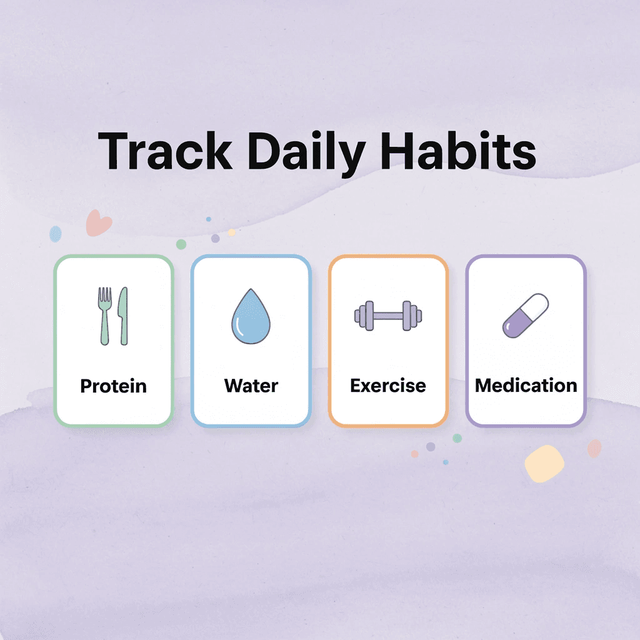
"The habits you build around GLP-1 treatment matter just as much as the injection itself for long-term success."
Download MeAgain, set your daily goals, and start building the habits that make GLP-1 results more sustainable, regardless of which medication path you choose.