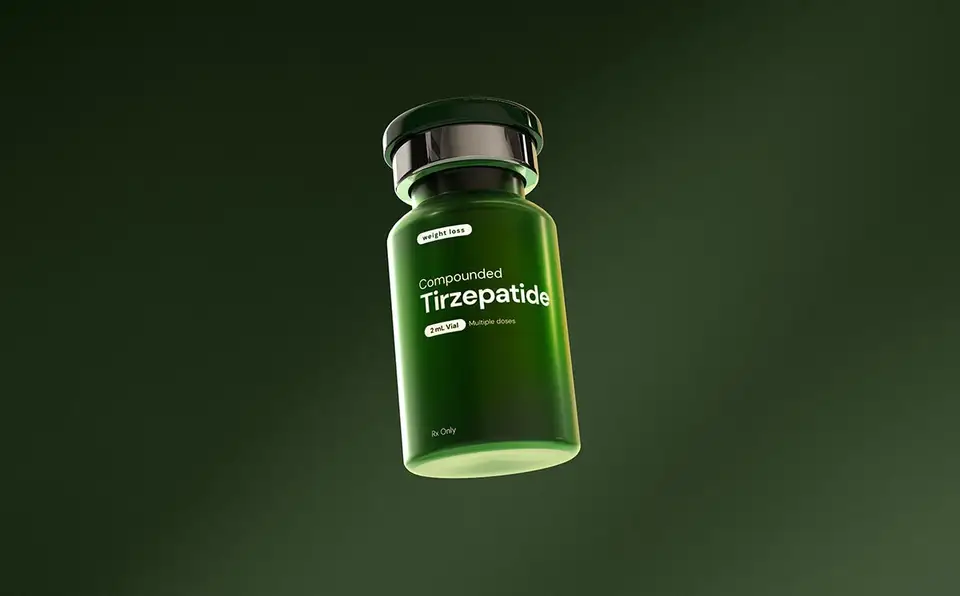

Receiving a compounded tirzepatide prescription raises important questions about medication appearance and safety. The color of compounded tirzepatide serves as a crucial indicator of proper formulation and storage. Knowing what to expect helps identify potential problems before they impact treatment effectiveness or safety.
Properly compounded tirzepatide should appear as a clear, colorless solution without particles or discoloration. Any deviation from this standard appearance may signal contamination, degradation, or improper preparation. Having the right tools to track and monitor medication appearance makes this verification process simpler and more reliable with MeAgain's GLP-1 app.
Table of Contents
- What Color Is Compounded Tirzepatide Supposed to Be?
- Why Compounded Tirzepatide May Look Different Between Pharmacies
- When Tirzepatide Color Changes Could Be a Warning Sign
- Track More Than Just the Color During Your GLP-1 Treatment
Summary
- Compounded tirzepatide typically appears clear to faintly yellow, though formulations containing vitamin B12 can look reddish-pink or deep magenta due to the cobalt-containing corrin ring structure in the B12 molecule. This color variation isn't a defect. It reflects intentional formulation choices by individual compounding pharmacies that add nutrients or stabilizers based on patient needs. Unlike FDA-approved Mounjaro or Zepbound, which undergo standardized manufacturing to ensure batch-to-batch uniformity, compounded versions are mixed individually under state pharmacy board oversight, with no federal requirements for visual consistency.
- Inactive ingredients such as bacteriostatic water, benzyl alcohol preservatives, and pH-buffering agents can cause appearance differences between pharmacies even when the active tirzepatide concentration remains identical. A formulation at pH 7.4 might appear crystal clear, while one at pH 8.0 with mannitol as a stabilizer could look faintly hazy without indicating contamination. These variations are normal, but patients need to know what their specific pharmacy's formulation should look like rather than relying on a universal standard that doesn't exist for compounded medications.
- Cloudy solutions, floating particles, or drastic color shifts, such as clear turning brown, signal contamination or degradation that requires immediate stopping of use. Research published in Anais Brasileiros de Dermatologia in November 2023 shows that tirzepatide's stability is highly temperature-dependent, and even brief exposure to improper storage conditions can compromise medication integrity before physical evidence appears. Beyond-use dates on compounded formulations reflect stability testing for specific batches, making expiration dates critical safety markers rather than suggestions.
- Clear appearance doesn't guarantee safety or potency. Bacterial contamination may not produce visible indicators for the first 24 to 48 hours after exposure, and chemical degradation can render the peptide inactive without changing its appearance. If appetite suddenly returns mid-cycle, nausea appears at previously stable doses, or weight loss stalls unexpectedly, those patterns could indicate compromised medication potency even when the vial looks normal. The gap between visible appearance and actual therapeutic effectiveness creates a risk that visual inspection alone cannot eliminate.
- Most patients using compounded tirzepatide track doses, side effects, and weight changes across multiple apps or notebooks, creating a mental load that makes it harder to spot whether a new formulation is working differently. When switching pharmacies or noticing changes in efficacy, having documented context showing whether your body's response shifted or stayed consistent helps distinguish cosmetic formulation differences from clinically significant problems.
- MeAgain's GLP-1 app addresses this by consolidating medication tracking, symptom logs, and progress monitoring in one platform, so you can store photos of vials for comparison over time and document patterns in your body's response alongside the appearance of each batch.
What Color Is Compounded Tirzepatide Supposed to Be?
Compounded tirzepatide is usually clear or slightly tinted yellow. If your formulation includes vitamin B12 (common in patients with deficiency), the solution may appear reddish-pink or dark pink: this is the natural color of B12, not a sign of problems.
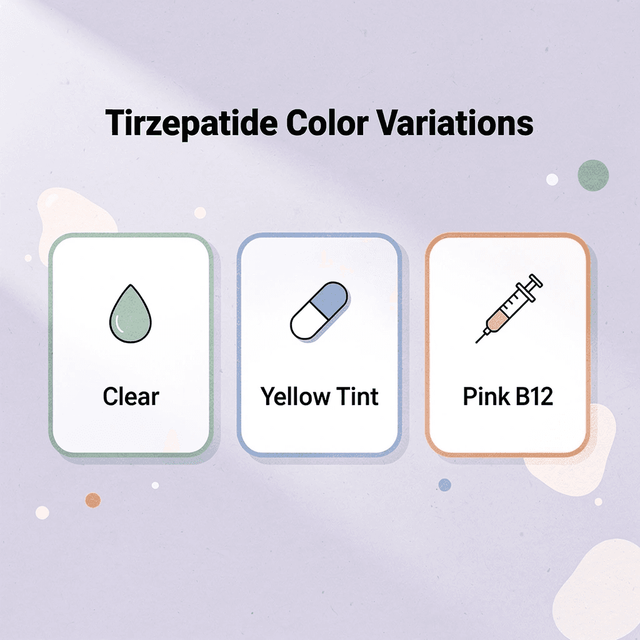
"Compounding pharmacies use different recipes that can significantly alter the appearance and color of your medication without affecting its effectiveness."

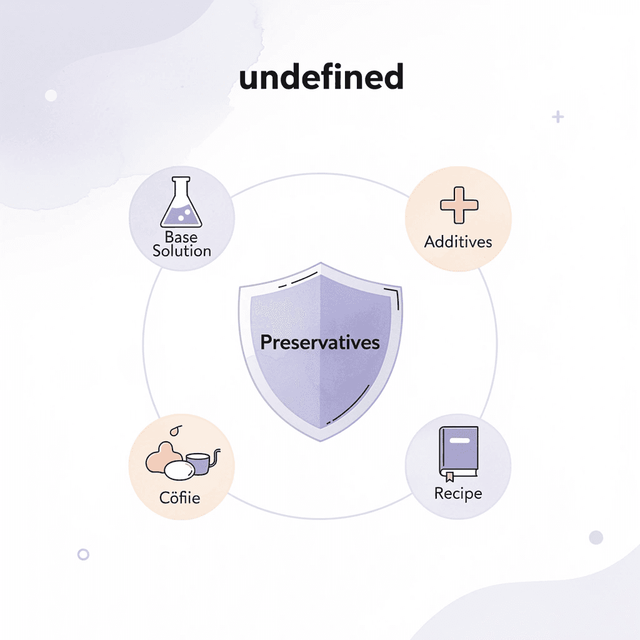
Compounding pharmacies use different recipes. One may add preservatives that shift the tint; another may use a different base solution that changes clarity. Your provider should disclose additives like B12 upfront, but not all do, leaving you uncertain about an unexpected pink vial.
Why does the cost of compounded tirzepatide vary between pharmacies?
Compounding isn't mass production. Each pharmacy sources ingredients separately, uses different stabilizers, and follows rules that meet baseline safety standards but vary by location. A vial that appears amber at one pharmacy might look nearly colorless at another. Both can be safe. What matters is whether the color matches what your pharmacy documented for your formulation and whether it remains consistent over time.
How did the FDA shortage affect the quality of compounding?
When tirzepatide appeared on the FDA's shortage list through 2024, demand increased, and more compounding facilities entered the market. Some had decades of sterile compounding experience; others were newer to sterile compounding with less rigorous quality controls. Because these medications aren't FDA-approved, the agency recommends caution. Compounded tirzepatide isn't inherently unsafe—you simply need to know what normal looks like for your source.
What does normal tirzepatide look like?
Normal appearance includes clear to slightly yellow liquid, a possible reddish-pink tint if B12 is present, and no visible particles or cloudiness. Abnormal signs include cloudy liquid, floating particles or sediment, dramatic color shifts (such as deep brown or green), or any change in appearance after proper storage. These indicate contamination, chemical breakdown, or improper storage conditions such as exposure to heat or freezing.
Why does appearance vary between pharmacies?
The problem is that "normal" isn't universal. Pharmacy A's standard formulation may differ from Pharmacy B's, even when both are safe. This becomes risky when patients don't know what to expect, can't compare their current vial to previous ones, or lack clear documentation from their provider about what their medication should look like. Most people using compounded tirzepatide have never been shown a reference photo or given written guidance on acceptable appearance ranges. Knowing what's normal for your pharmacy only protects you if the formulation remains consistent.
Related Reading
- How Much Does Compounded Tirzepatide Cost
- How To Get Compounded Tirzepatide
- Does Compounded Tirzepatide Work
- Compounded Tirzepatide Dosage
Why Compounded Tirzepatide May Look Different Between Pharmacies
Compounded tirzepatide looks different because each pharmacy makes it from scratch using their own methods, ingredient suppliers, and concentration standards. Unlike FDA-approved Mounjaro or Zepbound, which undergo standardized manufacturing to ensure consistency across batches, compounded versions are mixed individually under state pharmacy board oversight, with no federal requirements for appearance. The same active pharmaceutical ingredient can produce solutions ranging from crystal clear to pale yellow, or even pink or reddish, depending on the specific ingredients used in the formulation.

"Compounded medications can vary significantly in appearance between pharmacies due to differences in excipients, pH levels, and manufacturing processes used by individual compounding facilities." — FDA Compounding Guidelines, 2023

The Role of Inactive Ingredients
Bacteriostatic water forms the base of most compounded tirzepatide formulations, though sourcing varies. One pharmacy might use 0.9% benzyl alcohol, while another might use 0.6% benzyl alcohol with sodium chloride to maintain tonicity. These preservative differences alter viscosity and can introduce slight color variations despite identical tirzepatide concentrations per milliliter. Buffering agents like sodium phosphate or citric acid adjust pH to maintain peptide stability and influence clarity. A formulation at pH 7.4 might appear crystal clear, while one at pH 8.0 with mannitol as a stabilizer could look faintly hazy without indicating contamination.
Why B12 Additions Change Everything
When a compounding pharmacy adds vitamin B12 (cyanocobalamin or methylcobalamin) to tirzepatide, the solution turns pink or red because of the cobalt-containing corrin ring structure in the B12 molecule. Color intensity depends on B12 concentration: low doses produce a pale pink, while higher doses create a deep magenta. Some patients worry when their medication arrives looking like diluted cranberry juice, unaware that the new formulation includes an added nutrient that the previous one didn't. Niacinamide additions can contribute pale yellow tones for similar reasons. These are intentional formulation choices, not quality defects.
Why do different pharmacies use different concentrations?
A pharmacy making tirzepatide at 20 mg/mL delivers the same 5 mg dose in a smaller injection volume than one using 17 mg/mL. This concentration difference affects how much liquid you draw into your syringe, confusing patients who equate "more liquid" with "more medicine." Higher concentrations often appear slightly more viscous because more peptide is dissolved in the same volume. When someone reports their new pharmacy's medication "looks thicker and I'm using less," that's typically a higher concentration formulation, not a problem requiring investigation.
How can you track whether formulation changes affect your results?
Most people using compounded tirzepatide track doses, side effects, and weight changes across multiple apps or notebooks, creating a mental load that obscures whether a new formulation works differently. Platforms like MeAgain consolidate medication tracking, symptom logs, and progress monitoring in one place. If you switch pharmacies and notice changes in efficacy or appearance, you have documented context showing whether your body's response shifted or remained stable. That data matters when determining if a formulation difference is cosmetic or clinically significant.
How do peptides degrade when exposed to light and temperature changes?
Peptides like tirzepatide break down when exposed to light or temperatures outside the 2-8°C refrigeration range specified in USP guidelines. Compounded multi-use vials in clear glass experience gradual oxidation with each puncture of the rubber stopper. A vial that arrives crystal clear might shift to pale yellow beyond its 28-day beyond-use date without losing strength, provided it stays refrigerated and proper sterile technique is followed. This progression from clear to slightly yellow is documented in peptide stability studies as normal oxidation, not contamination. Patients often see the color change mid-vial and assume something went wrong.
What does a predictable color change indicate about peptide quality?
Knowing your pharmacy's formulation protects you only if the color change follows a predictable pattern, not if it signals faster-than-expected breakdown.
Related Reading
- Is Compounded Tirzepatide Going Away
- How Long Does Compounded Tirzepatide Last In Fridge
- Is Compounded Tirzepatide Safe
When Tirzepatide Color Changes Could Be a Warning Sign
What are the immediate visual warning signs?
A cloudy solution, floating particles, or drastic color shifts—such as clear turning brown or pink, becoming murky green—signal contamination. These visible signs override any pharmacy-specific baseline. If your medication looks fundamentally different from what you received previously, not merely a shade lighter or darker, pause and consult your pharmacist.
Why don't all safety issues show up right away?
Contamination doesn't always show up right away. Bacterial growth can take days to create visible cloudiness or particles. Temperature abuse, such as leaving a vial in a hot car, degrades peptides without necessarily changing their color immediately. According to research published in Anais Brasileiros de Dermatologia in November 2023, tirzepatide's stability is highly temperature-dependent. Even brief exposure to improper storage conditions can compromise the medication's integrity before physical evidence becomes apparent. Expiration dates on compounded formulations reflect the pharmacy's stability testing for that specific batch; using expired tirzepatide means injecting a peptide that may have broken down into inactive fragments.
What should you do immediately when you notice something wrong?
Stop using the vial immediately. Contact your compounding pharmacy and ask them to check the batch number, review their storage procedures, and confirm whether what you're seeing is normal for them. Don't inject it because you're worried about cost—visual inspection alone cannot confirm safety after something has gone wrong.
How do you properly document and report the issue?
If your pharmacy can't give you clear answers or if you've already used discolored medication and feel sick, contact your prescribing provider. They can determine whether you need a replacement, adjust your dosing schedule, or monitor for adverse reactions. Document what you observed: photograph the vial, note the date you first noticed the change, and record any symptoms. This information helps your care team make faster, more informed decisions.
Why visual inspection fails to detect contamination
Clear doesn't always mean safe. Patients often believe that medication without particles or discoloration must be sterile and effective. Bacterial contamination may not produce visible signs, especially in the first 24 to 48 hours after exposure. Chemical breakdown can render a peptide inactive without altering its appearance. You might inject a solution that looks perfect but delivers zero therapeutic effect because the active ingredient has already degraded.
How can you tell if your medication is losing potency
This is why tracking more than color matters. If your appetite suddenly returns mid-cycle, nausea appears at a previously stable dose, or weight loss stalls unexpectedly, these could signal that your medication's potency has shifted, even if the vial appears unchanged. The real problem is the gap between what you can see and what's happening inside that vial. Most people are flying blind when it comes to understanding what's changing in their bodies between doses.
Track More Than Just the Color During Your GLP-1 Treatment
Staying aware of how your compounded tirzepatide looks and feels over time is critical. What you eat, how much water you drink, whether you're moving your body, and how your symptoms change from week to week all affect how well the treatment works and how you feel.

That's where MeAgain helps. Instead of using separate apps for meal tracking, hydration reminders, and symptom logs, our GLP-1 app consolidates everything into a single daily platform designed specifically for GLP-1 users. You track doses, protein intake, fiber, water, side effects, and progress in the same place, with a capybara companion that turns consistency into a game. Journey Cards let you document physical changes and milestones over time, creating a clear record of how your body responds throughout treatment.
When using compounded medications, attention matters—not just to the vial in your fridge, but to the patterns forming in your body between doses. The color of your medication shows stability and safety. Your tracking reveals whether the treatment is actually working as intended.