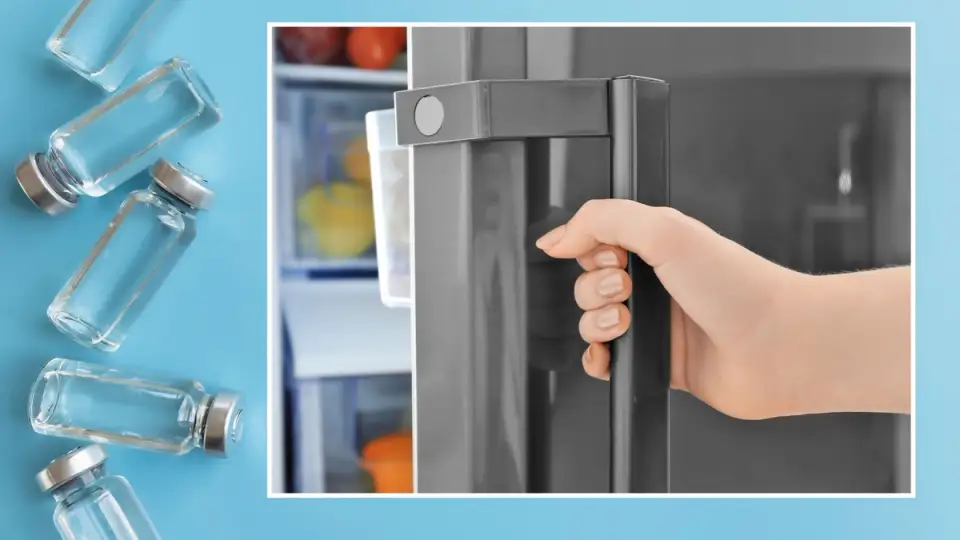

Compounded tirzepatide requires careful refrigeration to maintain its effectiveness and safety throughout its prescribed lifespan. Most compounded tirzepatide formulations remain stable for 28 to 90 days when stored properly in the refrigerator at temperatures between 36°F and 46°F. The exact duration depends on factors like the compounding pharmacy's formulation, preservatives used, and sterile preparation methods. Proper storage protects both your health investment and ensures each dose delivers the intended therapeutic benefits.
Temperature fluctuations, exposure to light, and contamination can significantly reduce your medication's shelf life, making storage tracking essential for successful therapy management. Beyond the expiration date, visual changes like cloudiness, discoloration, or particle formation indicate the medication should be discarded immediately. Managing these storage requirements becomes simpler with digital tools that help monitor refrigeration times and expiration dates, such as MeAgain's GLP-1 app.
Table of Contents
- How Long Does Compounded Tirzepatide Last in the Fridge?
- Can Compounded Tirzepatide Be Left Out of the Fridge?
- How to Store Compounded Tirzepatide Safely
- Keep Your Results on Track — Even Between Doses
Summary
- Compounded tirzepatide typically lasts 28 to 90 days in the refrigerator after preparation, depending on the pharmacy's Beyond-Use Date, with some formulations extending up to six months. Once you puncture the vial for your first injection, most providers recommend using it within 28 to 30 days to minimize contamination risk, though formulations with preservatives like benzyl alcohol may safely extend to 90 days. The shorter timelines compared to FDA-approved versions reflect the absence of multi-year stability testing that brand-name manufacturers complete.
- Refrigerators need to maintain a consistent temperature between 36°F and 46°F, but most home units fluctuate more than expected, especially in the door compartments. Storing vials on the middle shelves toward the back, where cold air circulates most consistently, helps prevent temperature swings that accelerate peptide degradation. A standalone thermometer checked weekly catches drift above 46°F before cumulative exposure silently compromises potency.
- Compounded tirzepatide is stable at room temperature below 86°F for up to 21 days without loss of effectiveness. The peptide structure degrades gradually over time, not instantly, meaning brief exposure, such as a delivery sitting outside for a few hours or overnight counter storage, won't render the medication useless. The real risk arises from cumulative exposure that exceeds safe thresholds without tracking, such as a vial spending two days at 80°F, then returning to refrigeration, then another week at 85°F during travel.
- Temperature instability introduces unpredictability into dosing that patients often attribute to their bodies rather than to compromised medication. When peptide bonds degrade from repeated heat or light exposure, one injection might deliver 90% effectiveness while the next delivers 70%, making progress unmeasurable. Proper storage ensures the dose drawn matches the prescribed amount, keeping results trustworthy and side effects predictable.
- Visible spoilage indicators include cloudiness, floating particles, color shifts from clear to yellow or brown, cracked rubber stoppers, or crystallization along the glass. Inspecting vials before every injection catches degradation before it compromises safety or effectiveness. Discarding questionable vials and requesting replacements prevents the silent treatment failures that happen when patients inject medication that's already lost potency.
- MeAgain's GLP-1 app addresses this by centralizing medication tracking alongside dose schedules, storage timelines, and expiration alerts, reducing the mental load of manually managing refrigeration windows and Beyond-Use Dates.
How Long Does Compounded Tirzepatide Last in the Fridge?
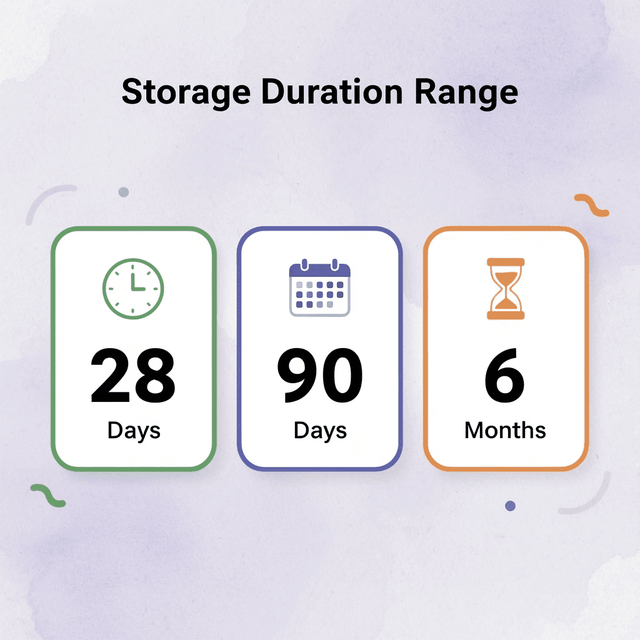
Compounded tirzepatide remains effective until the Beyond-Use Date (BUD) printed on your vial by the compounding pharmacy, typically 28 to 90 days after preparation, though some formulations last up to six months depending on the pharmacy's testing protocols. Once you puncture a vial for your first injection, most providers recommend using it within 28 to 30 days to minimize contamination risk. Some pharmacies allow usage up to 90 days after puncturing if stored correctly. Since compounded medications lack the extensive stability testing of brand-name versions, your pharmacy's specific label instructions take precedence over general guidelines.

"Compounded medications require stricter adherence to storage guidelines since they lack the extensive stability data of FDA-approved commercial products." — CDC Injection Safety Guidelines
The Science Behind Cold Storage
Tirzepatide is a peptide—a chain of amino acids that works more like insulin than traditional pills. When stored at 36°F to 46°F (2°C to 8°C) as recommended by Blue Medi Spa, the molecular structure remains stable. Heat accelerates the breakdown, causing peptide chains to break apart or aggregate, reducing effectiveness and creating unsafe byproducts. Cold temperatures also inhibit microbial growth in multiply-punctured vials, protecting against contamination.
Why Compounded Medications Follow Different Rules
FDA-approved tirzepatide comes in pre-filled pens with extensive stability testing that guarantees potency until the printed expiration date, often allowing 90-day supply periods according to Ro's guidance on tirzepatide refrigeration. Compounded versions lack the same large-scale, long-term testing. The Beyond-Use Date reflects the timeframe your pharmacy can confirm stability based on United States Pharmacopeia (USP) guidelines, formulation, preparation method, and sterility controls—shorter than the timelines commercial manufacturers guarantee through rigorous testing.
What happens when the vial seal is broken?
The moment a needle pierces your vial's rubber stopper, you've introduced a possible pathway for bacteria, even with proper sterile technique. Refrigeration slows microbial growth but doesn't eliminate risk over extended periods. Some compounding pharmacies include preservatives such as benzyl alcohol to extend safe use beyond 28 days, while others formulate preservative-free versions that require stricter timelines. A vial labeled for a 90-day supply after opening likely contains antimicrobial agents that preservative-free versions lack.
How can you track vial safety and expiration?
Most people managing compounded tirzepatide struggle with tracking when they opened each vial and whether it's still safe. Our MeAgain GLP-1 app consolidates these details with your dose schedule, nutrition logs, and symptom patterns. The app monitors refrigeration timelines and sends alerts before your medication reaches its BUD, eliminating the mental burden that makes GLP-1 therapy feel overwhelming.
Room Temperature: The 21-Day Window
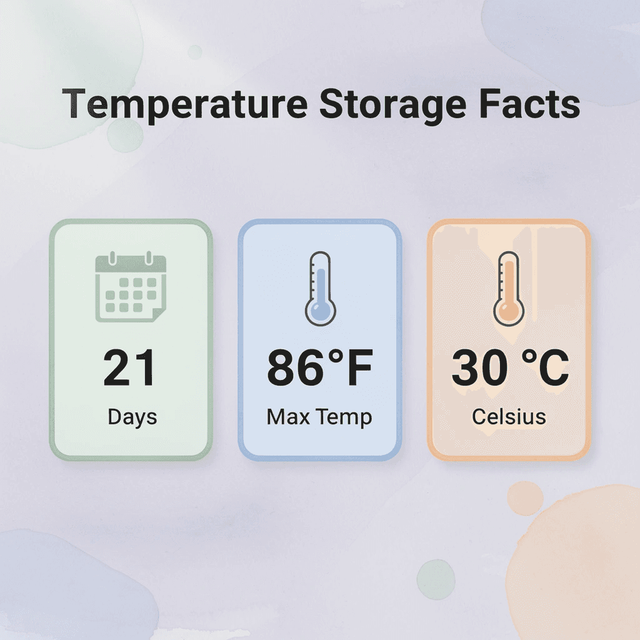
Compounded tirzepatide can stay at room temperature below 86°F (30°C) for up to 21 days if you travel or lack refrigeration, though formulation affects stability. After 21 days, the medication degrades faster and loses efficacy. Never return medication to the refrigerator after room-temperature storage, and never freeze tirzepatide—ice crystals will permanently damage the peptide structure and render the vial unsafe. But what happens when you're stuck between places or your hotel mini-fridge gets colder than expected?
Related Reading
- How Much Does Compounded Tirzepatide Cost
- How To Get Compounded Tirzepatide
- Does Compounded Tirzepatide Work
- Compounded Tirzepatide Dosage
Can Compounded Tirzepatide Be Left Out of the Fridge?
Yes, compounded tirzepatide can be left out of the fridge for a short time. According to GobyMeds, the medication stays stable at room temperature for up to 21 days, as long as it stays below 86°F (30°C). Peptide medications break down slowly at higher temperatures.
"The medication stays stable at room temperature for up to 21 days, as long as it stays below 86°F (30°C)." — GobyMeds, 2024
How does temperature affect tirzepatide stability over time?
It's understandable to worry about deliveries sitting outside or vials left on the counter overnight—these medications are expensive. However, short temperature changes won't compromise your medication's effectiveness. Peptide stability operates on a scale: the molecular structure of tirzepatide begins to break down when exposed to sustained heat or light, but this process takes days and weeks, not minutes or hours.
How does temperature affect tirzepatide stability?
When tirzepatide is removed from refrigeration, its peptide chains remain intact at moderate temperatures. Below 86°F, the medication maintains its therapeutic effectiveness for weeks despite gradual breakdown. Above that temperature, especially beyond 104°F, breakdown speeds up significantly. Pharmacy documentation shows the medication can be stored for up to 7 days before the strength drops meaningfully.
What factors accelerate tirzepatide degradation?
Heat weakens peptide bonds, while light exposure causes oxidative stress that damages molecular structure. Contamination becomes a separate problem once a vial is punctured, as bacteria multiply faster at warmer temperatures. A sealed vial left at 75°F for six hours faces minimal degradation risk, while the same vial left punctured at 90°F for three weeks faces both potency loss and contamination concerns.
How does temperature affect peptide stability over time?
Peptide breakdown happens slowly, not all at once. Tirzepatide's molecular structure degrades with prolonged heat exposure, but brief temperature fluctuations during shipping or a single overnight error don't cause immediate loss of potency. Shipping plans account for transit delays while maintaining cold temperatures. Peptide damage results from prolonged exposure to temperatures above recommendations or rapid temperature fluctuations, not brief periods at room temperature.
What should you consider when medication is accidentally left out?
When deciding whether your medication is still safe to use after being left out, consider both the duration and storage conditions. A vial left out for six hours in a 70°F room is safer than one stored for three days at 90°F. Call your pharmacy and tell them how long the medication was left out of the refrigerator and what temperature it reached. They can give you advice based on what actually happened rather than assuming the worst.
What does medication degradation actually look like?
Cloudiness, unusual particles, or clumping signal peptide structure breakdown. Clear liquid should remain clear; opacity suggests aggregation has occurred. Do not use the solution if it looks different from when properly refrigerated.
How does degradation affect your treatment results?
Medication that has degraded reduces its effectiveness without causing harm. Your blood sugar control becomes harder to predict, and weight loss progress stops because the active peptide amount has declined. You're following your plan perfectly, but not seeing the expected results, and wasted money compounds the problem: you're using an expensive treatment that no longer delivers full benefit.
Why is storage monitoring so challenging to track?
Most people track medication across multiple tools: calendar reminders, side-effect notes apps, and separate logs for meals and weight. Adding "monitor time outside refrigeration" to that mental load makes it easy to lose track of whether your vial remains within the safe window. Platforms like MeAgain consolidate dose tracking, storage reminders, and progress monitoring in one place, eliminating the scattered approach that can lead to storage mistakes compromising treatment. Proper refrigeration is one key to maintaining the effectiveness of your entire medication supply.
Related Reading
- Is Compounded Tirzepatide Safe
- Is Compounded Tirzepatide Fda Approved
- Is Compounded Tirzepatide Going Away
How to Store Compounded Tirzepatide Safely
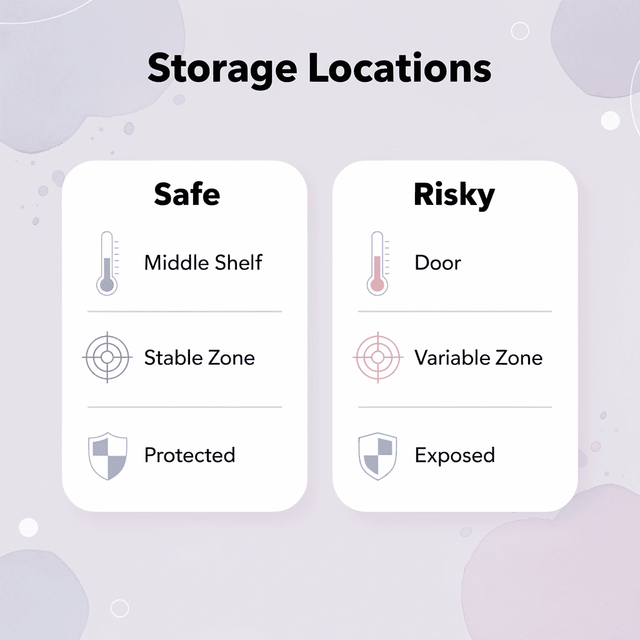
Store compounded tirzepatide in its original vial on the middle refrigerator shelf, where the temperature stays most consistent. GobyMeds recommends keeping it between 36°F and 46°F (2°C to 8°C): avoid the door, where temperatures fluctuate, and the back wall, where it might freeze. Label each vial with the date you first opened it to track your 28-day window.
"Proper refrigeration between 36°F to 46°F is critical for maintaining tirzepatide potency throughout its 28-day usage period." — GobyMeds Storage Guidelines

Storage Location | Temperature Stability | Recommendation |
|---|---|---|
Middle Shelf | Most stable | ✅ Best choice |
Door Compartment | Highly variable | ❌ Avoid |
Back Wall | Risk of freezing | ❌ Avoid |
Top/Bottom Shelf | Moderate stability | ⚠️ Use if needed |
Why proper storage protects more than potency
Temperature stability directly affects how your medication works in your body. When peptide bonds break down from heat or light exposure, you lose strength and make your dosing routine unpredictable. One week, your injection might deliver 90% effectiveness; the next week, 70%, and you'll blame your body instead of the damaged medication. Proper storage ensures the dose you draw matches the dose your treatment plan requires, keeping your progress measurable and your results trustworthy.
Monitor temperature, not just placement
Most household refrigerators experience wider temperature fluctuations than expected. Place a standalone thermometer inside and check it weekly, especially during summer when compressors work harder, and door seals weaken. If your unit regularly exceeds 46°F, adjust the thermostat or move your medication to a more stable appliance. This prevents loss of potency from prolonged exposure outside the safe temperature zone.
Travel requires intentional planning
Use an insulated medical cooler with gel packs for transporting tirzepatide. Position the vial so it never touches the ice packs directly—use a barrier, such as a small towel or the original carton, instead. Ro notes that users often travel with a 90-day supply, making temperature control critical. Refrigerate the medication immediately upon arrival at your destination. If your medication spent more than 21 cumulative days at room temperature during transit, contact your pharmacy to verify it remains safe to use.
Recognize spoilage before it compromises safety
Check your vial before every injection. Cloudiness, visible particles, color changes from clear to yellow or brown, cracks in the rubber stopper, warmth to the touch, or crystallization along the glass indicate medication breakdown: discard it immediately and request a replacement. Tracking your medication, doses, meals, and symptoms in tools like MeAgain helps you identify patterns early, whether reduced effectiveness after a power outage or side effects linked to vial expiration, so storage issues never undermine your progress. Even perfect storage habits face challenges when your routine changes unexpectedly or life disrupts your schedule.
Keep Your Results on Track — Even Between Doses
Storing your medication correctly protects the peptide itself, but what protects your progress is what you do between injections. The habits you build around protein intake, hydration, movement, and symptom tracking determine whether you preserve muscle mass, avoid side effects like constipation or nausea, and maintain momentum through routine shifts. GLP-1 medications work best when the daily work behind them becomes consistent and manageable.

MeAgain reduces the mental load by consolidating doses, meals, fiber, hydration, symptoms, and weight in one place. You can spot patterns quickly—such as fatigue correlating with low protein days or constipation following skipped water intake. Our app transforms essential routines into a game with a capybara companion that keeps you motivated without feeling punishing.
"The key to long-term success with GLP-1 medications isn't just proper storage—it's building consistent daily habits that support your progress between doses." — Weight Management Research, 2024
Journey Cards let you document your transformation visually, celebrating milestones that matter to you rather than fixating on the scale. Whether you're navigating a provider change, managing travel with your medication, or recovering from a storage mishap, MeAgain helps you stay organized and consistent when life becomes unpredictable.
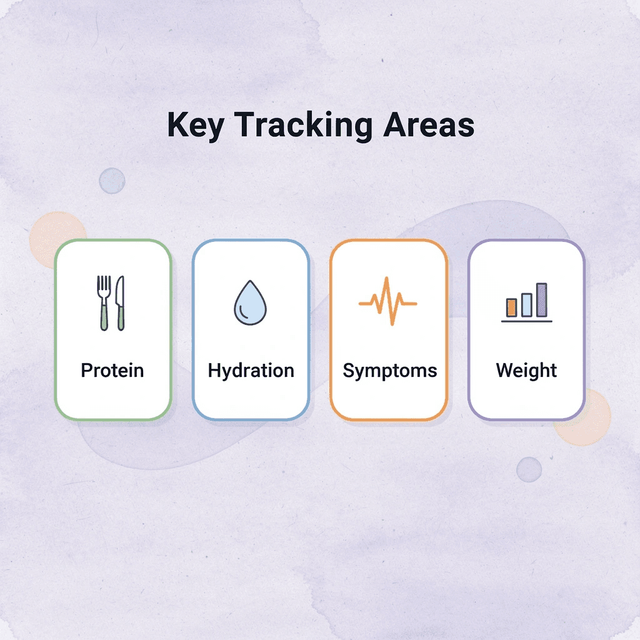
Key Tracking Areas | Why It Matters |
|---|---|
Protein Intake | Preserves muscle mass during weight loss |
Hydration | Prevents constipation and supports metabolism |
Symptom Patterns | Helps optimize dosing and timing |
Weight Trends | Shows progress beyond daily fluctuations |
Download MeAgain and turn your weight loss journey into your favorite game.