
The weight loss medication landscape shifted when Foundayo (orforglipron) received FDA approval as the first oral GLP-1 receptor agonist that doesn't require injections. As patients search for affordable alternatives to brand-name medications, a pressing question emerges: will there be compounded orforglipron? Understanding whether compounding pharmacies can legally produce this medication matters because it could affect access to treatment, monthly costs, and whether patients can continue their weight-loss journey affordably.
Staying informed about the availability of compounded medications requires more than reading news headlines. Real-time tracking of medication availability, connections to verified compounding pharmacies, and cost comparisons across GLP-1 options help patients make decisions based on what's actually available. Whether Foundayo becomes available in compounded form or patients need to explore other proven alternatives, having current information means they won't waste time chasing unavailable medications or miss new opportunities through a GLP-1 app.
Summary
- Compounded Foundayo is unlikely to become available in the near term because it lacks the two legal prerequisites for compounding: FDA shortage status and unmet clinical needs that commercial versions cannot address. Eli Lilly launched Foundayo with direct-to-consumer distribution at $149 per month and immediate supply availability, which means no supply gap exists to trigger the regulatory exception that allowed compounded semaglutide and tirzepatide during previous shortages.
- The compounded GLP-1 market that emerged during shortages of Wegovy and Zepbound was a temporary regulatory exception, not a permanent alternative to brand-name medications. FDA regulations permit compounding pharmacies to produce medications when there is a shortage. That permission disappears the moment manufacturers stabilize supply, and the FDA removes shortage status.
- Oral formulations present manufacturing challenges that most compounding facilities cannot safely replicate. Injectable GLP-1s involve mixing active ingredients into sterile solutions, while Foundayo requires precise tablet manufacturing to ensure correct drug release, stability, and consistent dosing. This represents a different category of pharmaceutical production that standard compounding pharmacies typically lack the equipment and expertise to handle.
- Waiting for compounded versions to appear creates a costly delay in treatment outcomes. Clinical trials showed Foundayo participants achieved 15% body weight loss, results that occurred because patients started treatment and maintained consistency, not because they found perfect pricing. The gap between wanting results and achieving them typically stems from whether treatment begins at all, not which specific medication is chosen.
- Treatment consistency determines success more than medication pricing or availability. Most people don't fail GLP-1 therapy because the drugs cost too much or aren't accessible. They fail because maintaining daily habits like hitting protein targets, tracking fiber intake, and sustaining routines when motivation fades becomes overwhelming without structured support systems.
- GLP-1 app addresses this by offering zero-markup compounded semaglutide and tirzepatide alongside habit tracking tools, so patients can start treatment immediately with accessible medications rather than delaying progress while waiting for compounded Foundayo, which may never receive regulatory approval.
Table of Contents
- If Demand Is So High, Why Isn't Compounded Foundayo Already Available?
- What Actually Has to Happen Before a Drug Can Be Compounded?
- So, Will Compounded Foundayo Exist, and What Should You Do Right Now?
- Don’t Wait for Compounded Foundayo — Start Building Results Now
If Demand Is So High, Why Isn't Compounded Foundayo Already Available?
When a new weight loss drug launches, we expect compounding to follow. Foundayo received FDA approval, demand is exploding, and people want affordable access. Yet compounding pharmacies aren't stepping in—the reason challenges everything most people assume about how this market works.

"When FDA approval happens for blockbuster drugs, the compounding market typically responds within 60-90 days—but Foundayo represents a different challenge."
What conditions must exist for compounding to be legal?
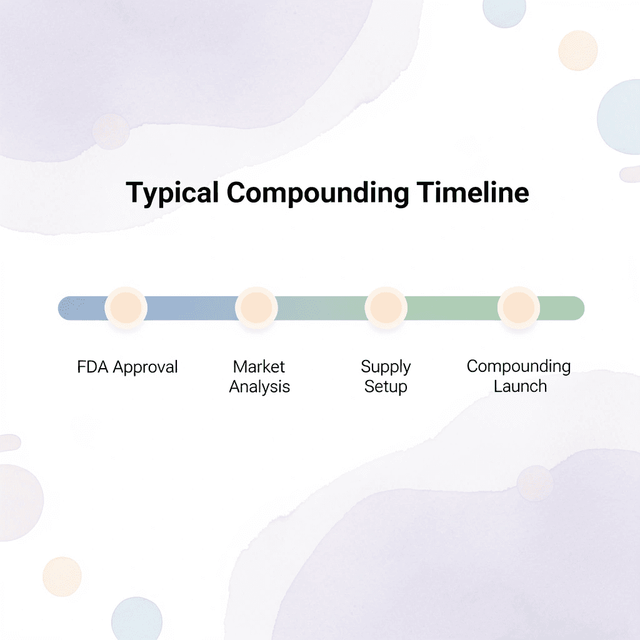
Compounding requires three conditions: FDA shortage status, legal manufacturing pathways, and regulatory permission to produce what the agency calls "essentially copies" of commercially available drugs. Foundayo has none of these. FDA regulations explicitly state that compounding pharmacies can produce a portion of a drug's commercial manufacturing volume, but only when a shortage creates legal justification. Without that shortage declaration, compounding is prohibited.
How does compounding only work when pharmaceutical systems fail?
The compounded GLP-1 market that grew during Wegovy and Zepbound shortages wasn't a creative solution to high prices—it was a temporary regulatory exception triggered by supply failures. When injectable semaglutide and tirzepatide became unavailable through normal channels, the FDA permitted compounding pharmacies to step in under 503A regulations, which allow pharmacies to create customized medications for individual patients when commercial versions can't meet demand. That permission disappeared the moment manufacturers stabilized supply.
Why did Foundayo's launch prevent compounding opportunities?
Foundayo's launch follows a different timeline. Eli Lilly secured approval and immediately established LillyDirect, a telehealth platform offering the drug at $149 per month with free home delivery starting April 6, 2026. There's no supply gap, no shortage declaration, and no window for compounding pharmacies to claim they're filling an unmet medical need. The system worked as designed: the legal pathway for compounded semaglutide and tirzepatide never opened for Foundayo.
What makes oral formulations harder to compound than injectables?
The complexity of oral formulations adds another layer of friction. Injectable GLP-1s are straightforward for compounding pharmacies to replicate because they involve mixing active pharmaceutical ingredients into sterile solutions. Foundayo is an oral tablet that requires precise manufacturing to ensure the drug releases correctly in the digestive system, remains stable, and delivers consistent dosing. Most compounding facilities lack the equipment to handle this safely or consistently. Compounding isn't a shortcut around the system; it exists only when the system breaks. Foundayo launched into a market where the manufacturer anticipated demand, secured supply, and built direct distribution before patients could search for alternatives. But that raises a fundamental question: what must break before compounding becomes legal?
Related Reading
- What is Foundayo
- How Is Foundayo Different From Zepbound?
- Which Is Better: Foundayo Or Oral Wegovy?
- Who Makes Foundayo?
- Is Foundayo a GLP-1
- How Can I Get Foundayo?
What Actually Has to Happen Before a Drug Can Be Compounded?
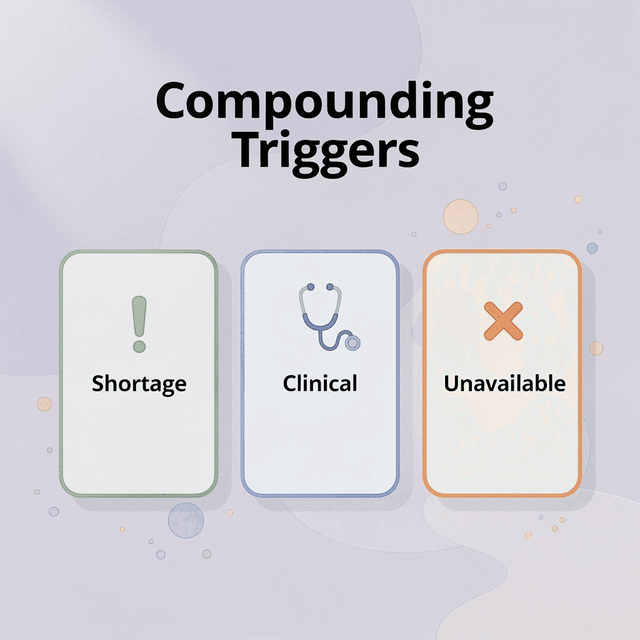
A drug becomes compoundable when the FDA officially declares it in shortage, or a patient has a documented clinical need that the commercial version cannot address. Without a shortage status or unmet medical need, compounding is prohibited. The system operates on scarcity and exception, not demand or affordability.

"The compounding of drugs is generally prohibited if a commercially available drug can appropriately treat the patient, except during FDA-declared shortages or for specific medical needs."

Compounding Trigger | Requirements | Timeline |
|---|---|---|
FDA Drug Shortage | Official shortage declaration | Immediate availability |
Clinical Need | Documented medical necessity | Case-by-case approval |
Commercial Unavailable | No suitable alternative exists | Varies by situation |
How does the FDA shortage designation enable compounding?
The FDA maintains a drug shortage database that serves as the legal gateway for compounding. When a manufacturer cannot supply sufficient FDA-approved medication, the agency adds it to this list. That designation triggers specific regulatory permissions under Section 503A of the Federal Food, Drug, and Cosmetic Act, which allows state-licensed pharmacies to compound medications on a patient-specific basis. According to Avalere Health Advisory, 503A compounding pharmacies must compound drugs on a patient-specific basis pursuant to a valid prescription. This controlled exception prevents treatment gaps in the event of supply chain failure.
Why doesn't Foundayo qualify for compounding?
Foundayo has no shortage designation because Eli Lilly expected high demand and built the infrastructure to meet it. The manufacturer launched with direct-to-consumer telehealth distribution, predictable pricing, and immediate availability. With no supply failure, compounding pharmacies lack legal grounds to claim they're filling a gap. The regulatory permission that allowed compounded semaglutide and tirzepatide to flood the market doesn't exist for Foundayo.
How does clinical necessity narrow the path to compounding?
The second pathway involves individual patient needs that commercially available formulations cannot satisfy. A physician might justify compounding if a patient requires a different dosage strength, has an allergy to an inactive ingredient in the approved formulation, or needs an alternative delivery method. This exception requires documented medical justification for each prescription. Pharmacies cannot mass-produce these versions or market them broadly; each compound must be tied to a specific patient with a specific clinical rationale.
What happens when the FDA's shortage status changes?
For people seeking affordable GLP-1 access, compounded semaglutide and tirzepatide remain available because these drugs are still on the FDA shortage list. That status could change once manufacturers stabilize supply. When it does, the legal authorization expires, and pharmacies must stop producing those compounds. The window that made affordable compounded GLP-1s accessible opened because the system broke, and it will close the moment the system fixes itself. What happens when demand stays high but supply remains stable, and the drug you want never qualifies for compounding?
Related Reading
- Who Makes Foundayo?
- Foundayo Side Effects
- Is Foundayo a GLP-1
- How Is Foundayo Different From Zepbound?
- Which Is Better: Foundayo Or Oral Wegovy?
- How Can I Get Foundayo?
So Will Compounded Foundayo Exist, and What Should You Do Right Now?
Compounded Foundayo is unlikely to occur in the short term, given adequate supply and Eli Lilly's pre-launch stockpiling. Mid-term availability hinges on whether demand exceeds manufacturing capacity sufficiently to trigger an FDA shortage declaration. Long-term prospects depend on pricing pressure, access barriers, and enforcement of regulations against unauthorized versions.

"Long-term prospects for compounded versions depend on pricing pressure, access barriers, and regulatory enforcement against unauthorized alternatives."
Why does waiting for compounding delay necessary treatment?
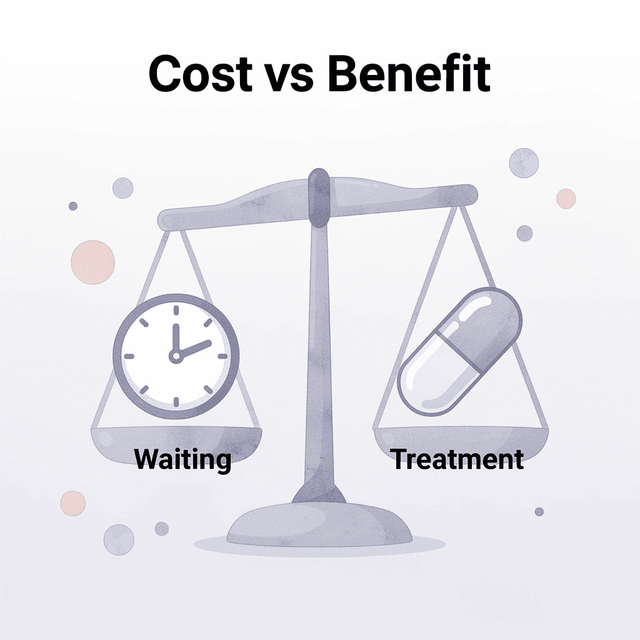
Most people seeking compounded Foundayo want affordable access to effective weight loss medication. This logic made sense during semaglutide and tirzepatide shortages, but waiting for a compounded version creates a dangerous holding pattern. Delaying treatment postpones metabolic improvements, cardiovascular benefits, and the psychological momentum from early results.
What results can you expect from starting treatment now?
According to Eli Lilly and Company, clinical trials showed that people taking Foundayo lost 15% of their body weight. These results stemmed from consistent treatment adherence and allowing the medication time to work. The difference between wanting results and achieving them typically comes down to whether you start.
Why is consistency more important than access?
Foundayo launched at $149 per month through LillyDirect with no insurance required and free home delivery. Compounded semaglutide and tirzepatide remain available at transparent pricing. The real barrier isn't access: it's staying on treatment long enough to see results, tracking progress without overwhelm, and maintaining the daily behaviors that determine whether the drug works.
How do platforms solve what pricing alone can't?
Platforms like MeAgain solve what pricing alone can't. Our GLP-1 app's injection tracking, meal logging, and progress monitoring provide the structure needed to maintain consistency when motivation fades. Most people miss results not because medication was unavailable or unaffordable, but because they couldn't maintain the habits that turn medication into measurable change.
What happens when you wait versus starting now?
Waiting six months for something you might get means six months further from your goals. Starting now, with what you can use means results build up while you're still deciding. But what if the drug you're waiting for isn't better than what's already available?
Related Reading
- How Can I Get Foundayo?
- What is Foundayo
- How Is Foundayo Different From Zepbound?
- Which Is Better: Foundayo Or Oral Wegovy?
- Who Makes Foundayo?
- Is Foundayo a GLP-1
Don’t Wait for Compounded Foundayo — Start Building Results Now
Every week spent researching compounding options or waiting for lower prices is a week you're not building momentum. The people who succeed with GLP-1 medications aren't the ones who found the perfect drug at the perfect price. They're the ones who started early, stayed consistent, and gave the medication enough time to work.

Consistency is where most people lose ground. Hitting your protein targets, drinking enough water, tracking fiber, and maintaining your routine require a system that makes daily work manageable rather than overwhelming. Without structure, people fail because the process becomes too hard to sustain independently.
"Without proper structure and support systems, 70% of people struggle to maintain the lifestyle changes necessary for GLP-1 success beyond the first 90 days."
Our GLP-1 app turns consistency into something you want to maintain. Your capybara companion helps you hit protein, fiber, hydration, and movement goals daily, while your Journey Card tracks progress across every milestone.

Start with your first 30 days. Track your habits, stay consistent, and see how your body responds before considering switching medications. The progress you delay today doesn't return. Download MeAgain and turn your GLP-1 journey into something you'll stick with.